
 Worksheets
Podcasting Quiz
Total questions: 35
Worksheet time: 26mins
Which track type uses two channels (left and right)?
Mono
Stereo
Both
None
A podcast differs from radio because it can be:
Listened to live only
Downloaded and replayed anytime
Requires a frequency
Includes only commercials
Which topics are usually informal and entertaining?
Comedy, lifestyle, hobbies
Education, lectures, business
News reporting, debates
Science experiments
Which topics are usually formal and educational?
Comedy and lifestyle
Business, lectures, education
Music and hobbies
Radio plays
In a cohosting presentation style:
One person speaks alone
Two or more hosts share conversation and ideas
The host interviews a guest
No script is used
In an interview podcast style:
Guest/s are invited and asked questions by the host
One person talks about their opinion only
Two hosts talk to each other
Background music only
Transport controls in a DAW allow you to:
Change microphone type
Stop, start, rewind, or advance recording
Compress audio
Export files
The proper order of making a podcast is:
Script → Aim → Outline/Plan
Aim → Script → Outline/Plan
Aim → Outline/Plan → Script
Outline/Plan → Aim → Script
What does compression in audio editing do?
Cuts audio into small pieces
Makes the file larger
Reduces the difference between loud and soft sounds
Removes background noise completely
Which is an example of a solo podcast presentation style?
One person records and presents the whole episode
Two people share ideas
A guest is invited and interviewed
A group performs a scripted drama
What DAW did we use in class which is also a free software for recording and editing audio?
(a)

The settings we adjust that affects how sound is recorded or processed.
(a)
A short musical tune used as an introduction or transition in podcasts and radio.
(a)
An audio program distributed online, usually episodic, which can be streamed or downloaded.
(a)
What does DAW stand for?
(a)
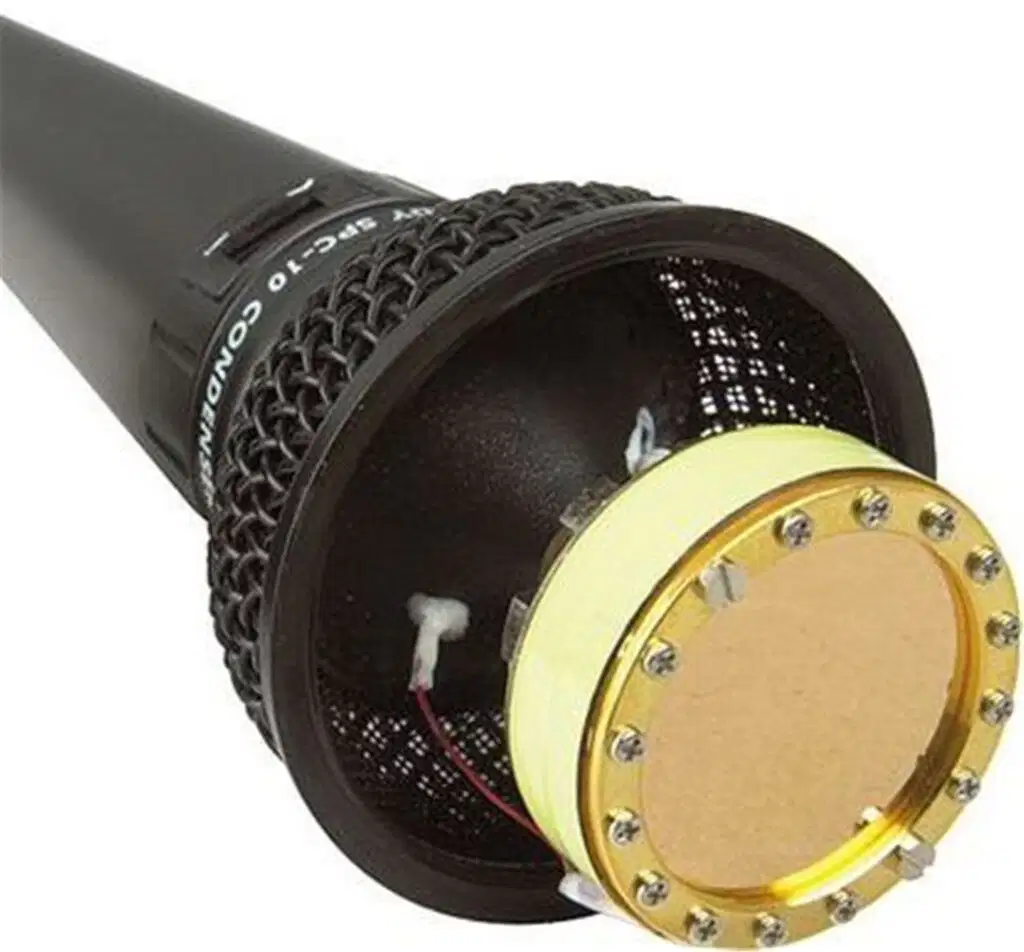
The thin membrane inside a microphone that vibrates to capture sound waves.
(a)

A type of microphone commonly used for studio recording.
(a)
A head-worn device that consists of a set of electronic components, typically including headphones and a microphone.
(a)
Import means bringing a file into the DAW, while export means saving the finished product.
TRUE
FALSE
MP3 and MP4 are the same file format.
TRUE
FALSE
A microphone uses an electromagnet to help capture sound.
TRUE
FALSE

M4A is an audio file format.
TRUE
FALSE
WAV and FLAC are both high-quality video formats.
TRUE
FALSE
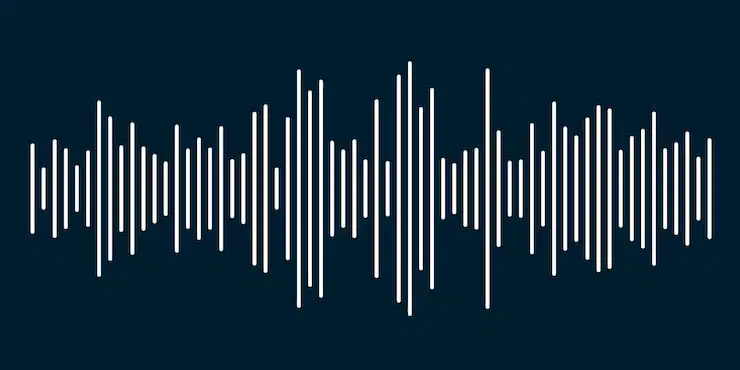
A sound wave is a vibration that travels through air or another medium.
TRUE
FALSE
Removes unwanted beginnings or endings of audio
(a)
Cuts audio into separate parts
(a)
Makes the sound louder.
(a)
Creates a spacious or “hall-like” or a big room sound
(a)
Adjusts how high or low a voice or sound is
(a)
Adds effect of repeated sound bouncing back/delay.
(a)
Gradually increases the sound from silence
(a)
Gradually decreases the sound to silence
(a)
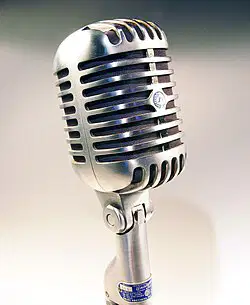
How does a microphone capture sound?
By converting sound waves into electrical signals
By storing sound waves as images
By converting electrical signals into sound waves
By recording sound directly onto paper
After the microphone converts sound into an electrical signal, what happens next?
The signal is transmitted to the computer for processing
The sound is immediately played on the speaker
The sound is converted into light
The signal is erased automatically
How does the speaker produce sound after the computer processes the audio?
By converting electrical signals back into sound waves
By storing the signal as a file
By amplifying sound waves without electricity
By sending the signal back to the microphone

