
 Worksheets
Learning Objectives - Implementing Digital Systems
Total questions: 60
Worksheet time: 30mins
By the end of this lesson, you should be able to: Understand key terms related to implementing digital systems. Define at least two key terms related to implementing digital systems.
Understand and define key terms related to implementing digital systems.
Design a complete digital system from scratch.
Write code for advanced digital algorithms.
Build hardware components for digital systems.
By the end of this lesson, you should be able to: Describe pilot, parallel, and ‘big bang’ implementation methods. Which of the following best describes the three implementation methods: pilot, parallel, and ‘big bang’?
Pilot involves introducing a system in one part of the organization, parallel runs both old and new systems together, and ‘big bang’ switches to the new system all at once.
Pilot means running both systems together, parallel means switching all at once, and ‘big bang’ means introducing in one part only.
Pilot and parallel both mean switching all at once, while ‘big bang’ means running both systems together.
Pilot means no change, parallel means partial change, and ‘big bang’ means gradual change.
Select the correct statement about the advantages and disadvantages of pilot, parallel, and ‘big bang’ implementation methods.
Pilot implementation allows testing in a small area, parallel runs both systems together, and 'big bang' switches all at once.
Pilot implementation is the fastest but riskiest, parallel is the cheapest, and 'big bang' is the safest.
Pilot implementation involves no risk, parallel is never used, and 'big bang' is always preferred.
Pilot implementation and parallel are identical, while 'big bang' is not used in practice.
Select the correct statement about the benefits and drawbacks of digital systems.
Two benefits of digital systems are speed and accuracy, while two drawbacks are security risks and dependence on electricity.
Two benefits of digital systems are high cost and complexity, while two drawbacks are efficiency and reliability.
Two benefits of digital systems are slow processing and limited storage, while two drawbacks are flexibility and scalability.
Two benefits of digital systems are manual operation and low accuracy, while two drawbacks are fast performance and easy data sharing.
By the end of this lesson, you should be able to: Apply your knowledge to real-world scenarios. Which of the following is an example of implementing a digital system in a real-world scenario?
Using a barcode scanner in a supermarket to track inventory
Writing a story by hand in a notebook
Planting a tree in a garden
Drawing a picture with colored pencils
What does 'Implementation' mean?
The process of putting a new system or solution into use within an organization
A structured approach or set of steps used to carry out a task
A small-scale trial run of a new system
Running the old and new systems side by side for a period to compare performance and ensure reliability.
What is a 'Methodology'?
The process of putting a new system or solution into use within an organization
A structured approach or set of steps used to carry out a task, such as introducing a new digital system
A small-scale trial run of a new system
Running the old and new systems side by side for a period to compare performance and ensure reliability.
What does 'Pilot' mean in the context of systems?
The process of putting a new system or solution into use within an organization
A structured approach or set of steps used to carry out a task
A small-scale trial run of a new system, used to test it before a full rollout
Running the old and new systems side by side for a period to compare performance and ensure reliability.
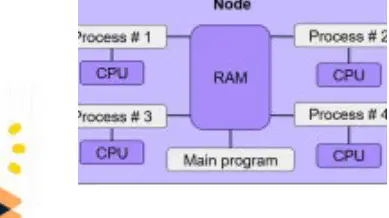
What does 'Parallel' mean in the context of systems?
The process of putting a new system or solution into use within an organization
A structured approach or set of steps used to carry out a task
A small-scale trial run of a new system
Running the old and new systems side by side for a period to compare performance and ensure reliability.
Fill in the blank: One way digital systems help is by ________ Efficiency, which involves automating repetitive tasks, speeding up processes, and reducing human error.
Boosting
Limiting
Ignoring
Delaying
Fill in the blank: Digital systems provide Enhanced ________, allowing instant messaging, video calls, and collaborative platforms to make teamwork easier from anywhere.
Communication
Transportation
Nutrition
Decoration
Fill in the blank: Better Data ________ is a benefit of digital systems, as they allow users to store, access, and analyze information rapidly, supporting smarter decision-making.
Management
Decoration
Destruction
Limitation
Fill in the blank: Digital systems enable ________ Work, allowing flexible working locations and improving work-life balance for many.
Remote
Manual
Factory
Onsite
What is one of the challenges of digital systems related to costs? Fill in the blank: Upgrading, installing, and maintaining digital tools can be ______ for organisations.
expensive
simple
unnecessary
quick
What can happen if there are technical failures in digital systems? Fill in the blank: Systems can break down, causing delays and potentially ______ data.
losing
printing
duplicating
encrypting

What is a cybersecurity threat in digital systems? Fill in the blank: Digital systems are targets for cyber attacks, putting ______ information at risk.
sensitive
irrelevant
public
ancient
How can digital systems impact jobs? Fill in the blank: Automation may reduce the need for certain jobs, leading to ______ changes.
workforce
climate
dietary
musical
Select two benefits an organisation might experience by implementing a new digital system.
Increased efficiency and improved data management
Decreased productivity and higher costs
Reduced communication and limited access to information
Slower decision-making and outdated processes
A potential drawback for individuals in an organisation when a new digital system is introduced is:
Resistance to change
Increased job satisfaction
Immediate productivity boost
Guaranteed job security
High initial costs can be a significant drawback for a small business considering a new digital system because:
They may strain the business's limited financial resources.
They guarantee immediate profits for the business.
They ensure the system will never need upgrades.
They eliminate the need for employee training.
Which implementation methodology involves testing the new digital system in a small part of the organisation before wider use?
Pilot Method
Direct Changeover
Parallel Running
Phased Implementation
Which implementation methodology involves running both the old and new systems together until the new one is proven reliable?
Parallel Method
Direct Cutover
Pilot Method
Phased Method
Which implementation methodology involves switching from the old system to the new one all at once, organisation-wide?
Big Bang Method
Phased Implementation
Parallel Running
Pilot Study

Which of the following statements best describes the Pilot Method for ERP implementation?
Start small, find problems early, less risky for the whole organisation.
Safe transition, both systems available, but can be costly and time-consuming.
Implement all at once for the entire organisation.
Only use manual processes.

Which method is described as a safe transition where both systems are available, but can be costly and time-consuming?
Pilot Method
Parallel Method
Direct Method
Phased Method
Fill in the blank: The Pilot Method is less ______ for the whole organisation because it starts small and finds problems early.
risky
expensive
complicated
time-consuming
What is the 'big bang' method in system implementation?
Gradually switching to a new system
Switching the entire organisation to the new system at once
Testing the new system with a small group first
Avoiding any changes to the system
The 'big bang' approach is like jumping into a pool rather than ______ in slowly.
wading
diving
floating
splashing
The 'big bang' method is considered high risk if things go wrong.
True
False
What is the main advantage of the Pilot Method in implementation?
Small-scale issue spotting reduces org-wide risk.
It eliminates the need for user training.
It guarantees immediate full-scale success.
It avoids the need for any testing.
What is the main disadvantage of the Pilot Method in implementation?
Slow, may miss system-wide issues.
It is the most expensive method.
It requires the entire organization to switch at once.
It does not allow for any testing.
What is the main advantage of the Parallel Method in implementation?
Old system backup increases safety.
It is the fastest method of implementation.
It is the cheapest method of implementation.
It requires no user training.
What is the main disadvantage of the Parallel Method in implementation?
Doubles workload and cost.
Reduces system reliability.
Speeds up the implementation process.
Eliminates the need for user training.
What is the main advantage of the 'Big Bang' Method in implementation?
Fast system switch, saves time/resources.
Allows gradual transition for users.
Minimizes risk by parallel running.
Provides extensive user training.
What is the main disadvantage of the 'Big Bang' Method in implementation?
High risk if new system fails, no backup.
It allows for gradual transition between systems.
It minimizes user confusion during changeover.
It provides extensive training before switch.
Fill in the blank: Approaches or ways of doing something are called ________.
methods
objects
places
events
Fill in the blank: A small-scale trial run of a new system is called a ________.
pilot
prototype
blueprint
audit
Fill in the blank: A method where both old and new systems run together is called ________.
parallel
direct
pilot
phased
Fill in the blank: Involving high cost is described as ________.
expensive
cheap
ancient
fragile
Fill in the blank: Switching to a new system all at once is called ________.
big bang
phased approach
pilot run
parallel conversion
Fill in the blank: Involving the possibility of failure or danger is described as ________.
risky
safe
certain
boring
Fill in the blank: How large or small the organisation is refers to its ________.
size
location
profit
structure
Fill in the blank: Likely to cause harm or problems is described as ________.
dangerous
beautiful
harmless
colorful
Fill in the blank: Appropriate or fitting for the situation is described as ________.
suitable
awkward
irrelevant
impossible
Fill in the blank: Based on knowledge and understanding is described as ________.
informed
random
biased
uninformed
When an organisation decides to introduce a new digital system, there are several _____ available. Each method offers its own benefits and potential drawbacks.
methods
machines
employees
locations
The _____ method allows a small part of the organisation to test the system first, which helps to identify problems early but may miss organisation-wide issues.
pilot
direct cutover
parallel
phased
Alternatively, the _____ method involves running the old and new systems at the same time. This way, if problems arise, staff can rely on the original system as a backup, increasing safety.
parallel
direct
phased
pilot
However, it is often _____ and can double workloads during the transition.
costly
easy
quick
fun
In contrast, the _____ method involves switching over entirely to the new system all at once.
big bang
phased
pilot
parallel
This approach can be very quick, but it is considered _____ because there is no backup if the new system fails.
risky
efficient
secure
reliable
The choice of implementation method depends on the _____ and needs of the organisation, as well as the risks involved in making changes.
size
location
color
brand
For example, using the big bang method in a hospital setting could be especially _____ due to the importance of patient care and data.
dangerous
efficient
irrelevant
simple
Instead, a pilot or parallel approach may be more _____ in sensitive environments.
appropriate
dangerous
expensive
unusual
Understanding these methods helps organisations make _____ decisions and ensure successful system adoption.
informed
random
delayed
biased
Hospital System Choices: Considering the sensitive nature of patient data and the critical operations of a hospital, the best implementation method for a new patient record system is:
Cloud-based public server
On-premises secure server
Open Wi-Fi network
Unencrypted external storage
Which of the following is a factor to consider when choosing how to implement a digital system?
The organisation’s size and needs
The risks involved with change
The resources available for support and training
All of the above
Fill in the blank: Choosing how to implement a digital system depends on the organisation’s size and needs, the risks involved with change, and the ______ available for support and training.
resources
locations
products
customers
Understanding each method helps make informed decisions, ensuring a smooth transition and successful use of digital systems.
True
False
One benefit of understanding each method for implementing a digital system is:
It allows for selecting the most suitable approach for a given application.
It guarantees zero errors in the system.
It eliminates the need for testing the system.
It ensures the system will never become outdated.

