
Font size
 Worksheets
Chapter 2 Test Review
Total questions: 150
Worksheet time: 1hrs 25mins
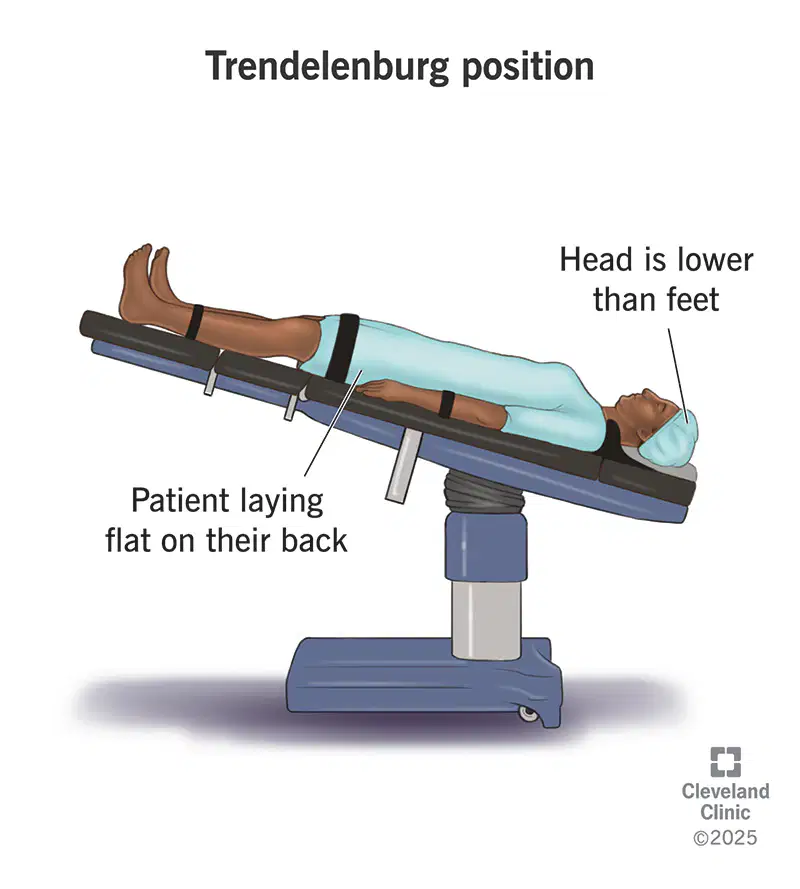
The position you would want to put a patient in after a trauma to help with or prevent shock
Supine
Prone
Sim's
Trendelingburg

Standing upright with the head and feet facing forward, the arms at the sides
and the palms of the hands facing forward
anatomical planes
anatomical position
anatomical sections
medical position
Imaginary, flat sections through the body
medical position
anatomical position
anatomical planes
anatomical divisions
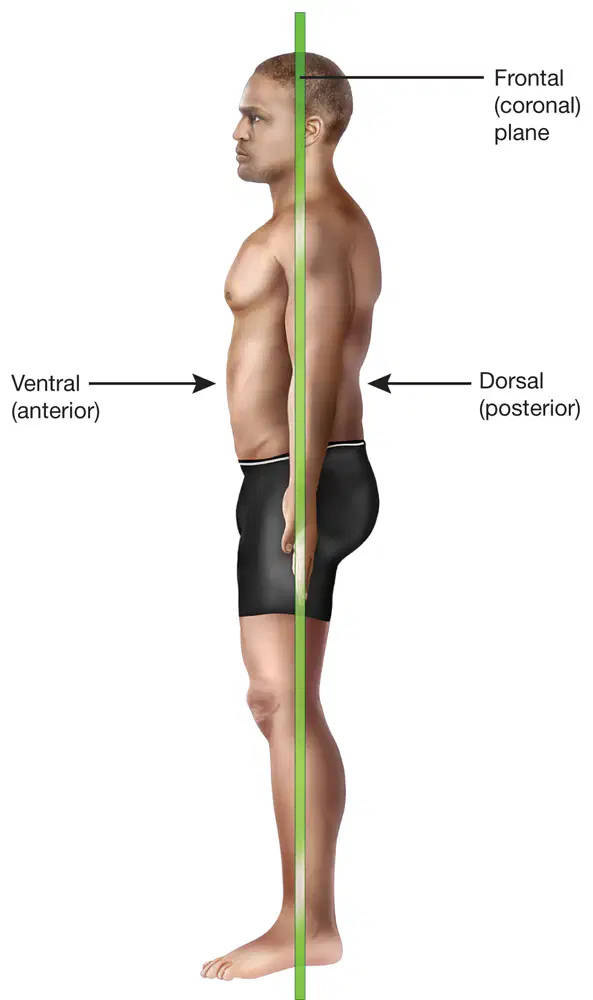
The vertical plane that divides the body into front and back sections.
frontal/coronal plane
sagittal plane
midsagittal plane
transverse plane

Divides the body vertically into unequal left and right sides.
transverse
sagittal
midsagittal
frontal/coronal
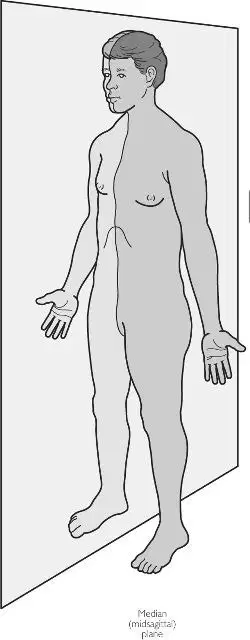
Divides the body vertically into EQUAL left and right sides.
sagittal plane
midsagittal plane
transverse plane
frontal/coronal plane

The horizontal plane that divides the body into upper and lower sections
sagittal plane
midsagittal plane
transverse plane
frontal/coronal plane
Near the midline, or center, of the body.
lateral
medial
anterior
posterior
Near the side of the body; farther from the midline (center) of the body.
medial
lateral
anterior
posterior
Near the point of origin
proximal
distal
superior
inferior
Away from the point of origin.
proximal
distal
superior
inferior
Front of the body. In front of another structure
anterior
posterior
medial
lateral
Back of the body. Behind another structure
anterior
posterior
medial
lateral
Located closer to the top of the head or above another body part.
medial
lateral
superior
inferior
Located near the soles of the feet or below another body part.
medial
lateral
superior
inferior
Relating to the cranium/head
caudal
cephalic
axillary
brachial
Relating to, or situated near, the tail or inferior end of the body
cephalic
caudal
brachial
popliteal
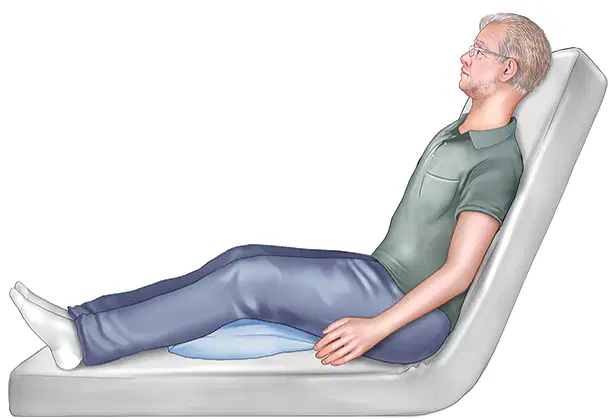
A sitting position with the head of the bed elevated 75 to 90 degrees; knees raised slightly
sim's
high fowler's
semi fowler's
low fowler's
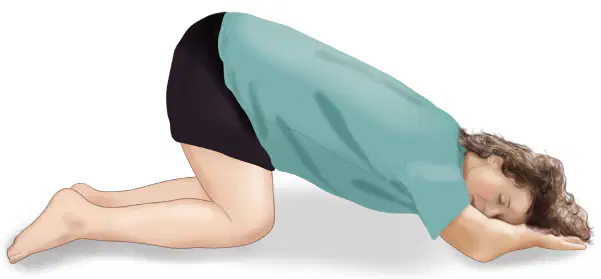
Lying face down with knees bent while resting on the knees and chest
sim's
low fowler's
semi fowler's
knees to chest

Recovery position; lying on the side
lateral left or right side lying
sim's
fetal
fowler's
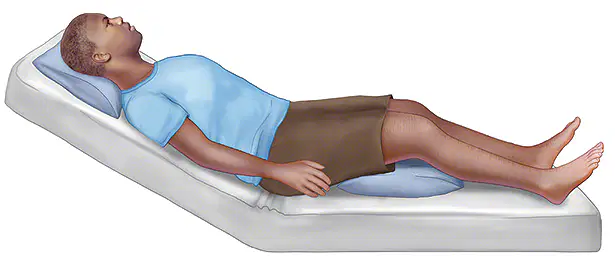
A semi-sitting position with the head of the bed elevated 15 to 30 degrees; knees raised slightly
high fowler's
sim's
low fowler's
semi fowler's
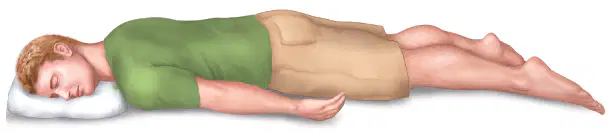
Lying flat with the face down
supine
prone
sim's
fowler's
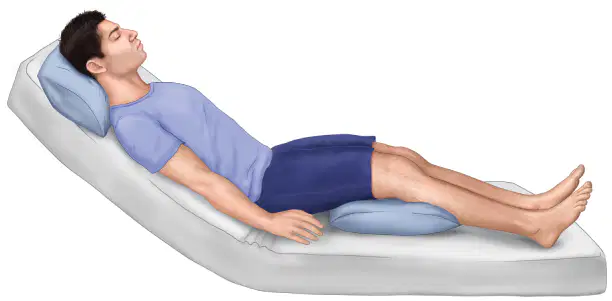
A semi-sitting position with the head of the bed elevated 30 to 45 degrees; knees bent for comfort
low fowler's
semi fowler's
high fowler's
sim's

Lying on the side with the hip & knee straight, and the other hip and knee bent or flexed
low fowler's
prone
supine
sim's
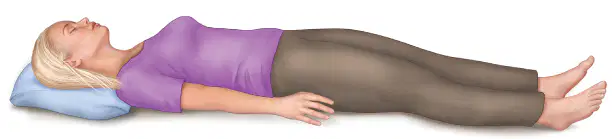
Lying flat with the face up
prone
fowler's
supine
sim's
We would say that your cranium (head) is ____________ to your sternum (breast bone):
Superficial
Indifferent
Superior
Inferior
The chin is ___ to the nose.
What is a structure below another?
inferior
superior
superficial
distal
Where is an organ that is toward the midline of the body?
medial
lateral
prone
supine
Where is an organ that is posterior to another?
The organ is ____.
toward the front
toward the back
along the top
along the bottom
Where is an organ that is higher on the body, nearer to the head?
lateral
inferior
superior
prone
In human anatomical position, the palms are facing...
forward (anteriorly)
backward (posteriorly)
the body

What is #4?
Cranial Cavity
Vertebral Canal
Diaphragm
Thoracic cavity
What is #2?
Cranial Cavity
Vertebral Canal
Diaphragm
Thoracic cavity
What is #5?
Cranial Cavity
Vertebral Canal
Diaphragm
Thoracic cavity
What is #1?
Ventral Cavity
Vertebral Canal
Dorsal Cavity
Nervous cavity
What is #6?
Thoracic Cavity
Abdominal Cavity
Abdominopelvic Cavity
Pelvic cavity
What is #3?
Dorsal Cavity
Spinal Cavity
Abdominopelvic Cavity
Ventral cavity
What is #7?
Dorsal Cavity
Abdominal Cavity
Abdominopelvic Cavity
Pelvic cavity

What quadrant does number 3 Represent?
Right Upper
Left Upper
Right Lower
Left Lower
Which of the following cavities holds the heart AND lungs?
pleural
pericardial
thoracic
abdominal
Your appendix is located right about your right hip. Which quadrant would your appendix be located?
RUQ
RLQ
LLQ
LUQ
The stomach is mostly located in the
RUQ
RLQ
LLQ
LUQ
Which region is located in the upper middle part of the abdomen?
Epigastric region
Hypochondriac region
Umbilical region
Hypogastric region
Which region is located on the right side of the abdomen, just below the ribcage?
Epigastric region
Hypochondriac region
Umbilical region
Hypogastric region
Which region is located in the lower middle part of the abdomen?
Epigastric region
Hypochondriac region
Umbilical region
Hypogastric region
Which quadrant is located in the upper right part of the abdomen?
Right upper quadrant
Left upper quadrant
Right lower quadrant
Left lower quadrant
Which quadrant is located in the upper left part of the abdomen?
Right upper quadrant
Left upper quadrant
Right lower quadrant
Left lower quadrant
Which quadrant is located in the lower right part of the abdomen?
Right upper quadrant
Left upper quadrant
Right lower quadrant
Left lower quadrant
Which quadrant is located in the lower left part of the abdomen?
Right upper quadrant
Left upper quadrant
Right lower quadrant
Left lower quadrant
Which region is located just above the umbilical region?
Epigastric region
Hypochondriac region
Lumbar region
Iliac region
Which quadrant is located in the upper part of the abdomen?
Right upper quadrant
none
Right lower quadrant
Left lower quadrant
Which quadrant is located in the lower part of the abdomen?
Right upper quadrant
Left upper quadrant
Right lower quadrant
None
Which region is located on the left side of the abdomen, just below the umbilical region?
Epigastric region
Hypochondriac region
Lumbar region
Iliac region
Which quadrant is located in the upper left part of the abdomen?
Right upper quadrant
Left upper quadrant
Right lower quadrant
Left lower quadrant
Which quadrant is located in the lower left part of the abdomen?
Right upper quadrant
Left upper quadrant
Right lower quadrant
Left lower quadrant
Which region is located just above the hypogastric region?
Umbilical region
Hypochondriac region
Lumbar region
Iliac region

What abdominal region is #1?
Right Hypochondriac Region
Left Hypochondriac Region
Right Lumbar Region
Right Lumbar Region

What abdominal region is #6?
Hypogastric
Right Inguinal
Left Lumbar
Umbilical
What abdominal region is #2?
Hypogastric
Right Inguinal
Epigastric
Umbilical
What abdominal region is #3?
Hypogastric
Left Hypochondriac Region
Epigastric
Umbilical
What abdominal region is #4?
Right Lumbar
Left Hypochondriac Region
Epigastric
Umbilical
What abdominal region is #5?
Right Lumbar
Left Hypochondriac Region
Epigastric
Umbilical
What abdominal region is #7?
Right Inguinal
Left Hypochondriac Region
Epigastric
Left Inguinal
What abdominal region is #8?
Right Inguinal
Left Hypochondriac Region
Epigastric
Hypogastric
What abdominal region is #9?
Left Inguinal
Left Hypochondriac Region
Epigastric
Hypogastric
The spleen is in the:
RUQ
LUQ
RLQ
LLQ
The stomach is primarily in the:
upper quadrants
lower quadrants
all 4 quadrants
The small and large intestines are in:
RUQ only
LUQ only
All 4 quadrants
None of the quadrants
line symmetry that divided body in half R/L
midline
flexion
medial
proximal
The sternum (chest bone) is __________ to the shoulder.
Distal
Lateral
Medial
Superior
The Pelvic Cavity is _____ to the Abdominal Cavity.
Superior
Proximal
Inferior
Lateral
The chest is __________ to the head.
Inferior
Deep
Distal
Superior
Emma notices that her stomach is below her heart. Which directional term best describes the position of her stomach relative to her heart?
superior
inferior
distal
proximal
Scarlett notices that the chest is above the abdomen. Which directional term best describes the position of the chest relative to the abdomen?
superior
inferior
distal
proximal
Kai is examining his arm and notices that his fingers are away from the point where his arm attaches to his shoulder. Which directional term best describes the position of his fingers relative to his shoulder?
superior
inferior
distal
proximal
Grace is examining a human arm. She points to the shoulder and says it is close to the point of attachment. Which anatomical term best describes the location of the shoulder?
superior
inferior
distal
proximal
While helping Lily learn about anatomy, her teacher asks her to point to the part of her arm that is toward the side of her body. Which directional term describes this location?
ventral
dorsal
medial
lateral

The shoulder is ___ to the wrist
anterior
proximal
inferior
distal
Abdomin/o
head
abdomen
back
lung
Anter/o
front
back
beside
lateral
Astr/o
posterior
back
star/star shaped
front
Bol/o
anterior
back
front
cast or throw
Carcin/o
star
cancer
disease
posteior
Caud/o
ankle
head
tail
cell
Cephal/o
posterior
head
anterior
medical
Chondr/o
ligament
cartilage
head
tail
Crani/o
tail
brain
skull/cranium
lateral
Cyt/o
cell
head
ATP
back
Dist/o
toward the back
away from the ankle
away from the point of origin
toward the medial side
Dors/o
front of the body
back of the body
to the side of the body
toward the head
Fibr/o
blood
ligament
fiber
tendon
Gastr/o
spleen
colon
sugar
stomach
Hemat/o
health
blood
glucose
arm
Hist/o
history
tissue
blood
skin
Infer/o
behind
above
below
lateral
Is/o
below
greater than
same or equal
less than
Kary/o
membrane
nucleus
behind
in front of
Later/o
middle
side
front
back
Lumb/o
abdomen
lumbar region; loin
head
tail
Medi/o
front
side
middle
back
Path/o
disease
pathogen
pain
leg
Pelv/i
head
lumabr region
pelvis
abdomen
Physi/o
structure
function
side
front
Poster/o
lateral
abdomen
back or behind
pelvis
Proxim/o
posterior
anterior
near the point of origin; near; close
away from the point of origin
Spin/o
below
spine
above
tail
Super/o
above
below
under
beside
Thorac/o
arm
back
chest
stomach
Ton/o
muscle
tone; tension
bone
spine
Umbilic/o
foot
leg
umbilicus
back
Ventr/o
belly side of body
back of the body
to the side of the body
on the midline of the body
Viscer/o
tendons
muscles
internal organs
fat
a-
under
beside
not; without
with
ana-
without
with
apart
together
endo-
between
in; within
under
above
epi-
on; over; upon
under
without
behind
eu-
in front of
upon
good; normal
bad;abnormal
exo-
good
behind
inward
outward
hyper-
without
above; above normal; excessive
in between
under
hypo-
above; above normal; excessive
below; below normal; deficient
outward
inward
pro-
on
across
before; forward
above
trans-
behind
across
all
none
-al, -ar, -iac, -ic, -ior, -tic
disease
abnormal condition
pertaining to
normal
-blast
cell
developing cell
dead cell
to rupture
-cyte
rupture
cell
normal
abnormal
-gen
cell
rupture
substance that produces
normal
-genesis
destruction of
formation
cell death
to study
-ism
to produce
to study
process; condition
cell
-logy
study of
specialist
process
condition
-osis
increase
good
process; abnormal condition
produce
-plasia
normal
abnormal
development; formation
to produce
-tomy
process of cutting; incision
to repair
to lyse
condition of