
Font size
 Worksheets
Prehistory Review
Total questions: 38
Worksheet time: 21mins
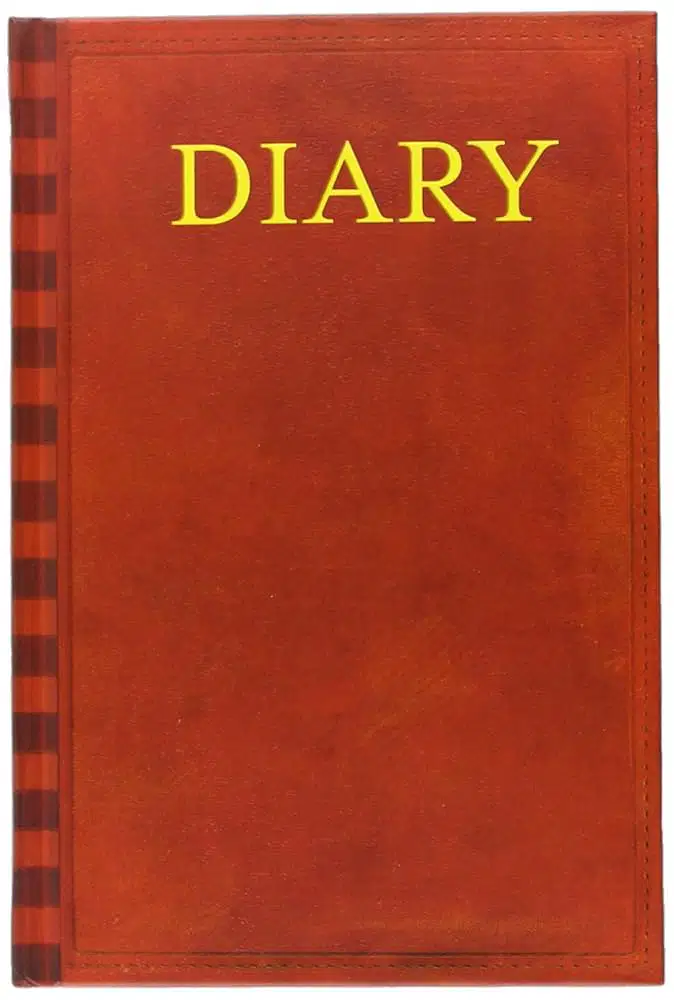
What is a primary source?
An artifact or piece of writing that was created by someone who witnessed or lived through a historical event.
A textbook written many years after the event occurred.
A movie based on historical events but made in modern times.
A a historical fiction book with a story inspired by real events.

What is a secondary source?
An artifact or writing created after an event by someone who did not see it or live during the time when it occurred.
A document written by a person who witnessed the event firsthand.
A physical object from the time period being studied.
A law or official record created during the event.

Fill in the blank: An ________ is a scientist who studies past human life by analyzing fossils and artifacts.
Archaeologist
Biologist
Geologist
Astronomer

Fill in the blank: An ________ is a scientist who studies the cultural development of humans.
Anthropologist
Geologist
Biologist
Astronomer

Fill in the blank: A Historian is _____________.
An expert of history, especially of a particular period
A scientist who studies plants
A person who writes fiction novels
An artist who paints landscapes

Fill in the blank: An Artifact is _____________.
An object made by humans from a past culture
A natural rock formation
A living organism
A type of weather phenomenon
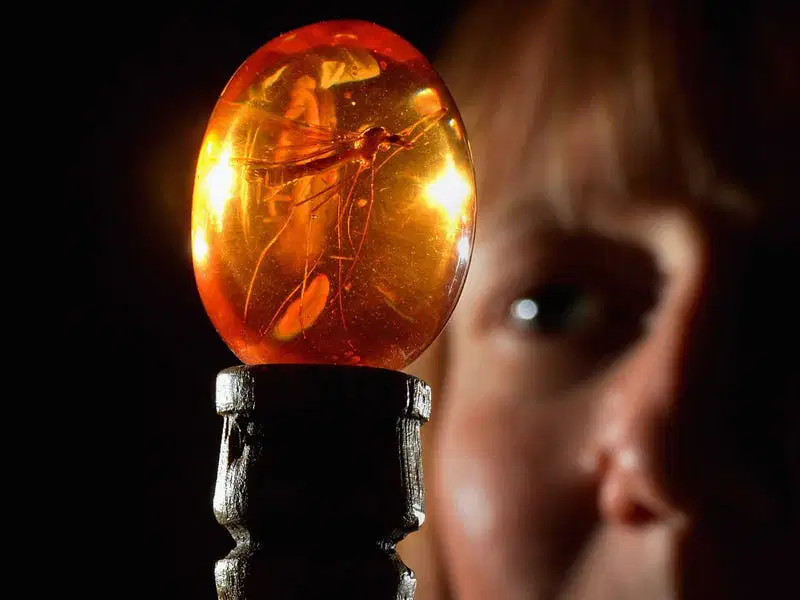
Fill in the blank: Fossil is ___________.
The remains of an organism that lived long ago
A type of living animal
A kind of mineral found in rocks
A modern plant species

Fill in the blank: Prehistory is ___________.
The time before the invention of writing
The period after the invention of the wheel
The era when humans first built cities
The time when written records were kept

What is the term for the following definition? The application of knowledge, tools, and inventions to meet people's needs.
Technology
Biology
Geography
Ecology
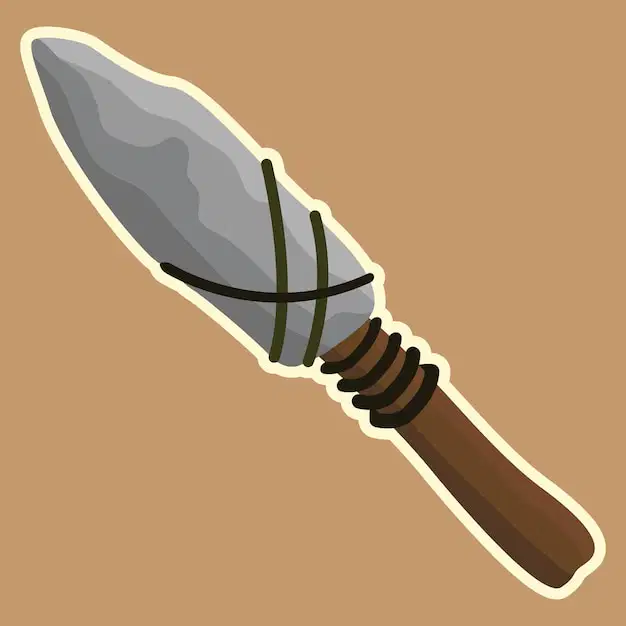
What is the term for the following definition? A period where people made simple tools out of stone.
Paleolithic
Neolithic
Bronze Age
Iron Age
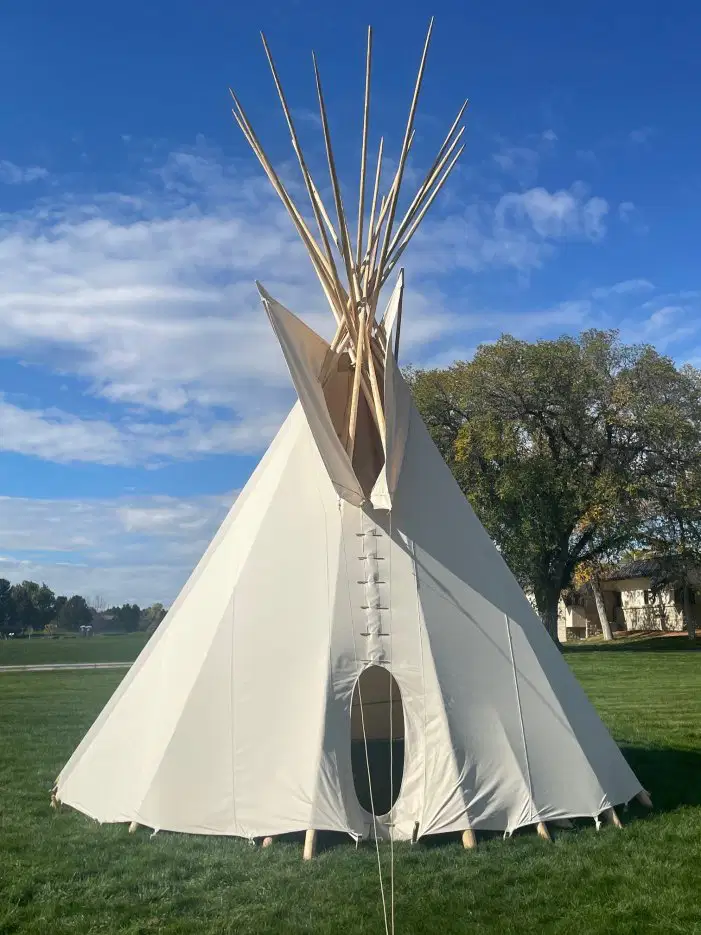
Fill in the blank: A Nomad is ___________.
People who move from place to place
A person who always stays in one place
A person who only lives in cities
Someone who never travels
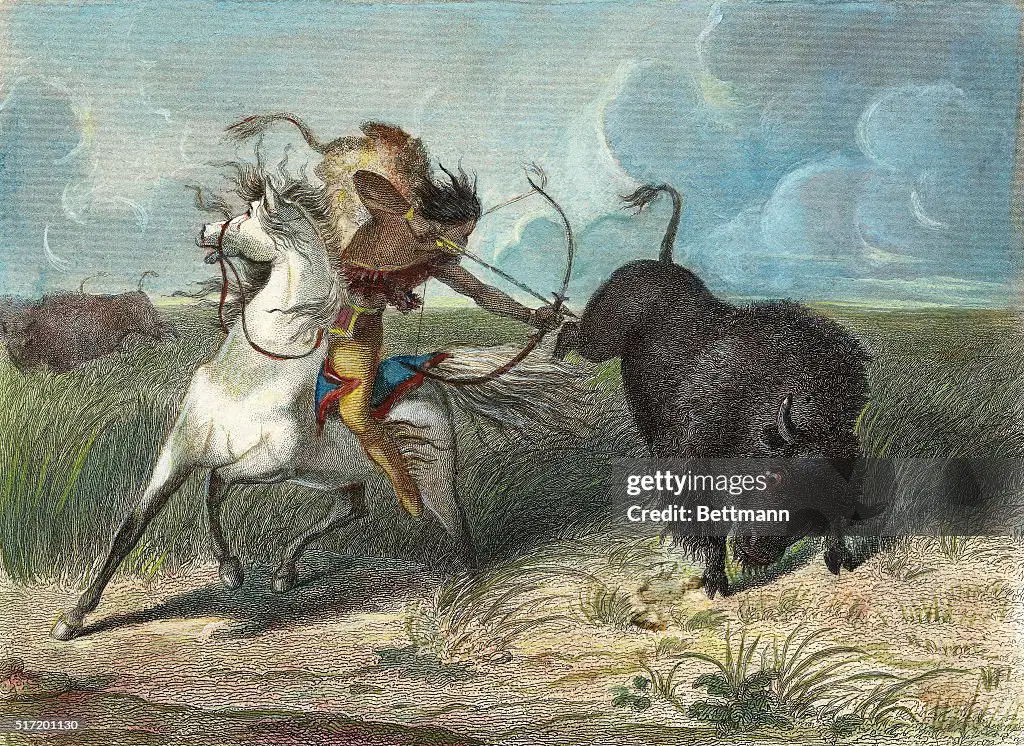
Fill in the blank: A Hunter-gatherer is ___________.
A human who hunts animals and gathers wild plants
A person who only farms crops
A person who lives in cities and works in offices
A person who builds machines for transportation
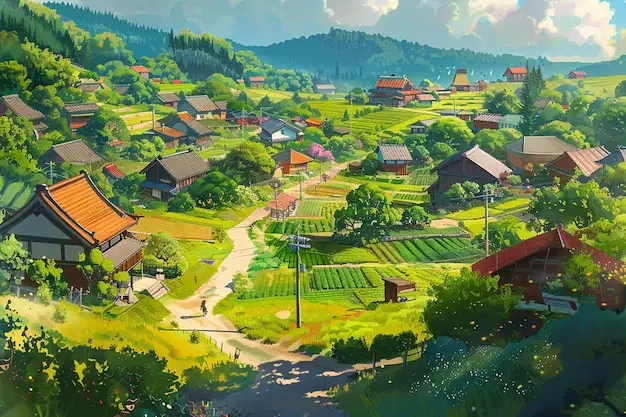
Fill in the blank: ________ is a period where people began to build farming villages.
Neolithic
Paleolithic
Bronze Age
Iron Age
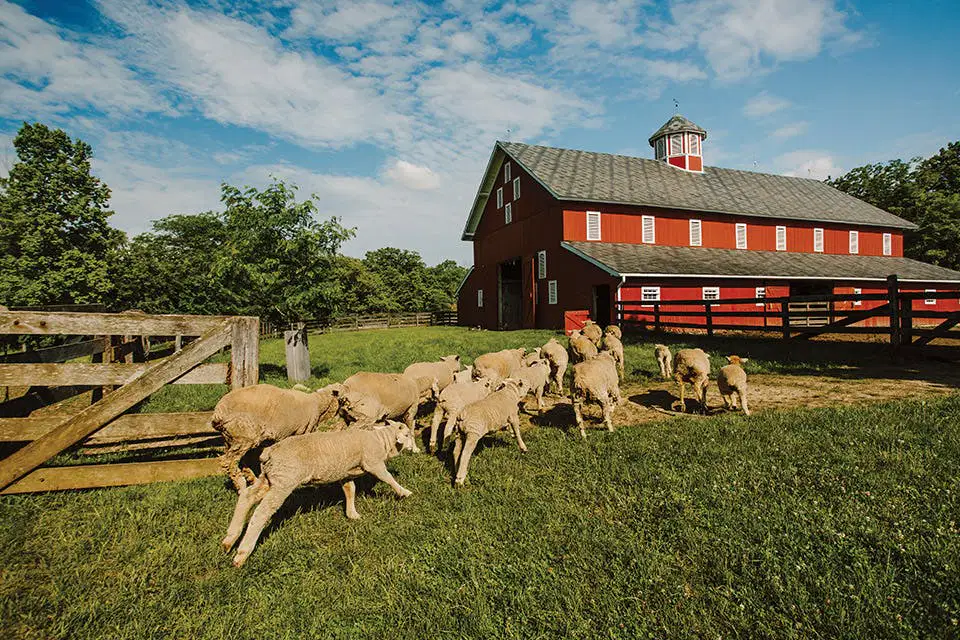
Fill in the blank: ________ is the practice of growing plants and rearing animals for food.
Agriculture
Mining
Manufacturing
Fishing

Which of the following is an example of a primary source?
Website
Diary
Textbook
Newspaper article

Which of the following is an example of a secondary source?
Photograph
Video
Textbook
Artifact

Fill in the blank: ________, photographs, videos, and artifacts are examples of primary sources.
Diaries
Textbooks
Encyclopedias
Novels

Fill in the blank: Websites, textbooks, and ________ are examples of secondary sources.
newspaper articles
autobiographies
personal diaries
original manuscripts
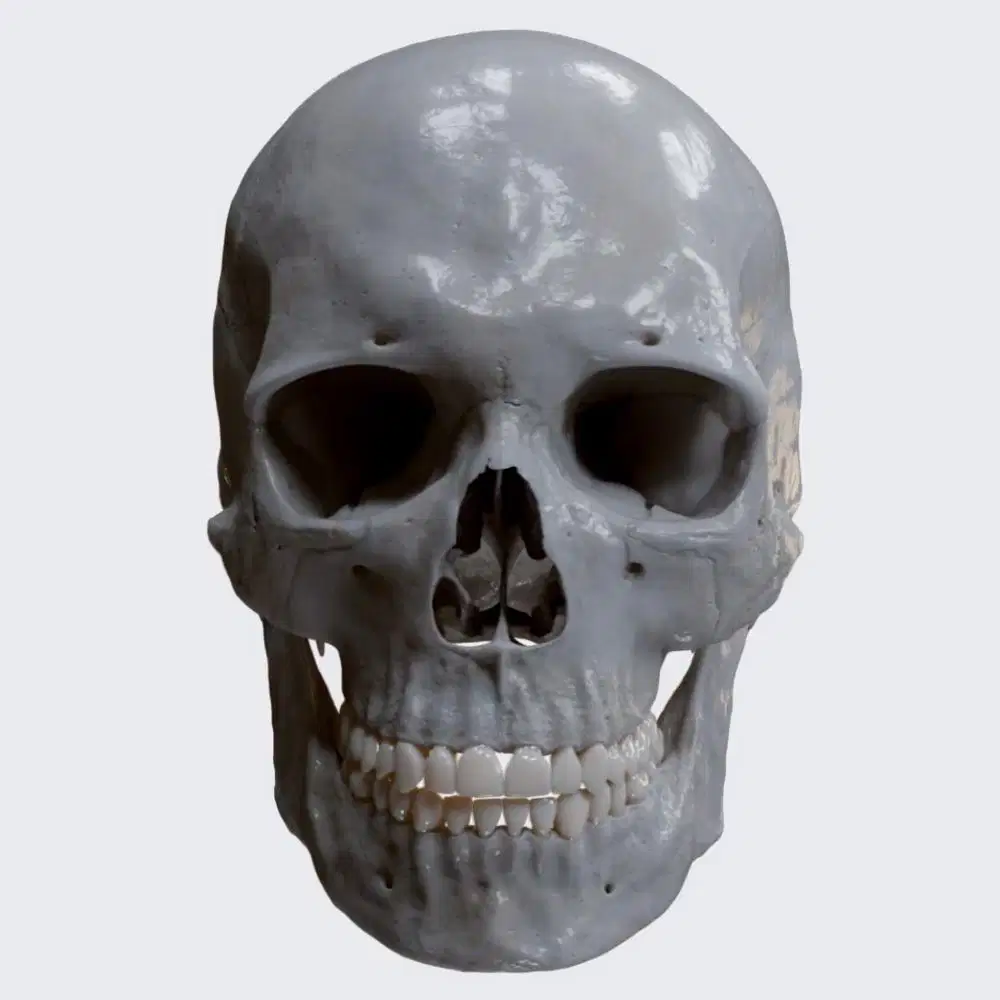
The difference between fossils and artifacts:
A fossil is the remains of an organism while an artifact was made by a human.
A fossil is made by humans while an artifact is a natural object.
Both fossils and artifacts are made by humans.
Artifacts are always found with fossils.
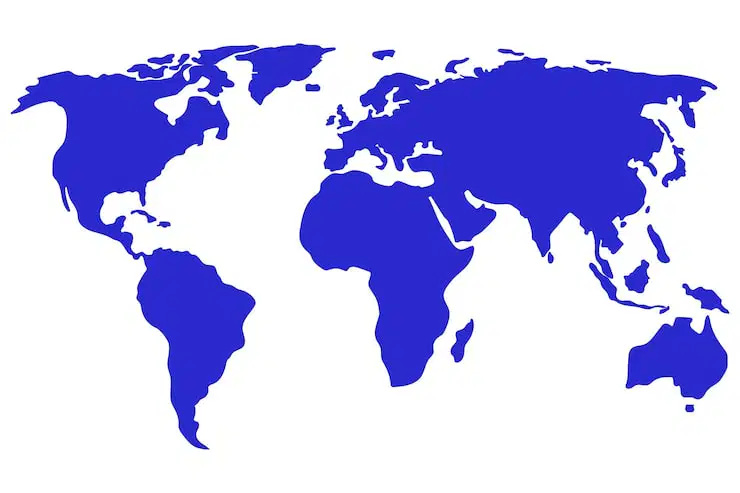
The continent Homo Sapiens first appeared on:
Africa
Asia
Europe
Australia

Why is art an important part of culture?
It shows creativity which separates humans from animals.
It is only used for decoration.
It is not related to human expression.
It is only important in modern times.

The material tools were made of during Paleolithic times:
Stone
Iron
Bronze
Plastic
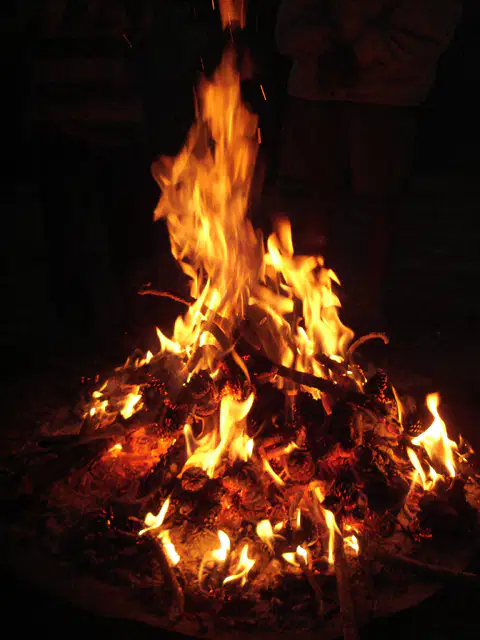
Why fire was valuable to Paleolithic people: ________
Provided warmth and light, scared away enemies and drove animals into traps, cooking meat made it easier to digest
It was used to build houses and create tools
It allowed them to communicate over long distances
It was used as currency for trading with other tribes

What humans lived as during the Paleolithic age: ________
Hunter-gatherers
Farmers
Merchants
Artisans
Why were hunter-gatherers nomadic?
Animal groups moved with the seasons
They preferred to live in cities
They had permanent homes
They disliked traveling
What does it mean to domesticate?
To raise plants and animals to make them useful to humans
To hunt wild animals for food
To build shelters for protection
To travel from place to place without settling
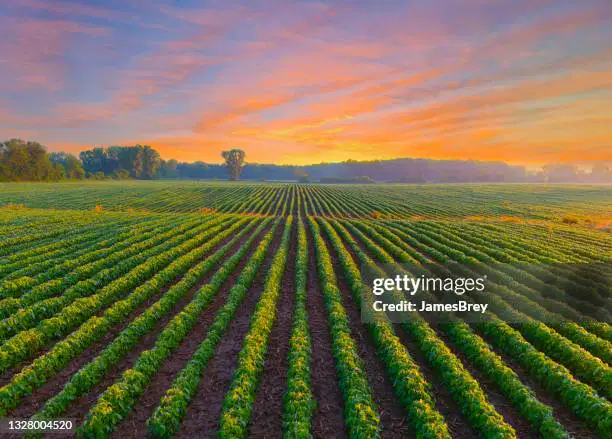
The name of the time period people began building farming villages: ________
The Neolithic Age
The Bronze Age
The Iron Age
The Paleolithic Age
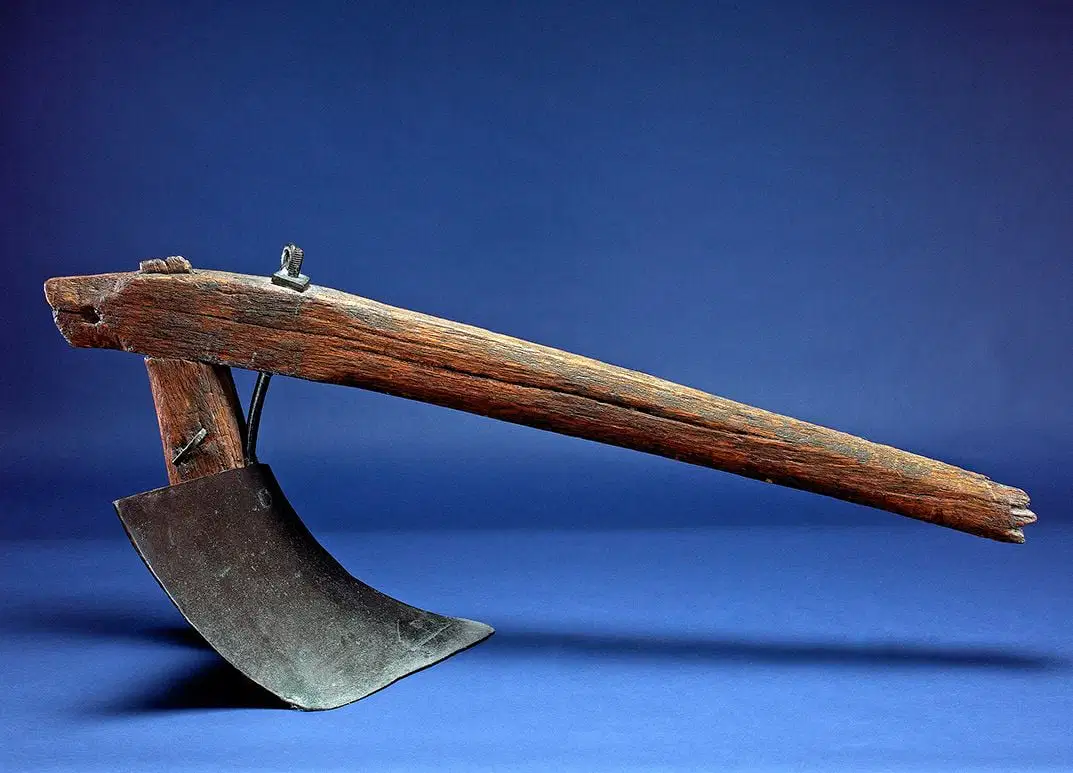
What farmers used to make their tools more efficient: ________
Domesticated animals
Wild plants
Stone carvings
River water
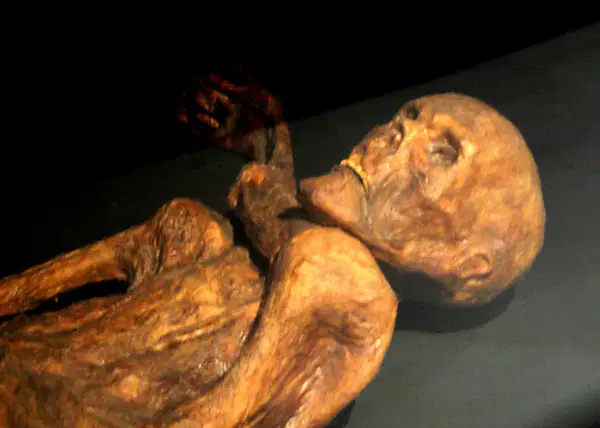
Why was the Iceman given the name "Otzi"?
That was the area of mountains where he was found.
It was the name of the scientist who discovered him.
It was the name of the village nearby.
It was the name of the glacier where he was found.
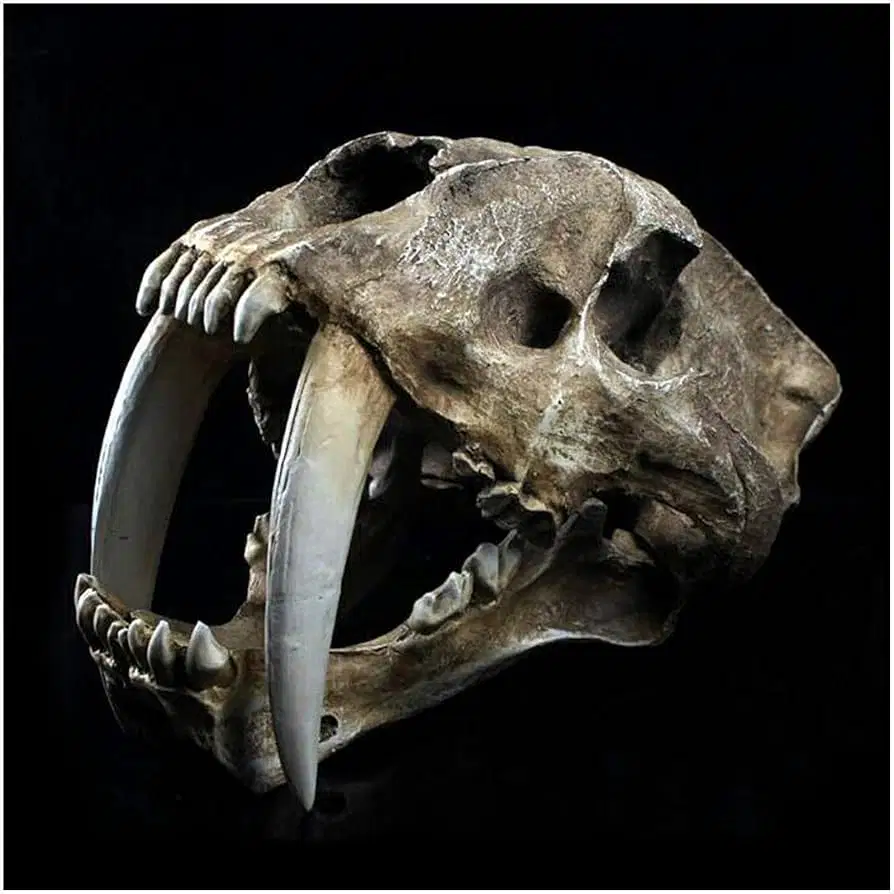
When You think of Paleolithic you should think of?
hunters and gatherers
farmers
dinosaurs

Neolithic Period is know for humans doing which of these things?
Farming
Hunthing
Gathering
Domesticate
Which 2 refer to the time before the year 0 or 1?
BC
CE
BCE
AD

Which 2 refer to time after the year 1?
BC
CE
BCE
AD

If you use BC to describe the time before the year 1, then you should use (a) to label the years after.

If you use CE to describe the time after the year 1, then you should use (a) to label the years before.

Which part of the map explains what the Map is about?
title
key
scale
compass rose
Which part of the map shows directions?
title
key
scale
compass rose
Which part of the map shows information that helps explain items on the map?
title
key
scale
compass rose

