
 Worksheets
Fire Safety Quiz
Total questions: 69
Worksheet time: 35mins
Which of the following is a common cause of fire related to electrical equipment?
Neglect or misuse of electrical equipment
Proper maintenance of electrical equipment
Regular inspection of electrical equipment
Use of energy-efficient electrical equipment
What is a potential fire hazard associated with smokers?
Careless disposal of smokers’ materials
Proper disposal of smokers’ materials
Use of smokeless tobacco products
Smoking in designated areas
Which activity involving children can lead to fire hazards?
Children playing with matches
Children playing with water
Children playing with toys
Children playing with sand
What is a deliberate act by people that can cause fires?
Arson
Recycling
Gardening
Painting
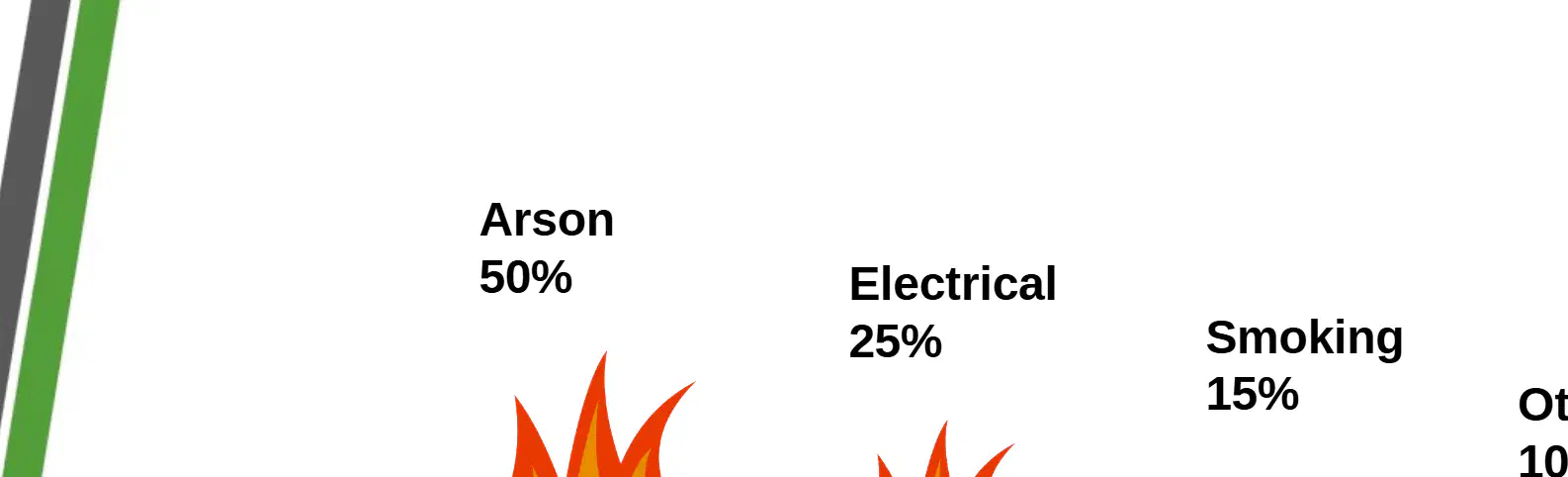
What is the most common cause of fire according to the diagram?
Electrical
Smoking
Arson
Other
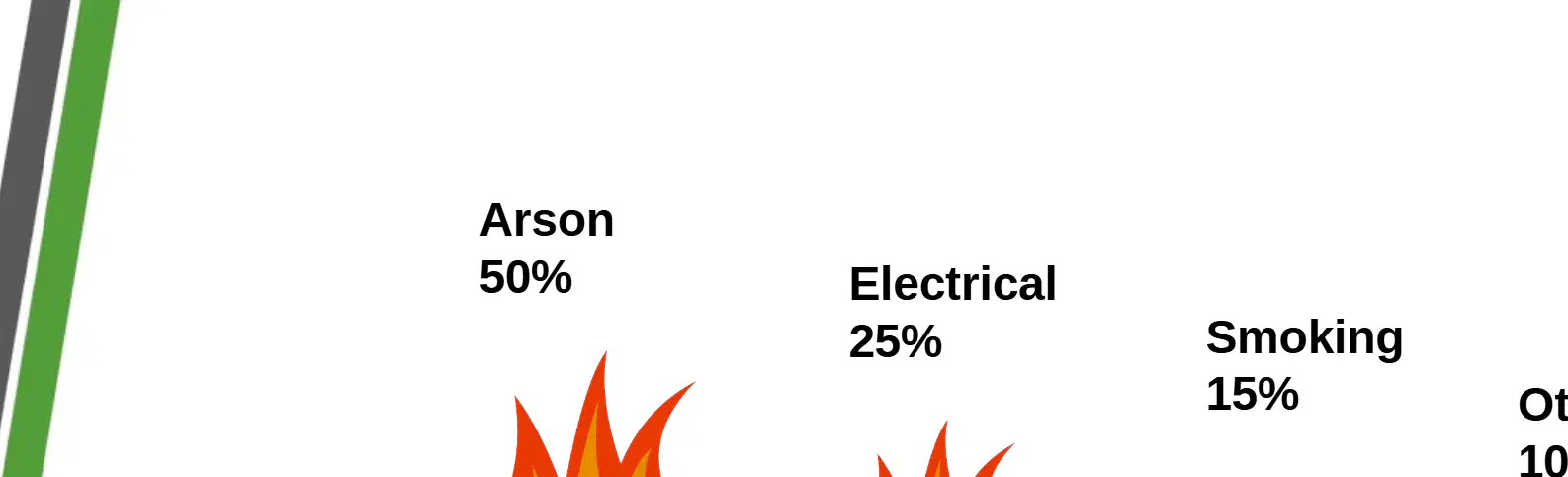
What percentage of fires are caused by electrical issues?
10%
25%
15%
50%
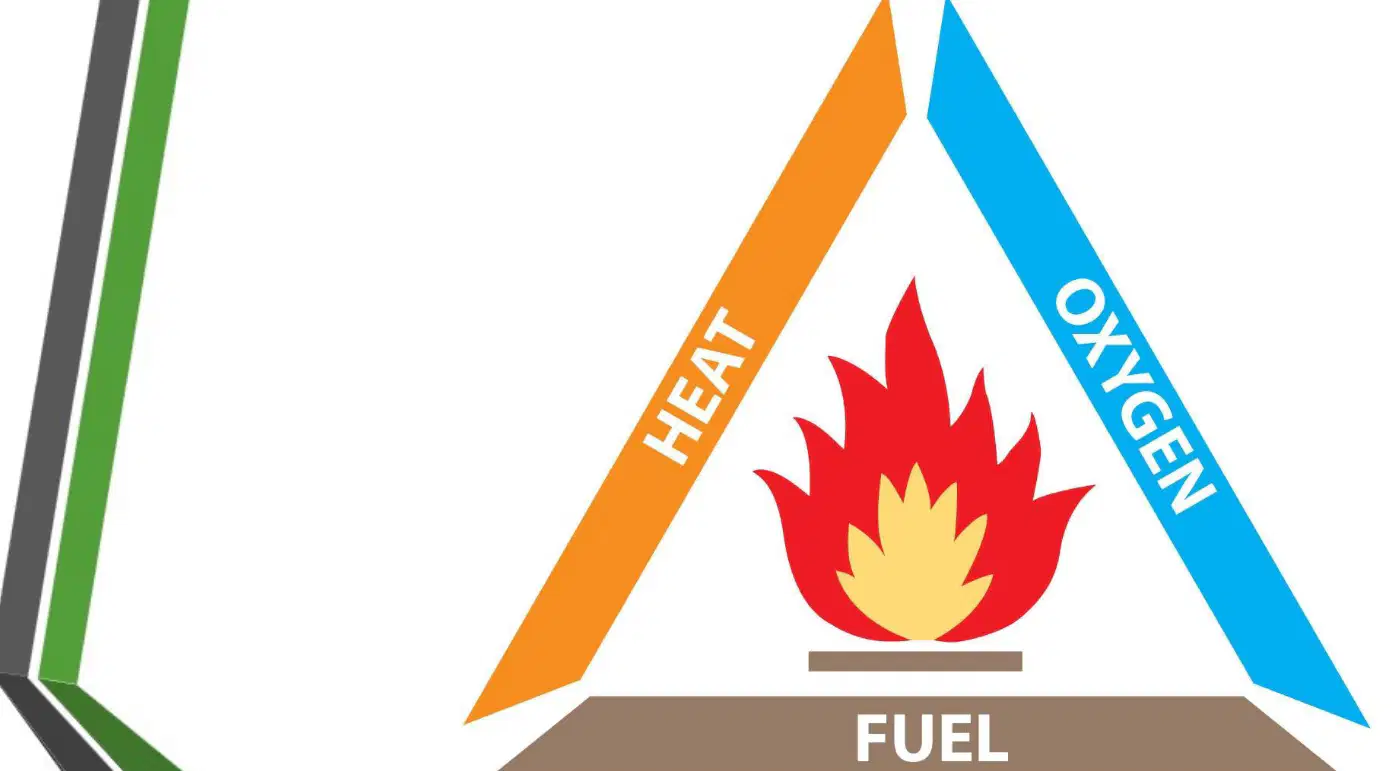
What are the three components of the fire triangle?
Heat, Water, Fuel
Heat, Oxygen, Fuel
Light, Oxygen, Fuel
Heat, Carbon Dioxide, Fuel
Which of the following is a source of heat/ignition in the fire triangle?
Wood
Lighter
Natural Gas
HVAC
What is one of the hazards that a fire can create?
Flooding
Smoke
Earthquake
Lightning
Which of the following is a result of fire that affects visibility?
Heat
Gaseous combustion products
Reduced visibility
Building collapse
What hazard caused by fire can lead to structural damage?
Reduced oxygen
Building collapse
Smoke
Heat
Which hazard from a fire can lead to suffocation?
Heat
Reduced oxygen
Smoke
Gaseous combustion products
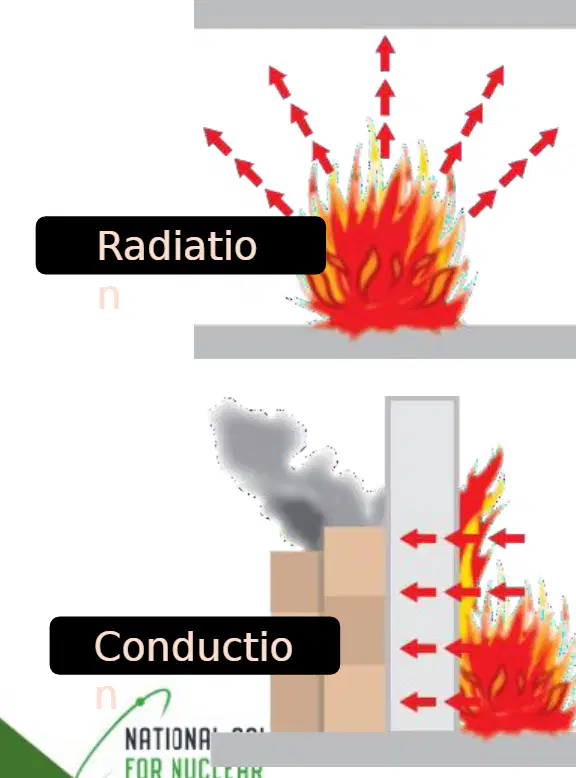
Which of the following is a method of fire spread involving the transfer of heat through electromagnetic waves?
Conduction
Convection
Radiation
Direct burn

What method of fire spread involves the movement of heat through a fluid, such as air or liquid?
Conduction
Convection
Radiation
Direct burn
Which method of fire spread involves direct contact with flames?
Conduction
Convection
Radiation
Direct burn
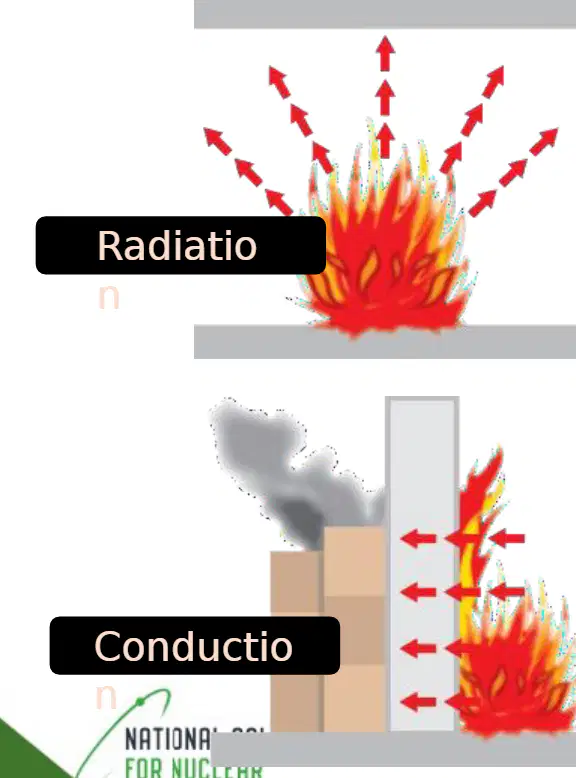
Which method of fire spread involves the transfer of heat through a solid material?
Conduction
Convection
Radiation
Direct burn
Which of the following is a recommended practice for fire prevention?
Store combustible products near ignition sources.
Keep electrical cables tidy and fully uncoiled if on a reel.
Allow dust and lint to accumulate.
Block access to fire extinguishers.
What should be done with waste to prevent fire hazards?
Remove waste regularly.
Store waste near ignition sources.
Allow waste to accumulate.
Dispose of waste only at the end of the month.
Why is it important to keep extinguishers, call points, and signage clear and accessible?
To make the area look tidy.
To ensure quick access in case of an emergency.
To prevent theft.
To comply with aesthetic standards.
What is a key aspect of good housekeeping for fire prevention?
Storing combustible products in large quantities.
Keeping combustible storage to a minimum.
Ignoring end-of-shift checks.
Blocking access to fire safety equipment.

Which of the following is a method of fire spread prevention?
Compartmentation
Ignition
Combustion
Conduction
What is the purpose of smoke control in fire spread prevention?
To enhance visibility and reduce smoke inhalation
To increase the spread of fire
To block fire exits
To increase oxygen levels
Which of the following is NOT a component of fire spread prevention?
Ventilation
Fire separation
Internal and external walls
Fuel accumulation

What type of fire extinguisher is represented by the color blue?
Foam
Dry Powder
CO2
Water

Which fire extinguisher type is associated with the color black?
CO2
Wet Chemical
Foam
Fire Blanket
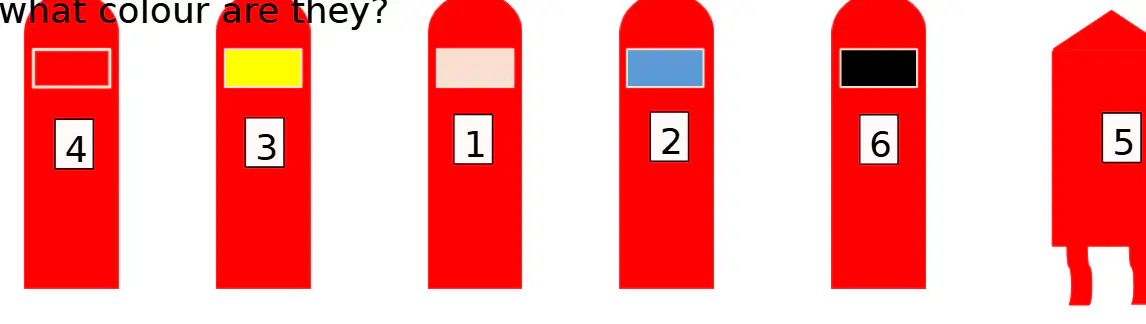
What is the color code for a Foam fire extinguisher?
Red
Yellow
Cream
Blue
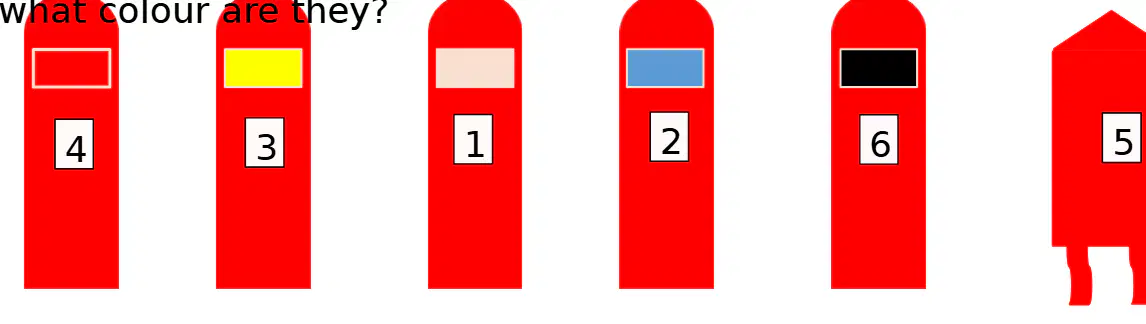
Which type of fire extinguisher is indicated by the color yellow?
Water
Wet Chemical
CO2
Dry Powder
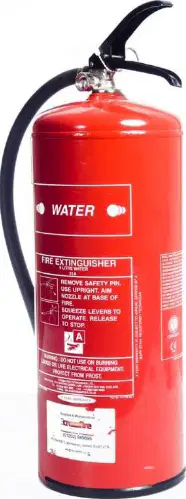
What type of band does a water fire extinguisher have?
Blue band
Red band
Yellow band
Green band
What is the primary function of water in a water fire extinguisher?
Absorbs smoke
Cools the burning materials
Smothers the fire
Increases oxygen supply
On which type of materials can you use a water fire extinguisher?
Electrical parts
Fats or oils
Solids like wood or paper
Flammable gases
Why should you never use a water fire extinguisher on electrical parts?
It can cause a chemical reaction
It can cause electrocution
It can extinguish the fire too quickly
It can cause the fire to spread
What is the risk of using a water fire extinguisher on fats or oils?
It can cause the fire to spread or explode
It can cool the fire too much
It can make the fire invisible
It can cause a chemical reaction
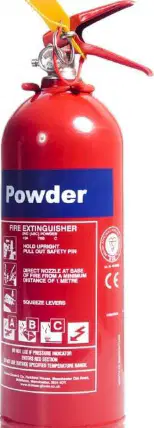
What type of band is associated with a multi-purpose dry powder extinguisher?
Red band
Blue band
Yellow band
Green band
What is the primary function of the powder in a multi-purpose dry powder extinguisher?
Cools the fire
Absorbs smoke
Knocks down the flames
Increases oxygen
Why should care be taken when using a multi-purpose dry powder extinguisher on burning oils or fat?
It can cause explosions
It may spread the burning oils or fat around
It is ineffective on oils
It can cause the extinguisher to overheat
What is a potential risk when using a multi-purpose dry powder extinguisher in confined areas?
The fire may reignite
The extinguisher may malfunction
The powder may become toxic
The flames may increase
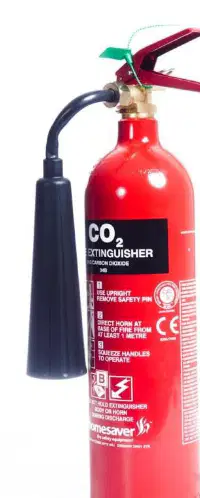
What type of band is associated with CO2 fire extinguishers?
Red band
Blue band
Black band
Yellow band
What does the non-flammable gas in a CO2 extinguisher do?
Increases oxygen
Displaces oxygen
Absorbs heat
Releases water
Why are CO2 extinguishers particularly good for electrical fires?
They cool the fire
They are inexpensive
There is no risk of electrocution
They are easy to use

What type of band does a foam fire extinguisher have?
Red band
Blue band
Cream band
Black band
What does the foam from a foam fire extinguisher do to burning liquids?
Cools them down
Forms a blanket over them
Absorbs them
Ignites them
On what type of fires is a foam fire extinguisher effective?
Electrical fires only
Metal fires only
Most fires
Gas fires only
What type of fires are Wet Chemical fire extinguishers specifically designed for?
Electrical fires
Fires involving combustible cooking media
Class B fires
Forest fires
What additional class rating do Wet Chemical fire extinguishers usually have?
Class B
Class C
Class A
Class D
How do Wet Chemical Extinguishers help in stopping the fire from spreading?
By increasing the temperature
By adding more oxygen
By cooling the fire and lowering the temperature
By spreading the fire
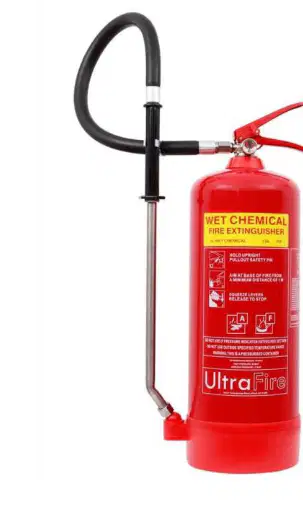
What role do potassium salts play in Wet Chemical Extinguishers?
They fuel the fire
They act as a barrier between the fat and oil
They increase the fire's intensity
They evaporate the oil
What is a fire blanket primarily used for?
To extinguish incipient fires
To keep warm in cold weather
To cover furniture
To decorate walls
What material are small fire blankets usually made of?
Cotton
Glass fiber
Plastic
Silk
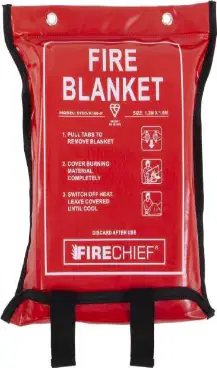
What is a characteristic of larger fire blankets used in laboratories?
Made of silk
Made of wool treated with flame retardant chemicals
Made of plastic
Made of cotton
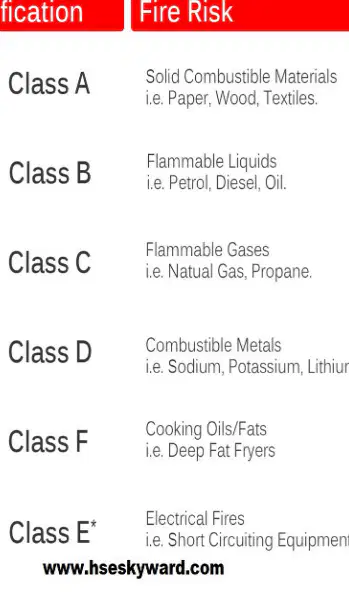
Which class of fire involves flammable liquids such as petrol and diesel?
Class A
Class B
Class C
Class D
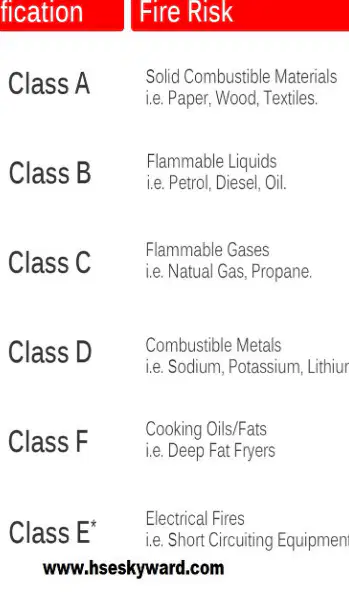
What type of materials are involved in Class A fires?
Flammable gases
Cooking oils
Solid combustible materials
Electrical equipment

Class D fires involve which type of materials?
Flammable liquids
Combustible metals
Free burning materials
Cooking fats
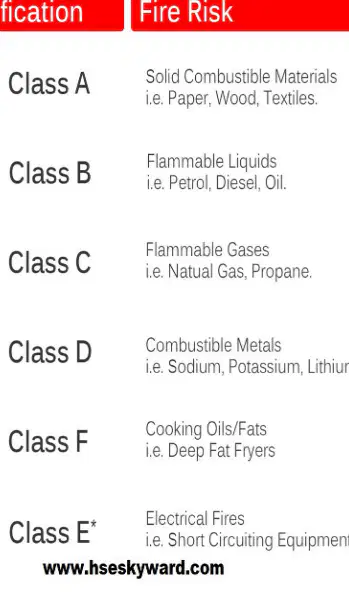
Which class of fire is associated with electrical equipment?
Class A
Class B
Class E
Class F
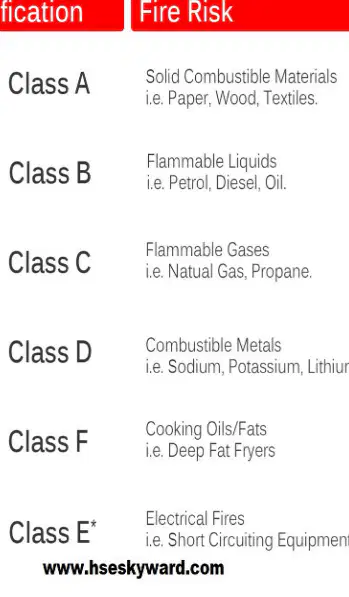
What is the fire risk associated with Class F?
Flammable gases
Cooking oils and fats
Solid combustible materials
Combustible metals

Which type of fire extinguisher is suitable for Class A fires involving organic materials like paper and coal?
Foam
CO2
Water
Wet Chemical

For which class of fire is a CO2 extinguisher NOT suitable?
Class B
Class C
Electrical
Class A
Which type of extinguisher is recommended for use in kitchens and canteens?
Foam
Wet Chemical
Dry Powder
Water
What type of fire extinguisher is suitable for flammable gases like butane and methane?
Dry Powder
Foam
Water
Wet Chemical
What is the first step in the PASS technique for using a fire extinguisher?
Aim
Squeeze
Pull
Sweep
What should you do before using a fire extinguisher?
Call the fire department
Ensure the fire alarm is raised and have a safe evacuation route
Pour water on the fire
Open all windows
What does the 'Aim' step in the PASS technique involve?
Pointing the nozzle at the top of the fire
Pointing the nozzle at the base of the fire
Pointing the nozzle at the side of the fire
Pointing the nozzle at the smoke
Why should you not touch the horn on a CO2 extinguisher?
It is very hot
It is very cold and can damage the skin
It is very sharp
It is very fragile
What should all employees participate in at least twice per year according to the evacuation and fire procedures?
Fire safety training
Fire evacuation drills
Emergency service calls
Firefighting equipment checks
Which of the following is NOT mentioned as part of the evacuation and fire procedures?
How to raise the fire alarm
How to call the Emergency Services
How to operate firefighting equipment
The location of the Fire Assembly Points

What is one of the key actions to take when discovering a fire?
Use the nearest lift
Sound the alarm
Ignore the fire
Wait for instructions

What is the first step to take in case of a fire according to the evacuation and fire procedures?
Call the Fire Service (999 or 112)
Raise the alarm - yell to warn others
Evacuate by the nearest safe route
Attempt to fight the fire only if it is safe to do so
Which number should you call for the Fire Service in an emergency?
911
999 or 112
101
123
When should you attempt to fight the fire?
As soon as you see the fire
Only if it is safe to do so
After calling the Fire Service
Before evacuating
What should you do after operating the nearest Call Point?
Return to your seat
Call the Fire Service
Evacuate by the nearest safe route
Wait for instructions

