
 Worksheets
Timeline and Organizations
Total questions: 29
Worksheet time: 15mins
What was the main requirement of the Pure Food and Drug Act of 1906?
To regulate the importation of opium
To ensure foods and drugs meet a standard of strength and purity
To define adulteration and misbranding
To authorize the FDA to remove unsafe products
What did the Federal Hazardous Substances Act of 1960 require regarding household products?
Required child-proof packaging
Required labeling with caution about potential hazards
Required a physician’s order to dispense legend drugs
Required the safety and efficacy of products before FDA approval
Which act required medications and devices to be placed in tamper-proof packaging?
Orphan Drug Act
Federal Anti-Tampering Act
Anabolic Steroids Control Act
Dietary Supplement Health and Education Act
Which change in the law required a pharmacist to offer medication counseling?
the Drug Listing Act (1972)
the Orphan Drug Act (1983)
the Omnibus Budget Reconciliation Act (1990)
the Dietary Supplement Health and Education Act (1994)
What was the primary purpose of the Health Insurance Portability and Accountability Act of 1996 (HIPAA)?
To regulate the sale of dietary supplements
To protect health insurance coverage when someone loses their job
To allow prescribers to treat opioid addiction
To change prescription requirements to Rx only
Which act allowed prescribers to obtain a waiver to prescribe controlled substances for opioid addiction treatment?
FDA Modernization Act
Drug Listing Act
Drug Addiction Treatment Act
Medicare Modernization Act
What is the maximum amount of pseudoephedrine sales allowed per day according to the regulations?
3.6 grams
5 grams
7 grams
9 grams
Which act was introduced to improve patient safety by encouraging voluntary and confidential reporting of adverse events?
Family Smoking Prevention and Tobacco Control Act
Drug Supply Chain Security Act
Patient Safety and Quality Improvement Act of 2005
Controlled Substances Act
What is one of the requirements of the Family Smoking Prevention and Tobacco Control Act?
Increase tobacco marketing to youth
Remove warning labels from tobacco products
Restrict tobacco marketing and sales to youth
Allow unlimited sales of tobacco products
Which law allowed prescribers to obtain a waiver to prescribe controlled substances to treat opioid addiction?
the Drug Addiction Treatment Act (2000)
the Combat Methamphetamine Epidemic Act (2005)
the Patient Safety and Quality Act of 2005 (2005)
the Drug Supply Chain Security Act (DSCSA) (2013)
Which change in the law regulates the retail sales of pseudoephedrine?
the Drug Addiction Treatment Act (2000)
the Combat Methamphetamine Epidemic Act (2005)
the Patient Safety and Quality Act of 2005 (2005)
the Drug Supply Chain Security Act (DSCSA) (2013)
What is the primary mission of The Joint Commission?
To regulate health insurance policies
To improve health care for the public by evaluating health-care organizations
To provide financial aid to hospitals
To develop new medical technologies
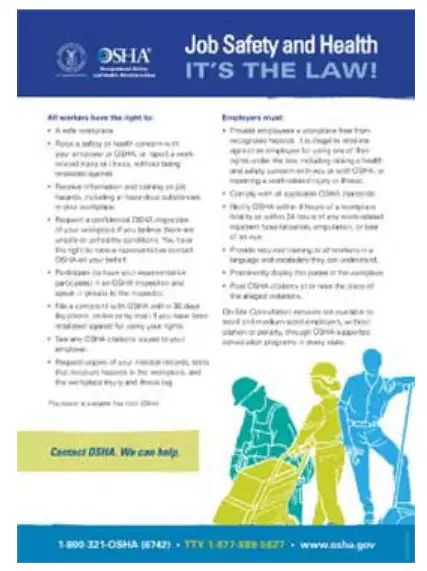
What does OSHA require all covered employers to display?
A list of employee rights
A Job Safety and Health: It’s the Law poster
A certificate of compliance
A health insurance policy
What is the primary responsibility of the Food and Drug Administration (FDA)?
To promote the sale of medical devices
To ensure the safety and efficacy of drugs and medical products
To manufacture drugs and cosmetics
To provide healthcare services
Which of the following is NOT a responsibility of the FDA?
Regulating the distribution of tobacco products
Approving New Drug Applications
Manufacturing drugs
Monitoring drugs after they are on the market
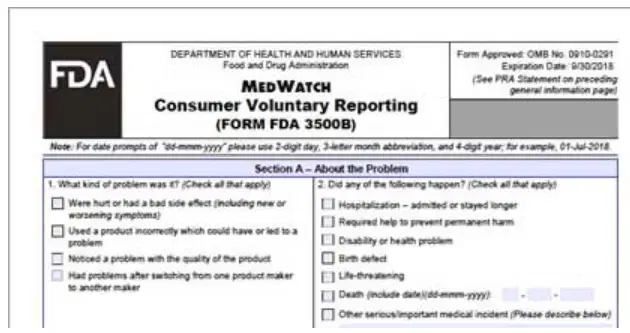
What is the purpose of the FDA's MedWatch program?
To track and report adverse events associated with drugs
To provide financial assistance for medications
To approve new medications for the market
To conduct clinical trials for new drugs
What is a black box warning?
A warning about potential serious side effects of a medication
A label indicating the medication is over-the-counter
A certification of the medication's effectiveness
A notice that the medication is under review
What is the mission of the Drug Enforcement Administration (DEA)?
To enforce controlled substances laws and regulations in the United States
To approve new medications for public use
To provide healthcare services to underprivileged communities
To conduct research on new drug therapies
What is the primary purpose of a State Board of Pharmacy?
To create federal pharmacy laws
To promote, preserve, and protect public health, safety, and welfare
To manage pharmaceutical companies
To oversee international pharmacy practices
What is the focus of the United States Pharmacopeia (USP)?
Regulating pharmacy technician practices
Building trust in the supply of safe, quality medicines
Monitoring advertising of food products
Establishing state-specific pharmacy regulations
Which agency reviews and approves new drug applications?
the Joint Commission
the Occupational Safety and Health Administration
the Food and Drug Administration
the Drug Enforcement Administration
Which agency determines the placement of drugs in the controlled substance schedules?
the Joint Commission
the Occupational Safety and Health Administration
the Food and Drug Administration
the Drug Enforcement Administration
According to the Code of Ethics, when can a pharmacy technician disclose a patient's records?
Whenever they feel it is necessary
Only with proper authorization
To any healthcare professional
To family members of the patient
What is the role of a pharmacy technician in the distribution of medication according to the Code of Ethics?
To assist in dispensing any medication available
To promote medications regardless of quality
To never assist in distributing medications that do not meet legal standards
To distribute medications based on personal judgment
Which organization has a code of ethics for pharmacy technicians?
National Pharmacy Technician Association
National Association of Boards of Pharmacy
American Association of Pharmacy Technicians
American Society of Health-System Pharmacists
What role does the American Society of Health-System Pharmacists (ASHP) play for pharmacy technicians?
Provides patient care in community pharmacies
Offers advanced practice trainings and education
Regulates pharmacy technician certification
Develops new pharmaceutical drugs
Why is it important for pharmacy technicians to understand federal laws affecting pharmacy practice?
To ensure they are followed when working
To develop new medications
To increase sales in pharmacies
To manage pharmacy finances
How do advisory organizations impact the practice of pharmacy?
By providing financial support
By setting standards that must or should be met
By hiring pharmacists
By selling medications
Why must federal laws evolve in relation to pharmacy practice and medication regulations?
To reduce the cost of medications
To keep up with medical advancements and ensure safety
To increase the number of pharmacies
To simplify the process of drug approval

