
 Worksheets
Matter (TEKS 4.6) Review
Total questions: 26
Worksheet time: 16mins
Mixtures can be identified and compared. What do ALL mixtures have in common?
They are a combination of substances that give off a solid.
They are any type of matter that can change its shape.
They are any type of liquid that evaporates when heat is added.
They are a combination of two or more substances that keep their identities.
Lanie uses a balance to measure the mass of some mixtures. The mass of sand is 5 g, pebbles are 10 g, and a water is 5 g. She then makes a mixture using 4 of each type of material. If she measures the mass of the mixture, what would it MOST LIKELY be? (4 times)
20g
80g
15g
100g
Arika is making mixtures and she wants to compare them and classify the mixtures that are solutions. How can these mixtures be classified? Write the letter of each solution in the correct box. Not all answers will be used. Remember the definition of a solution
What is mud?
Liquid + Liquid Solution
Solid+liquid Solution
None
Arika is making mixtures and she wants to compare them and classify the mixtures that are solutions. How can these mixtures be classified? Write the letter of each solution in the correct box. Not all answers will be used.
What is Saltwater?
Liquid + Liquid Solution
Solid+liquid Solution
none
Arika is making mixtures and she wants to compare them and classify the mixtures that are solutions. How can these mixtures be classified? Write the letter of each solution in the correct box. Not all answers will be used. Remember the definition of a solution
What is Milk and Cereal?
Liquid + Liquid Solution
Solid+liquid Solution
none
Arika is making mixtures and she wants to compare them and classify the mixtures that are solutions. How can these mixtures be classified? Write the letter of each solution in the correct box. Not all answers will be used.
What is vinegar and water?
Liquid + Liquid Solution
Solid+liquid Solution
none
Arika is making mixtures and she wants to compare them and classify the mixtures that are solutions. How can these mixtures be classified? Write the letter of each solution in the correct box. Not all answers will be used.
What is mouthwash?
Liquid + Liquid Solution
Solid+liquid Solution
none

Jessie walks into the kitchen. How can she classify the states of matter that she sees in her kitchen? Note that some images have arrows to point out specific states of matter. (milk)
Solid
Liquid
Gas
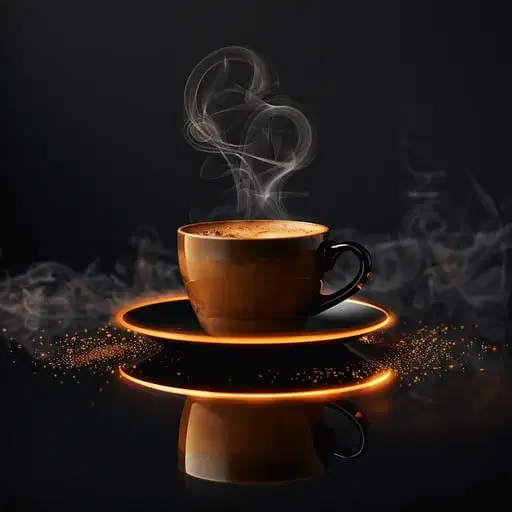
Jessie walks into the kitchen. How can she classify the states of matter that she sees in her kitchen? Note that some images have arrows to point out specific states of matter. (steam)
Solid
Liquid
Gas

Jessie walks into the kitchen. How can she classify the states of matter that she sees in her kitchen? Note that some images have arrows to point out specific states of matter. (ice cream)
Solid
Liquid
Gas

Jessie walks into the kitchen. How can she classify the states of matter that she sees in her kitchen? Note that some images have arrows to point out specific states of matter. (banana)
Solid
Liquid
Gas
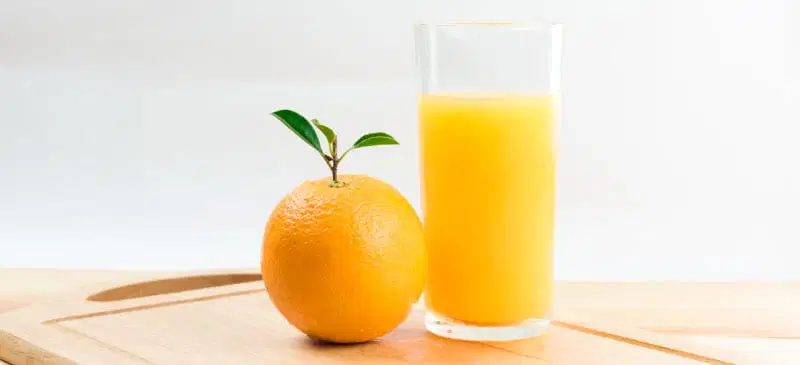
Jessie walks into the kitchen. How can she classify the states of matter that she sees in her kitchen? Note that some images have arrows to point out specific states of matter. (orange juice)
Solid
Liquid
Gas
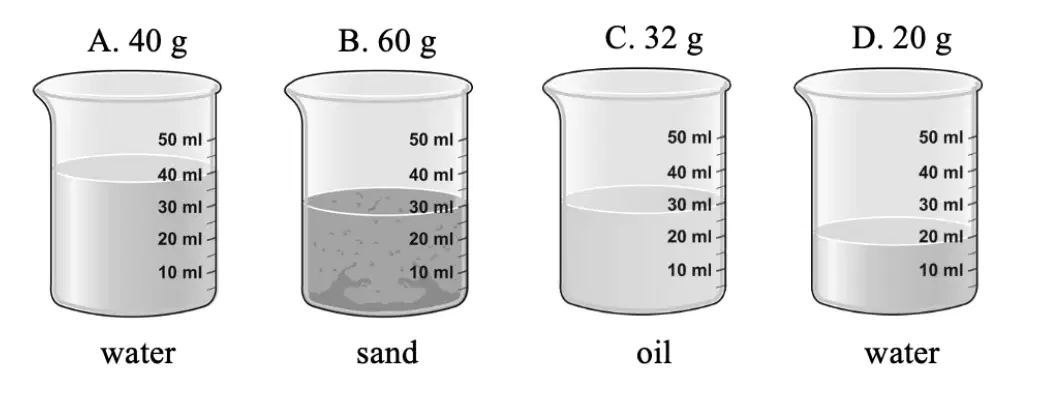
Mark mixes Sample A and Sample B together in a clean 100 mL beaker to collect measurements as evidence.
Part A -What will be the mass of the mixture?
10 g
30 g
100 g
52 g
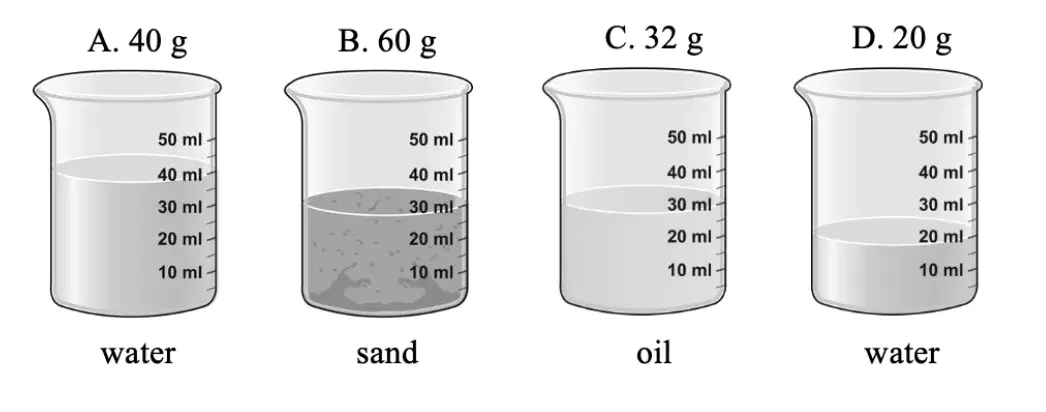
Mark is making mixtures to demonstrate the conservation of matter. The pictures show the samples he is using to make the mixtures and the measurements of each sample in his investigation.
Part B.-Which statement BEST supports the answer to Part A?
The oil and water will expand to fill the beaker so that matter will be conserved.
The total mass of a mixture of oil and water will be the mass of the oil less the mass of the water.
Water will fill the spaces in between the oil particles to conserve matter and the mass will be the same as that of the oil.
The total mass of a mixture of sand and water will be the sum of the mass of the sand and the mass of the water because matter is conserved.
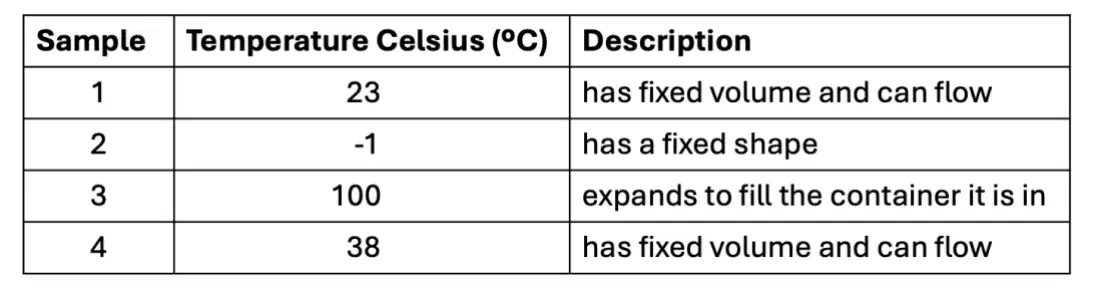
Nick is investigating properties of water. He uses a thermometer to measure four samples of matter. Nick also describes each sample of matter. He lists the results in the table below. Which sample is solid, which is liquid, and which is a gas?
Gas: Sample 3
Solid: Sample 2
Liquid: Sample 1 and 4 (both are liquid)
Gas :Sample 2
Solid: Sample 3
Liquid: Sample 1 and 4 (both are liquid)
Gas: Sample 1
Solid: Sample 4
Liquid: Sample 2 or 3 (both are liquids)
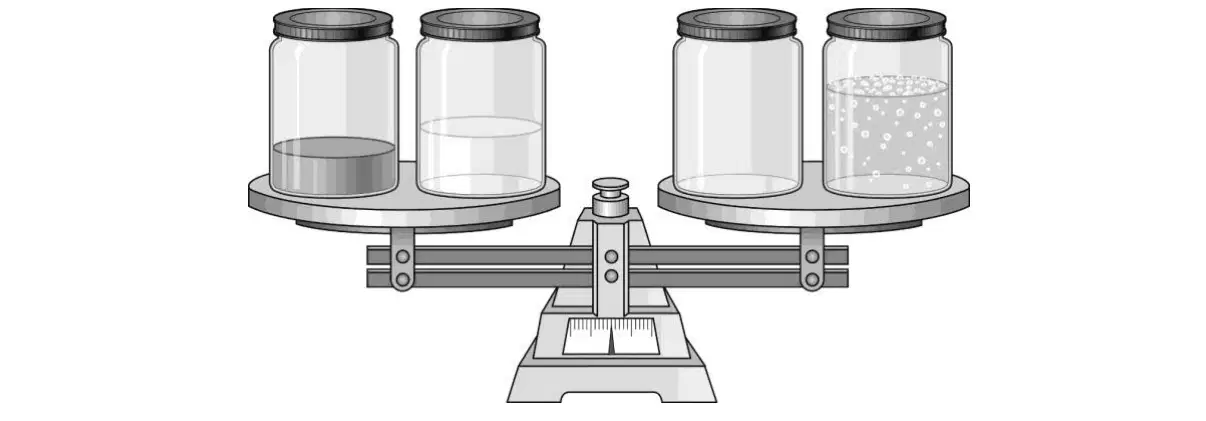
Charlie measured 100 grams of soap and 75 grams of water into two jars. Then she poured 100 grams of soap into a jar with 75 grams of water, closed the jar, and shook it up, making bubbles. She measured the mixture of soapy water. Charlie drew this model to show her classmates what she observed. Which statements about Charlie’s model are evidence that matter was conserved? (Choose all that apply)
Her model shows that soap weighs more than water
Her model shows that the soap bubbles weigh more than the water.
Her model shows that shaking the mixture/solution does not change its mass.
Her model shows that the mass of the soap and water is equal to the mass of the mixture/solution.
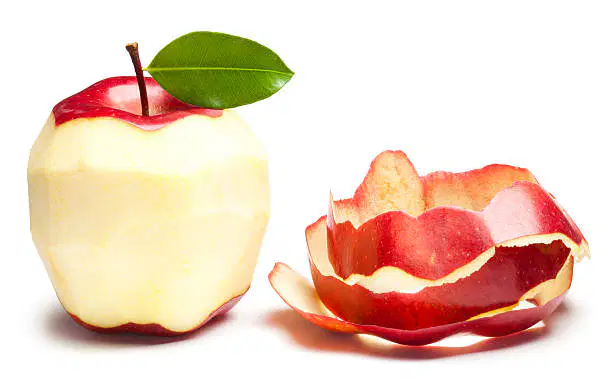
Kevin and Mike both agree that a whole apple will have more mass than the apple after it is peeled. Mike thinks the peeled apple and the apple peel will have the same mass as the whole apple. Kevin thinks the peeled apple and the apple peel will have less mass than the whole apple. They performed an investigation to test their ideas. What were the MOST LIKELY results of their investigation? Choose the letter of ONE correct answer. What were the MOST LIKELY results of their investigation?
Kevin and Mike peeled an apple. The peeled apple looks __________ the whole apple.
the same as
much bigger than
much smaller than
a different color from
Kevin and Mike both agree that a whole apple will have more mass than the apple after it is peeled. Mike thinks the peeled apple and the apple peel will have the same mass as the whole apple. Kevin thinks the peeled apple and the apple peel will have less mass than the whole apple. They performed an investigation to test their ideas. What were the MOST LIKELY results of their investigation? Choose the letter of ONE correct answer. What were the MOST LIKELY results of their investigation?
Kevin and Mike peeled an apple. This is a __________ change
chemical
physical
Kevin and Mike both agree that a whole apple will have more mass than the apple after it is peeled. Mike thinks the peeled apple and the apple peel will have the same mass as the whole apple. Kevin thinks the peeled apple and the apple peel will have less mass than the whole apple. They performed an investigation to test their ideas. What were the MOST LIKELY results of their investigation? Choose the letter of ONE correct answer. What were the MOST LIKELY results of their investigation?
Kevin and Mike peeled an apple. The mass of the whole apple will be _____________ the mass of the peled apple plus the apple peel.
the same as
much bigger than
much smaller than
a different color from
physical
Kevin and Mike both agree that a whole apple will have more mass than the apple after it is peeled. Mike thinks the peeled apple and the apple peel will have the same mass as the whole apple. Kevin thinks the peeled apple and the apple peel will have less mass than the whole apple. They performed an investigation to test their ideas. What were the MOST LIKELY results of their investigation? Choose the letter of ONE correct answer. What were the MOST LIKELY results of their investigation?
Kevin and Mike peeled an apple. The whole apple and the peeled apple plus the peel weighs the same because of the conservation of___________.
matter
much bigger than
much smaller than
a different color from
physical
Carlos is making mixtures of liquids and solids in the lab. How can he use tools to measure and compare the mixtures? Write the letter of ONE correct answer in each box. Not all answers will be used.
graduated cylinder
magnifying glass
scale
magnet
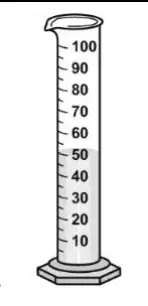
Connie is making mixtures of liquids and solids in the lab. How can she use tools to measure and compare the mixtures? Choose ONE correct answer in each box. Not all answers will be used.
measuring the volume of a liquid
examining the properties of mixtures up close
measuring the mass of the solid objects before and after mixing
identifying magnetic substances before and after mixing
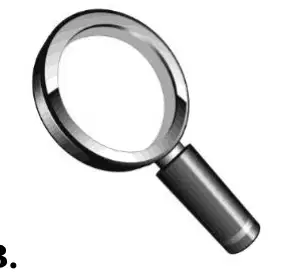
Connie is making mixtures of liquids and solids in the lab. How can she use tools to measure and compare the mixtures? Choose ONE correct answer in each box. Not all answers will be used.
measuring the volume of a liquid
examining the properties of mixtures up close
measuring the mass of the solid objects before and after mixing
identifying magnetic substances before and after mixing
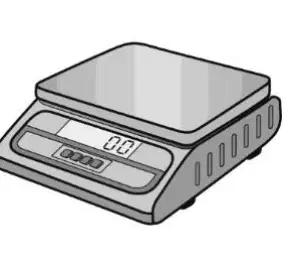
Connie is making mixtures of liquids and solids in the lab. How can she use tools to measure and compare the mixtures? Choose ONE correct answer in each box. Not all answers will be used.
measuring the volume of a liquid
examining the properties of mixtures up close
measuring the mass of the solid objects before and after mixing
identifying magnetic substances before and after mixing
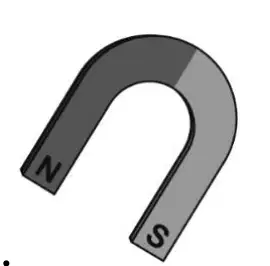
Connie is making mixtures of liquids and solids in the lab. How can she use tools to measure and compare the mixtures? Choose ONE correct answer in each box. Not all answers will be used.
measuring the volume of a liquid
examining the properties of mixtures up close
measuring the mass of the solid objects before and after mixing
identifying magnetic substances before and after mixing
Rhonda has two mixtures. Mixture A is sugar and water, and Mixture B is soil and water. What are the states of matter of the substances used in each mixture AND how are Rhonda’s two mixtures different from one another once they are combined? (2 answers- at least 2 sentences)

