
 Worksheets
Reviewer: The Byzantine Empire
Total questions: 45
Worksheet time: 23mins
Name
Class
Date
1.
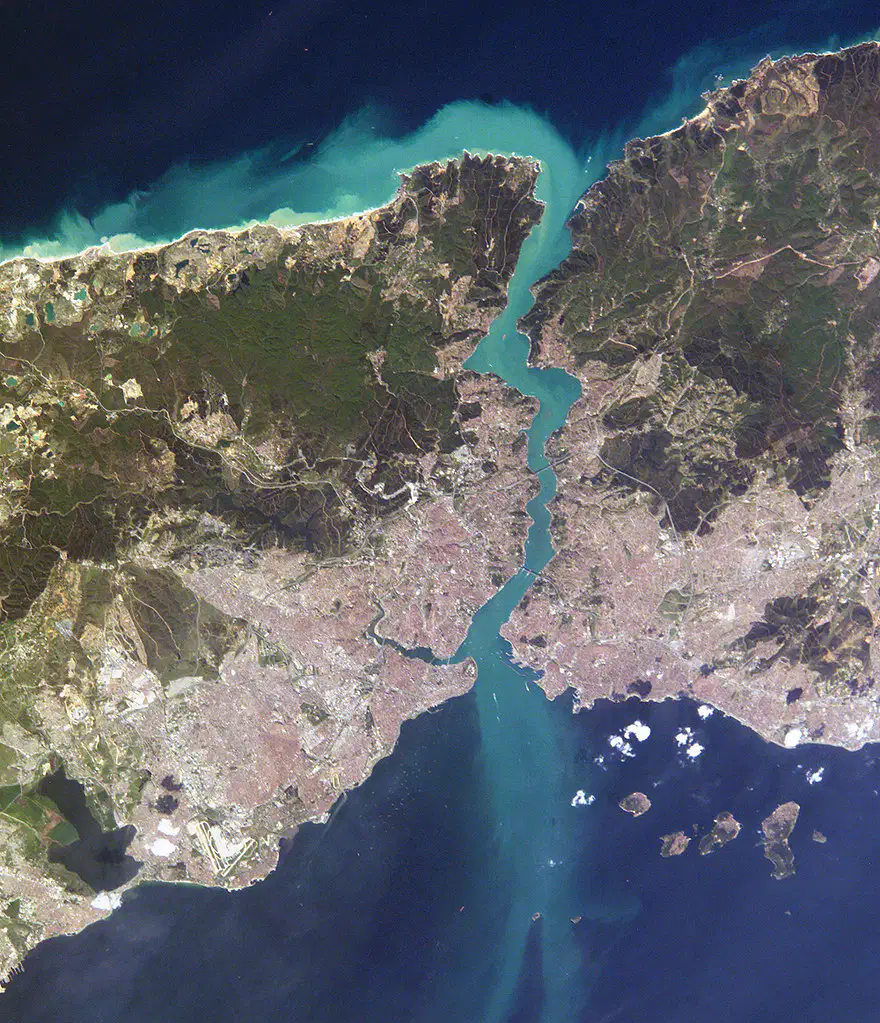
On what body of water was Constantinople located?
a)
the Red Sea
b)
the Bosporus
c)
the Atlantic
d)
the Pacific
2.

The Byzantine empire began in what year?
a)
278 BC
b)
330 CE
c)
476 AD
d)
1923 AD
3.

What is the name of the new capital of the Roman Empire (Byzantine)
a)
Rome
b)
Constantinople
c)
Istanbul
d)
Barcelona
4.
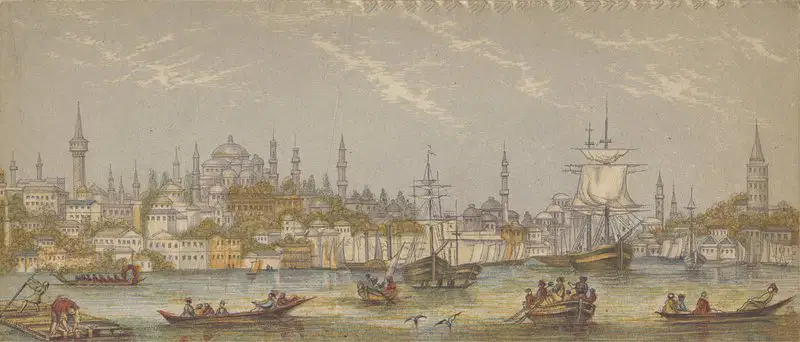
During the middle ages, the city of Constantinople was
a)
the largest city in the world
b)
protected by high mountains and deserts
c)
the holiest city to Christians
d)
the home of the Pope
5.
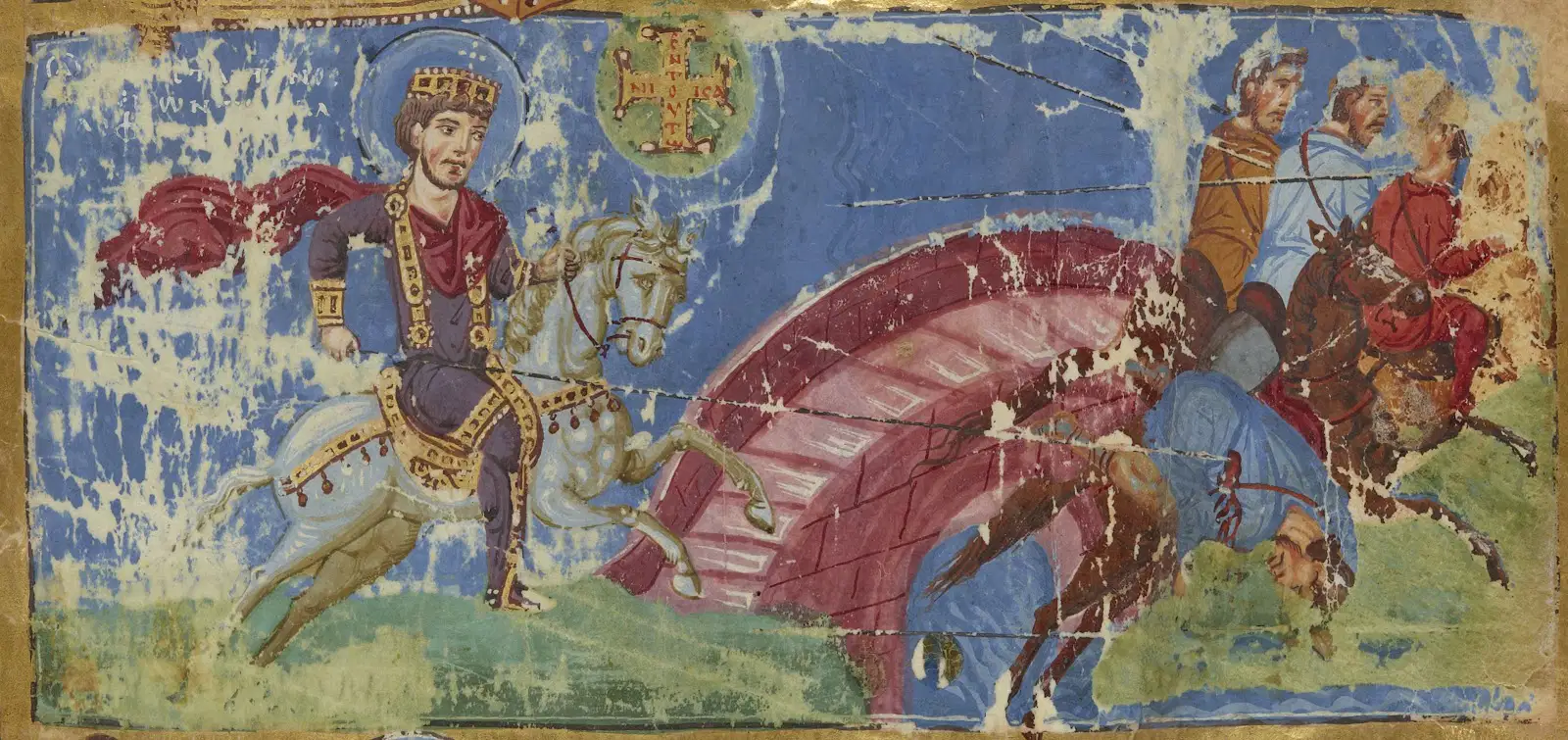
The Byzantine empire was ruled by many emperors for how centuries?
a)
7 Centuries
b)
8 Centuries
c)
9 Centuries
d)
10 Centuries
e)
11 Centuries
6.
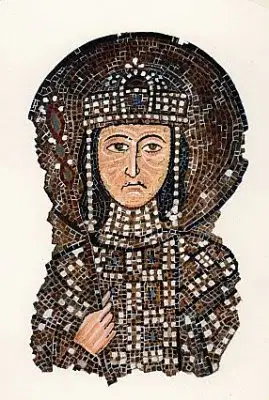
She considered one of the great intellectuals in the empire.
a)
Hagia Sophia
b)
Hannah Montana
c)
Anna Komnene
d)
Hansen Kimono
7.
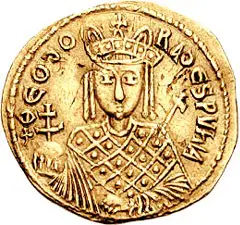
Theodora passed a series of laws that
a)
made her more powerful than her husband
b)
outlawed all religions but Christianity
c)
increased rights for women
d)
helped the rich get even richer
8.
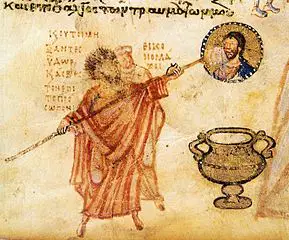
In the Byzantine Empire, an iconoclast was someone who
a)
wanted icons destroyed
b)
thought icons were just fine
c)
made icons out of metal
d)
was famous enough to be worshipped
9.
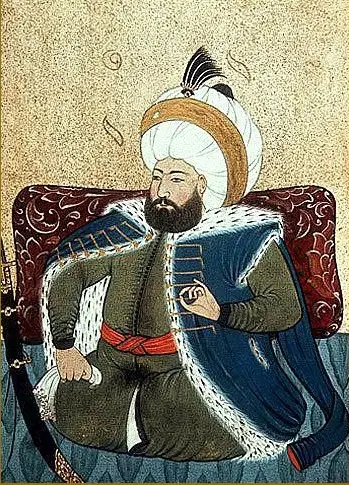
What was the year when Mehmed the Conqueror conquered Constantinople?
a)
476 AD
b)
1453 AD
c)
37 AD
d)
210 Ad
10.
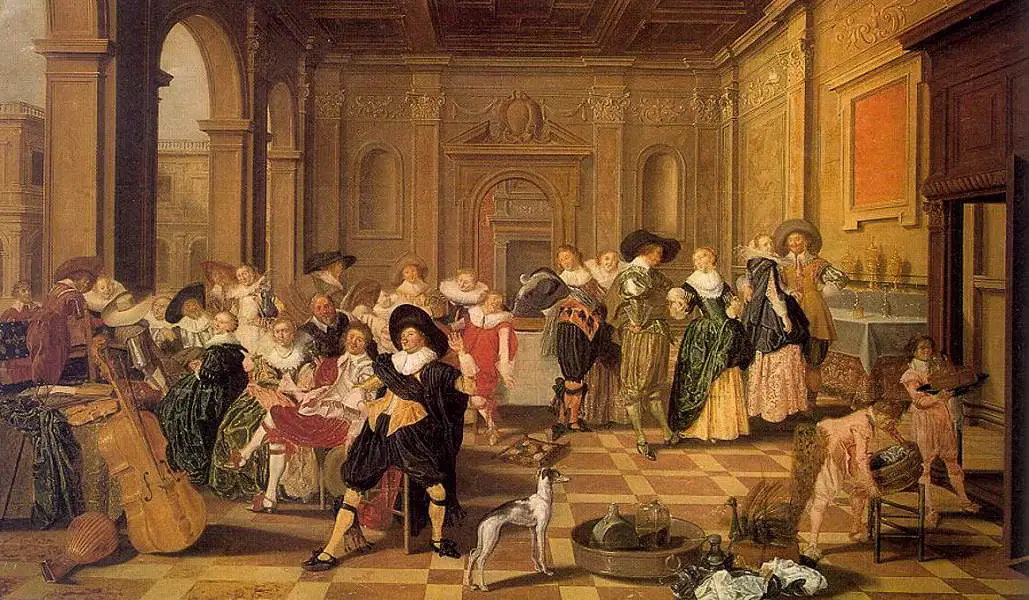
It the period when the term "Byzantine Empire" was first used.
a)
Ancient
b)
Medieval
c)
Renaissance
d)
Modern Era
11.
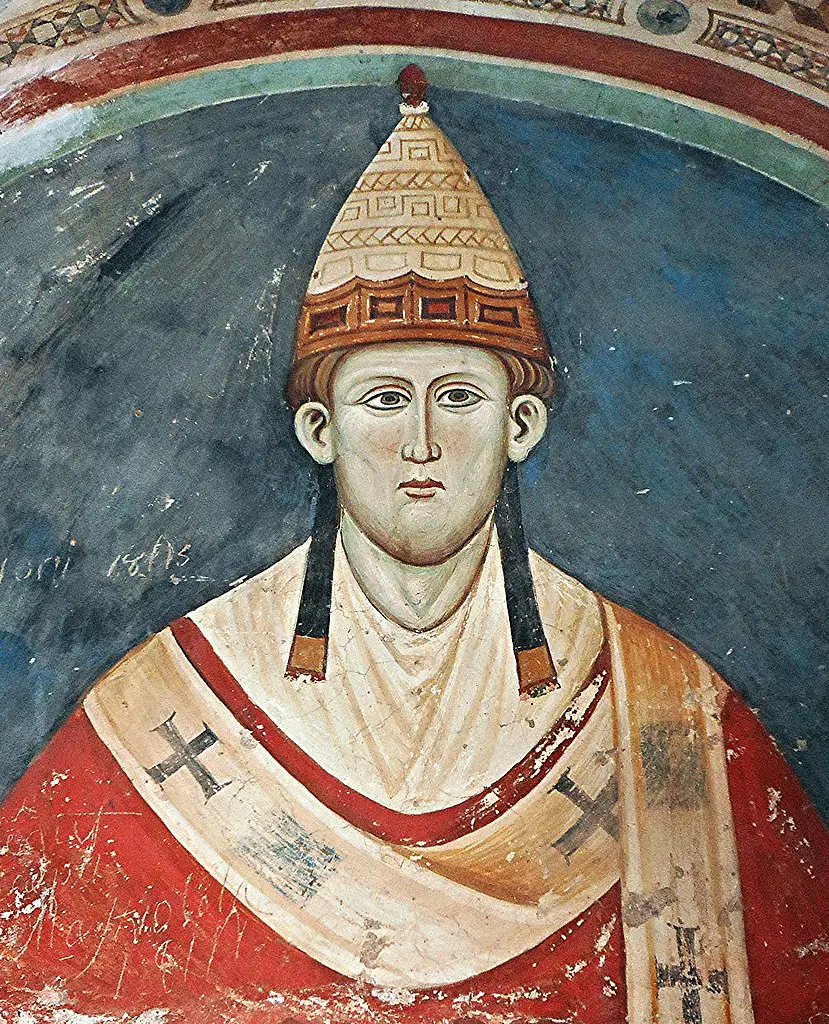
He is the son of a deposed emperor who made a promise of wealth and power to the crusaders to take the throne in the Byzantine Empire.
a)
Alexios Angelos
b)
Julius Ceasar
c)
Alexis Abalos
12.

What sporting event was central to life in Constantinople?
a)
chariot races
b)
gladiator fights
c)
javelin contests
d)
Olympic games
13.
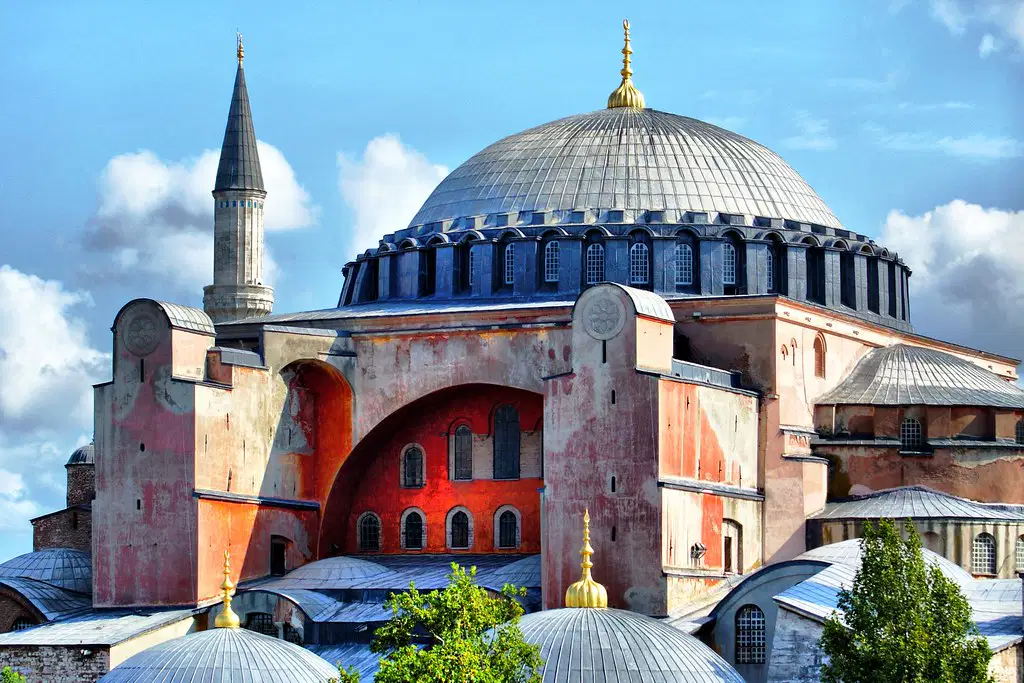
What did Justinian build during his reign?
a)
the Hagia Sophia
b)
synagogues
c)
the Hippodrome
d)
the Mese
14.
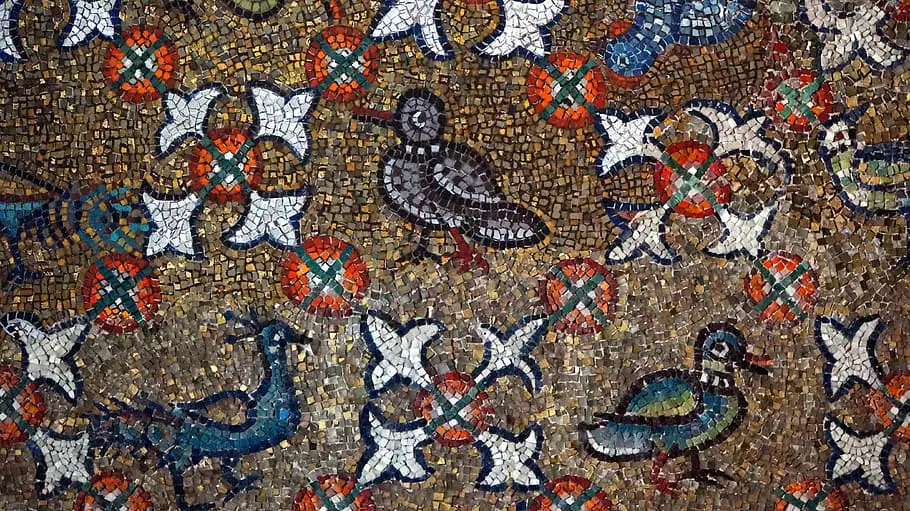
What do historians learn about Byzantine culture from the Hagia Sophia?
a)
They learn about Byzantine architecture and mosaic art.
b)
They learn about Byzantine political and religious reforms
c)
They learn about the many Byzantine languages and cultures.
d)
They learn about the variety of Byzantine trade goods
15.
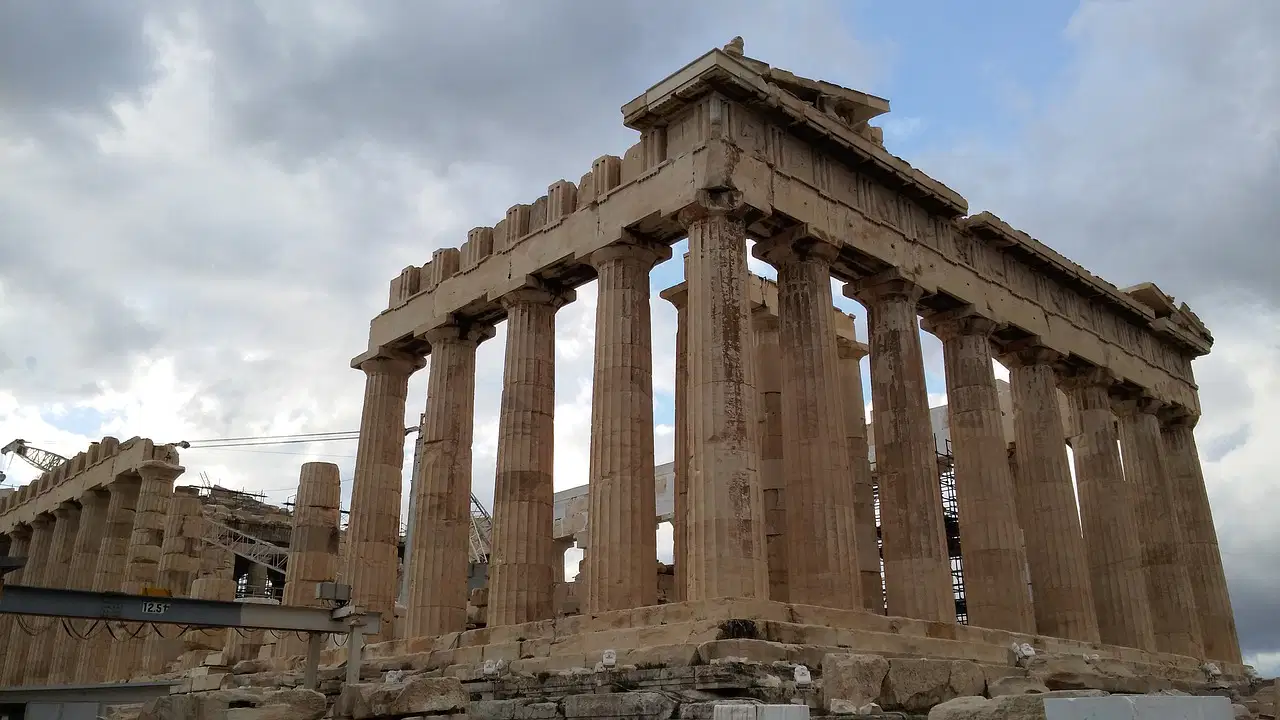
What aspect of Byzantine culture most shows its Greek roots?
a)
architecture
b)
language
c)
legal system
d)
political structure
16.

What religious faith united Arab tribes in the 600s?
a)
Christianity
b)
Judaism
c)
Islam
d)
Hinduism
17.
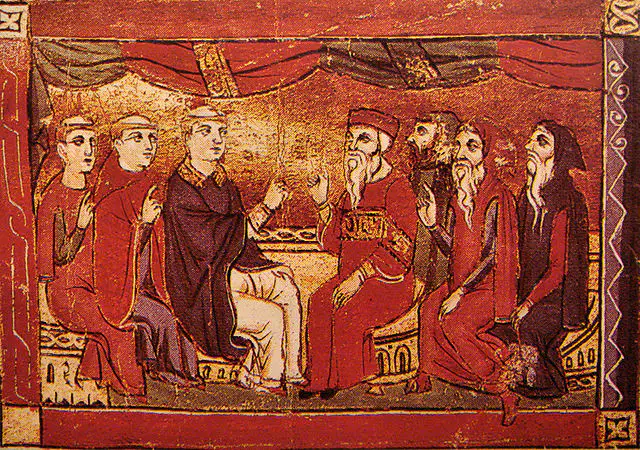
What is the church split that occurred in 1054 called?
a)
iconoclast
b)
creed disagreement
c)
Eastern Orthodox Church
d)
East-West Schism
18.
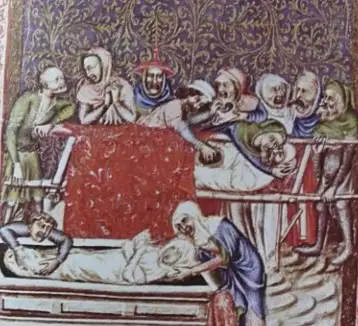
What weakened the Byzantine Empire soon after Justinian died?
a)
debts and the plague
b)
Greek fire
c)
invasion of the Turks
d)
the Crusades
19.
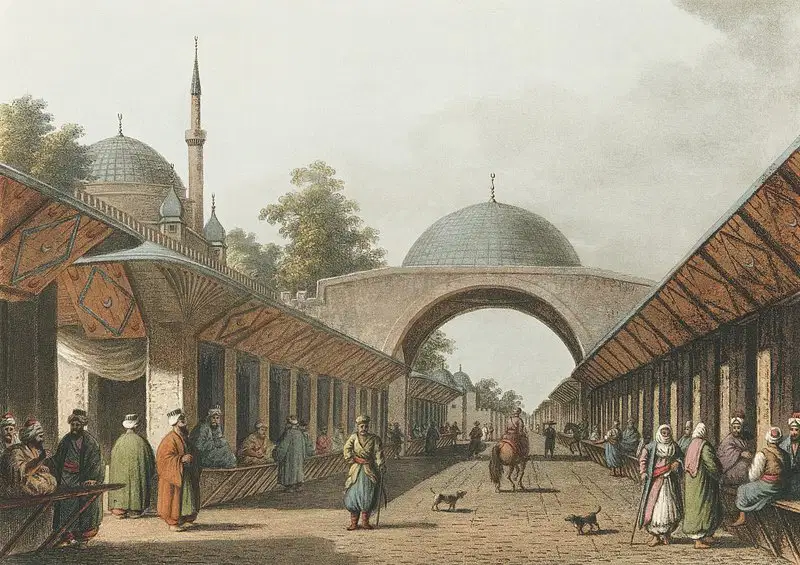
What group finally brought the Byzantine Empire to an end?
a)
the Persians
b)
the Christian Europeans
c)
the Turks
d)
the Egyptians
20.
The Byzantine Empire was the eastern half of the Roman Empire.
a)
true
b)
false
21.
Constantinople was the capital of the Byzantine Empire.
a)
true
b)
false
22.
The official language of the Byzantine Empire was Latin.
a)
true
b)
false
23.
The Byzantine Empire lasted for approximately 1,100 years.
a)
true
b)
false
24.
The Byzantine Empire fell to the Ottoman Turks in 1453.
a)
true
b)
false
25.
Justinian I was a famous Byzantine emperor who ruled from 527 to 565 AD.
a)
true
b)
false
26.
The Hagia Sophia in Constantinople was originally built as a cathedral.
a)
true
b)
false
27.
The Byzantine Empire was primarily Orthodox Christian.
a)
true
b)
false
28.
The Byzantine Empire was known for its intricate artwork and mosaics.
a)
true
b)
false
29.
The Byzantine Empire had little contact with other civilizations.
a)
true
b)
false
30.
The Byzantine Empire had a strong centralized government.
a)
true
b)
false
31.
The Byzantine Empire was heavily influenced by Greek culture.
a)
true
b)
false
32.
The Byzantine Empire was constantly at war with the Persian Empire.
a)
true
b)
false
33.
The Byzantine Empire was known for its advanced military strategies.
a)
true
b)
false
34.
The Byzantine Empire was untouched by the bubonic plague.
a)
true
b)
false
35.

Which of the following lands did Justinian add to the Byzantine Empire?
a)
Anatolia
b)
Egypt
c)
Italy
d)
Syria
36.

In what direction did Justinian largely expand the Byzantine Empire?
a)
north
b)
south
c)
east
d)
west
37.

Which of the following best describes the location of the empire’s capital?
a)
between Anatolia and the Persian Empire
b)
between the Black and Mediterranean seas
c)
between Egypt and the Red Sea
d)
between Italy and Macedonia
38.
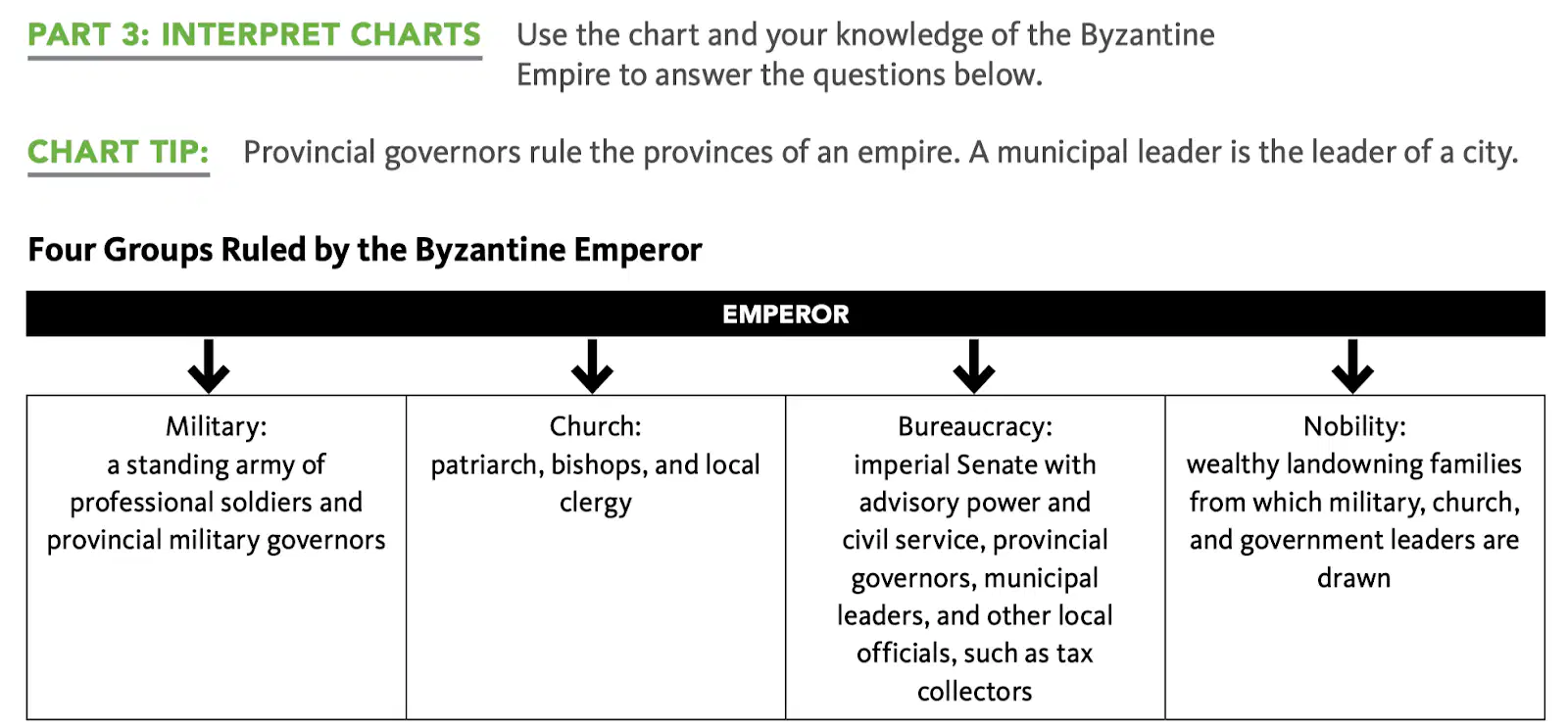
To which group did the imperial Senate belong?
a)
military
b)
church
c)
bureaucracy
d)
nobility
39.

To which group did the patriarch belong?
a)
military
b)
church
c)
bureaucracy
d)
nobility
40.

Which type of leader was part of the military?
a)
municipal leaders
b)
wealthy landowning families
c)
provincial governors
d)
provincial military governors
41.
Which emperor was responsible for the construction of the Hagia Sophia?
a)
Justinian I
b)
Constantine I
c)
Theodosius II
d)
Heraclius
42.
What was the main language used for administration in the Byzantine Empire?
a)
Arabic
b)
Greek
c)
Latin
d)
Persian
43.
The Byzantine Empire preserved and transmitted which ancient civilization's knowledge to later generations?
a)
Greek
b)
Roman
c)
Egyptian
d)
Persian
44.
How did geography of the Byzantine Empire play a part in its decline?
a)
few physical barriers left it unprotected
b)
the sea trade allowed the economy to flourish
c)
Africa tribes attacked through the Mediterranean Sea
d)
Too many cross roads were built and pollution became a problem
45.

Who moved the capital of Rome to Byzantium and renamed it "New Rome" (later Constantinople)?
a)
Justinian
b)
Constantine
c)
Charlemagne
d)
Leo III
100 %

