
 Worksheets
MTL1 H&S Learner Outcome 3
Total questions: 40
Worksheet time: 20mins
What is the main purpose of Personal Protective Equipment (PPE) on a construction site?
To improve productivity
To reduce the need for supervision
To protect workers from workplace hazards
To identify workers by their job roles
Which type of PPE is required to protect against falling objects and head injuries?
Safety goggles
Ear defenders
Safety helmet (hard hat)
Respirator
What is the employer legally required to do regarding PPE?
llow workers to choose whether to wear PPE
Provide PPE only for high-risk tasks
Charge employees for PPE replacement
Supply all necessary PPE and train employees in its use
Why are trainers not suitable footwear on construction sites?
They are too expensive
They are not waterproof
They do not offer protection against sharp or falling objects
They are difficult to clean
Which type of workwear is recommended for plumbers working with soldering equipment?
Waterproof jackets
Flame-retardant clothing
High-visibility vests
Cotton overalls
What is the correct action to take in the event of an eye injury on site?
Apply ointment immediately
Wash with clean, cold water and cover both eyes
Rub the eye to remove debris
Wait to see if the pain goes away
Which regulation requires eye protection to be worn in hazardous areas?
COSHH Regulations
Manual Handling Regulations
PPE at Work Regulations 1992
Working at Height Regulations
Which of the following materials can release hazardous dust when cut or ground on site?
Glass and rubber
Brick, concrete, wood, and plastics
Aluminium and copper
Paint and wallpaper
Which type of Respiratory Protective Equipment (RPE) is suitable for high-risk environments with limited oxygen?
Disposable face mask
Half dust respirator
Ventilator visor
Self-contained breathing apparatus (SCBA)

Identify the Respiration protective equipment
Disposable face mask
Half-dust respirators
High efficiency respirators
Ventilator visor respirator
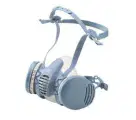
Identify the Respiration protective equipment
Disposable face mask
Half-dust respirators
High efficiency respirators
Ventilator visor respirator
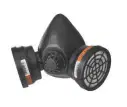
Identify the Respiration protective equipment
Disposable face mask
Half-dust respirators
High efficiency respirators
Ventilator visor respirator
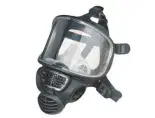
Identify the Respiration protective equipment
Disposable face mask
Half-dust respirators
High efficiency respirators
Ventilator visor respirator
What is hand-arm vibration most commonly caused by on construction sites?
Exposure to loud noise
Use of hand-held power tools and machinery
Poor lighting conditions
Wearing tight gloves
Which of the following is a recommended method to reduce exposure to vibration?
Use of power tools for longer periods
Wearing sandals instead of boots
Looking for alternative work methods and using PPE
Ignoring early symptoms of discomfort
What is the main purpose of The Work at Height Regulations 2005?
To reduce noise levels on site
To prevent slips and trips on flat surfaces
To prevent death and injury caused by falls from height
To regulate scaffold construction
Before using a safety harness, what must be carried out to ensure safe working conditions?
A toolbox talk
A full risk assessment
A weather check
A site tour
What is the correct first step before attempting to manually lift a heavy item?
Put on a safety helmet
Begin lifting quickly to avoid strain
Assess the weight and decide if help or equipment is needed
Stretch your arms and legs
Which lifting technique helps reduce the risk of back injury?
Twisting while lifting
Bending at the waist
Kinetic lifting technique
Lifting with one hand
nder the Manual Handling Operations Regulations 1992, what must employers do?
Provide free gym memberships
Reduce risks from manual handling
Allow workers to lift however they prefer
Ensure all lifting is done by machines
Which of the following statements about manual lifting is true?
The law sets a fixed maximum weight limit for lifting
Anyone can lift any weight if they use the correct technique
There is no legal maximum weight limit, but risks must be assessed
Only trained professionals are allowed to lift heavy items
Which of the following actions can help reduce the risk of injury during manual lifting?
Lifting items from above shoulder height
Twisting while lifting
Breaking large items into smaller loads
Lifting quickly to avoid strain
Before lifting a heavy item, what should be ensured to reduce risk?
The area is noisy
The person lifting has not received training
The area is clear and the person is trained in correct lifting procedures
The item is lifted from the floor without assessment
What is the correct posture when beginning a kinetic lift?
Bend only at the waist
Keep legs straight and back curved
Slightly bend the back, hips, and knees
Twist the body to reach the load
Which of the following should be avoided when lifting a heavy load?
Keeping the load close to the body
Twisting from the hips while lifting
Planning the lift and removing obstructions
Moving feet to change direction
Why is it important to keep the head up and look ahead while lifting?
To admire the surroundings
To reduce neck strain
To maintain balance and focus on where you're going
To avoid eye contact with others
When performing a two-person lift, what is an important factor to consider when choosing a lifting partner?
Someone who is taller and stronger
Someone with the same height and build
Someone who has never lifted before
Someone wearing casual footwear
What is the role of the team leader during a two-person lift?
To carry the heavier side of the load
To supervise from a distance
To give clear instructions and coordinate the lift
To inspect the lifting equipment
What is the maximum recommended weight that can be safely moved using a sack trolley?
100kg
150kg
200kg
250kg
Before using a sack trolley, what should you do first?
Load the item quickly
Check the weather forecast
Assess the task and check for hazards
Push the trolley over steps to test stability
Which of the following is not a safe practice when using a sack trolley?
Securing the load to prevent it from sliding
Using a ramp for steps
Pushing the trolley over bumps
Checking the wheels and handles before use
What type of sack trolley should be used when moving loads up or down steps?
One-wheel trolley
Flatbed trolley
Three-wheel sack trolley
Motorised trolley
Who is responsible for guiding the crane operator on large construction sites?
Site manager
Forklift driver
Banksman
Safety officer
Which of the following lifting devices is specifically designed to move bricks and mortar to upper floors?
Forklift truck
Dumper truck
Brick hoist
Sack trolley
Which type of mechanical lifting equipment requires a formal qualification to operate?
Wheelbarrow
Pallet truck
Forklift truck
Brick lift
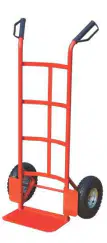
Name the Lifting Aid?
Sack Trolley
3-wheel sack trolley
Wheel barrows
pallet truck
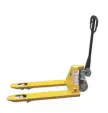
Name the Lifting Aid?
Sack Trolley
3-wheel sack trolley
Wheel barrows
pallet truck
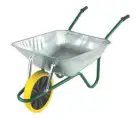
Name the Lifting Aid?
Sack Trolley
3-wheel sack trolley
Wheel barrows
pallet truck
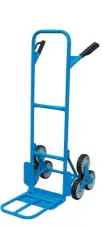
Name the Lifting Aid?
Sack Trolley
3-wheel sack trolley
Wheel barrows
pallet truck
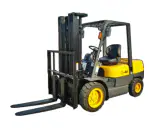
Name the Lifting Aid?
Sack Trolley
3-wheel sack trolley
Fork Lift truck
pallet truck

