
 Worksheets
Matter and Mixtures Study Guide
Total questions: 20
Worksheet time: 11mins

Darron, Mauricio, and CJ are getting ready for a picnic! They decide to make a colorful fruit salad by mixing strawberries, grapes, and pineapple in a big bowl. What is this tasty combination of fruits called?
A combination of substances that maintain their physical properties.
A combination of substances that lose their properties.
A solution where one substance dissolves in another.
A method of separating substances.
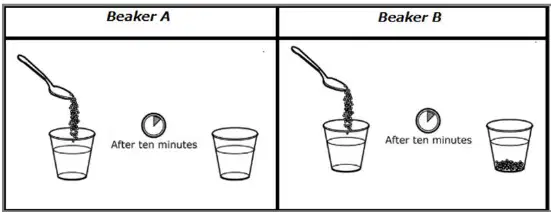
Elena and CJ are conducting a fun science experiment! They each have a beaker with 100 ml of water. Elena adds 10 g of salt to her beaker (Beaker A), while CJ adds 10 g of sand to his beaker (Beaker B). After stirring both beakers for 3 minutes, they let them sit for 10 minutes, just like in the visual. What can Elena and CJ
Both beakers maintained their physical properties.
Beaker A maintained its physical properties and Beaker B did not maintain its physical properties.
Beaker B maintained its physical properties and Beaker A did not maintain its physical properties.
Both beakers did not maintain their physical properties.
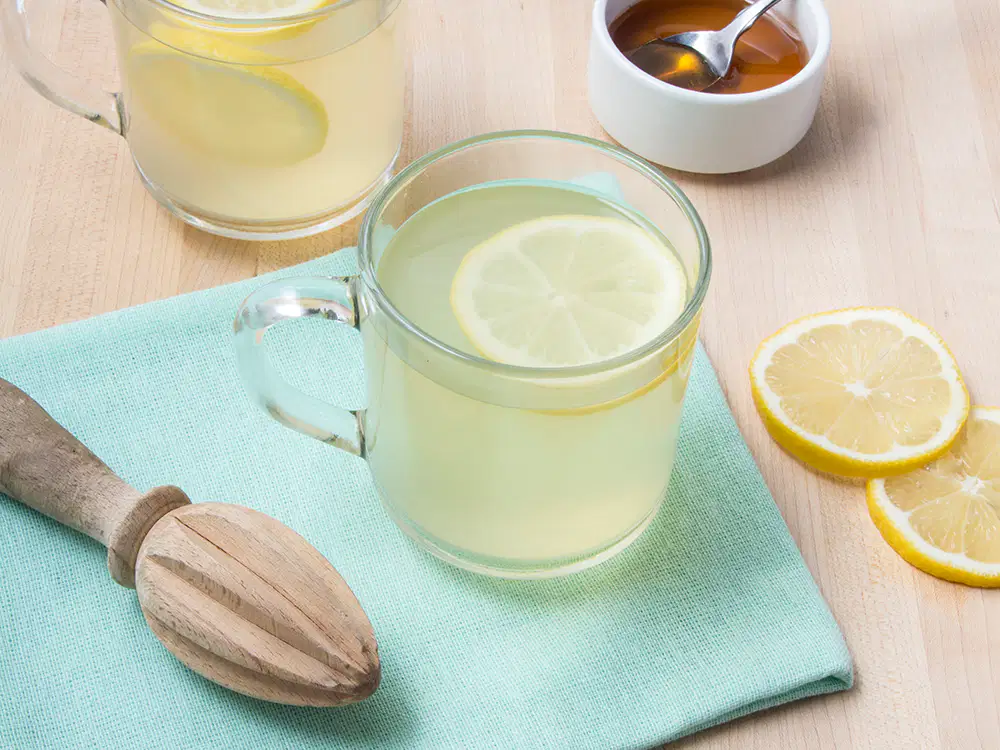
Elena, Ethan, and Mauricio are having a lemonade stand! They mix water and lemon juice together to make a tasty drink. What is this type of mixture called?
A mixture where one substance dissolves evenly in another
A combination of substances that keep their properties
A method of separating substances
A solid substance
Cassidy, Amira, and Kaiden are helping Mrs. CJ with a science project. They have a big bowl of mixed materials and need to separate them. What methods can they use to get the job done?
Using magnets, filters, or evaporation
By heating them
By mixing them with water
By adding salt
Kevin, Amira, CJ, and Mrs. M are excited to show off their creative mixtures at the school science fair!
Mixture A: Kool-Aid and water.
Mixture B: salt and water.
Mixture C: iron filings and sand.
Mixture D: beads, dice, and oatmeal.
Select TWO mixtures that do not maintain their physical properties.
Mixture A
Kool-Aid dissolves in water, so the original properties of Kool-Aid powder are not maintained.
Mixture C
Iron filings and sand can be separated and keep their original properties.
Mixture B
Salt dissolves in water, so the original properties of salt are not maintained.
Mixture D
Beads, dice, and oatmeal can be separated and keep their original properties.
Santi, Katie, and Sebastian are helping M mix different ingredients to bake a delicious cake. As they combine flour, sugar, and eggs, what happens to the total mass of all the ingredients?
It stays the same
It increases
It decreases
It becomes unmeasurable
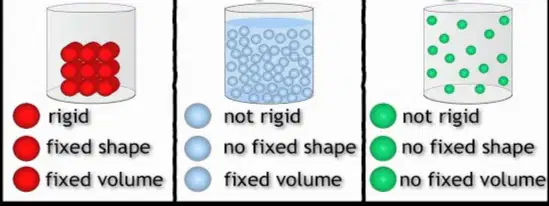
During a lively science class, Cora, Santi, and Elena were having a friendly debate about the different states of matter. Cora asked, "Can anyone name the three main states of matter that we see around us every day?"
Solid, Liquid, Gas
Solid, Liquid, Plasma
Gas, Plasma, Liquid
Solid, Gas, Vapor

Jacob, Elena, and Cora are having a fruit punch party! They each pour different juices into a big bowl and stir it up. As they watch the colorful mix blend together, what is the key idea about solutions?
They may look different because of what they are made of.
They always keep their properties.
They cannot be separated because they distribute evenly throughout the other substances.
They are always solid.

Kaiden and Jacob are at the beach and decide to have a science challenge! They mix some sand with salt in a beaker to see what happens. What type of mixture do they create?
A homogeneous mixture
A compound
A solution
A heterogeneous mixture

Amira, Elena, and Brady are having a fun party and want to impress their friends with a super refreshing drink! They decide to mix water with a special ingredient. Which of the following is an example of a solution they could make for their party?
Oil and water
Kool-Aid and water
Fruit salad
Sand and gravel

Elena, Kevin, and CJ were in the science lab when they found a mysterious mixture of sand and iron filings. Elena grabbed a magnet and, like a science magician, separated the two substances in no time! Why was Elena able to pull off this cool science trick?
The sand is magnetic and the iron filings are non-magnetic.
The iron filings lost their magnetic properties by being mixed with the sand.
The particle sizes remained the same.
The iron filings maintained their physical property of magnetism when mixed with the sand.
Students observe two mixtures. One is a mixture of sand and water. The other is a mixture of salt, pepper, and water. What could be used to separate these mixtures?
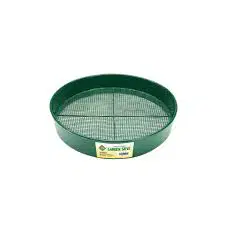
Sieve
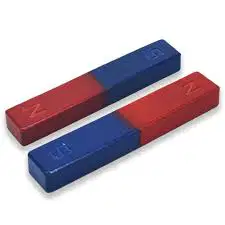
Magnet

Paper Filter
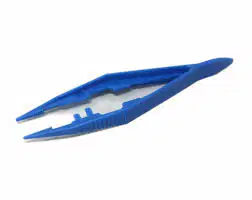
Tweezers
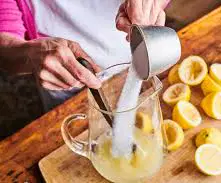
Kevin, Elena, and Cora are helping Mrs. Palma make a delicious lemonade drink for their class! Kevin pours 15g of white, solid sugar into a glass, while Elena adds 20g of yellow, liquid lemon juice. Cora stirs it all together, and they notice the mixture turns into a yellow, sweet-tasting liquid solution. The total mass of their lemonade is now 35g.
Select TWO answer choices that describe the physical properties of the lemonade solution they made.
The solution decreased in volume when the sugar and lemon juice were combined.
The mass of the lemon juice and sugar was the same before and after they were combined.
The lemon juice is a solid and the sugar is a liquid.
Matter is conserved when it is observed in the solution of lemon juice and sugar.
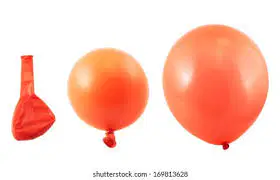
Mrs. Meszaros brought three balloons to class for an experiment with Daksh, Elena, and Amira! First, she weighed a balloon before inflating it. Then, she asked Daksh to help her inflate the balloon with air and weighed it again. The class noticed that the balloon with air inside had a greater mass than the empty balloon. Why do you think the mass increased after inflating the balloon with air?
Air has no mass.
Air particles are everywhere and do not have an effect on the balloon's mass.
Air is made of particles that have mass but cannot be seen because they are too small.
Air particles are large enough to be seen and have mass that would affect the mass of the balloon when inflated.
During a science fair, CJ, Santi, and Amira mixed sugar into a glass of water and stirred until it disappeared. What best describes the result of their experiment?
A mixture where sugar and water remain separate.
A solution where sugar dissolves evenly in water.
A solid formed at the bottom of the glass.
A gas is produced from the mixture.
Elena and Mauricio are sorting a mixture of pebbles and rice. Which method would help them separate the two substances most effectively?
Heating the mixture
Adding water to dissolve both
Picking them out by hand or using a sieve
Using a magnet
Jacob, Katie, and Kaiden are making a snack mix by combining pretzels, nuts, and raisins. What type of mixture have they created?
A chemical reaction
A compound
A solution
A heterogeneous mixture
During a science activity, Santi and Amira mixed oil and water in a clear jar and noticed that the two liquids separated into layers. What type of mixture did they create?
A homogeneous mixture
A solution
A compound
A heterogeneous mixture
Kaiden and Cora want to separate a mixture of salt and water after making a salty solution. Which method would help them recover the salt from the solution?
Filtering the mixture
Evaporating the water
Using a magnet
Adding more water
Elena, Jacob, and Katie are making lemonade by mixing sugar, lemon juice, and water. After stirring, the sugar disappears. What does this tell us about the sugar in the mixture?
The sugar has formed a new substance
The sugar has settled at the bottom
The sugar has dissolved to form a solution
The sugar has evaporated

