
 Worksheets
Clinical Scenario Multiple Choice Questions
Total questions: 149
Worksheet time: 1hrs 15mins
The group with the highest percentage of all deaths caused by heart disease is:
American Indian or Alaska Native
African American
Asian
White (non-Hispanic)
A patient reports with chest pain and shortness of breath. A 12-lead EKG reveals ST-segment elevation in leads II, III, and aVF. This is suggestive of which type of myocardial infarction (MI)?
Anterior
Lateral
Anteroseptal
Inferior
A middle-aged female patient presents with complaints of weight gain, constipation, and alopecia of the eyebrows. Serum cholesterol is 247 mg/dL, thyroidstimulating hormone (TSH) is 25 mg/dL, and thyroid peroxidase (TPO) is elevated. Which diagnosis is most likely?
Thyroid cancer
Hyperprolactinemia
Pheochromocytoma
Hashimoto’s thyroiditis
The nurse practitioner is checking a 75-year-old female patient’s breast during an annual gynecological exam. The left nipple and areola are scaly and reddened. The patient denies pain or pruritus. She has noticed this scaliness on her left nipple for the past 8 months. Her dermatologist gave her a potent topical steroid, which she used twice a day for 1 month. The patient never went back for follow-up. She still has the rash and wants an evaluation. Which of the following is the best intervention for this patient?
Prescribe another potent topical steroid and tell the patient to use it twice a day for 4 weeks.
Order a mammogram and refer the patient to a breast surgeon.
Advise the patient to stop using soap on her breasts to avoid drying the skin.
Order a sonogram and a fine-needle biopsy of the breast.
A 35-year-old female patient who smokes regularly is being evaluated for contraceptive choices. The patient has a history of pelvic inflammatory disease (PID), anorexia nervosa, and a deep vein thrombosis (DVT) after her last pregnancy. The patient reports having multiple sexual partners with inconsistent condom use. Which of the following is the safest option for the nurse practitioner to recommend?
Consistent and correct condom use
Ortho Evra Transdermal patch
Intrauterine device (IUD)
Depo-Provera (depot medroxyprogesterone)
A female patient is concerned about her most recent diagnosis. She has been told by her dermatologist that she has an advanced case of actinic keratosis. Which of the following statements is the best explanation for this patient?
It is a benign condition.
It is a precancerous lesion and should be followed up with her dermatologist.
It will diminish with application of hydrocortisone cream 1% twice a day for 2 weeks.
It is important for the patient to follow up with an oncologist.
Which of the following laboratory tests is a sensitive test for evaluating renal function?
Electrolyte panel
Estimated glomerular filtration rate (eGFR)
Creatinine
Blood urea nitrogen (BUN)
Which of the following is recommended treatment for erythema migrans?
Doxycycline (Vibramycin) 100 mg orally twice a day for 21 days
Ciprofloxacin (Cipro) 250 mg orally twice a day for 14 days
Erythromycin (E-mycin) 333 mg orally three times a day for 10 days
Dicloxacillin (Dynapen) 500 mg orally twice a day for 10 days
A parent brings their 1-month-old infant to the clinic for evaluation, stating that the infant has poor weight gain despite constant hunger and projectile vomits after eating. The nurse practitioner (NP) notes that the infant has a distended abdomen. Upon palpation, the NP detects an olive-shaped mass in the epigastrium. The NP will:
Refer the patient for ultrasound testing.
Perform blood analysis to determine red blood cell (RBC) status.
Provide the parent with education on infant feeding.
Place the patient on lactose-free feedings.
A toddler with congenital heart disease is seen for a 1-week history of facial and lower extremity edema accompanied by shortness of breath. The child’s parent reports that the child’s appetite has been poor. The chest x-ray reveals that the child has congestive heart failure (CHF). Which of the following heart sounds are found in patients with CHF?
A. S1 and S2
B. S1, S2, and S3
C. S1, S2, and S4
D. Still murmur and S4
The nurse practitioner (NP) is assessing a patient for peripheral arterial disease (PAD). To confirm the diagnosis, the NP will calculate the patient’s right ankle-brachial index (ABI) using the following average systolic blood pressures (SBPs): SBP left ankle = 126 mmHg, SBP right ankle = 124 mmHg, SBP left arm = 132 mmHg, SBP right arm = 129 mmHg. What is the patient’s right ABI?
0.96
0.95
0.94
1.04
Which class of antibiotics is first-line treatment for an unvaccinated infant diagnosed with pertussis?
Penicillins
Macrolides
Cephalosporins
Quinolones
An 84-year-old male patient with a documented history of osteoporosis presents with complaints of worsening back pain. During the physical examination, the nurse practitioner notes a decrease in the last documented height and a C-shaped curvature of the spine. Which diagnosis is most likely?
Sciatica
Avascular necrosis
Hip displacement
Kyphosis
The nurse practitioner (NP) is examining a new 3-month-old patient who has not yet received any immunizations. Which immunizations will the NP administer during this visit to bring the child up to date?
Measles, mumps, and rubella (MMR), DTaP, hepatitis B
Inactivated polio vaccine (IPV), DTaP, MMR
Varicella, Haemophilus influenzae type b (Hib), IPV, DTaP
Hib, DTaP, hepatitis B, rotavirus, pneumococcal conjugate vaccine (PCV), IPV
In small children with AIDS, which of the following vaccine(s) is(are) contraindicated?
Td
Hepatitis B and mumps
Varicella
Td and oral polio
Which statement is true regarding the tetanus and diphtheria vaccine?
Fever occurs in up to 80% of the patients.
A possible side effect is induration on the injection site.
A tetanus and diphtheria toxoid vaccine is given every 12 years.
DPT and DT should not be given beyond the fifth birthday.
A 75-year-old female patient presents in the office complaining that her heart “keeps skipping beats and goes very fast.” The patient also reports dizziness and shortness of breath, especially with activity. Her pulse is 120 beats/min and irregular. The nurse practitioner (NP) orders a 12-lead EKG and considers an echocardiogram. The NP will likely prescribe:
Chlorthalidone 12.5 mg daily
Warfarin (Coumadin) 5 mg daily
Warfarin (Coumadin) 2.5 mg daily
Chlorthalidone 25 mg daily
To prevent treatment-related complications in a patient diagnosed with hepatitis C, the nurse practitioner (NP) will screen for which of the following prior to initiating treatment?
Hepatitis B
Hepatitis A
Osteomyelitis
Clostridium difficile colitis
A patient with multiple sclerosis (MS) is experiencing intermittent loss of vision in one eye. To which specialist would the nurse practitioner refer the patient?
Neurologist
Ophthalmologist
ED physician
Endocrinologist
Which of the following is a true statement regarding the effect of aspirin on a platelet’s function?
The effect on platelets is reversible.
The effect on platelets is reversible and lasts 1 week.
The effect on platelet function is minimal.
The effect on platelet function is irreversible and lasts 10 days.
The nurse practitioner is seeing a 35-year-old male patient with HIV for follow-up of an initial antiretroviral treatment regimen of 600 mg dolutegravir/50 mg abacavir/300 mg lamivudine. His plasma viral load (PVL) is 25,000 copies/mL, a decrease from 35,000 copies/mL; CD4 is 400 cells/mm3, up from 250 cells/mm3; and assessment reveals that the patient is in no acute distress. Which of the following interventions are indicated for this patient? (Select all that apply.)
Order liver enzyme testing.
Order a follow-up PVL in 2 weeks.
Refer the patient to a nutritionist for low-fat diet counseling.
Order a follow-up CD4 in 3 months.
Monitor cholesterol levels.
An 81-year-old patient is brought to the primary care clinic for dysuria, urinary frequency, nocturia, and fever of 100.6°F. The patient is diagnosed with complicated cystitis. Which antibiotic will the nurse practitioner prescribe?
Fosfomycin 3 g x one dose
Levofloxacin 750 mg once daily x 5 to 7 days
Trimethoprim-sulfamethoxazole (Bactrim) twice daily x 3 days
Amoxicillin-clavulanate (Augmentin) 875/125 mg twice daily
A 69-year-old male patient who smokes and has chronic gastroesophageal reflux disease (GERD) was diagnosed with Barrett esophagus 5 years ago. He is being seen by the nurse practitioner for a physical exam. The patient reports that he ran out of his proton pump inhibitor (PPI) medication and that he has not taken it for 5 days. He is complaining of severe episodes of daily heartburn. His gastroenterologist is out of town for 1 week. Which of the following is the best plan to follow during this visit?
Write a prescription for the same PPI and give a 1-week supply without refills.
Give the patient free samples of an H2 antagonist.
Prescribe another PPI because worsening symptoms show that the previously prescribed PPI is not effective.
Advise the patient to take over-the-counter antacids as needed.
Upon review of the chest x-ray results of a 4-year-old patient, tiny white spots in a distinctive pattern are noted throughout the lungs. Which diagnosis is most likely to manifest in this manner?
Miliary tuberculosis (TB)
Reactivated TB
Latent TB infection
Pleural TB
A 67-year-old female patient complains of progressive dyspnea, minimal cough, and a 10-lb weight loss over the past 3 months. The nurse practitioner (NP) notes decreased posterior breath sounds, use of accessory muscles to breathe, temperature of 98.8°F, and respirations of 24 breaths/min. Which condition does the NP suspect?
Emphysema
Chronic bronchitis
Respiratory infection
Pneumonia
While auscultating heart sounds, the nurse practitioner (NP) hears an S2 over the pulmonic area during inspiration but not at expiration. How will the NP classify this sound?
Benign S2 variant
Abnormal S2 variant
Atrial kick
Ventricular gallop
A 16-year-old female patient who wears contact lenses presents to the clinic with eye pain, redness, and excessive tearing in the right eye. She tells the nurse practitioner (NP) that she frequently sleeps with her contact lenses in because she forgets to take them out. During slit-lamp testing, the NP notes there is an oval-shaped lesion in the right cornea. Which first-line treatment will the NP prescribe?
Oral steroid
Oral antibiotic
Topical steroid
Topical antibiotic
Which of the following is first-line therapy for an elderly patient diagnosed with isolated systolic hypertension?
Hydrochlorothiazide (Microzide) 12.5 mg daily
Prazosin (Minipress) 1 mg three times daily
Spironolactone (Aldactone) 40 mg at bedtime
Propranolol (Inderal) 40 mg twice daily
Which lab values will the nurse practitioner monitor in a patient taking theophylline (Theo-Dur)?
Liver function test
Complete blood count (CBC)
Serum concentration
Complete metabolic panel
A 24-year-old patient presents to the clinic with complaints of weakness, shortness of breath when exercising, and heart palpitations. Significant physical assessment findings include general pallor, heart rate of 98 beats/min, glossitis, splenomegaly, cutaneous paresthesia in the limbs, hyperreflexia, and a positive Romberg sign. Which diagnosis is most likely?
Iron deficiency
Hemolytic anemia
Normocytic anemia
Vitamin B12 deficiency
A 29-year-old male patient has a 2-year history of deep depression alternating with periods of high energy levels, which has impacted his ability to keep a job. After changing jobs for the third time in 2 years, he seeks assistance. Which medication will the nurse practitioner prescribe?
Haloperidol (Haldol)
Phenelzine (Nardil)
Diazepam (Valium)
Lithium carbonate (Eskalith)
The nurse practitioner finds multiple types of bacteria in a patient’s urine sample. Which of the following interventions is most appropriate?
Order an intravenous pyelogram (IVP).
Order an MRI.
Perform a microscopic urine analysis.
Ask the patient to resubmit a clean-catch specimen.
In an adolescent with scoliosis, what degree of spinal curvature requires a referral for surgical correction?
10 to 20 degrees
20 to 30 degrees
30 to 40 degrees
>40 degrees
The nurse practitioner (NP) suspects possible kidney stones in an elderly male patient. An ultrasound is ordered with no evidence of kidney stones. The patient returns to the clinic with intermittent right-sided flank pain that is severe in intensity. The NP will:
Repeat the renal ultrasound.
Order a noncontrast CT scan.
Order a complete blood count (CBC).
Perform McBurney’s test.
At what age, in months, should healthy full-term infants be screened for anemia?
0 to 3
3 to 6
6 to 9
9 to 12
The nurse practitioner (NP) is assessing a 14-year-old female patient who is 20% underweight for her height. The NP notes that the patient has thinning hair and brittle nails as well as fine, downy body hair on her back. How will the NP document the body hair finding on the back?
Lanugo
Actinic keratosis
Russell’s sign
Telogen effluvium
A 15-year-old male patient who became lightheaded and “passed out” in class is being examined by the nurse practitioner (NP). Pulse is tachycardic at 150 beats/min, and EKG exhibits peaked QRS complex with P waves present. The NP will:
Implement vagal maneuvers.
Determine underlying etiology.
Assess blood pressure.
Refer to a cardiologist.
A nurse practitioner diagnoses a patient with uncomplicated chlamydia. Which of the following is the treatment recommended by the Centers for Disease Control and Prevention (CDC)?
A. Acyclovir (Zovirax) 400 mg PO TID x 7 to 10 days
B. Azithromycin 1 g PO in a single dose (directly observed treatment preferred)
C. Benzathine penicillin G 2.4 mU intramuscular IM in a single dose
D. Podofilox (Condylox) 0.5% gel or cream BID x 3 consecutive days
A 25-year-old female patient presents to the nurse practitioner (NP) with new symptoms of difficulty urinating, increased frequency of urination, and mild suprapubic discomfort. Urine dipstick identifies a moderate number of leukocytes and nitrates. The NP orders trimethoprim-sulfamethoxazole twice daily for how many days?
3
5
7
10
Which condition will the nurse practitioner monitor for in a geriatric patient taking hydrochlorothiazide and nifedipine (Procardia XL)?
Macrocytosis
Acquired neutropenia
Primary polycythemia
Secondary thrombocythemia
Which of the following statements are true regarding herpes zoster? (Select all that apply.)
It occurs secondary to reactivation of the varicellazoster virus (VZV).
The typical lesions are bullae.
It is usually more severe in immunocompromised individuals.
Infection of the trigeminal nerve ophthalmic branch can cause corneal blindness.
It affects multiple dermatomes simultaneously.
A 66-year-old male patient receives lipid panel results from a routine physical. Total cholesterol is 199 mg/dL, high-density lipoprotein (HDL) is 42 mg/dL, low-density lipoprotein (LDL) is 85 mg/dL, and triglycerides are 135 mg/dL. After reviewing the results, the nurse practitioner tells the patient which of the following?
A. “Everything is normal; I recommend you have the lipid panel repeated in 2 years.”
B. “It is important to reduce the amount of fat in your diet and repeat the test in 90 days.”
C. “I recommend you lose 10 pounds to help reduce your cholesterol.”
D. “It is important for you to increase the amount of soluble fiber in your diet.”
Which statement is true about Munchausen syndrome?
All illnesses reported by the patient are falsified.
The patient has a medical illness that causes an anxiety reaction and denial.
The patient falsifies illness in a child to gain attention.
The patient may have a past history of frequent hospitalizations.
A patient presents for follow-up with the nurse practitioner (NP) after receiving a diagnosis of acute diverticulitis. The NP is educating the patient about how to avoid complications. What instructions should be included? (Select all that apply.)
Maintain a high-fiber diet.
Take amoxicillin-clavulanate 875/125 mg twice daily as ordered.
Take a laxative every other day.
Use psyllium fiber supplementation daily.
Report fever to healthcare provider immediately.
A 44-year-old female patient who is undergoing treatment for infertility complains of not having had a menstrual period for a few months. The night before, she started spotting and is now having cramplike pains in her pelvic area. Her blood pressure (BP) is 160/80 mmHg, pulse is 110 beats/min, and she is afebrile. Her labs reveal mild anemia with mild leukocytosis. On pelvic exam, the uterine fundus is noted to be above the symphysis pubis. The cervical os is dilated at 3 cm. Which of the following is most likely?
Inevitable abortion
Threatened abortion
Incomplete abortion
Acute pelvic inflammatory disease
In the United States, the most common cause of cancer deaths in men is cancer of the:
Lung
Prostate
Colon
Skin
A 63-year-old patient with a 10-year history of poorly controlled hypertension presents with a cluster of physical exam findings. Which of the following clusters indicates the target organ damage commonly seen in hypertensive patients?
Pedal edema, hepatomegaly, enlarged kidneys
Arteriovenous (AV) nicking, left ventricular hypertrophy, stroke
Renal infection, S3 heart sound, neuromuscular abnormalities
Glaucoma, jugular vein atrophy, heart failure
A patient presents with complaints of acute epigastric pain that is relieved by taking over-the-counter (OTC) antacids. Upon further evaluation, the nurse practitioner (NP) discovers the patient takes ibuprofen three times a day for joint pain. Which of the following diagnostic tests should be ordered to verify the suspected diagnosis? (Select all that apply.)
Fecal occult blood test
Complete blood count
Hemoglobin A1C
Urea breath test
Lower gastrointestinal (GI) series
What is the mechanism of action of probenecid (Probalan)?
Increases uric acid excretion
Increases uric acid metabolism
Decreases formation of uric acid
Decreases metabolism of uric acid
A left-hand-dominant high-school tennis player presents with a concern of left elbow pain. Which signs and symptoms suggest that the patient is suffering from tennis elbow? (Select all that apply.)
Elbow pain that worsens with pulling activity
Lateral elbow pain with tenderness at the lateral epicondyle
Elbow pain with grasping movement
Medial elbow pain with tenderness at the medial epicondyle
Elbow pain that worsens with extension
A 20-year-old male patient is being seen for a physical exam by the nurse practitioner. He complains of pruritic macerated areas in his groin that have been present for the past 2 weeks. Which of the following is the most likely diagnosis?
Tinea cruris
Tinea corporis
Tinea capitis
Tinea pedis
The nurse practitioner (NP) is assessing a 56-year-old patient and notes diffuse reddish-brown, pigmented lesions on the back, trunk, abdomen, chest, and arms. A sample of the skin scrapings on a potassium hydroxide (KOH) wet mount reveals short hyphae and budding cells. Which medication will the NP prescribe?
Oral fluconazole (Diflucan)
Oral ketoconazole (Nizoral)
Topical tacrolimus (Protopic)
Topical selenium sulfide
The nurse practitioner (NP) is treating a 26-year-old female patient who has been newly diagnosed with systemic lupus erythematosus (SLE). Which instruction will the NP provide to the patient?
Replace all household lighting with fluorescent bulbs.
Wear sun-protective clothing.
Restrict protein in your diet.
Avoid topical skin protective clothing.
A male teenage patient presents with complaints of fatigue and lethargy. His parent states that he has been falling asleep in school. Upon examination, he is found to be hypertensive with an average blood pressure of 164/92 mmHg. The nurse practitioner suspects secondary hypertension, which likely eliminates disorders of what system as the cause?
Renal
Endocrine
Musculoskeletal
Respiratory
Which effect will the nurse practitioner take into consideration when prescribing oral pharmacologic treatment for a 2-week-old infant with omphalitis?
Increased renal excretion
Undeveloped blood-brain barrier
Increased gastric emptying time
Increased ability of protein drugs to bind
An adult patient presents after stepping on a nail that punctured their shoe. The patient has a swollen, diffuse pinkish-red, warm foot. Which gram-negative pathogen is most likely the cause of this infection?
Pseudomonas aeruginosa
Vibrio vulnificus
Pasteurella multocida
Staphylococcus aureus
A 15-year-old female patient in Tanner stage II states, “I had my first period about 6 months ago, but I haven’t had one since.” Which diagnostic would be ordered first?
CT scan
Prolactin levels
Serum pregnancy test
Examination of chromosomes
An adult visits the urgent care clinic with a fever of 104.2°F, vomiting, and petechiae on the hands and feet progressing to the trunk over the past 3 days. The nurse practitioner will prescribe:
Ceftriaxone (Rocephin) 2 g IV every 12 hours
Doxycycline twice daily for 10 days
Rifampin orally every 12 hours for 2 days
Cephalexin (Keflex) four times daily for 10 days
An 82-year-old patient sees the nurse practitioner (NP) for an annual physical exam. The patient requests a colonoscopy to screen for colon cancer. Which is the most therapeutic response by the NP?
Tell me what you know about colonoscopy and why you feel it is important.
Undergoing a colonoscopy at your age could be dangerous and is not typically recommended.
I will determine which screenings are indicated based upon evidence-based guidelines.
We should include your spouse in this conversation so you both can make an informed decision.
A young adult male patient presents to the clinic after falling and landing on his buttocks. He complains of feeling “electrical impulses” traveling down both legs. He states that he feels as if he needs to void but is unable to do so. Upon physical examination, the nurse practitioner notes decreased lower extremity strength and reflexes. Which diagnosis is most likely?
Cauda equina syndrome
Scoliosis
Fibromyalgia
Paget’s disease of bone
What is recommended for an infant with noncommunicating hydrocele?
Surgery
Medication
Reassessment in 1 year
Centesis
A patient presents with epigastric pain and intermittent diarrhea that worsens with food. She has a history of multiple ulcers. The nurse practitioner reviews the results of a serum fasting gastrin level and finds there is no inhibition of gastrin levels. Which diagnosis is most likely?
Helicobacter pylori
Atrophic gastritis
Zollinger-Ellison syndrome
Meckel diverticulum
Which first-line treatment should be administered when treating a patient with chronic obstructive pulmonary disease (COPD), category C?
Long-acting muscarinic agonist (LAMA)
Short-acting beta2-agonist (SABA)
Long-acting beta2-agonist (LABA)
Short-acting muscarinic agonist (SAMA)
The nurse practitioner (NP) is considering timolol (Betimol) for a 70-year-old male patient diagnosed with open-angle glaucoma. What would the NP recognize as a contraindication to the medication?
Intraocular pressure (IOP) >25 mmHg
History of asthma
Stinging sensation after first use
Migraine headaches
A female patient with Pick disease fell out of bed and hit her head on a bedside table. The patient is not on anticoagulant therapy and is alert and oriented upon arrival to the clinic. The patient’s vital signs are blood pressure of 188/90 mmHg, pulse of 43 beats/min, and respirations of 7 breaths/min. Which diagnosis is most likely?
Hypovolemic shock
Increased intracranial pressure (ICP)
Cerebrovascular accident (CVA)
Subdural hematoma
Pioglitazone (Actos) is contraindicated in patients with which of the following conditions?
Renal disease
Liver disease
Asthma
Class III or IV heart disease
A middle-aged male patient presents with right eyelid pain for 24 hours. He denies vision changes or discharge from the eye. Upon physical examination, the nurse practitioner (NP) notes a painful, swollen red abscess on the upper right eyelid. Which treatment plan will the NP initiate?
Incision and drainage of the abscess
IV antibiotic of ampicillin
Hot compresses three times daily
Application of bacitracin ophthalmic ointment
Which initial treatment will the nurse practitioner recommend for a patient experiencing mild allergic conjunctivitis?
Nonsteroidal anti-inflammatory drugs (NSAIDs)
Oral antihistamines
Topical corticosteroids
Topical antihistamines/mast cell stabilizers
What type of infection does a potassium hydroxide (KOH) prep help the nurse practitioner diagnose?
Herpes zoster
Fungal
Herpes simplex
Viral
The results of a Pap test performed on a 21-year-old patient state, “Atypical squamous epithelial cells present. No endocervical cells present.” The nurse practitioner will:
Test for human papillomavirus (HPV).
Perform an endometrial biopsy.
Refer for colposcopy.
Repeat the test as soon as possible.
The nurse practitioner is assessing the cerebellar system of an elderly adult with ataxia. During the physical examination, the patient has a positive Romberg test. What does this assessment indicate?
The patient is unable to stand with eyes closed and arms by side without swaying or falling.
The patient is unable to stretch out arms, palms up, with eyes closed without arm movement.
The patient is able to identify a familiar object in the hand with eyes closed.
The patient is able to identify a written letter on the palm with eyes closed.
Auscultation of normal breath sounds of the chest will reveal:
Bronchial breath sounds heard at the lower bases
High-pitched vesicular breath sounds heard over the upper lobes
Vesicular breath sounds heard over the trachea
Vesicular breath sounds in the lower lobe
A patient diagnosed with eczema was treated with over-the-counter 1% hydrocortisone ointment. During a follow-up visit, the patient reports that the rash does not seem to be improving. The level of steroid the nurse practitioner will prescribe next is Group:
A. 6
B. 5
C. 4
D. 3
An infant has a faun tail nevus at the lumbosacral area. Which diagnostic procedure will the nurse practitioner order first?
CT scan
MRI
Ultrasound
Spinal tap
The nurse practitioner (NP) is performing screenings for scoliosis. What will the NP do to accurately perform this screening?
Ask patient to stand firmly on both feet and bend forward at the hips while arms hang free.
Abduct the patient’s hips and listen for a clicking sound.
Ask patient to shrug their shoulders as the NP applies pressure to both shoulders.
Ask patient to raise the heel of the right foot and slide the heel down the knee of the left leg while standing.
During a breast exam of a 30-year-old nulliparous female patient, the nurse practitioner (NP) palpates several rubbery mobile areas of breast tissue. They are slightly tender to palpation. Both breasts have symmetrical findings. There are no skin changes or nipple discharge. The patient is expecting her menstrual period in 5 days. The NP will:
Refer the patient to a gynecologist for further evaluation.
Advise the patient to return 1 week after her period so her breasts can be rechecked.
Advise the patient to return in 6 months to have her breasts rechecked.
Schedule the patient for a mammogram.
A 35-year-old patient is being worked up for microscopic hematuria. This finding likely allows the nurse practitioner to rule out which diagnosis?
Kidney stones
Bladder cancer
Acute pyelonephritis
Renal artery stenosis
A 12-year-old child presents with external pain, swelling, and decreased hearing in the left ear. The child is on a swim team and swims every day. Upon physical examination, the child flinches when the affected ear is touched. There are no other abnormal findings. Which diagnosis is most likely?
Otitis media
Otitis externa
Serous otitis media
Cholesteatoma
The nurse practitioner is treating the male partner of a 22-year-old patient with a positive nucleic acid amplification test (NAAT) for Chlamydia trachomatis. Which of the following is the preferred treatment for the patient’s partner?
Azithromycin 1 g orally in a single dose
Benzathine penicillin 2.4 million units intramuscularly in a single dose
Clindamycin 300 mg twice daily for 7 days
Doxycycline 100 mg orally twice daily for 7 days
A female patient receiving thyroid replacement therapy contracts the flu and forgets to take her thyroid replacement medicine. The patient is at risk for which life-threatening complication?
Exophthalmos
Thyroid storm
Myxedema coma
Pretibial myxedema
A 4-year-old child presents with a high fever and enlarged lymph nodes in the neck area. The nurse practitioner notes dry, cracked lips and a “strawberry tongue” upon physical assessment. Which diagnosis is most likely?
Pharyngitis
Allergic rhinitis
Kawasaki’s disease
Tonsillitis
A 22-year-old male athlete presents with knee pain for which the nurse practitioner performs a McMurray test. A positive sign indicates which condition?
Anterior cruciate ligament (ACL) tear
Posterior cruciate ligament (PCL) tear
Patellar tendon rupture
Meniscal tear
A 68-year-old female patient has recently been diagnosed with polymyalgia rheumatica (PMR). The nurse practitioner is discussing the treatment options with the patient. Which of the following medications is the first-line treatment for this condition?
A. Etanercept (Enbrel)
B. Oral prednisone
C. Indomethacin
D. Methotrexate
A parent presents with their 4-year-old child and states that the child is unable to attend preschool because of lack of motor skills. Which tactic can be used to determine appropriate growth and development for the patient?
Have the child draw a person with six body parts.
Toss a ball for the child to catch.
Observe the child going up several steps.
Ask the child to write their name.
The nurse practitioner performs an EKG on a patient before prescribing a calcium channel blocker (CCB). Which EKG reading (which follows) would verify that a CCB is safe to prescribe?
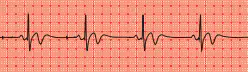
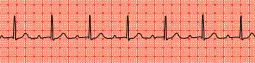
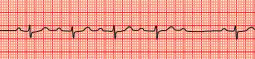
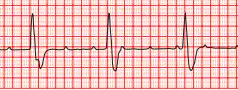
During a routine digital rectal exam, a hard, fixed nodule is detected on the prostate gland of a 55-year-old male patient. The patient’s prostate-specific antigen (PSA) is 4.1 ng/mL. Which of the following will the nurse practitioner order?
CT of the abdomen
Radionuclide bone scan
Measurement of serum acid phosphatase
Transrectal ultrasound-guided needle biopsy
. The nurse practitioner is reviewing the laboratory results for a female patient who states that she has had one menstrual period over the last year and is experiencing problems sleeping. The patient’s lab results include an estradiol level of 200 pg/mL, follicle-stimulating hormone (FSH) of 35 IU/L, and an anti-Müllerian hormone (AMH) level of 0.2 ng/mL. The findings indicate that the patient:
Is perimenopausal
Is menopausal
Is fertile
Should be tested for ovarian cancer
The nurse practitioner is assessing a 13-year-old male patient who presents with back pain, nausea, and vomiting for the past 24 hours. The patient reports feeling a dull pain and muscle spasms in the back after a direct hit to the side during football practice. His vital signs are blood pressure of 140/84 mmHg, temperature of 99.1°F, pulse of 98 beats/min, and respirations of 26 breaths/min. Which diagnosis is most likely?
Appendicitis
Bruised kidney
Cholecystitis
Ruptured vertebral disc
A 45-year-old male patient is seen as a walk-in patient in a private clinic. He reports stepping on a nail that morning. He received a Td vaccine 9 years ago. Which of the following vaccines is recommended?
Diphtheria, tetanus, acellular pertussis (DTaP)
Diphtheria and tetanus (DT)
Tetanus diphtheria (Td)
Tetanus, diphtheria, acellular pertussis (Tdap)
A patient states, “I have had a rash for the past week and cannot stop scratching it.” Physical assessment reveals 1-mm papules and pustules, grayish-white burrows on the patient’s palms and soles of the feet, and excoriated skin with honey-colored crusting on the face and neck. The nurse practitioner will prescribe:
Topical nystatin
Oral griseofulvin
Oral ketoconazole (Nizoral)
Topical permethrin (Elimite)
A 22-year-old female patient presents with signs of a broken arm, stating that she fell at home. Upon assessment, the nurse practitioner observes numerous bruises in various stages of healing, and the patient’s live-in partner responds aggressively to all questions posed to the patient. Which of the following interventions is most appropriate?
Call security and have the partner removed from the examination room.
Ask the partner why he will not let the patient answer the questions.
Tell the partner that the rest of the exam must be private, show them to the waiting area, and say you will retrieve them when you finish.
State your suspicions to the couple and ask them to provide a truthful explanation for the injuries.
A female patient diagnosed with irritable bowel syndrome (IBS) tells the nurse practitioner (NP) that over the past few months, she has been experiencing frequent bouts of constipation. Which prescription will the NP add to the treatment plan?
A. Amitriptyline (Elavil) 50 mg orally once daily
B. Lubiprostone (Amitiza) 8 mcg orally twice daily
C. Alosetron (Lotronex) 0.5 mg orally twice daily for 4 weeks
D. Dicyclomine (Bentyl) 20 mg orally every 6 hours, 30 to 60 minutes before meals
What is a common sign of allergic rhinitis?
Transverse nasal crease
Yellow nasal discharge
Cough that worsens with standing
Epistaxis
Which is a positive Kernig sign
Flexing of hips and knee to relieve pain
Inability to touch chin to chest
Toes spread like a fan with plantar stroke
Resistance to leg straightening from back pain
Which medication can the nurse practitioner include in the treatment plan for a patient with a positive Finkelstein test?
Ibuprofen
Oral prednisone
Lidocaine injection
Corticosteroid injection
The nurse practitioner is examining a 56-year-old male patient who presents with a tophus of the right great toe. History reveals a previous attack of gout 2 years ago. The patient was not prescribed preventive medication. What is appropriate first-line treatment for the patient?
Tetracycline
Colchicine
Allopurinol
Amoxicillin
An infant is born with microcephaly, narrow eyes, a flat nasal bridge, a thin upper lip, and underdeveloped ears. Which diagnosis is most likely?
Down syndrome
Fetal alcohol syndrome
Poor weight gain
Fragile X syndrome
Which test will the nurse practitioner order for a patient with symptoms of chronic prostatitis?
Urinalysis
Prostate-specific antigen (PSA)
Meares-Stamey 2-glass test
Gram stain of urethral swab
Which assessment finding is associated with Crohn disease (CD)?
Left lower quadrant pain
Weight loss and dehydration
Constipation
Inflammation limited to mucosal layer of colon
A 13-year-old male patient visits the clinic. The patient’s chief complaint is persistent unilateral knee pain for several weeks. A history reveals no traumatic injury or health issues. He has a painful, bony bump below the affected knee. Upon movement, there is no laxity, but the patient feels pain. The patient’s parent reports that a recent x-ray was negative. Which diagnosis is most likely?
Polymyositis
Baker’s cyst
Osgood-Schlatter disease
Meniscus tear
A female patient presents with complaints of fatigue, cold intolerance, and unexplained weight gain. Which diagnosis is most likely?
Hyperthyroidism
Diabetes mellitus
Hypothyroidism
Heart failure
An elderly male patient presents with complaints of severe pain on his left back and a concentrated swath of vesicles. Which diagnosis is most likely?
Herpes zoster
Varicella
Tinea corporis
Plaque psoriasis
Which is the most effective way to screen for color blindness?
Snellen chart
Confrontation exam
Extraocular movement test
Ishihara chart
Which of the following is a first-line medication for tinea unguium?
Oral terbinafine (Lamisil)
Efinaconazole 10% solution (Jublia)
Azelaic acid (Azelex)
Metronidazole topical gel (Metrogel)
A patient presents with fever, fatigue, headache, and joint pain. Upon obtaining a history, the nurse practitioner (NP) notes that the patient has recently returned from a camping trip in the Northeast. On physical examination, the NP notices a large macule on the patient’s back with central clearing. Which diagnosis is most likely?
Lyme disease
Brown recluse spider bite
Erythema infectiosum
Rocky Mountain spotted fever
The nurse practitioner sees an adult patient who reports frequent headaches over the past few months. The patient has tried acetaminophen and ibuprofen without relief. The patient has a history of a myocardial infarction (MI), bradycardia, and kidney stones. Which medication is most appropriate for this patient?
Topiramate (Topamax)
Sumatriptan (Imitrex)
Imipramine (Elavil)
Atenolol (Tenormin)
A patient presents to the clinic complaining of a painful, itchy rash on the elbows and knees that appears as raised erythematous patches of silvery, scaly skin. The patient states that the rash has occurred before but resolved without treatment. For which condition should the nurse practitioner treat?
Impetigo
Psoriasis
Xerosis
Contact dermatitis
An adolescent female patient’s areola, nipple, and breast tissue develop and become elevated as one mound. Which of the following is the correct Tanner stage for this phase of breast development?
I
II
III
IV
An 8-year-old boy with type 1 diabetes is being seen for a 3-day history of urinary frequency and nocturia. He denies flank pain and is afebrile. The urinalysis result is negative for blood and nitrites but is positive for a large amount of leukocytes and ketones. He has a trace amount of protein. Which of the following is the best test to order initially?
Urine culture and sensitivity (C&S)
24-hour urine for protein and creatinine clearance
24-hour urine for microalbumin
Intravenous pyelogram
Which assessment finding is expected in a 3-year-old male patient with penopubic epispadias?
Fused pelvic bones
Urine leakage with stress
Narrow penis that curves down
Urinary meatus found along shaft of penis
A 10-year-old girl who plays on an intramural soccer team has a history of exercise-induced asthma. She wants to know when she should use her albuterol inhaler. The nurse practitioner advises the patient to:
Premedicate 5 to 20 minutes before starting exercise.
Wait until she starts to exercise before using the inhaler.
Premedicate 30 minutes before starting exercise.
Wait until she finishes her exercise before using the inhaler.
Which medication will the nurse practitioner prescribe to a 28-year-old female patient newly diagnosed with hypothyroidism?
Levothyroxine T3
Levothyroxine T4
Thyroid-stimulating hormone (TSH)
Combined levothyroxine T3 and T4
A patient presents to the office with complaints of asthma 1 or 2 days a week and sleeps routinely 8 to 9 hours a night with rare occurrences of nighttime asthma symptoms. Forced expired volume in 1 second (FEV1) is >80%, and respirations are 20 breaths/min. The asthma classification protocol that the nurse practitioner should follow is Step:
1
2
3
4
A high-school wrestler has been diagnosed with infectious mononucleosis. When can the patient resume participation in the sport?
2 weeks following onset
3 weeks following onset
4 weeks following onset
Never
An older adult patient was burned when a large pot of boiling water fell off the stove. According to the Lund-Browder chart, the patient has reddened skin and several bullae on approximately 4% of the abdominal area. The patient is allergic to sulfa products. Which of the following interventions is most appropriate?
Treat with benzocaine spray
Gently rupture blisters.
Treat with silver sulfadiazine.
Treat with bacitracin zinc.
Which of the following is recommended on an annual basis for an elderly patient with type 2 diabetes?
Eye exam with an ophthalmologist
Follow-up visit with a urologist
Periodic visits to an optometrist
Colonoscopy
A 65-year-old male patient who works as a carpenter complains of morning stiffness and pain in both his hands and his right knee upon awakening. He feels some relief after warming up. On exam, the nurse practitioner notices the presence of Heberden nodes. Which of the following is most likely?
Osteoporosis
Rheumatoid arthritis
Osteoarthritis
Reiter Syndrome
Which of the following is considered an objective finding in patients who have a case of suppurative otitis media?
Pale tympanic membrane
Increase mobility of the tympanic membrane as measured by tympanogram
Rinne test showing AC >BC
Bulging of the tympanic membrane
9. A 13-year-old female patient presents with complaints of right lower abdominal pain that began 4 hours ago in volleyball practice. The nurse practitioner assesses rebound tenderness at McBurney’s point. What does this assessment finding indicate?
Crohn disease
Ulcerative colitis
Appendicitis
Diverticulitis
Which medication will the nurse practitioner include in the treatment plan for a 7-year-old child with acute otitis media?
Cefdinir
Amoxicillin-clavulanate
Erythromycin
Azithromycin
A 67-year-old female patient who regularly takes diphenhydramine (Benadryl) as a sleep aid is at risk of which of the following conditions?
Confusion
Bradycardia
Hypertension
Cardiac arrhythmias
The nurse practitioner (NP) prescribes an angiotensin-converting enzyme (ACE) inhibitor for a patient with kidney disease. The NP orders which of the following testing to monitor the patient?
Serum potassium
Serum hemoglobin
Ultrasound of Kidney
Ultrasound of abdomen
A parent presents to the clinic with their newborn. Upon examination, the nurse practitioner (NP) notes black-colored patches on the newborn’s lumbosacral area. How will the NP document these findings?
Milia
Erythema toxicum neonatorum
Slate-gray nevi
Port wine stain
A 67-year-old female patient comes into the clinic during the first week of November for her annual wellness visit. Her last tetanus diphtheria (Td) booster was 9 years ago. Which immunization(s) would the nurse practitioner recommend for this visit?
Influenza vaccine
Tetanus and influenza vaccine
Pneumococcal (Pneumovax) and influenza vaccines
No vaccines needed
A 68-year-old female patient visits the clinic complaining of increasing back pain. Her past medical history reveals a T11 vertebral compression fracture in the last year. Upon physical examination, the nurse practitioner (NP) notes a decrease in height of an inch since the patient’s last encounter. The NP will order:
Bone density test (dual-energy x-ray absorptiometry [DEXA])
Colonoscopy
Upper gastrointestinal tract radiography
Nuclear stress test
Which child requires assessment and evaluation?
. A 7-year-old girl who sucks her thumb when tired
A 2-year-old boy who ignores other children and has never spoken
A 2-year-old boy who refuses attempts at toilet training
A 5-year-old girl who cries most of the day at kindergarten
Which of the following burn injuries can be treated by the nurse practitioner without referral to a burn center?
Severe facial burns
Electrical burns
Inhalation injuries
Partial-thickness burns on the lower arm (2% total body surface area [TBSA])
A 35-year-old primigravida patient who is at 18 weeks’ gestation is expecting twins. What would the nurse practitioner expect the alpha-fetoprotein (AFP) values to be?
Normal
Higher than normal
Lower than normal
Variable
A 55-year-old male patient has a history of angina and type 2 diabetes. His lipid profile results are total cholesterol of 280 mg/dL, low-density lipoprotein (LDL) of 195 mg/dL, and high-density lipoprotein (HDL) of 25 mg/dL. The nurse practitioner diagnoses the patient with hyperlipidemia and wants to start him on statin therapy. What intensity of treatment is recommended for this patient?
Low
Moderate
High
Very high
An elderly male patient complains that his central vision appears to be blurred and he cannot see when driving. Which condition is most likely?
Macular degeneration
Central vision inflammation
Blepharitis
Conjunctival hemorrhage
Which assessment question will the nurse practitioner (NP) ask a 68-year-old patient who has been receiving ongoing treatment with gabapentin after a shingles outbreak?
. “Have you noticed any new blisters?”
“Are you experiencing pain anywhere?”
“Have you had a rash over the past month?”
“Are you experiencing problems falling asleep?”
Which antipsychotic medication is most likely to produce extrapyramidal effects?
Sertraline ( Zolof)
Citalopram (Celexa)
Aripiprazole (Abilify)
Haloperidol (Haldol)
A 73-year-old male patient presents with bilateral edema in the legs and feet, weight gain of 15 lb, and decreased urine output. The nurse practitioner will order:
Hemoglobin testing
24-hour creatinine level
Urine culture and sensitivity (C&S)
Abdominal ultrasound
A possible complication of Bell’s palsy is:
Corneal ulceration
Acute glaucoma
Inability to swallow
Loss of sensation in the affected side
A patient with a history of smoking and estrogen therapy presents with a sudden cough with light pink– tinged sputum, a respiratory rate of 32 breaths/min, a heart rate of 134 beats/min, pallor, and chest pain with deep inspiration. Which diagnosis is most likely?
Pulmonary edema
Atypical pneumonia
Pulmonary emboli
Bordetella pertusis
A middle-aged male patient presents with swelling of the right leg and pain upon dorsiflexion. Upon examination, the nurse practitioner (NP) finds the right leg to be larger than the left, along with redness and warmth to the calf. Which questions will the NP ask the patient? (Select all that apply.)
“Have you traveled recently?”
“Do you have any inherited blood disorders?”
. “Have you broken any bones recently or had surgery?”
“Have you recently gained weight?”
“Do you walk or exercise regularly?”
Which cranial nerve (CN) is measured with a “clicking” stimuli?
I
II
VIII
V
What is the most common cause of dementia in the elderly?
Lewy bodies
Delirium
Vascular dementia
Alzheimer’s disease
A 65-year-old male patient has been on atorvastatin (Lipitor) 80 mg daily for the past 3 months. The patient now reports significant fatigue for the past 2 weeks with no change in sleeping habits. He has noticed that he has a loss of appetite and his urine has been a darker color for the past 2 weeks. He denies dysuria, frequency, and nocturia. The nurse practitioner (NP) notices that the patient’s sclerae have a slight yellow tinge. The NP will:
Discontinue atorvastatin (Lipitor) and order a liver function profile.
Continue the atorvastatin (Lipitor) but on half the dose.
. Schedule the patient for a complete physical examination.
Schedule the patient for a liver function profile
An elderly patient’s bloodwork reveals a diagnosis of hepatitis A. The patient asks the nurse practitioner (NP), “How did I get this disease?” What is the NP’s best response?
“Patients often contract hepatitis A by using contaminated needles.”
“Some patients who have had a blood transfusion may have received blood that is infected.”
. “If you have ever engaged in unprotected sex, you may have contracted the virus.”
“You may have eaten food that was contaminated with the hepatitis A virus.”
A patient has a past medical history of childhood chickenpox, which provided which type of immunity?
Herd
Passive
Active
None
A 27-year-old male patient reports that he has a strong desire to dress and be treated as a woman and tells the nurse practitioner (NP) that they have never been comfortable with their assigned sex. The NP will: (Select all that apply.)
Refer the patient to a psychiatric-mental health professional.
Explain to the patient that they may be experiencing a hormonal imbalance.
Ask for the patient’s preferred gender pronouns and use gender-neutral language in communications and on patient forms
Maintain respect for the patient’s process of disclosure.
Inform the patient that they are experiencing gender dysphoria, which can be treated.
A score of 23 on the Folstein Mini-Mental State Exam (MMSE) indicates which of the following?
Severe dementia
Moderate dementia
Mild dementia
Parkinson disease
The spouse of an elderly patient with Alzheimer disease tells the nurse practitioner (NP) that they are exhausted and cannot continue to be the sole caregiver. The couple have no children. They both have healthcare coverage with Medicare, but no supplemental insurance. The NP will initially do which of the following to support the caregiver?
Refer to home health services.
Provide a list of qualified in-home caregivers.
Contact an agency that provides skilled respite care
Provide a brochure for Meals on Wheels.
A nurse practitioner’s right to practice is regulated under:
Medicare Regulations
Board of medicine
Federal govermment
State board of nursing
The nurse practitioner (NP) is examining a child with Down’s syndrome brought to the clinic with flu-like symptoms. The caregiver offers conflicting information about the source of bruises on the child’s buttocks. The child is quiet and reserved. Which criterion is most important for the NP to consider when evaluating this patient?
Explanation of the injury being inconsistent with the presentation
Behavior of the child during the assessment
Hygiene of the caregiver
. Unexplained bruises being common in children with Down syndrome
A 37-year-old male patient presents for a follow-up visit after a recent positive HIV diagnosis. Another staff member at the clinic asks the nurse practitioner (NP) if they can see the patient’s chart, as the patient is the cousin of a friend. What is the responsibility of the NP? (Select all that apply.)
The NP should inform the staff member of the patient’s right to privacy.
The NP should not provide the chart to the staff member.
The NP should remind the staff member not to share the HIV status with anyone.
The NP should ask the staff member to sign a waiver to maintain confidentiality after reviewing the chart
The NP should report the incident to the supervisor
A nurse practitioner (NP) working in a community health clinic sees a male patient who expresses concern about starting a relationship with a new male partner. Which of the following is the best plan to follow during this visit? (Select all that apply.)
Contact the patient’s partner to schedule HIV testing.
Educate the patient about using barrier devices during sex.
Prescribe daily oral preexposure prophylaxis (PrEP)
Draw a blood sample for a combination HIV antigen/antibody test.
Schedule a follow-up appointment in 1 month to review test results and discuss options for PrEP.
An adult male patient is being evaluated for tuberculosis (TB) infection with a Mantoux test. The purified protein derivative (PPD) result is 10.5 mm. The patient denies weight loss, cough, and night sweats, and the results of a chest x-ray are negative. The patient reports that he is an undocumented immigrant to the United States and is fearful about discovery. Which of the following is a true statement?
. The nurse practitioner (NP) has a legal duty to report the patient to the local federal agency responsible for undocumented immigrants.
. The NP is legally mandated to report undocumented immigrants to state authorities.
The NP should call the state health department to report that the patient has a TB infection.
. The NP has an ethical duty to provide quality healthcare to all patients.

