
 Worksheets
HW2: Climate
Total questions: 15
Worksheet time: 11mins
Some factors that can affect the climate of an ecosystem include:
Latitude, altitude or elevation, and distance to water bodies
The color of local animals
The number of plant species
The shape of leaves in the ecosystem
The difference between climate and weather is:
Climate refers to long-term patterns, while weather refers to short-term atmospheric conditions.
Climate and weather both refer to daily temperature changes.
Weather is about long-term patterns, while climate is about short-term changes.
Climate and weather mean exactly the same thing.
What is the definition of 'Climate'? Fill in the blank: Climate is the __________ over a long period of time (20+ years).
pattern of weather
amount of rainfall
type of soil
movement of tectonic plates
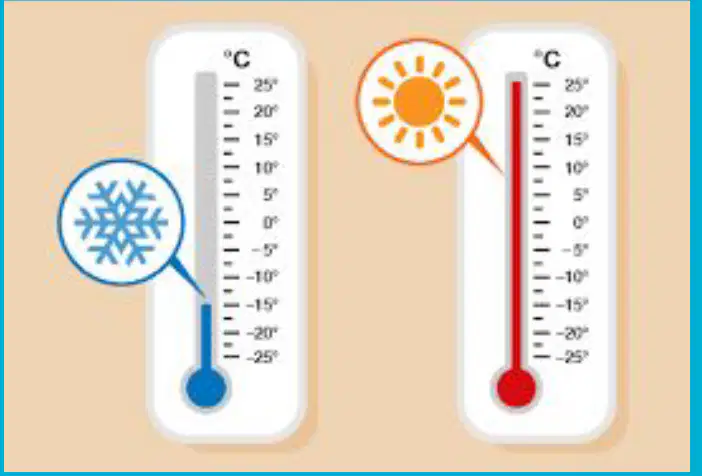
Which factor that affects climate is shown in the image?
Precipitation
Temperature
Wind
Humidity

According to the diagram, where does sunlight strike the Earth most directly?
At the poles
At the equator
At the Tropic of Cancer
At the Tropic of Capricorn
What is the definition of weather?
The study of stars
Daily or weekly temperature and conditions of an area.
The movement of the earth's plates
The amount of rainfall in a year
What is latitude?
Distance from the South Pole
Distance from the North Pole
Distance north or south from the equator
Distance east or west from the equator
How does elevation affect climate?
Higher elevations are typically warmer because they are closer to the sun.
Elevation does not have a significant impact on climate.
Higher elevations are typically colder due to lower air pressure and temperatures.
Climate is unaffected by elevation, but rather by latitude alone.
Which of the following best explains why coastal regions near the ocean have milder climates than inland areas?
Coastal regions are generally at lower elevations.
The ocean moderates temperatures through a sea breeze.
Coastal regions receive more sunlight.
The sand on the beach helps absorb the sunlight.
The table below classifies statements about patterns that happen in the sky. How should each column of the table be labeled to make the table correct?
Climate
Weather
Match the following climates with the ecosystem type.
Lots of rain, plants, animals. Found in the tropical zone.
Rainforest
Year round ice and snow. In the polar zone
Tundra
Hot and dry with plants and animals that retain water.
Desert
Swamps, bogs, marshes with shallow water, bugs, hot and humid weather.
Wetland
Flat, tall grassy area with sunlight and many plants and animals
Grasslands
The highest recorded temperature for Austin, Texas is 112 degrees fahrenheit.
Weather
Climate
The average yearly rainfall in Hawaii is 78 inches.
Weather
Climate
In a tropical rainforest it is very humid and rains almost every day.
Weather
Climate
What is a long-term weather pattern, including temperature, precipitation and wind?
Prescription
Forecast
Weather
Climate

