
 Worksheets
Groups of Verbs in French
Total questions: 83
Worksheet time: 42mins
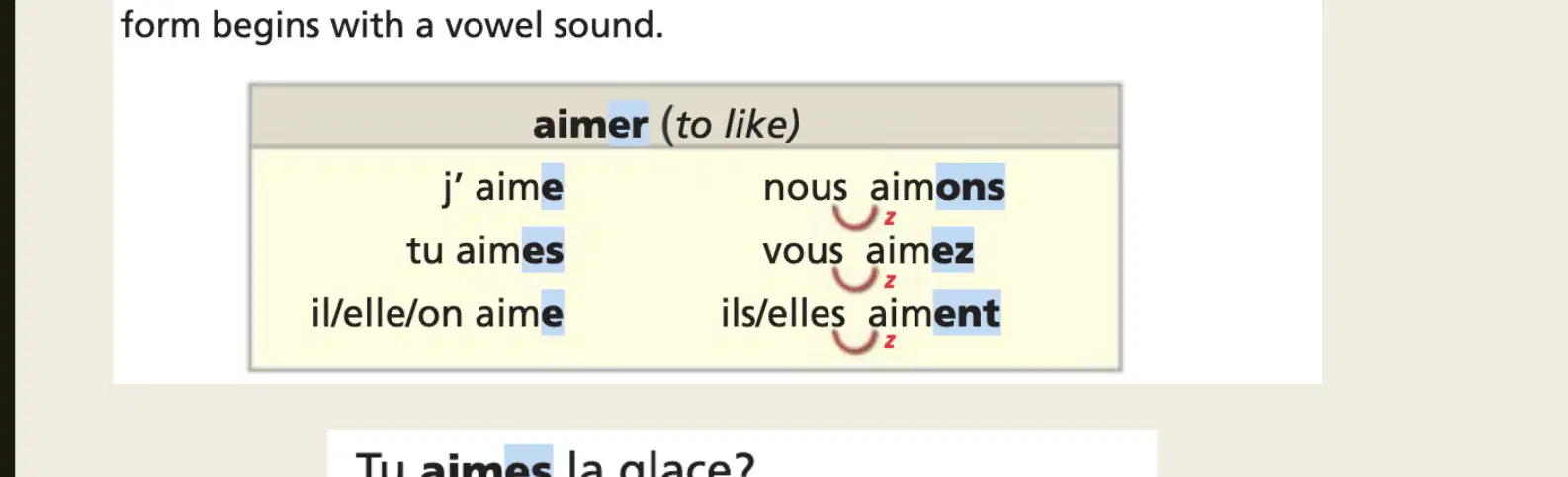
Fill in the blank with the correct form of 'aimer' for 'je': j' (a)
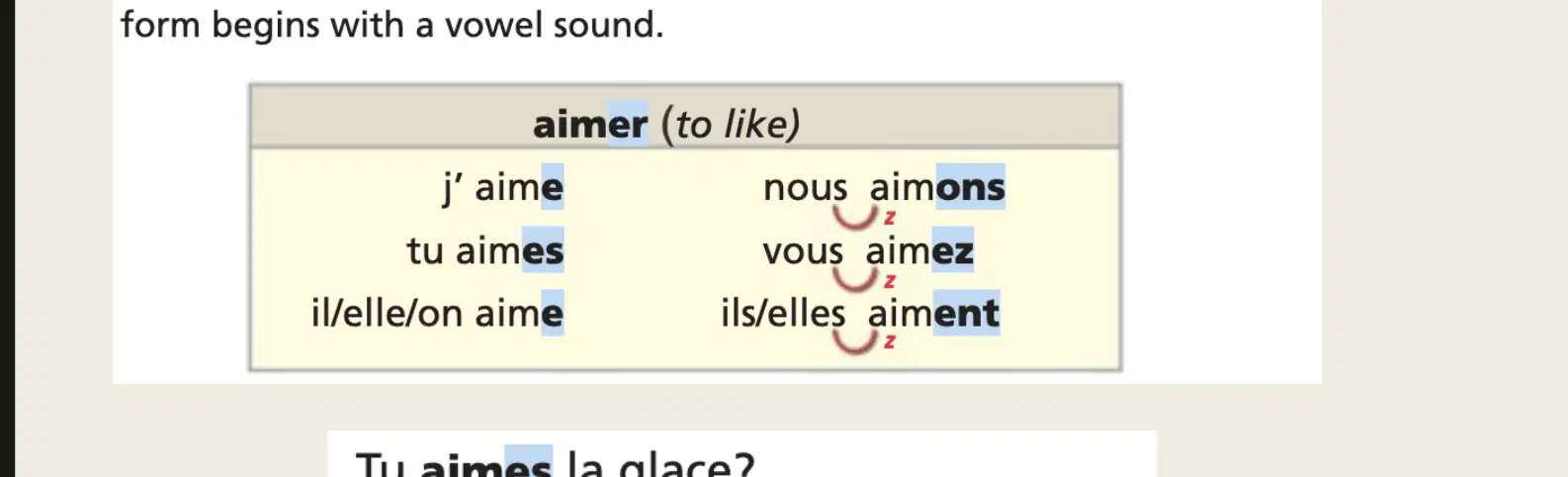
Fill in the blank with the correct form of 'aimer' for 'tu': tu (a)
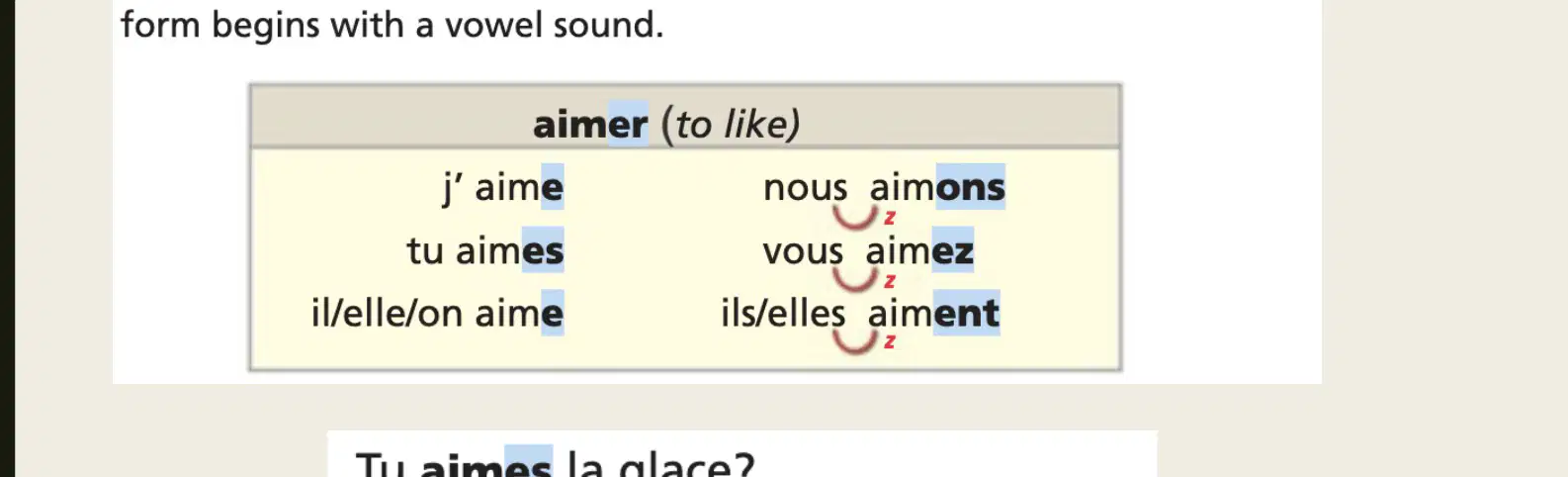
Fill in the blank with the correct form of 'aimer' for 'il/elle/on': il/elle/on (a)
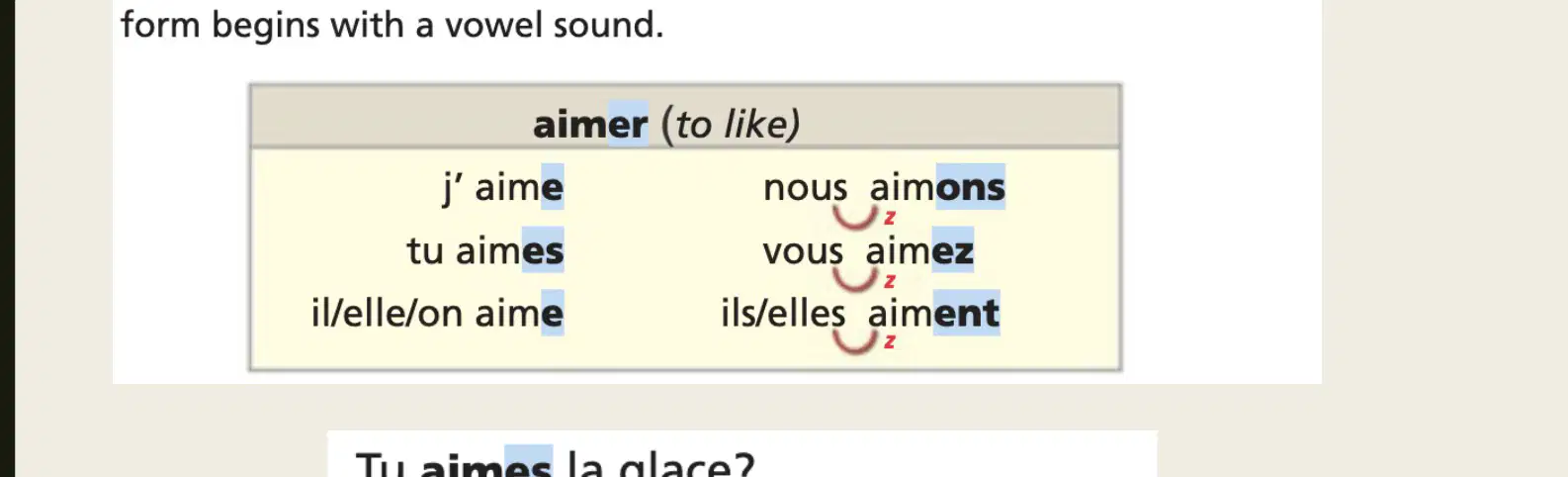
Fill in the blank with the correct form of 'aimer' for 'nous': nous (a)
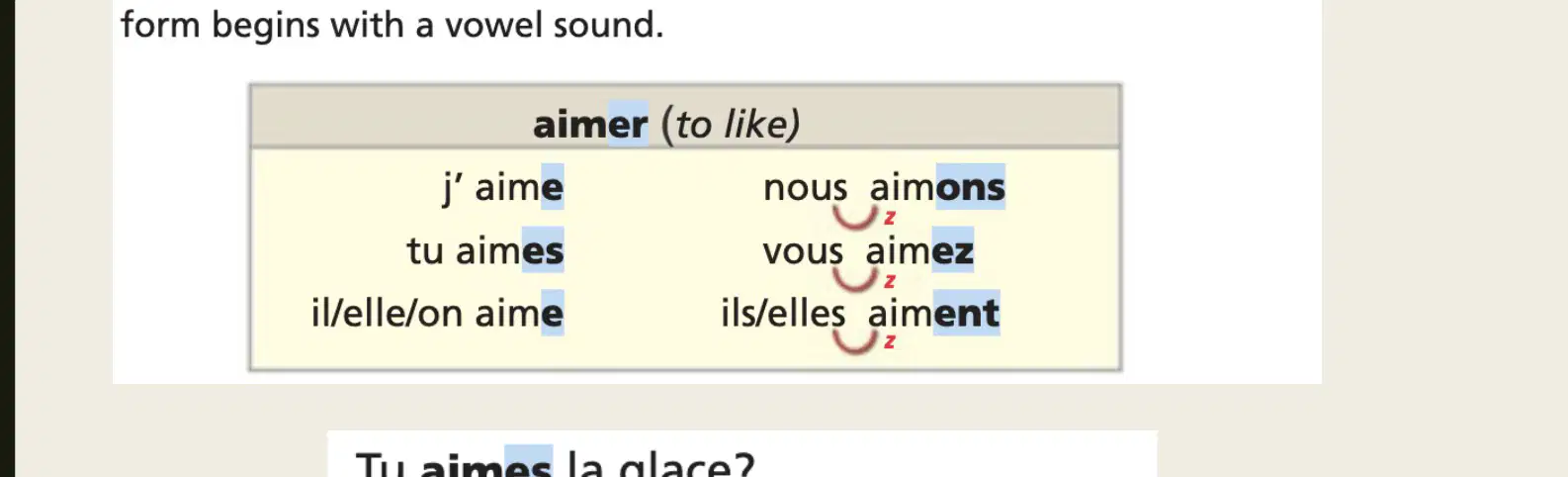
Fill in the blank with the correct form of 'aimer' for 'vous': vous (a)
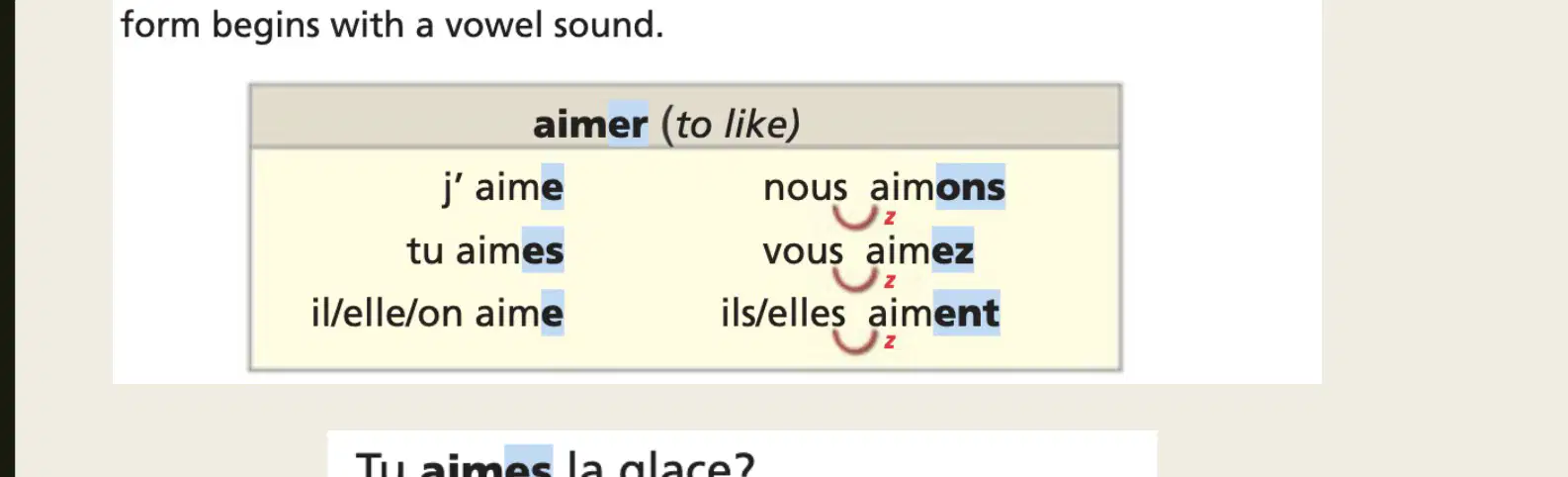
Fill in the blank with the correct form of 'aimer' for 'ils/elles': ils/elles (a)
Fill in the blank with the correct verb from the sentence: Tu (a) la glace?
Fill in the blank with the correct verb from the sentence: Ils (a) à des amis.
Fill in the blank with the correct verb from the sentence: Nous ne (a) pas la télé.
According to the rules for conjugating first group French verbs, what should you do first to conjugate a verb ending in -er in the present tense?
Add -er to the verb stem
Remove the infinitive ending (er)
Change the verb to past tense
Add -ing to the verb
In the example given, what is the stem of the verb 'Chercher' after removing the infinitive ending?
(a)
Which of the following are possible verb endings added to the stem of first group French verbs in the present tense?
-e, -es, -e, -ons, -ez, -ent
-ir, -is, -it, -issons, -issez, -issent
-re, -res, -re, -rons, -rez, -rent
-ant, -ons, -ez, -ent
Fill in the blank with the correct conjugation of 'chercher' for 'Je': Je (a) .
Fill in the blank with the correct conjugation of 'chercher' for 'Tu': Tu (a) .
Fill in the blank with the correct conjugation of 'chercher' for 'Il': Il (a) .
Fill in the blank with the correct conjugation of 'chercher' for 'Nous': Nous (a) .
Fill in the blank with the correct conjugation of 'chercher' for 'Vous': Vous (a) .
Fill in the blank with the correct conjugation of 'chercher' for 'Ils': Ils (a) .
Fill in the blank with the correct pronoun for the noun subject: King aime la musique (King = (a) )
Fill in the blank with the correct pronoun for the noun subjects: GodGiven, Savior, and Camila aiment les enfants (GodGiven, Savior, and Camila = (a) )
According to the table, which definite article is used for a masculine singular noun beginning with a consonant in French?
le
la
l'
les
According to the table, which definite article is used for a feminine singular noun beginning with a consonant in French?
le
la
l'
les
According to the table, which definite article is used for any plural noun in French, regardless of gender?
le
la
l'
les
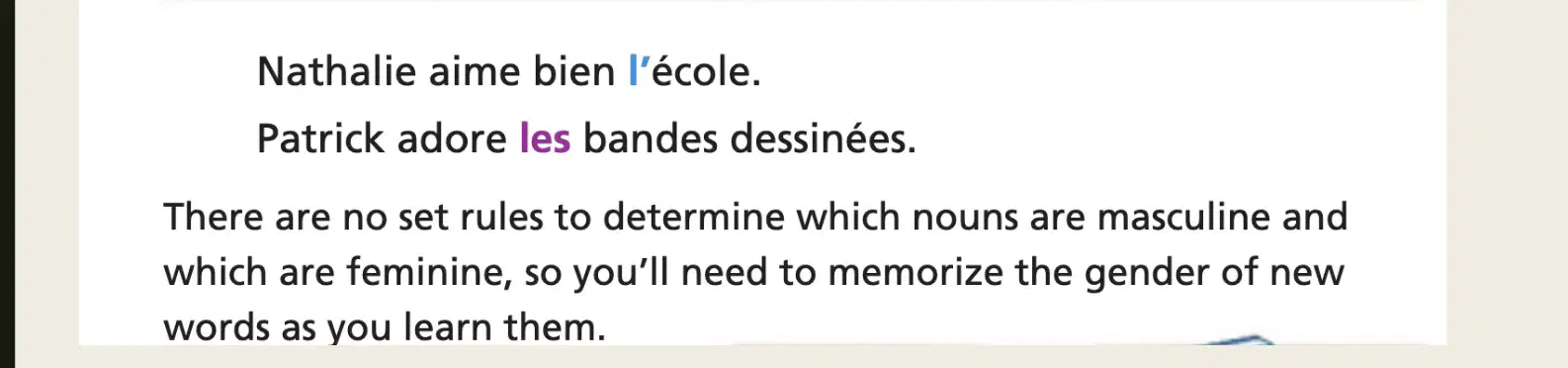
Fill in the blank with the correct definite article: Nathalie aime bien (a) école.
Fill in the blank with the correct definite article: Patrick adore (a) bandes dessinées.
Which of the following noun endings is typically masculine in French?
-ant, -ent
-ette
-tion
-ade
Which of the following is an exception to the masculine noun ending -ant, -ent?
le restaurant
le président
la dent
le professeur
Fill in the blank: The French word for 'teacher' is (a) and it is typically masculine.
Which of the following is NOT a typical masculine noun ending?
-eur
-ien
-ette
-on
Which of the following is an exception to the masculine noun ending -eur?
le danseur
la fleur
le professeur
le miroir
Fill in the blank: The French word for 'dog' is (a) and it is typically masculine.
Which of the following is a typical masculine noun ending in French?
-oir
-tion
-ade
-ette
Which of the following is an exception to the masculine noun ending -on?
le ballon
le bouton
la nation
le chat
Fill in the blank: The French word for 'son' is (a) and it is typically masculine.
According to the table 'Typical Endings of Feminine Nouns', which of the following noun endings is typically feminine in French?
-ance
-eur
-ment
-age
According to the table 'Typical Endings of Feminine Nouns', which of the following is an exception to the rule that nouns ending in -e are feminine?
la table
la robe
le livre
la chance
According to the table 'Typical Endings of Feminine Nouns', fill in the blank: The French word for 'beauty' is (a) and it is typically feminine.
According to the table 'Typical Endings of Feminine Nouns', which of the following is an exception to the -ion ending being feminine?
la nation
la décision
le million
la beauté
According to the table 'Typical Endings of Feminine Nouns', what is the French word for 'truth' and is it typically feminine or masculine?
(a)
Écrivons Fill in the blanks with the correct definite article. 1. J’adore (a) frites.
Écrivons Fill in the blanks with the correct definite article. 2. Tu aimes écouter (a) radio?
Écrivons Fill in the blanks with the correct definite article. 3. Moi, j’aime bien (a) école.
Écrivons Fill in the blanks with the correct definite article. 4. Je déteste étudier (a) mathématiques.
Écrivons Fill in the blanks with the correct definite article. 5. Tu aimes (a) roman Le Comte de Monte Cristo?
J’adore (a) frites.
Tu aimes écouter (a) radio?
Moi, j’aime bien (a) école.
Je déteste étudier (a) mathématiques.
Tu aimes (a) roman Le Comte de Monte Cristo?

What is the English translation of 'le chocolat'?
(a)

What is the English translation of 'les frites'?
(a)

What is the English translation of 'la glace'?
(a)

What is the English translation of 'un crayon (de couleur)'?
(a)

What is the English translation of 'un dessin'?
(a)
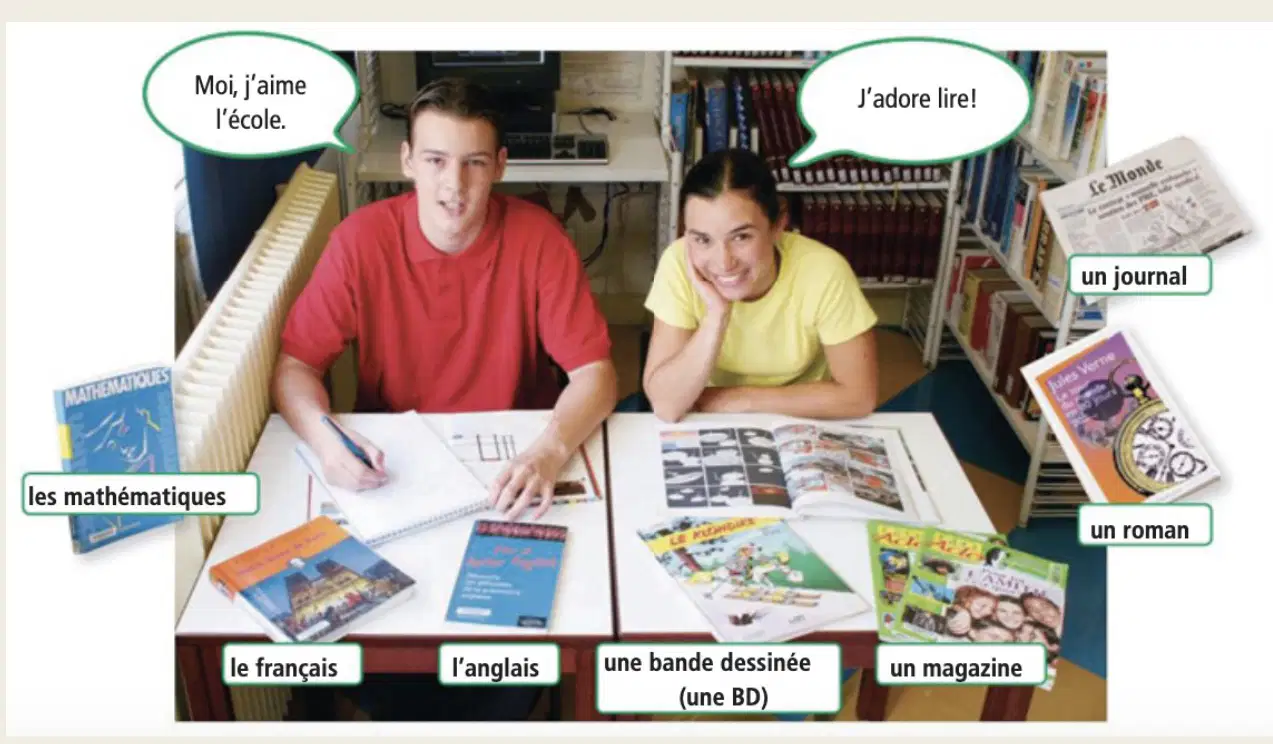
What is the English translation of 'les mathématiques'?
(a)
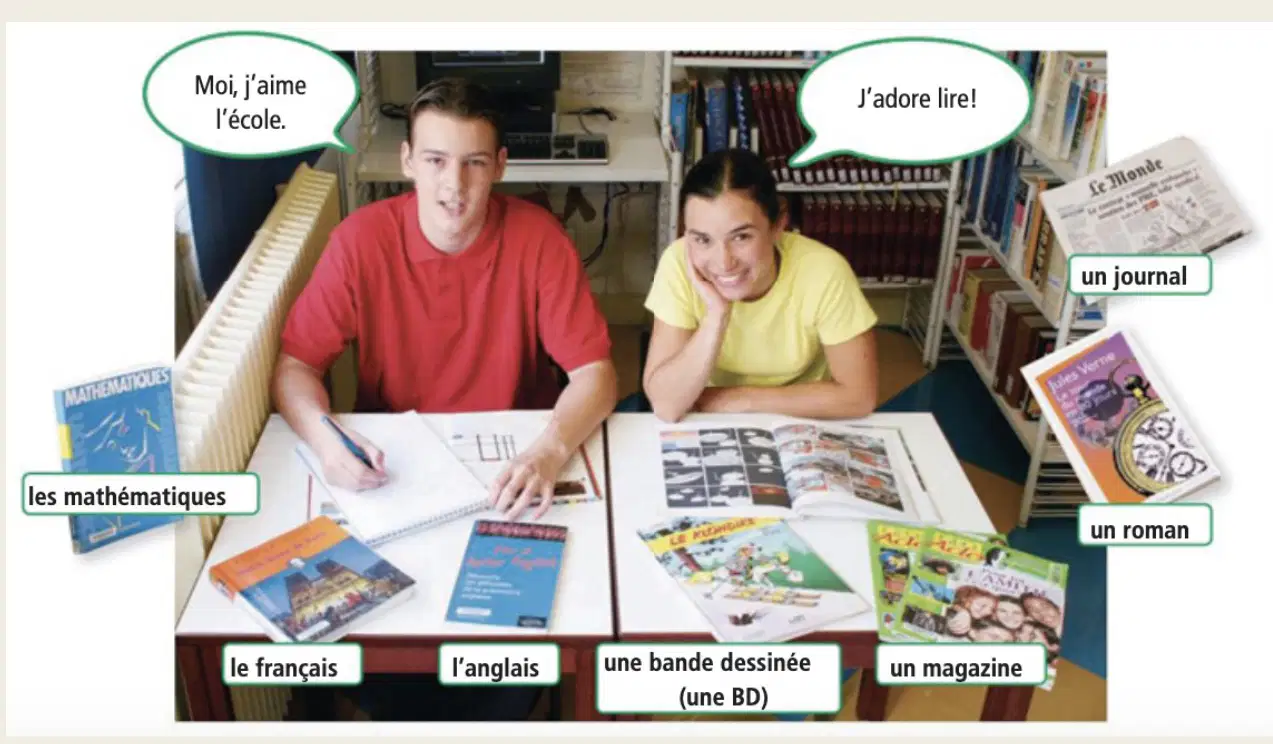
What is the English translation of 'le français'?
(a)

What is the English translation of 'l’anglais'?
(a)
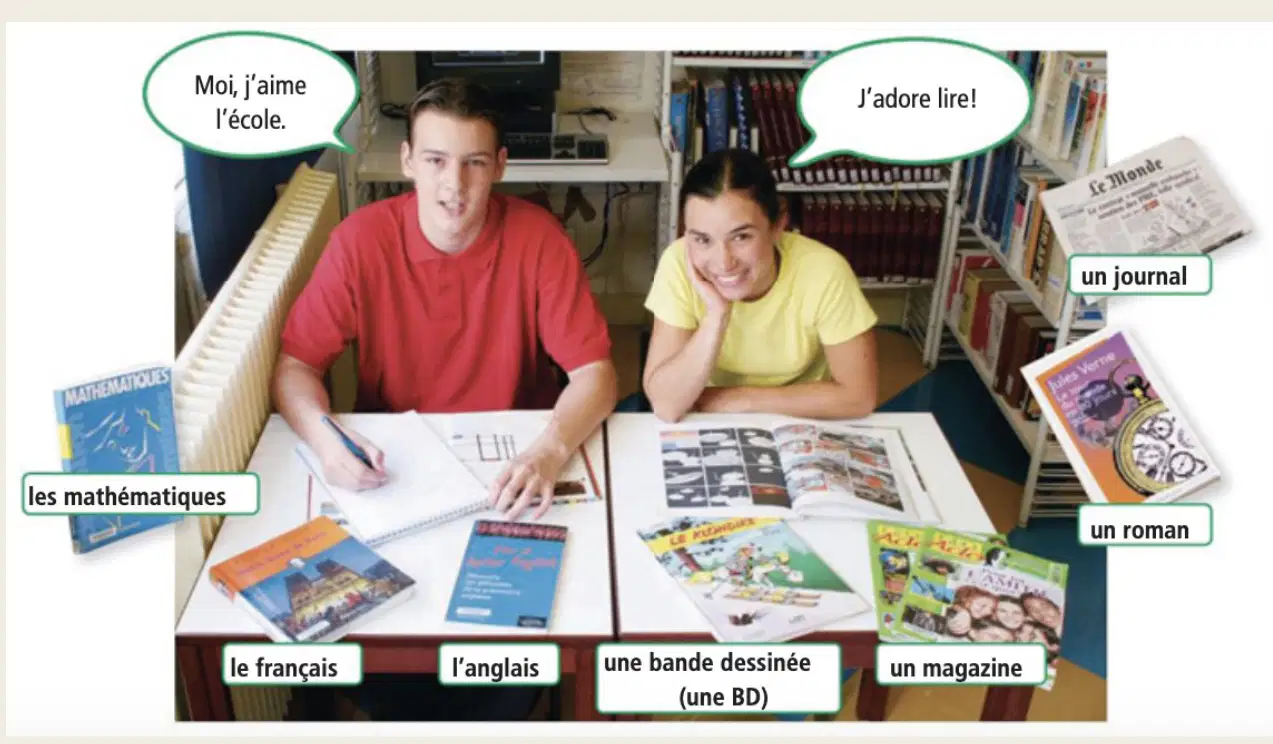
What is the English translation of 'une bande dessinée (une BD)'?
(a)

What is the English translation of 'un magazine'?
(a)
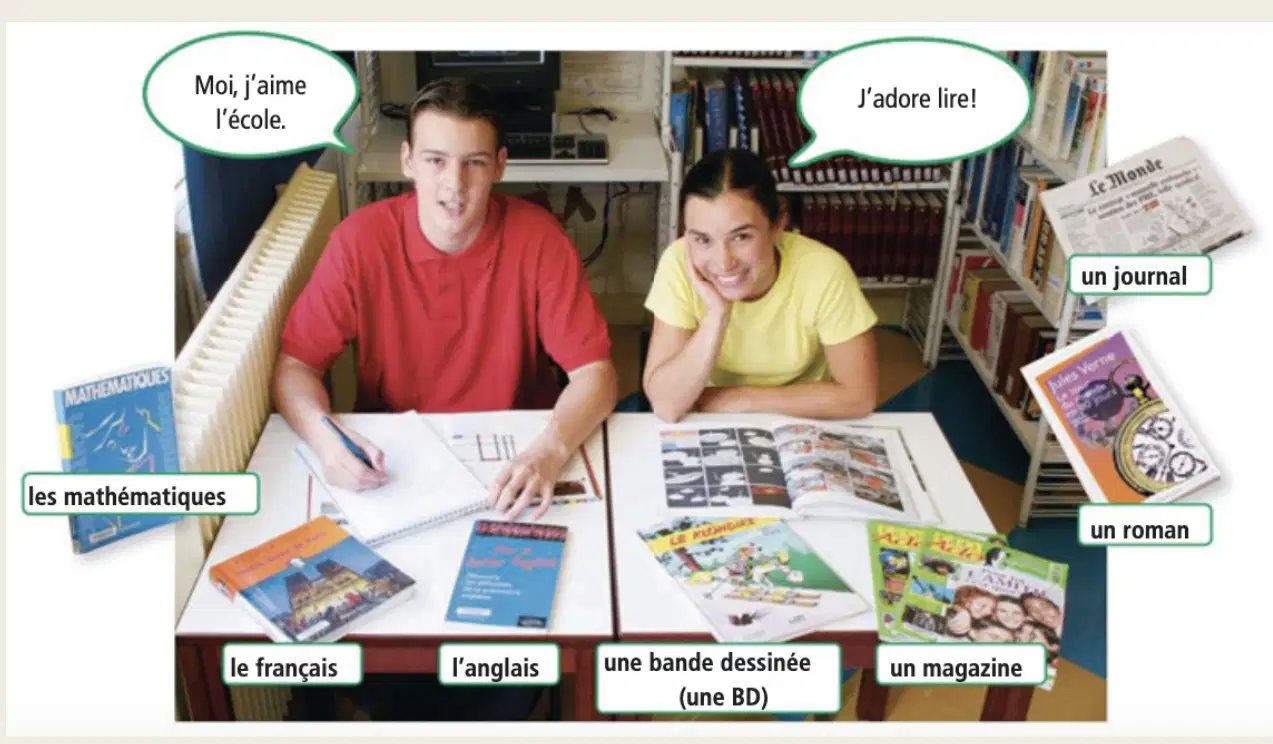
What is the English translation of 'un journal'?
(a)
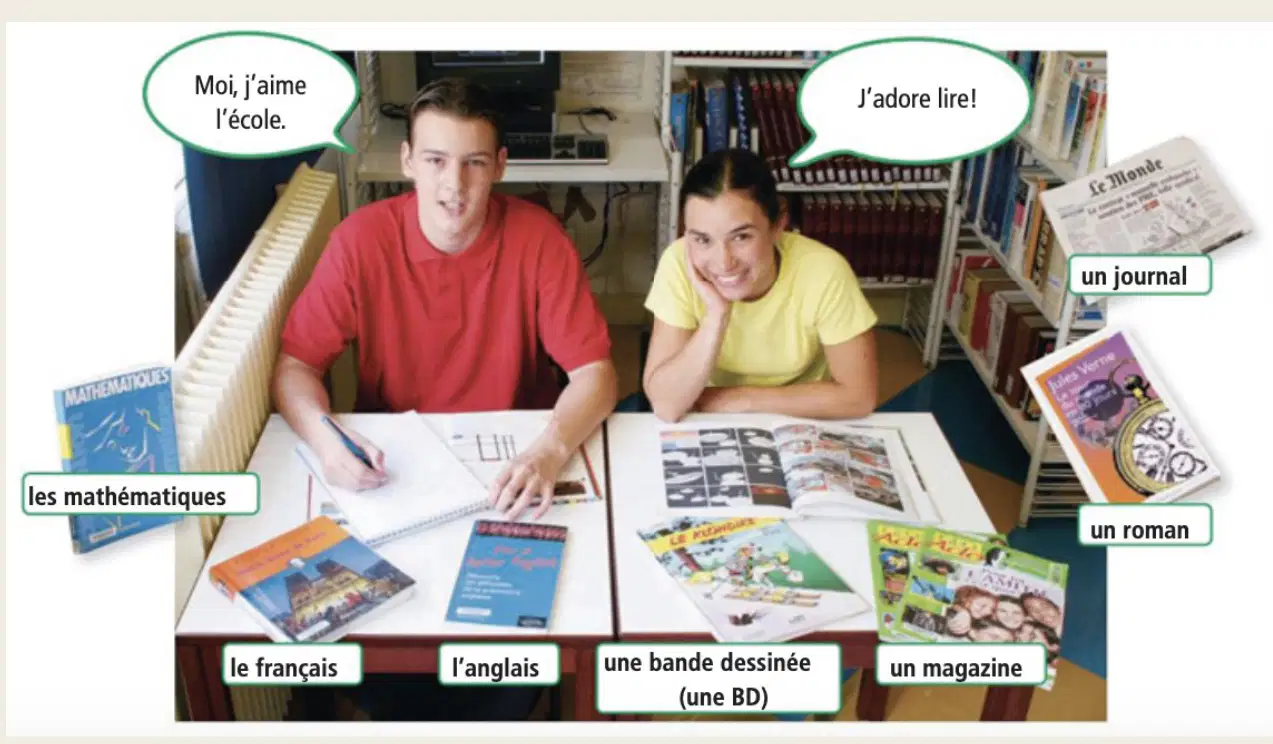
What is the English translation of 'un roman'?
(a)

What is the English translation of 'écouter de la musique'?
(a)

What is the English translation of 'téléphoner (à des amis)'?
(a)

What is the English translation of 'chanter'?
(a)

What is the English translation of 'surfer sur Internet'?
(a)
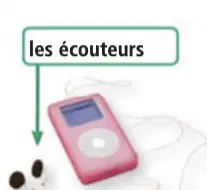
What is the English translation of 'les écouteurs'?
(a)
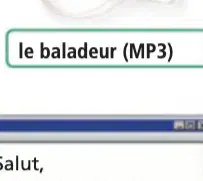
What is the English translation of 'le baladeur (MP3)'?
(a)
What is the English translation of 'la musique moderne'?
(a)

What is the English translation of 'la radio'?
(a)
What is the English translation of 'la musique classique'?
(a)
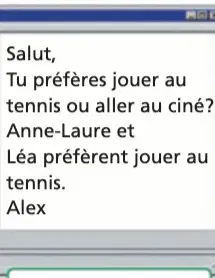
What is the English translation of 'envoyer un e-mail'?
(a)
What is the English translation of 'envoyer un SMS/un texto'?
(a)
What is the English translation of 'les vacances'?
(a)
What is the English translation of 'la voiture de sport'?
(a)
What is the English translation of 'dormir'?
(a)
What is the English translation of 'travailler'?
(a)
What is the English translation of 'étudier'?
(a)
What is the English translation of 'parler français/anglais'?
(a)
What is the English translation of 'regarder la télé(vision)'?
(a)
Fill in the blank: 'Aimez-vous étudier?' means (a) in English.
Fill in the blank: 'Qu’est-ce qu’ aimes-tu faire?' means (a) in English.
Fill in the blank: 'Tu aimes étudier?' means (a) in English.
Fill in the blank: 'Vous aimez étudier?' means (a) in English.

