wayground logo

Free Printable Worksheets

Font size

S
M
L
XL
Worksheets

Physical Science Check In Review

Total questions: 38

Worksheet time: 22mins

Name
Class
Date
1.
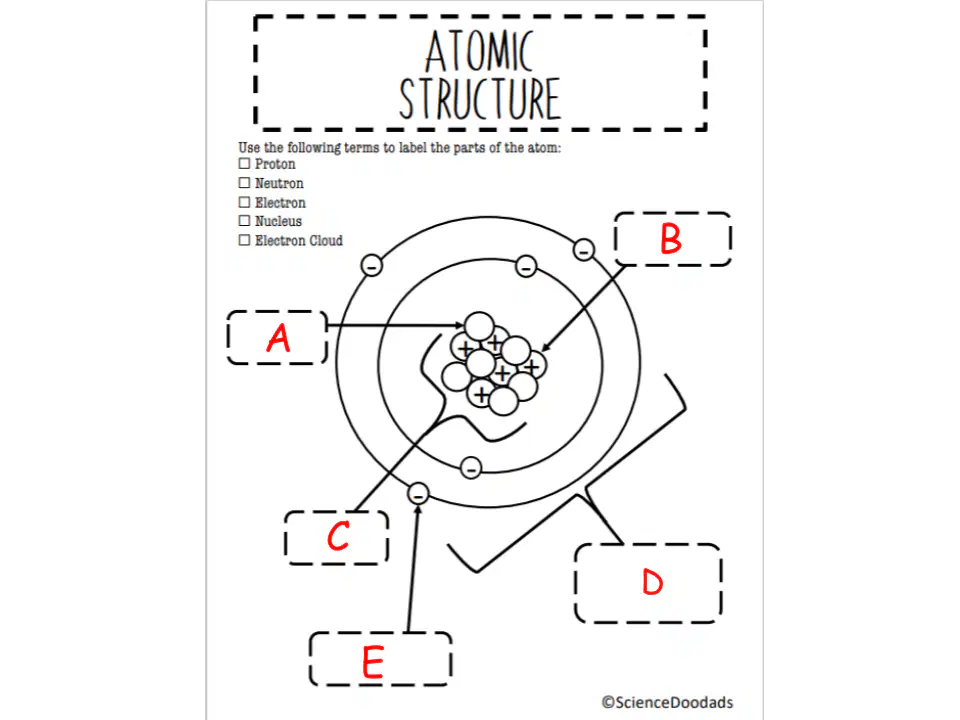
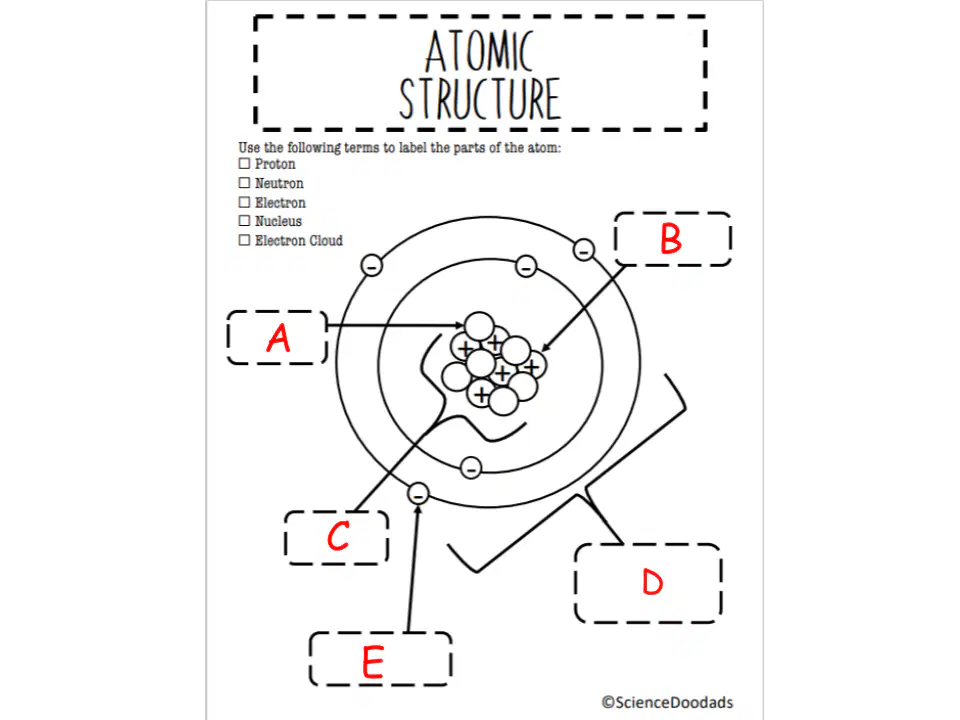
What subatomic particle is A?
a)
Proton
b)
Neutron
c)
Electron
d)
Nucleus
e)
Electron Cloud
2.
What subatomic particle is B?
a)
Proton
b)
Neutron
c)
Electron
d)
Nucleus
e)
Electron Cloud
3.
What subatomic particle is C?
a)
Proton
b)
Neutron
c)
Electron
d)
Nucleus
e)
Electron Cloud
4.
What subatomic particle is D?
a)
Proton
b)
Neutron
c)
Electron
d)
Nucleus
e)
Electron Cloud
5.
What subatomic particle is E?
a)
Proton
b)
Neutron
c)
Electron
d)
Nucleus
e)
Electron Cloud
6.
Where is a valence electron located?
a)
inside the nucleus
b)
on the outermost ring of the electron cloud
c)
this is not a real thing
d)
on the innermost ring of the electron cloud
7.

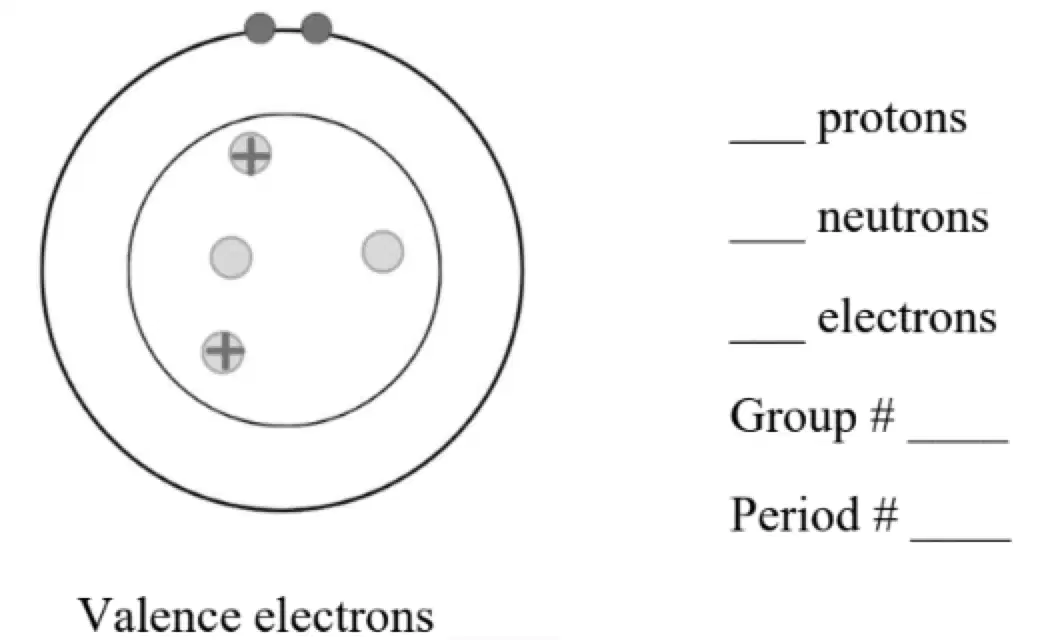
Fill out the information above. Name the element based on the Bohr model.

(a)  

8.

What group and period is this element located in?

(a)  

9.
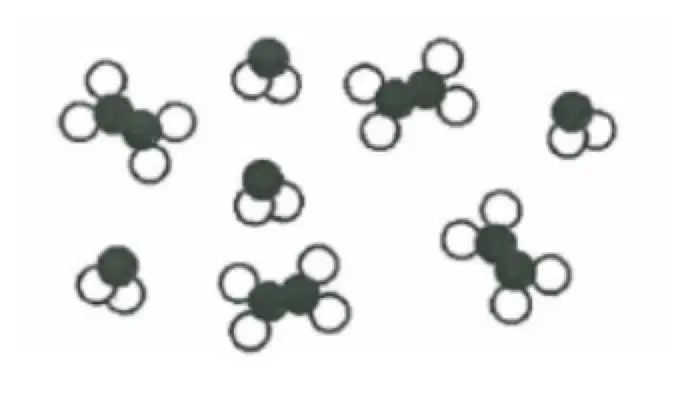
Choose the correct type of molecule
a)
Compound
b)
Element
c)
Mixture
d)
Mix of Elements and Compounds
e)
Mix of Compounds
10.
Choose the correct type of molecule
a)
Compound
b)
Element
c)
Mix of Elements and Compounds
d)
Mix of Compounds
e)
Mix of Elements
11.
Choose the correct type of molecule
a)
Compound
b)
Element
c)
Mix of Elements and Compounds
d)
Mix of Compounds
e)
Mix of Elements
12.
Choose the correct type of molecule
a)
Compound
b)
Element
c)
Mix of Elements and Compounds
d)
Mix of Compounds
e)
Mix of Elements
13.
Choose the correct type of molecule
a)
Compound
b)
Element
c)
Mix of Elements and Compounds
d)
Mix of Compounds
e)
Mix of Elements
14.
Which direction do groups run?
a)
Left to right
b)
Up and down
15.

How many groups are there?

(a)  

16.
Which direction do PERIODS run?
a)
Left to right
b)
Up and down
17.

How many periods are there?

(a)  

18.

Which element is located in group 12, period 6?

(a)  

19.

Which element is located in group 17, period 2?

(a)  

20.

Which element is located in group 2, period 4?

(a)  

21.
I am the part of the element square is is equal to the number of protons in an atom. What am I?
a)
Atomic Number
b)
Symbol
c)
Element Name
d)
Atomic Mass
22.
Protons + Neutrons = ________?__________
a)
Atomic Number
b)
Symbol
c)
Element Name
d)
Atomic Mass
23.

What is the element symbol for gold?

(a)  

24.

What element has the symbol Fe?

(a)  

25.
A student removes a loaf of hot bread from the oven. The student cuts a slice of the loaf and spreads butter on it
a)
Physical Change
b)
Chemical Change
26.
Your friend decides to toast a piece of bread but leaves it in the toaster too long. The bread is black, and the kitchen is full of smoke.
a)
Physical Change
b)
Chemical Change
27.
You forgot to dry the bread knife when you washed it, and reddish-brown spots appeared
a)
Physical Change
b)
Chemical Change
28.
You blow dry your wet hair
a)
Physical Change
b)
Chemical Change
29.
In baking biscuits and bread, the baking powder reacts to release carbon dioxide bubbles. The carbon dioxide bubbles cause the dough to rise.
a)
Physical Change
b)
Chemical Change
30.
Physical changes can be reversed and will not change the physical appearance of the atom.
a)
True
b)
False
31.
Chemical changes can be reversed and no change occurs
a)
True
b)
False
32.
Click all of the elements that are in the molecule KNO₃ (Check all that apply)
a)
Oxygen
b)
Helium
c)
Potassium
d)
Nitrogen
e)
Keratin
33.
What does the subscript tell us?
a)
How many molecules there are in an equation
b)
How many atoms of an element there are
34.
Where is the coefficient tell us?
a)
How many molecules there are in an equation
b)
How many atoms of an element there are
35.
Is this equation balanced or unbalanced?
a)
Balanced
b)
Unbalanced
36.
Is this equation balanced or unbalanced?
a)
Balanced
b)
Unbalanced
37.
Is this equation balanced or unbalanced?
a)
Balanced
b)
Unbalanced
38-40.

Chemical Change Lab in a Closed System

In a chemical change lab, students often explore the fascinating world of chemical reactions. One of the key signs of a chemical change is the formation of a new substance. This can be observed through changes in color, temperature, or the production of gas. For example, when vinegar reacts with baking soda, bubbles form, indicating a chemical change. These signs help students identify when a chemical reaction has occurred.

Another important concept in a chemical change lab is the conservation of mass. In a closed system, the mass of the reactants equals the mass of the products. This means that no mass is lost or gained during the reaction. The principle of conservation of mass is fundamental in understanding chemical reactions. It helps students realize that atoms are simply rearranged, not destroyed or created.

Reactants and products are crucial components of any chemical reaction. Reactants are the starting substances that undergo a chemical change. Products are the new substances formed as a result of the reaction. In a chemical equation, reactants are written on the left side, while products are on the right. This notation helps students visualize the transformation that occurs during a chemical reaction.

Understanding chemical changes in a closed system provides valuable insights into the nature of matter. It allows students to see the interconnectedness of different scientific principles. By observing signs of chemical change, they learn to identify reactions in everyday life. The conservation of mass reinforces the idea that matter is constant. Exploring reactants and products deepens their comprehension of chemical processes.

38.

What is one of the key signs of a chemical change?

a)

Formation of a new substance

b)

Increase in mass

c)

Decrease in temperature

d)

No change in color

39.

In a closed system, what happens to the mass of the reactants and products during a chemical reaction?

a)

The mass remains the same

b)

The mass increases

c)

The mass decreases

d)

The mass is unpredictable

40.

What are the starting substances in a chemical reaction called?

a)

Reactants

b)

Products

c)

Catalysts

d)

Enzymes