
 Worksheets
Earth's Layers & Plate Tectonics
Total questions: 29
Worksheet time: 15mins
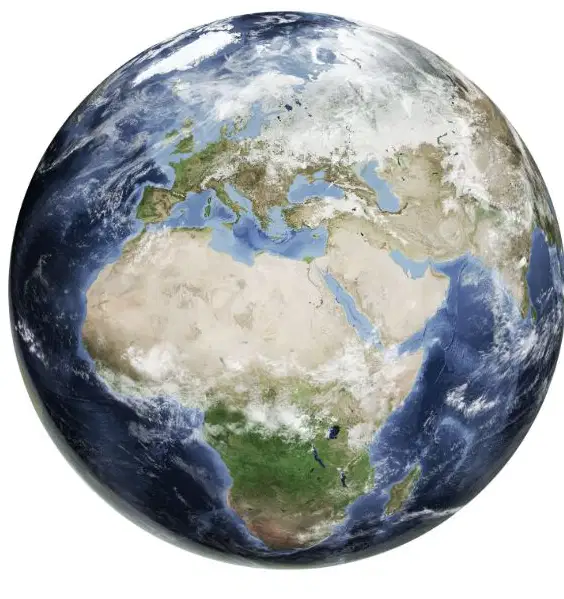
What percentage of Earth's volume does the mantle make up?
50%
84%
25%
70%
What is the mantle primarily composed of?
Silicate rocks rich in magnesium and iron
Pure iron
Granite and basalt
Water and air
What role does the mantle play in plate tectonics?
It prevents volcanic activity
It drives plate tectonics through convective movements
It cools the Earth's core
It creates ocean currents
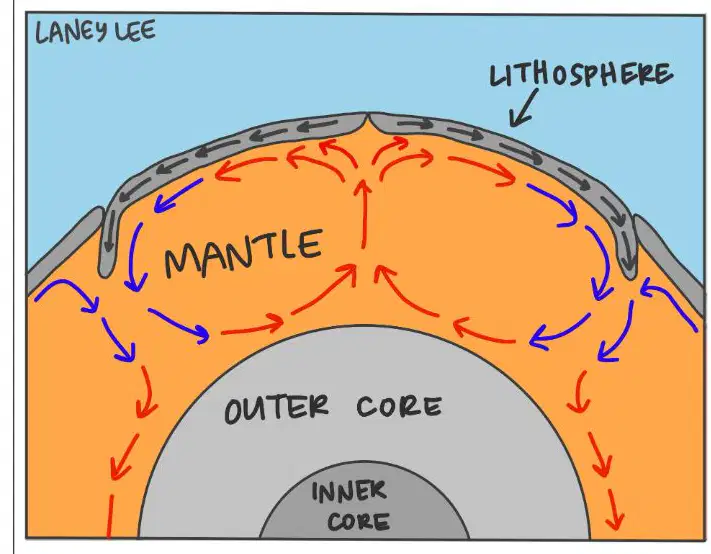
What is the role of convection currents in the asthenosphere?
They create ocean waves
They drive lithospheric plate movement
They cause volcanic eruptions
They influence weather patterns
Which layer of the Earth is the thickest?
Crust
Mantle
Outer Core
Inner Core
What is the outer core of the Earth made of?
Solid rock
Liquid metal
Dense gas
Ice
What is the composition of the Earth's inner core?
Liquid metal
Dense solid
Soft rock
Gaseous layer
Which layer of the Earth is the thinnest?
Mantle
Outer Core
Inner Core
Crust

What is the innermost layer of the Earth called?
Outer Core
Mantle
Inner Core
Crust
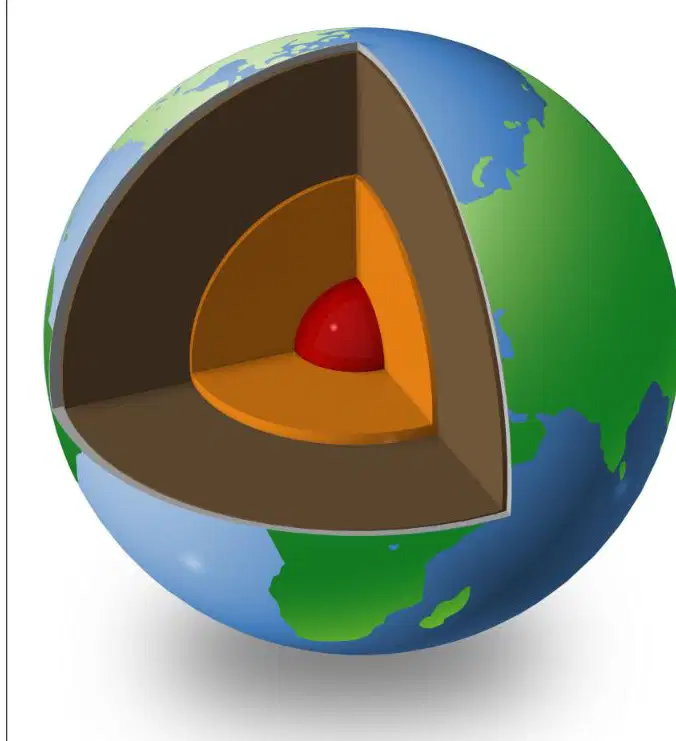
Which layer of the Earth is the least dense?
Inner Core
Outer Core
Mantle
Crust
Which layer of the Earth is the densest and composed mainly of iron and nickel?
Crust
Mantle
Inner Core
Outer Core
What is the primary composition of the Earth's outer core?
Solid rock
Molten metals
Silicate rocks
Granite and basalt
Which layer of the Earth has medium density and influences tectonic activity?
Crust
Inner Core
Outer Core
Mantle
What type of rocks primarily make up the Earth's crust?
Iron and nickel
Molten metals
Silicate rocks
Granite and basalt
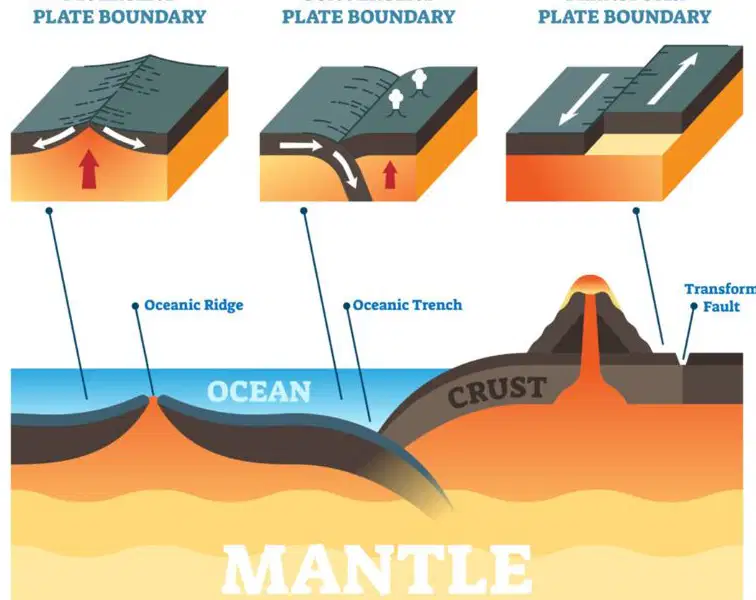
What occurs at divergent plate boundaries?
Plates move apart, forming new crust
Plates move towards each other, creating mountains
Plates slide horizontally past one another
Plates remain stationary
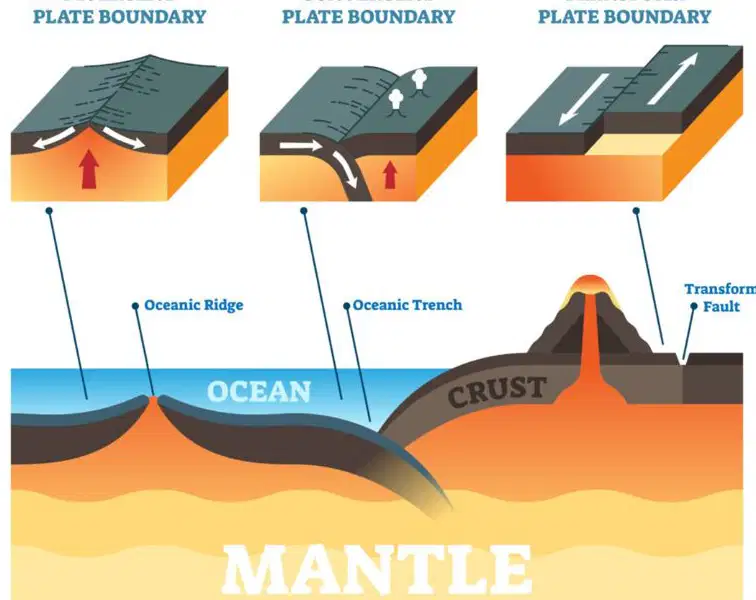
Which type of plate boundary is associated with the creation of mountains?
Divergent boundaries
Convergent boundaries
Transform boundaries
Stationary boundaries
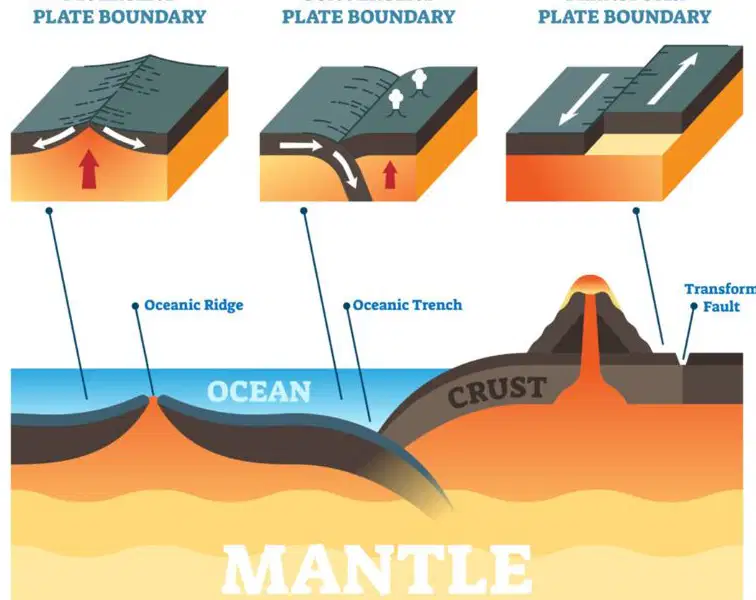
What is a characteristic of transform plate boundaries?
Formation of mid-ocean ridges
Creation of subduction zones
Plates sliding horizontally past each other
Formation of volcanic islands
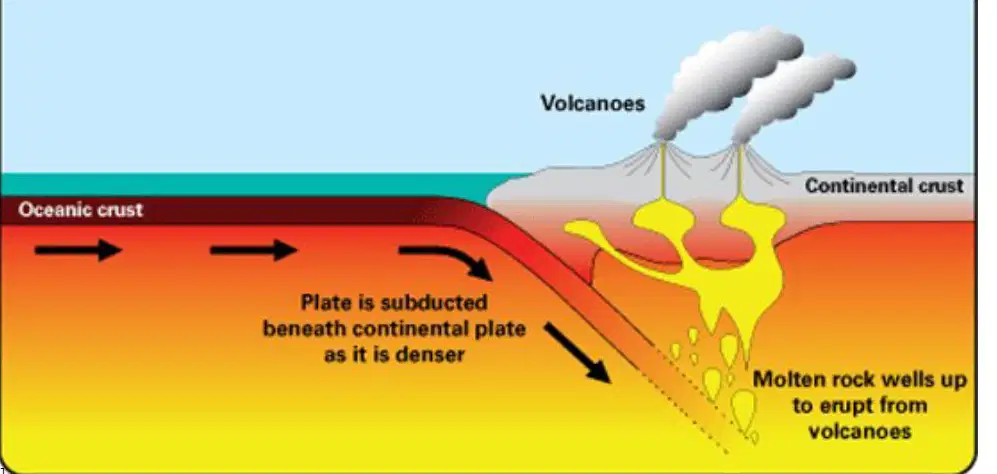
What happens when tectonic plates fold on one another?
Earthquakes occur
Mountains are formed
Volcanoes are formed
Rivers change course
What causes mantle melting and magma formation at convergent boundaries?
Subduction
Erosion
Weathering
Sedimentation
What is the result of subduction at convergent boundaries?
Volcanic eruptions
Earthquakes
Tsunamis
Hurricanes
What are the two main elements that make up the Earth's crust?
Iron and Nickel
Silicon and Oxygen
Hydrogen and Helium
Carbon and Nitrogen

Why is older oceanic crust more dense than new oceanic crust?
It is closer to the Earth's core
It is made of different materials
It cools and hardens as it moves away from the ridge
It is affected by ocean currents
What geological feature is formed by tectonic plates moving away from each other?
Mountains
Rift Valleys
Volcanoes
Earthquakes
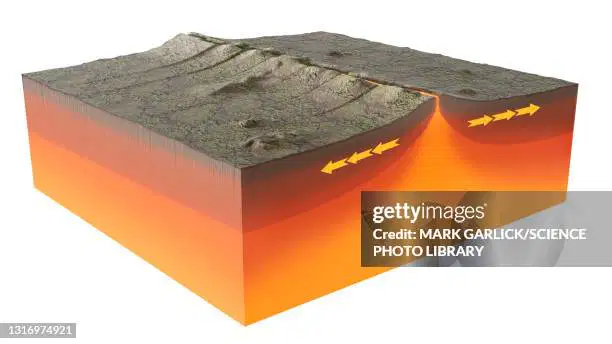
What type of plate boundary creates rift valleys?
Convergent boundaries
Transform boundaries
Divergent boundaries
Static boundaries
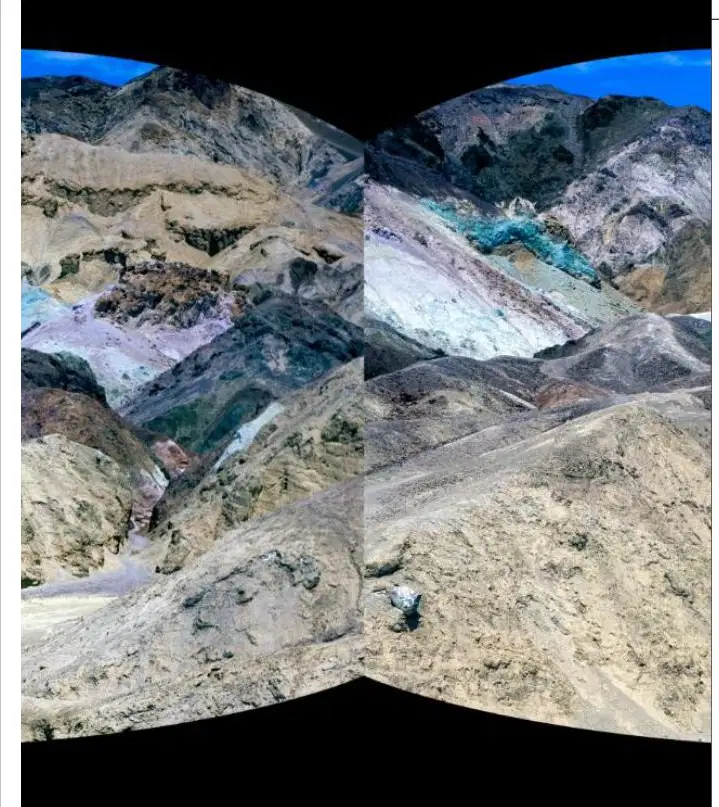
Which of the following is evidence for the existence of Pangea based on land formations?
Different landforms on the same continent
Matching landforms and rocks on separate continents
Unique landforms on each continent
Landforms that are only found underwater
What type of evidence involves finding identical fossils on different continents?
Climate Record Evidence
Fossil Record Evidence
Landform Evidence
Oceanic Evidence
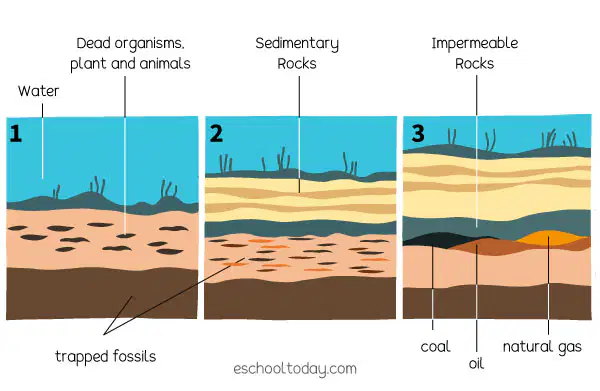
Why are fossil fuels considered non-renewable?
They form quickly and are easily replaced.
They form over millions of years and are used up rapidly.
They are made from renewable resources.
They are not used in modern industries.
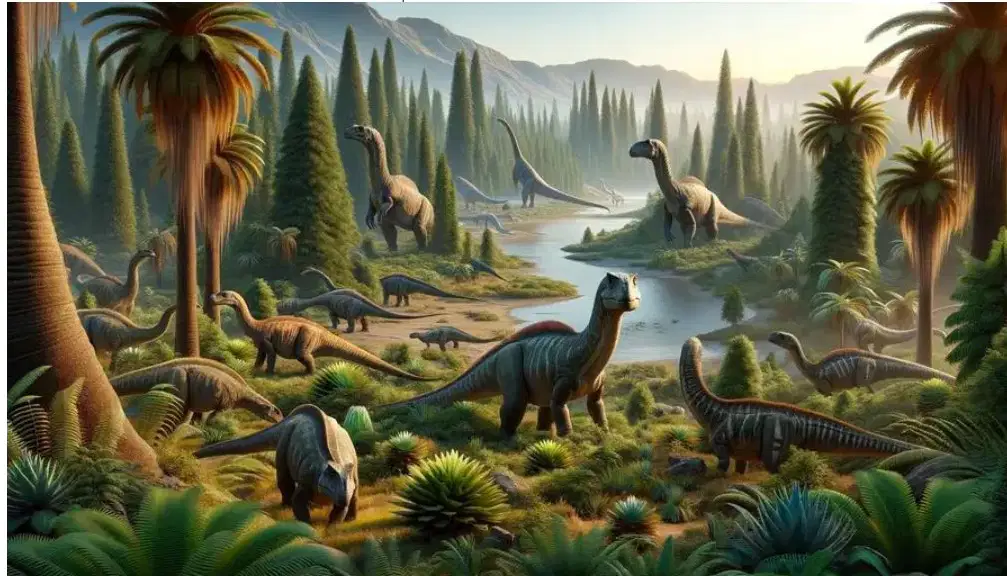
What do fossils indicate?
Ancient environmental conditions
Future climate predictions
Modern animal behavior
Current weather patterns
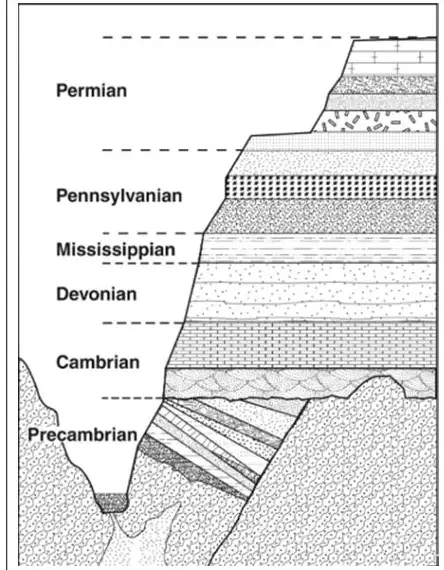
The most recent rocks of the Grand Canyon formed during which geologic period?
Permian
Pennsylvanian
Mississippian
Devonian

