
 Worksheets
General Theory of Administration (TGA)
Total questions: 95
Worksheet time: 2hrs 35mins
O que significa TGA no contexto da administração?
Teoria Geral da Administração
Transação Geral de Ativos
Termo de Garantia Administrativa
Técnicas de Gestão Avançada
Liste as cinco variáveis que compõem as teorias da administração de acordo com o texto.
Tarefas, estrutura, pessoas, ambiente e tecnologia.
Metas, liderança, finanças, marketing e inovação.
Planejar, organizar, comandar, coordenar e controlar.
Visão, missão, valores, objetivos e estratégia.
A Teoria Geral da Administração é composta por princípios, proposições e técnicas em permanente elaboração.
Verdadeiro
Falso
De acordo com o texto, cada variável da administração provocou, em seu tempo, uma teoria administrativa diferente, marcando um passo gradual no desenvolvimento da TGA.
Verdadeiro
Falso
Como as teorias da administração podem ser divididas, de acordo com o texto?
Elas podem ser divididas em várias correntes ou abordagens.
Elas só podem ser divididas por períodos históricos.
Elas são divididas com base em regiões geográficas.
Elas são divididas de acordo com o tamanho das organizações.
Em que ano foi introduzida a teoria da Administração Científica?
1903
1911
1920
1895
Qual teoria foi introduzida em 1909?
Teoria da Burocracia
Teoria das Relações Humanas
Teoria Clássica da Administração
Teoria dos Sistemas
Em que ano foi introduzida a Teoria Clássica da Administração?
1916
1925
1905
1930
Qual teoria foi introduzida em 1932?
Teoria das Relações Humanas
Teoria Clássica da Administração
Teoria da Burocracia
Teoria dos Sistemas
Em que ano foi introduzida a Teoria Estruturalista?
1947
1955
1962
1939
Qual teoria foi introduzida em 1951?
Teoria dos Sistemas
Teoria da Evolução
Teoria da Relatividade
Teoria do Big Bang
Em que ano foi introduzida a Teoria Neoclássica da Administração?
1954
1949
1960
1972
Qual teoria foi introduzida em 1957?
Teoria Comportamental (Behavioral Theory)
Teoria Clássica (Classical Theory)
Teoria das Relações Humanas (Human Relations Theory)
Teoria Estruturalista (Structuralist Theory)
Qual teoria administrativa enfatiza a racionalização do trabalho no nível operacional?
Teoria da burocracia
Administração científica
Teoria comportamental
Teoria dos sistemas
Quais teorias estão associadas à ênfase na 'Estrutura' e foco na 'Organização Formal; Princípios gerais da Administração'?
Teoria comportamental
Teoria clássica e Teoria neoclássica
Teoria da contingência
Teoria dos sistemas
Preencha a lacuna: O foco principal da 'Teoria das relações humanas' é _________
Organização informal; Motivação, liderança, comunicações e dinâmica de grupo
Controle rígido de processos e tarefas
Ênfase exclusiva na estrutura formal
Adoção de tecnologia avançada como prioridade
Qual teoria está associada a 'Estilos de Administração; Teoria das decisões; Integração dos objetivos organizacionais e individuais'?
Teoria comportamental
Teoria clássica
Teoria estruturalista
Teoria dos sistemas
A 'Teoria do desenvolvimento organizacional' enfatiza a mudança organizacional planejada e uma abordagem de sistema aberto.
Verdadeiro
Falso
Quais teorias focam na análise intraorganizacional e ambiental, bem como em uma abordagem de sistema aberto?
Teoria estruturalista e Teoria neo-estruturalista
Teoria clássica e Teoria das relações humanas
Teoria comportamental e Teoria da contingência
Teoria burocrática e Teoria matemática
A 'Teoria da contingência' está principalmente preocupada com a análise ambiental (imperativo ambiental) e uma abordagem de sistema aberto.
Verdadeiro
Falso
Qual teoria está relacionada à administração da tecnologia (imperativo tecnológico)?
Teoria dos sistemas
Teoria das relações humanas
Teoria da contingência
Teoria clássica
Preencha a lacuna: A teoria geral da administração começou com ênfase em ________, com a administração científica de Taylor.
tarefas
pessoas
recursos
tecnologia
Qual teoria enfatizou a estrutura, seguindo a teoria clássica de Fayol e a teoria burocrática de Max Weber, e mais tarde levou à teoria estruturalista?
Teoria humanística
Teoria clássica
Teoria estruturalista
Teoria burocrática
Preencha a lacuna: A reação humanista surgiu com ênfase nas ________, por meio da teoria comportamental e da teoria do desenvolvimento organizacional.
pessoas
tecnologia
estrutura
lucro
Preencha a lacuna: A ênfase no ambiente foi completada pela teoria ________, que mais tarde desenvolveu uma ênfase na tecnologia, incluindo a teoria dos sistemas.
contingencial
clássica
comportamental
administração científica
Qual das seguintes NÃO é uma das cinco variáveis que levaram a diferentes teorias administrativas?
A) Tarefas
B) Estrutura
C) Pessoas
D) Lucro
Preencha a lacuna: Cada teoria administrativa procurou privilegiar ou enfatizar uma das cinco variáveis, omitindo ou relegando todas as outras a um nível ________.
secundário
primário
terciário
mínimo
Qual é o foco das teorias que consideram a Administração uma ciência aplicada à racionalização e ao planejamento das atividades operacionais?
Ênfase nas pessoas
Ênfase nas tarefas
Ênfase na tecnologia
Ênfase nas finanças
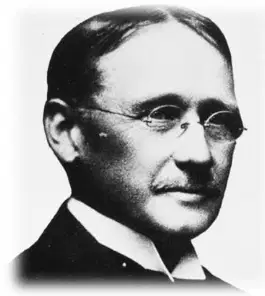
Quem foi o primeiro homem na história a considerar o trabalho digno de estudo e observação sistemática?
Frederick Winslow Taylor
Henry Ford
Elton Mayo
Frank Gilbreth
Frederick Winslow Taylor trabalhou entre 1874 e 1878 para uma empresa que fabricava _________?
bombas hidráulicas
motores a vapor
teares têxteis
vagões ferroviários
Em 1878, Taylor ingressou na Midvale Steel, uma ________, onde permaneceu por doze anos, terminando como engenheiro-chefe.
siderúrgica
fábrica têxtil
fábrica de automóveis
laboratório químico
A administração científica de Frederick Winslow Taylor levou a um aumento significativo da riqueza nos países desenvolvidos nos últimos 75 anos, beneficiando até mesmo os mais prósperos.
Verdadeiro
Falso
Qual das alternativas a seguir NÃO foi um problema observado nas operações de fábrica de acordo com o texto?
Falta de divisão de responsabilidades entre a administração e os trabalhadores
Altos incentivos para o desempenho dos trabalhadores
Trabalhadores não cumprindo suas responsabilidades
Decisões baseadas em intuição e suposições
Preencha a lacuna: De acordo com o texto, o sistema de administração de Taylor ficou conhecido como _________.
sistema de Taylor, taylorismo e administração científica
administração burocrática
administração participativa
administração humanística
administração empírica
A administração científica de Taylor está exclusivamente preocupada em racionalizar o trabalho do operário por meio do estudo do tempo e dos movimentos.
Verdadeiro
Falso
Qual era o principal foco dos estudos de Taylor de acordo com o texto?
Aumentar o tempo de lazer dos trabalhadores
Eliminar desperdícios e aumentar os níveis de produtividade
Reduzir o número de trabalhadores
Aumentar a variedade de produtos
Preencha a lacuna: As decisões dos administradores eram baseadas em _______ e _______.
intuição e suposição
lógica e evidência
regras e regulamentos
dados e análise
Houve integração entre os departamentos da empresa de acordo com os problemas listados no texto.
Verdadeiro
Falso
De acordo com o texto, quem criou o sistema de Fordismo e em que ano ele foi implementado em sua indústria automobilística?
Henry Ford criou o sistema de Fordismo em 1914.
Karl Benz criou o sistema de Fordismo em 1920.
Thomas Edison criou o sistema de Fordismo em 1905.
Elon Musk criou o sistema de Fordismo em 2010.
Qual é o principal objetivo do sistema Fordista?
Aumentar o custo de produção
Reduzir ao máximo os custos de produção e baratear o produto, vendendo para o maior número possível de consumidores
Desacelerar o processo de produção
Fazer com que cada trabalhador execute todas as tarefas
No sistema Fordista, cada trabalhador realizava todas as etapas do processo de produção.
Verdadeiro
Falso
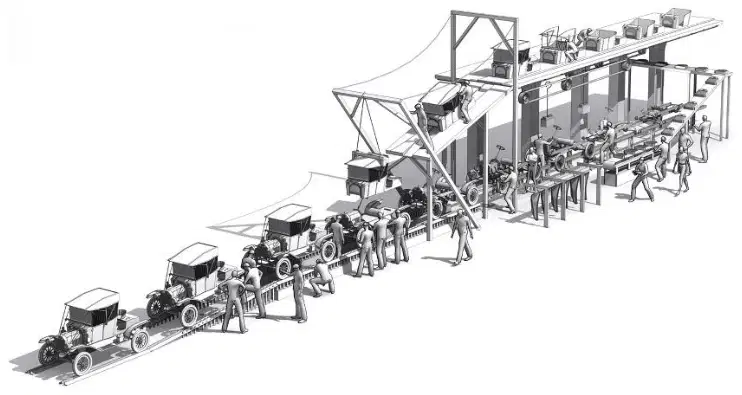
Que inovação o Fordismo trouxe para o processo de produção, de acordo com o texto?
O Fordismo introduziu a linha de montagem, onde cada trabalhador realizava uma pequena etapa, aumentando a velocidade da produção.
O Fordismo eliminou o uso de máquinas nas fábricas, contando apenas com o trabalho manual.
O Fordismo focava na produção de produtos personalizados e únicos para cada cliente.
O Fordismo incentivava os trabalhadores a trocar de tarefas frequentemente para evitar o tédio.
De acordo com o texto, por que não era necessário usar mão de obra altamente qualificada no Fordismo?
Porque cada trabalhador executava apenas uma pequena tarefa dentro de sua etapa de produção.
Porque as máquinas exigiam supervisão constante de especialistas.
Porque o processo de produção era altamente imprevisível.
Porque os trabalhadores podiam criar suas próprias tarefas.
Quais foram alguns dos problemas gerados pelo Fordismo para os trabalhadores?
Trabalho repetitivo e exaustivo
Alta qualificação profissional
Falta de visão geral de todas as etapas da produção
Altos salários
O sistema Fordista foi principalmente responsável por:
A produção de bens de luxo
A produção em massa de bens de vários tipos
A redução da produção
O aumento dos preços dos produtos
Na década de 1980, o Fordismo entrou em declínio devido ao surgimento de um sistema de produção mais eficiente. Qual é o nome desse sistema?
Toyotismo
Taylorismo
Pós-Fordismo
Manufatura Enxuta
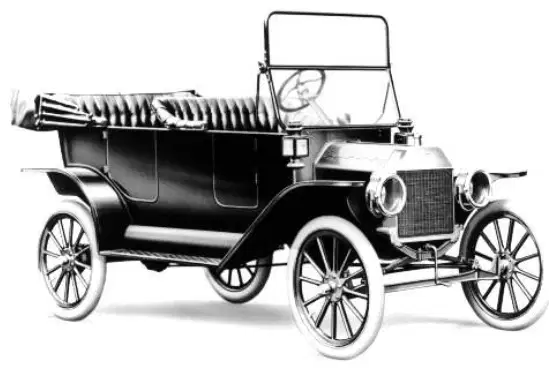
Qual sistema de produção está mais associado à produção em massa de carros como o mostrado na imagem?
Toyotismo
Fordismo
Produção artesanal
Produção enxuta
De acordo com a Teoria Clássica da Administração, quem idealizou essa teoria e qual era sua profissão?
Henri Fayol, um engenheiro de minas francês.
Max Weber, um sociólogo alemão.
Frederick Taylor, um engenheiro mecânico americano.
Elton Mayo, um psicólogo australiano.
A Teoria Clássica da Administração é caracterizada por sua ênfase em _________
estrutura organizacional
motivação dos funcionários
inovação tecnológica
satisfação do cliente
Fayol acreditava que os princípios da Teoria Clássica só poderiam ser aplicados a empresas industriais.
Verdadeiro
Falso
According to Fayol, what is the role of a leader in an organization?
The leader is the one who acts firmly, controlling, defining, and maintaining order in the organization.
The leader is responsible for only financial management within the organization.
The leader should focus solely on external communication and public relations.
The leader is expected to avoid making decisions and delegate all authority to subordinates.
Which of the following is NOT a criticism of the Classical Theory of Administration?
Manipulation of workers through material and salary incentives
Excessive unity of command and responsibility
Emphasis on worker creativity and autonomy
Focus on organizational structure
Fill in the blank: The principle that refers to the specialization of employees from the top of the hierarchy to the factory workers is called _________.
Division of Work (Divisão do Trabalho)
Unity of Command (Unidade de Comando)
Centralization (Centralização)
Scalar Chain (Cadeia Escalar)
Fill in the blank: The principle that states authority is the right of superiors to give orders and responsibility is the counterpart of authority is called _________.
Authority and Responsibility (Autoridade e Responsabilidade)
Unity of Command (Unidade de Comando)
Division of Work (Divisão do Trabalho)
Centralization (Centralização)
Fill in the blank: The principle that says an employee should receive orders from only one boss, avoiding conflicting orders, is called _________.
Unity of Command (Unidade de Comando)
Division of Work (Divisão do Trabalho)
Scalar Chain (Cadeia Escalar)
Centralization (Centralização)
Fill in the blank: The principle that states single control is made possible by applying a plan for a group of activities with the same objectives is called _________.
Unity of Direction (Unidade de Direção)
Division of Work (Divisão do Trabalho)
Scalar Chain (Cadeia Escalar)
Authority and Responsibility (Autoridade e Responsabilidade)
Fill in the blank: The principle that highlights the need for rules of conduct and work for all employees, and the absence of which leads to chaos, is called _________.
Discipline (Disciplina)
Equity (Equidad)
Initiative (Iniciativa)
Order (Orden)
Fill in the blank: The principle that states the general interests of the organization should prevail over individual interests is called _________.
Prevalence of General Interests (Prevalência dos Interesses Gerais)
Division of Labor (Divisão do Trabalho)
Unity of Command (Unidade de Comando)
Centralization (Centralização)
Fill in the blank: The principle that says compensation should be sufficient to guarantee the satisfaction of employees and the organization is called _________.
Remuneration (Remuneração)
Division of Work (Divisão do Trabalho)
Authority (Autoridade)
Discipline (Disciplina)
Fill in the blank: The principle that states 'As atividades vitais da organização e sua autoridade devem ser centralizadas.' is called _________.
Centralização
Descentralização
Delegação
Especialização
The principle that states 'Defesa incondicional da estrutura hierárquica, respeitando à risca uma linha de autoridade fixa.' is called:
Hierarquia
Disciplina
Equidade
Centralização
Fill in the blank: The principle that states 'Deve ser mantida em toda organização, preservando um lugar pra cada coisa e cada coisa em seu lugar.' is called _________.
Ordem
Disciplina
Planejamento
Hierarquia
Fill in the blank: The principle that states 'A justiça deve prevalecer em toda organização, justificando a lealdade e a devoção de cada funcionário à empresa.' is called _________.
Equidade
Disciplina
Autoridade
Centralização
Fill in the blank: The principle that states 'Uma rotatividade alta tem consequências negativas sobre desempenho da empresa e o moral dos funcionários.' is called _________.
Estabilidade dos funcionários
Remuneração variável
Promoção automática
Carga horária flexível
Fill in the blank: The principle that states 'Deve ser entendida como a capacidade de estabelecer um plano e cumpri-lo.' is called _________.
Iniciativa
Disciplina
Responsabilidade
Colaboração
Fill in the blank: The principle that states 'O trabalho deve ser conjunto, facilitado pela comunicação dentro da equipe.' is called _________.
Espírito de equipe
Divisão de tarefas
Hierarquia rígida
Isolamento profissional
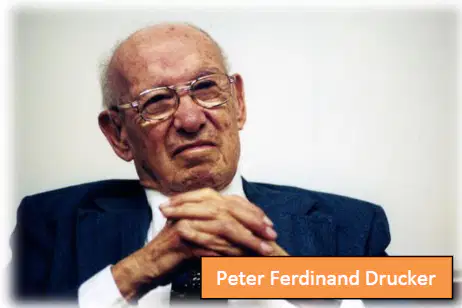
Who is considered the main author of the Neoclassical Theory of Administration?
Harold Koontz
Peter F. Drucker
George Terry
Louis Allen
The Neoclassical Theory emphasizes the concern of administrators (entrepreneurs, directors, and managers) in organizing a series of models and administrative techniques.
True
False
Which of the following is a main characteristic of the Neoclassical Theory of Administration?
A) Emphasis on the practice of administration
B) Rejection of classical postulates
C) Focus on individualism
D) Avoidance of departmentalization
Fill in the blank: One of the main characteristics of the Neoclassical Theory is the ________ of classical postulates.
reaffirmation
rejection
modification
elimination
Which of the following is NOT listed as a main characteristic of the Neoclassical Theory of Administration?
A) Emphasis on general principles of administration
B) Emphasis on objectives and results
C) Eclecticism in concepts
D) Avoidance of results
Fill in the blank: The Neoclassical Theory places emphasis on ________ in administration, such as dividing work into departments.
departmentalization
centralization
privatization
globalization
According to the text, what characterizes the Neoclassical Theory in Administration?
Emphasis on theoretical concepts only
Strong emphasis on practical aspects, pragmatism, and pursuit of concrete and tangible results
Focus on economic aspects only
Rejection of classical concepts
Fill in the blank: The Neoclassical Theory develops its concepts in a ______ and utilizable way, aiming at administrative action.
practical
theoretical
random
obsolete
The Neoclassical Theory disregards theoretical concepts in favor of only practical results.
True
False
According to the text, what is the relationship between Neoclassical Theory and Classical Theory?
Neoclassical Theory ignores Classical Theory
Neoclassical Theory reuses and restructures much of the material from Classical Theory to fit current conditions
Neoclassical Theory is identical to Classical Theory
Neoclassical Theory opposes all classical concepts
Fill in the blank: The structure of organization of the linear, functional, and staff type, as well as the problem of authority and responsibility, are ______ within the new neoclassical approach.
realigned
ignored
eliminated
centralized
According to the text, what do the neoclassicists emphasize in the principles of administration?
They emphasize establishing general principles of administration to guide the administrator in their functions, such as planning, organizing, directing, and controlling the work of subordinates.
They focus on the complete elimination of administrative hierarchy.
They prioritize the use of technology over human decision-making in administration.
They emphasize the decentralization of all administrative powers to subordinates.
What is the main focus of organizations according to the section 'ÊNFASE NOS OBJETIVOS E NOS RESULTADOS'?
The main focus is to achieve objectives and produce results.
The main focus is to increase the number of employees.
The main focus is to reduce operational costs only.
The main focus is to expand physical infrastructure.
The neoclassical theory is characterized by the absorption of content from more recent administrative theories and the aggregation of ideas from different sources.
True
False
Which of the following is NOT a function defined by the neoclassical principles of administration?
Planning
Organizing
Marketing
Controlling
According to the Bureaucratic Theory, what were the main reasons for its development around the 1940s?
The fragility and partiality of both Classical Theory and Human Relations Theory
The need for a rational organization model
The decrease in company size and complexity
The resurgence of the Sociology of Bureaucracy
The influence of Max Weber's work
Fill in the blank: The resurgence of the Sociology of Bureaucracy occurred due to the discovery of the works of ________, its creator.
Max Weber
Émile Durkheim
Karl Marx
Herbert Spencer
The main characteristic of a rational organization model according to Bureaucratic Theory is:
A clear hierarchy and set of rules
Flexible decision-making
Emphasis on personal relationships
Lack of formal structure
According to Bureaucratic Theory, emotions should interfere with a person's performance in an organization.
True
False
Fill in the blank: Bureaucratic Theory in Administration is a form of organization based on ________, that is, on the adequacy of means to ends to guarantee maximum efficiency in achieving objectives.
rationality
tradition
charisma
intuition
According to Max Weber, what does 'Formalização' mean in the context of bureaucracy?
All activities of an organization must be defined in writing and the organization must operate according to a set of laws or rules.
The organization must be led by a single charismatic leader who makes all decisions.
Employees are encouraged to ignore written rules in favor of personal judgment.
Formalização refers to the informal relationships between employees.
What is the meaning of 'Divisão do Trabalho' in Max Weber's theory of bureaucracy?
Each employee has a position with a set of official and defined duties, responsibilities, and attributions.
Employees are allowed to choose their own tasks daily.
All employees share the same responsibilities and duties.
There is no clear distinction between different job roles.
According to Max Weber, what does the 'Princípio da Hierarquia' state in a bureaucratic organization?
Each employee receives orders that guide their actions, and each lower function is under the control and supervision of a higher one, with each employee having only one boss.
All employees have equal authority and there is no distinction between higher and lower functions.
Employees are free to choose their tasks without supervision or control from higher authorities.
The organization operates without any formal structure or defined roles.
What does 'Impessoalidade' mean in the context of bureaucracy according to Max Weber?
The ideal employee acts with impartiality in relationships with other position holders, emphasizing the positions and not the people who occupy them.
It refers to the personal preferences of employees influencing decisions within the organization.
It means that employees should always prioritize their own interests over organizational rules.
It is the principle that encourages favoritism and personal relationships in the workplace.
What is 'Competência Técnica' in Max Weber's theory of bureaucracy? Fill in the blank: Competência Técnica means that the selection and promotion of employees are based on technical competence and professional qualification, without personal preferences.
The selection and promotion of employees are based on technical competence and professional qualification, without personal preferences.
The selection and promotion of employees are based on seniority and age.
The selection and promotion of employees are based on personal relationships and favoritism.
The selection and promotion of employees are based on random choice.
What does 'Profissionalização do funcionário' mean in the context of bureaucracy according to Max Weber?
Bureaucratic employees are professionals and specialists, hired according to their functions or hierarchical position, and their main activity is within the organization, with indefinite mandates and career progression.
It refers to employees being selected based on personal relationships and favoritism, with no clear career path.
It means that employees are only temporarily hired for specific projects, with no possibility of career advancement.
It describes a system where employees are chosen randomly, regardless of their qualifications or expertise.
According to the passage, the Theory of Bureaucracy conceived by Max Weber is immediately after which two theories?
Classical Theory and Human Relations Theory
Contingency Theory and Systems Theory
Behavioral Theory and Modern Theory
Scientific Management and Administrative Management
What was the main reason for the origin of the Theory of Bureaucracy according to the passage?
The need for a generalist and integrated approach to organizations.
The desire to eliminate all forms of hierarchy in organizations.
The focus on individual leadership styles over organizational structure.
The emphasis on informal relationships within organizations.
Which theory considered man as the greatest asset of organizations and advocated decentralization and participative administration?
The Human Relations Theory
The Scientific Management Theory
The Bureaucratic Theory
The Systems Theory

