
 Worksheets
Biomolecules and water Test Review
Total questions: 54
Worksheet time: 1hrs 3mins

protein

nucleic acid

carbohydrate

lipid
Match the following functions to the biomolecule
Act as hormones
Lipid
Build muscle
Protein
Carry genetic information
Nucleic acid
Energy source (cellular respiration)
Carbohydrate
A __________ consists of many monomers bonded together.
monomer
hydrocarbon
peptide
polymer
Match the qualities to the biomolecules.
sugar
glycosidic
quick energy
oils
Ester bonds
long term energy storage
build cell membrane
DNA/ RNA
hydrogen bonds
genetic information
lactase
peptide bonds
chemical reactions
amino acids
nucleotides
fatty acids and glycerol
monosaccharides
CHONP
CHON
enzymes
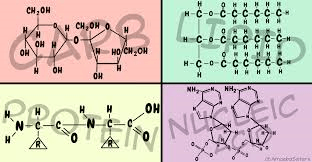
Name the Molecules in the diagram
Carbohydrate (Sugar)
Lipid (fatty Acid)
Protein (amino acid)
Nucleic Acid (nucleotide)

Complete the statements below by choosing the correct biomolecule.
(a) , such as glucose, provide us with quick energy source. (b) , which include fats, store energy that can be used later. (c) , which are composed of amino acids, help with muscle growth and repair. (d) , which include DNA and RNA, play a major role in the storage and expression of genetic information.
Lipids
Long term energy storage, and allow for transport of certain molecules in and out of the cell
Proteins
provide structure, includes enzymes that catalyze reactions inside the cell
Nucleic acids
Store genetic information for the cell
Carbohydrates
Provides energy for cellular processes, provides structure for cell walls


Select the rectangle that best answers the question.
Identify what types of biomolecules glycogen and lactase are.
Carbohydrates
Lipids
Protein
Nucleic Acids

Match the following structures with their correct descriptions.
Monosaccharide
Consists of sugar molecules.
Nucleic Acid
Consists of nucleotides.
Lipid
Consists of glycerol and fatty acids.
Protein
Consists of amino acids.
Match the following compounds as one of the macromolecules
Starch
Carbohydrates
Insulin
Protein
Steroids
lipid
Messenger RNA
nucleic acid
Match the following
Fast, short term energy
Carbohydrate
Instructional Code of Life
Nucleic Acid
Builds muscle, bone, and makes up hormones and enzymes
Proteins
Long term energy, cell membranes, and insulation
Lipids
Match the following structures to their biomolecule

Carbohydrate

Lipid

Protein

Nucleic Acid
Match the following
insulation
lipid
energy
carbohydrate
cell wall
cellulose
stores genetic information
DNA
Monomer of nucleic acids
nucleotide
Complete the statements below by choosing the correct biomolecule.
Biomolecules are substances that are produced by cells that have a variety of functions in our bodies.
(a) , such as glucose, provide us with quick energy source. (b) , which include fats, store energy that can be broken down to yield larger amounts of energy. (c) , which are composed of amino acids, help with muscle growth and repair. (d) , which include DNA and RNA, play a major role in the storage and expression of genetic information.

A table of four types of carbohydrates is shown.
Energy: glycogen and starch Structure: cellulose and chitin
Energy: cellulose and chitin Structure: glycogen and starch
Energy: chitin and glycogen Structure: cellulose and starch
Energy: cellulose and starch Structure: chitin and glycogen

Line B in the given graph represents the reaction with an enzyme added to substrates. How did the enzyme affect the reaction?
Increased the activation energy
Increase the energy change
Lowered the energy change
Lowered the activation energy
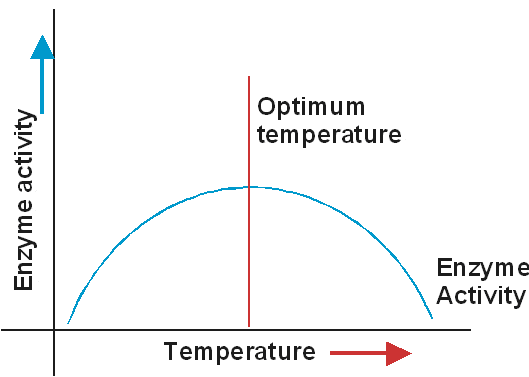

Which statement is a valid conclusion based on the information in the graph below?
Temperature can influence the rate of action of an enzyme.
The maximum rate of human respiration occurs at about 57°C.
Growth can be controlled by enzyme action.
The maximum rate of human digestion occurs at about 45°C.
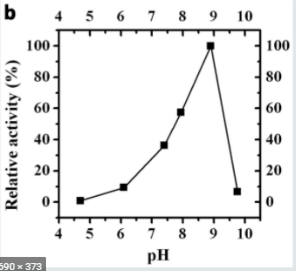
What is the optimal pH for this enzyme?
6
10
9
7

A
B
C
D

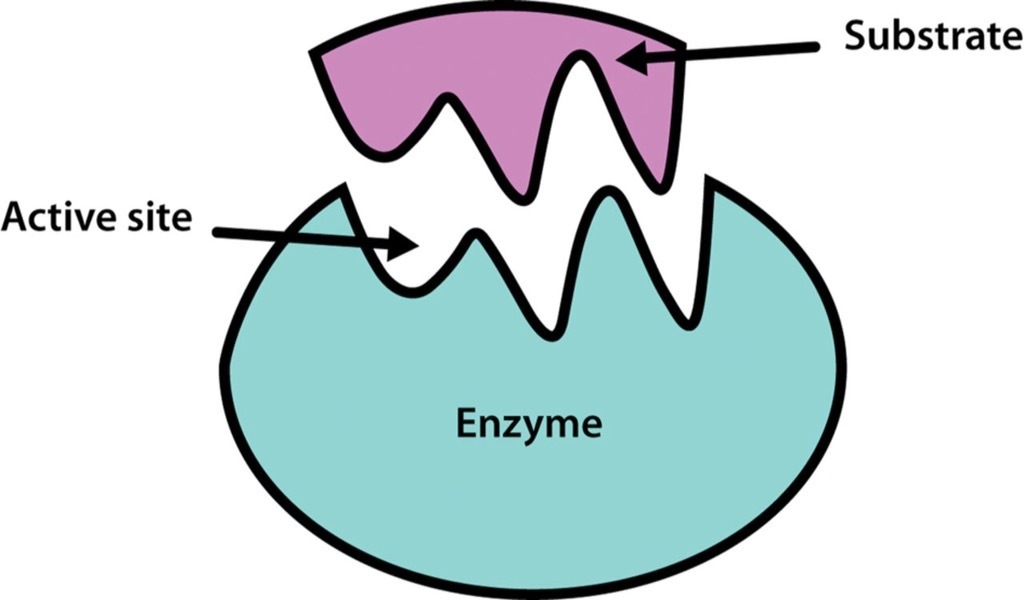
A model of an enzyme and its corresponding substrate is shown.
Which model best represents the molecule at the end of the reaction?


A
B
C
D

A
B
C
D

A
B
C
D

A
B
C
D

A
B
C
D

F
G
H
J
The cell wall of plant cells is composed primarily of cellulose. Cellulose is a polysaccharide which gives the cell structure and support. Cellulose would be classified as which biomolecule?
lipid
protein
nucleic acid
carbohydrate
Pepsin is a stomach enzyme that helps organisms digest proteins. An experiment was conducted to determine at which pH pepsin is most active. A valid conclusion based on the graphed data would be that pepsin —
is most effective within a specific pH range
causes the pH of the solution to become lower
causes the pH of the solution to become lower
stimulates the production of OH– ions
A
B
C
D
F
G
H
J
The table below list functions of biomolecules. Place a check under the biomolecule(s)
that matches each function.
Carbs, Lipids, and Proteins
Carbohydrates and lipids
Lipids
Nucleic Acid
Protein

Match the following biomolecules with the correct functions.
Quick energy source
Carbohydrate
The cell membrane is made out of this; serves for insulation.
Lipids
Helps build varying muscle tissues and ribosomes make this.
Proteins
Provides genetic material and found in both eukaryotes and prokaryotes.
Nucleic Acids
A Venn diagram comparing the functions of proteins and nucleic acids is shown.
Which functions BEST complete the Venn diagram?
Label the chart with the correct biomolecules based on the characteristics.
Carbohydrates
Proteins
Nucleic Acids
Lipids
Match the vocabulary word to the definition
Adhesion
Ability to stick to different stuff
Cohesion
Ability to stick to same stuff
Polarity
Different charges in a molecule
Solvency
Ability to dissolve a substance
Specific Heat
Ability to change the temp by one degree
Hydrophilic means to (a) water. Hydrophobic means to (b) water.

In the table, Bubbles is the ______________.
independent variable
dependent variable


Which of the following is the label for the independent variable.
Money Collected
Raising Money
Boxes Sold
None of the above


Which label best describes the independent quantities shown in the table?
Number of tickets (t)
Cost (c)

What is the dependent variable on the graph?
volume
time spent

Which factor is the independent variable in the table?
Amount spent on groceries each month
Amount I am able to save each month

What is the dependent variable on the graph?
profit
cups of lemonade sold
Match the following descriptions with the correct scientific terms:
Constants
Conditions that stay the same
Independent Variable
The variable that is changed on purpose
Control
Represents the normal conditions
Hypothesis
An "If .... then prediction statement
Dependent Variable
The variable that we measure
Match the following parts of the experiment: Sophia became interested in insulation while her parent’s new house was being built. She decided to determine which insulation transferred the least amount of heat. She filled each of 5 jars half-full with water. She sealed each jar with a plastic lid. Then she wrapped 4 of the jars with a different kind of insulation, leaving one jar without insulation. She put the jars outside in the direct sunlight. Later, she measured the temperature of the water in each jar.
Control Group
Jar with no insulation.
Experimental Group
Jars with insulation
Independent Variable
Type of insulation
Dependent Variable
Temperature of water
Constant
How much water

