
 Worksheets
Geography and Influence of Ancient Greece
Total questions: 15
Worksheet time: 8mins

Which sea is located to the east of Greece, influencing its trade and naval power?
Ionian Sea
Mediterranean Sea
Aegean Sea
Black Sea
Identify one geographic feature of Greece and propose how it might impact the culture of Greece.
The mountains might lead to isolated communities, fostering diverse dialects and traditions.
The flat plains might encourage uniform cultural practices across the region.
The deserts might lead to a nomadic lifestyle, impacting cultural stability.
The dense forests might result in a culture focused on woodcraft and hunting.
What was one of the main reasons Greece relied on trade with other cultures?
Abundance of farmland
Lack of natural resources
Surplus of metals
Isolation from other cultures
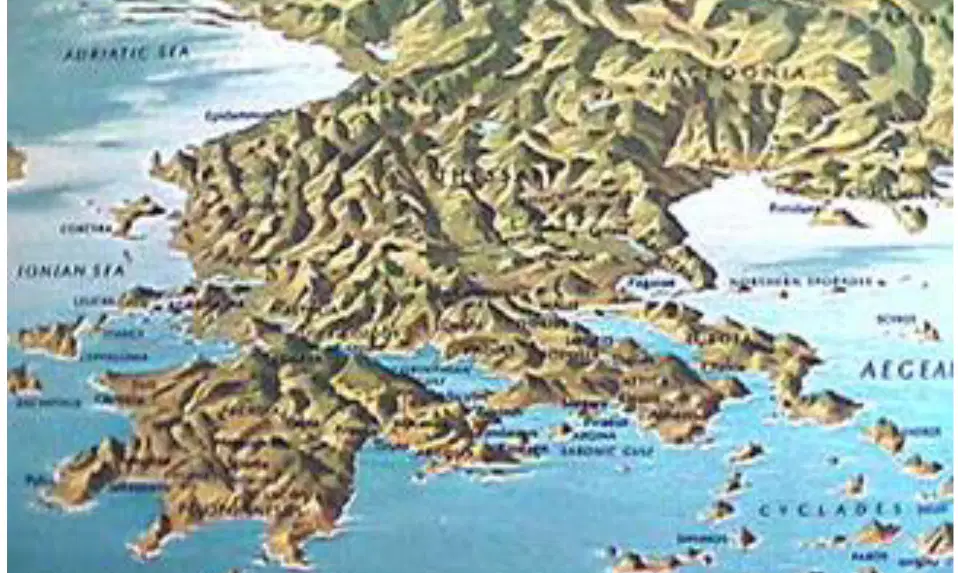
What percentage of Greece is covered by mountains, and how did this affect the unification of the Greek people?
50%; It made unification easy.
75%; It divided the people and made unification nearly impossible.
25%; It had no effect on unification.
90%; It helped unify the people.

What were the independent city-states developed by the Greeks called?
Polis
Metropolis
Acropolis
Agora

What was the primary function of the agora in most Greek city-states?
A place for religious ceremonies
A center for trade and government
A residential area for citizens
A military training ground
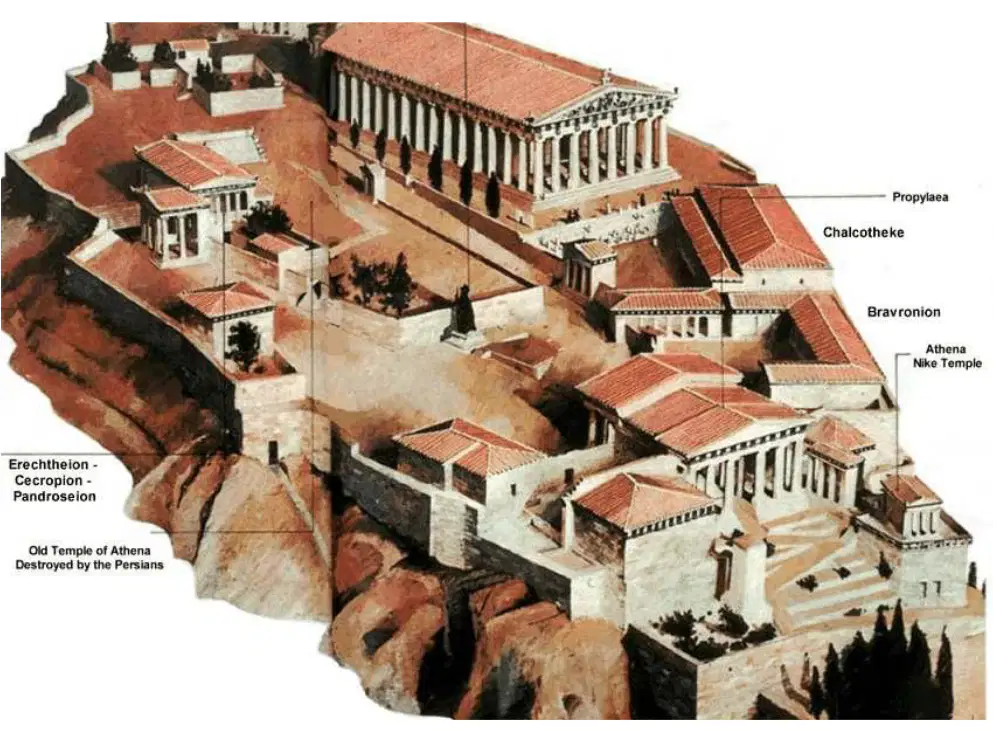
What is the Acropolis in Athens primarily known for?
A modern art museum
An ancient citadel with historical buildings
A famous Greek restaurant
A contemporary sports stadium
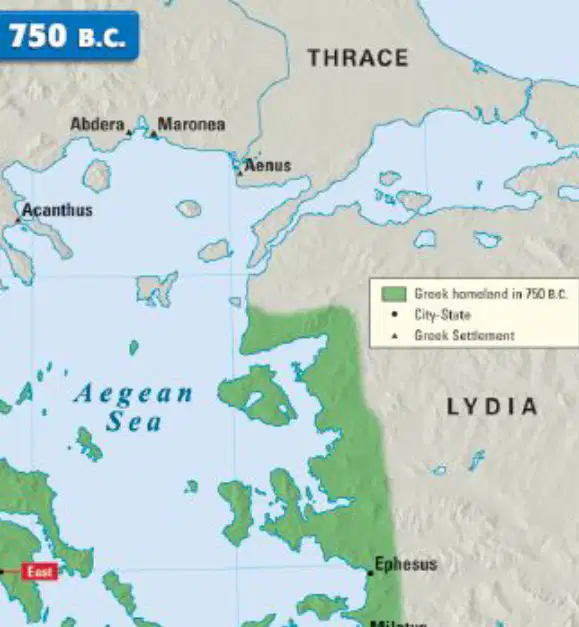
What was a significant difference among Greek city-states despite their similar language and religion?
Their economic systems
Their geographical locations
How they were governed
Their cultural festivals

In which ancient city was monarchy practiced by 2000 B.C.?
Athens
Sparta
Mycenae
Corinth
In an oligarchy, what is the basis for rule?
Popular vote
Wealth or ability
Divine right
Military conquest
How does the ruling group in an oligarchy maintain control?
Through religious authority
By controlling the military
By holding elections
Through public debates
What type of government was practiced in Athens around 500 B.C.?
Monarchy
Oligarchy
Direct Democracy
Theocracy
What is the basis of rule in a direct democracy?
Wealth
Citizenship
Military power
Religious authority

What type of democracy did Athens have?
Representative democracy
Direct democracy
Monarchy
Oligarchy
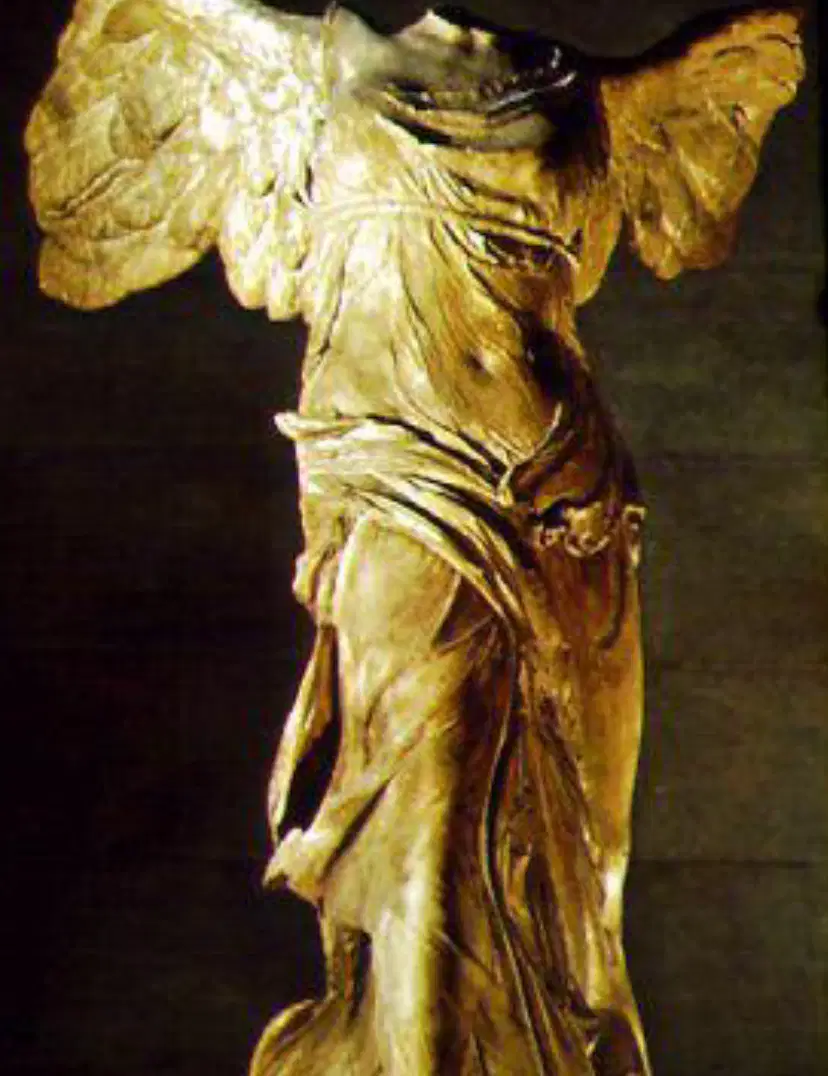
What was a focus of Athenian society?
Military conquest
Wealth and culture
Agricultural development
Maritime trade

