
 Worksheets
Some simple definitions...
Total questions: 61
Worksheet time: 44mins
What is the definition of Demand?
Willingness & ability to buy something.
The total supply of goods in a market.
The amount of money a person earns.
The process of producing goods.
What does the Law of Demand state?
As the price of a good rises, the quantity demanded will fall, and as the price falls, the quantity demanded will rise.
As the price of a good rises, the quantity demanded will also rise.
As the price of a good falls, the quantity demanded will also fall.
The quantity demanded of a good is not affected by its price.
What is Quantity Demanded (Qd)?
Amount of a good you demand at a certain price.
The total supply available in the market.
The price at which goods are sold.
The cost of producing a good.
What is a Demand Schedule?
A chart that shows the Qd at various prices.
A list of products available in the market.
A schedule of supply at different prices.
A timetable for market opening hours.
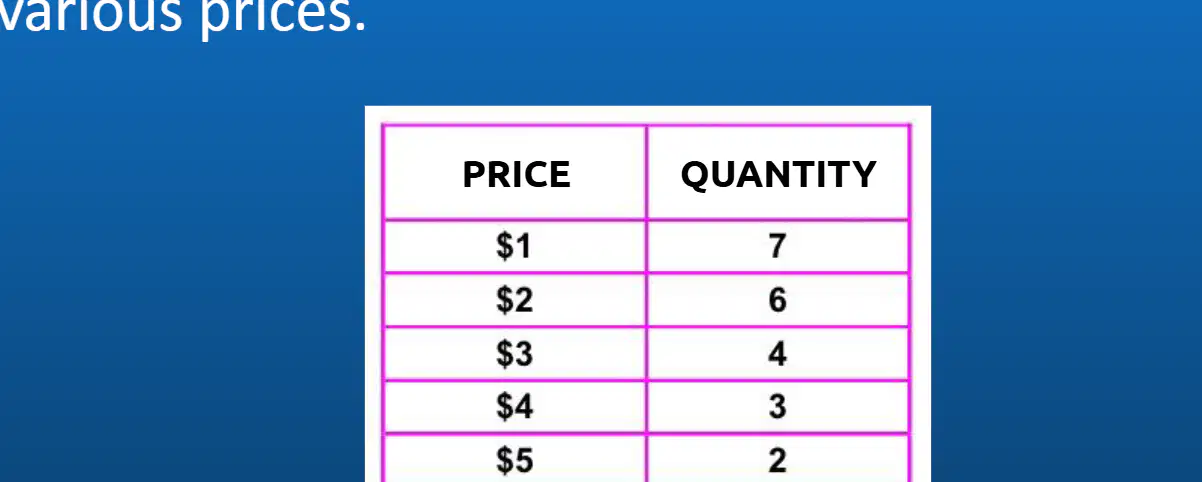
According to the demand schedule for hotdogs at the Chicago Fire match, the quantity demanded at the price of $1 is _____.
7
3
10
5
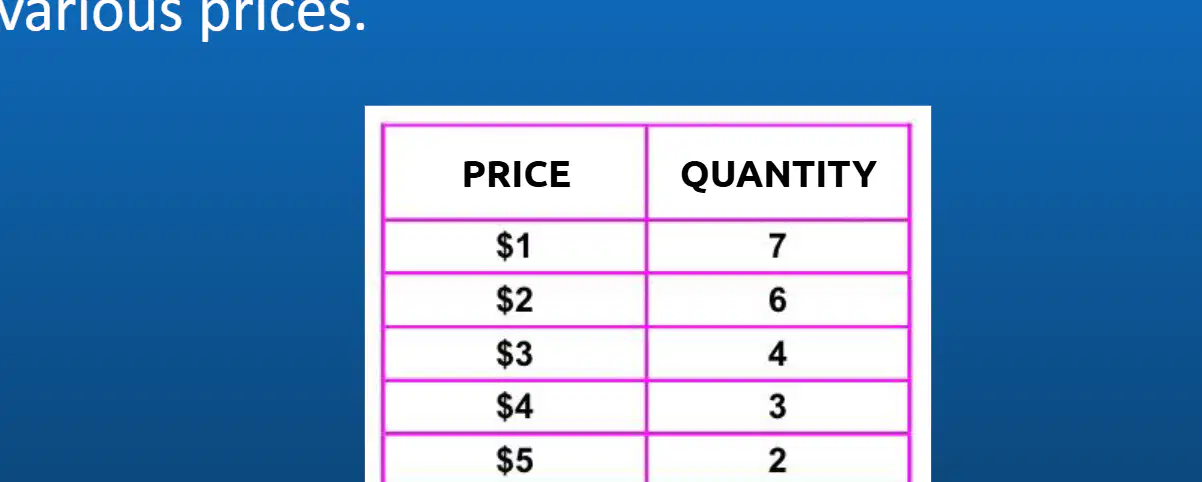
According to the demand schedule for hotdogs at the Chicago Fire match, the quantity demanded at the price of $2 is _____?
6
2
10
4

According to the demand schedule for hotdogs at the Chicago Fire match, the quantity demanded at the price of $4 is _____.
3
1
5
7
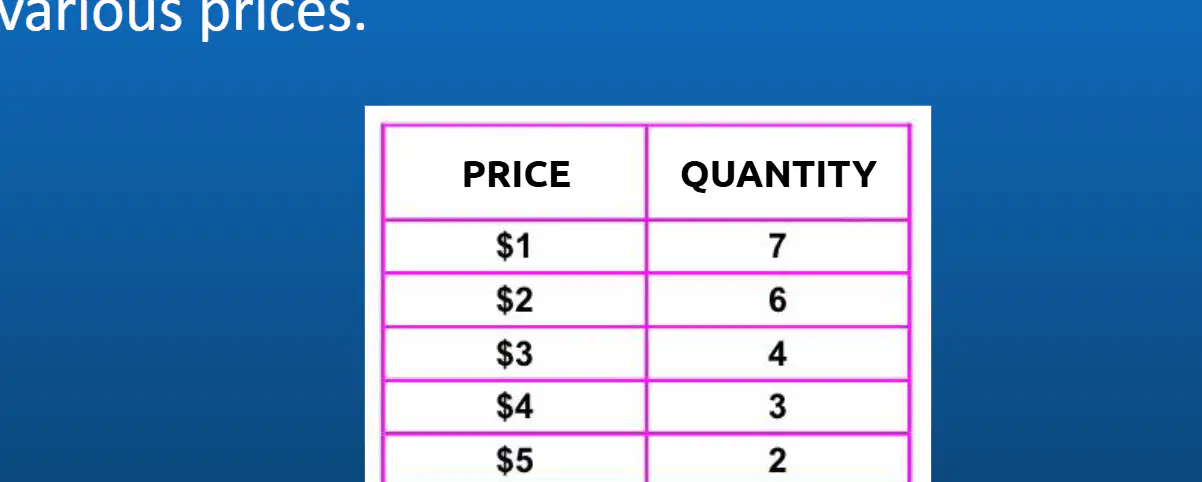
According to the demand schedule for hotdogs at the Chicago Fire match, the quantity demanded at the price of $6 is _____.
1
2
3
4
What is a Demand Curve?
A graph that shows the Qd at various prices.
A table that lists prices and quantities.
A curve that shows supply at various prices.
A list of goods demanded in a market.
Fill in the blank: A Demand Curve is a graph that shows the ______ at various prices.
Qd (quantity demanded)
total revenue
supply schedule
market equilibrium
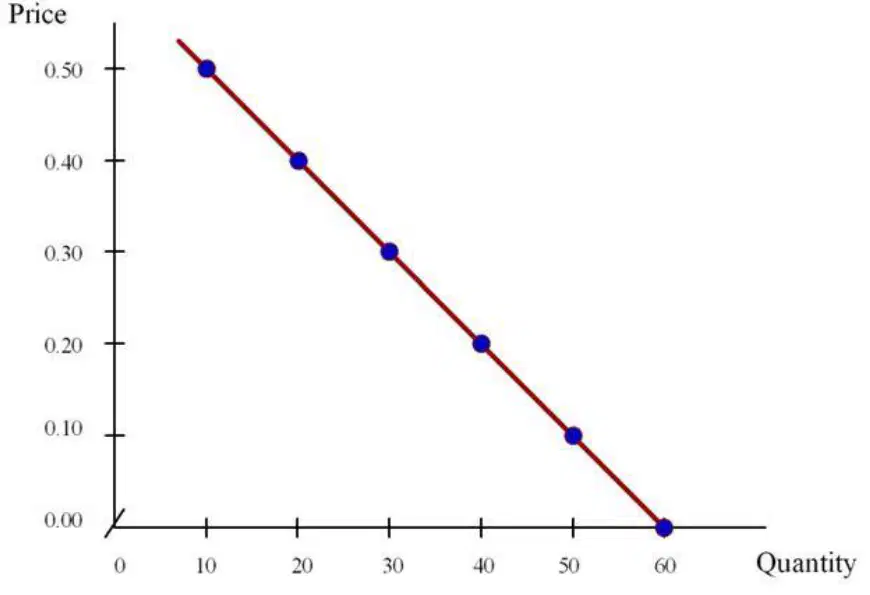
Based on the graph shown, what happens to quantity demanded as price decreases?
Quantity demanded increases
Quantity demanded decreases
Quantity demanded stays the same
There is no relationship
What does 'P' stand for in the context of the Law of Demand?
Price
Product
Profit
Production
What does 'Qd' stand for in the context of the Law of Demand?
Quantity Demanded
Quality Determined
Quota Distributed
Quick Decision
According to the Law of Demand, what happens to Quantity Demanded (Qd) if Price (P) increases?
Qd increases
Qd decreases
Qd stays the same
According to the Law of Demand, what happens to Quantity Demanded (Qd) if Price (P) decreases?
Qd increases
Qd decreases
Qd stays the same
Some things you need to buy are:
Groceries
Mountains
Planets
Oceans
Some things you may want to buy are:
Clothes
Mountains
Oceans
Planets
Fill in the blank: ________ is a measure of how much the Qd of a product changes as a result of a change in price of that product.
Elasticity of Demand
Law of Supply
Marginal Cost
Total Revenue
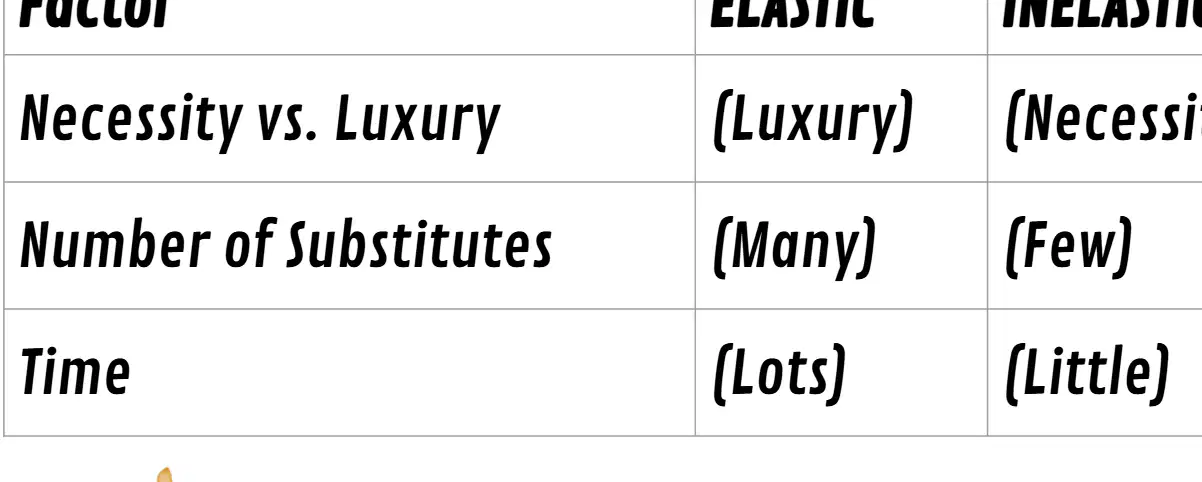
According to the table 'Factors that Determine Elastic or Inelastic', which type of good is considered a necessity?
Elastic
Inelastic
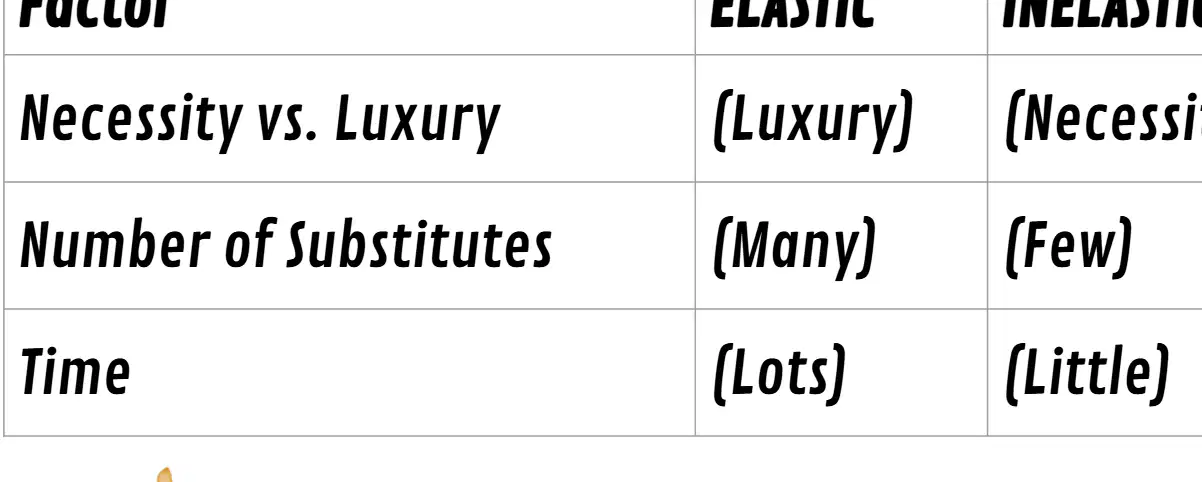
According to the table 'Factors that Determine Elastic or Inelastic', elastic goods have how many substitutes?
Many
Few
None
One
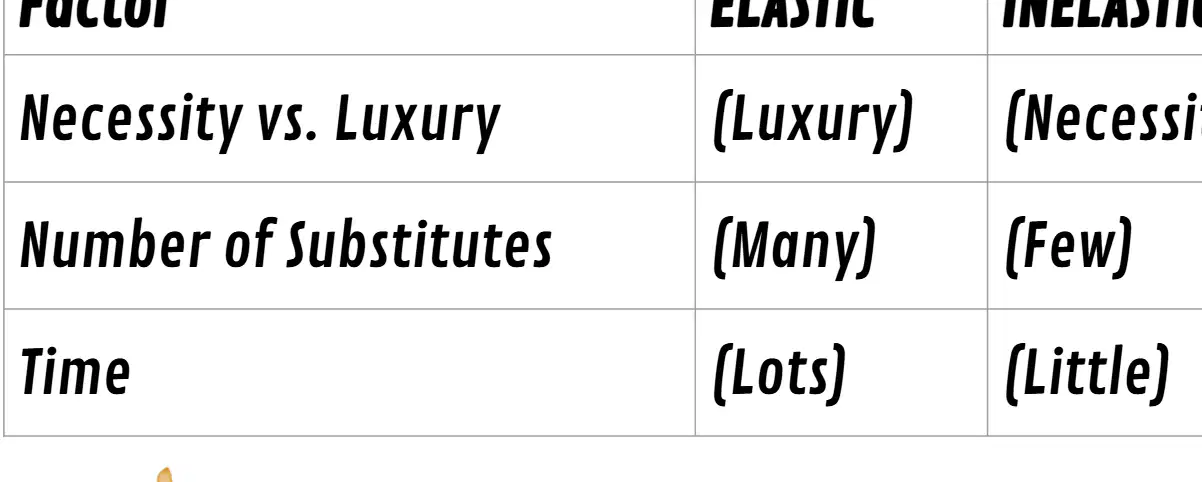
According to the table 'Factors that Determine Elastic or Inelastic', inelastic goods are associated with which of the following:
Lots of time
Little time
Fill in the blank: When something has a lot of substitutes, demand is ______ (it changes a lot when price changes).
elastic
inelastic
constant
fixed
When something has few or no substitutes, demand is:
Elastic (it changes a lot when price changes)
Inelastic (demand doesn’t change a lot when prices change)
Unrelated to price
Always increasing
Your best friend is turning 16 five months from now and you know you will be invited to the party. You are considering purchasing the card below. Will your demand be elastic or inelastic? Which factor(s)? Include the image of the birthday card in your answer.
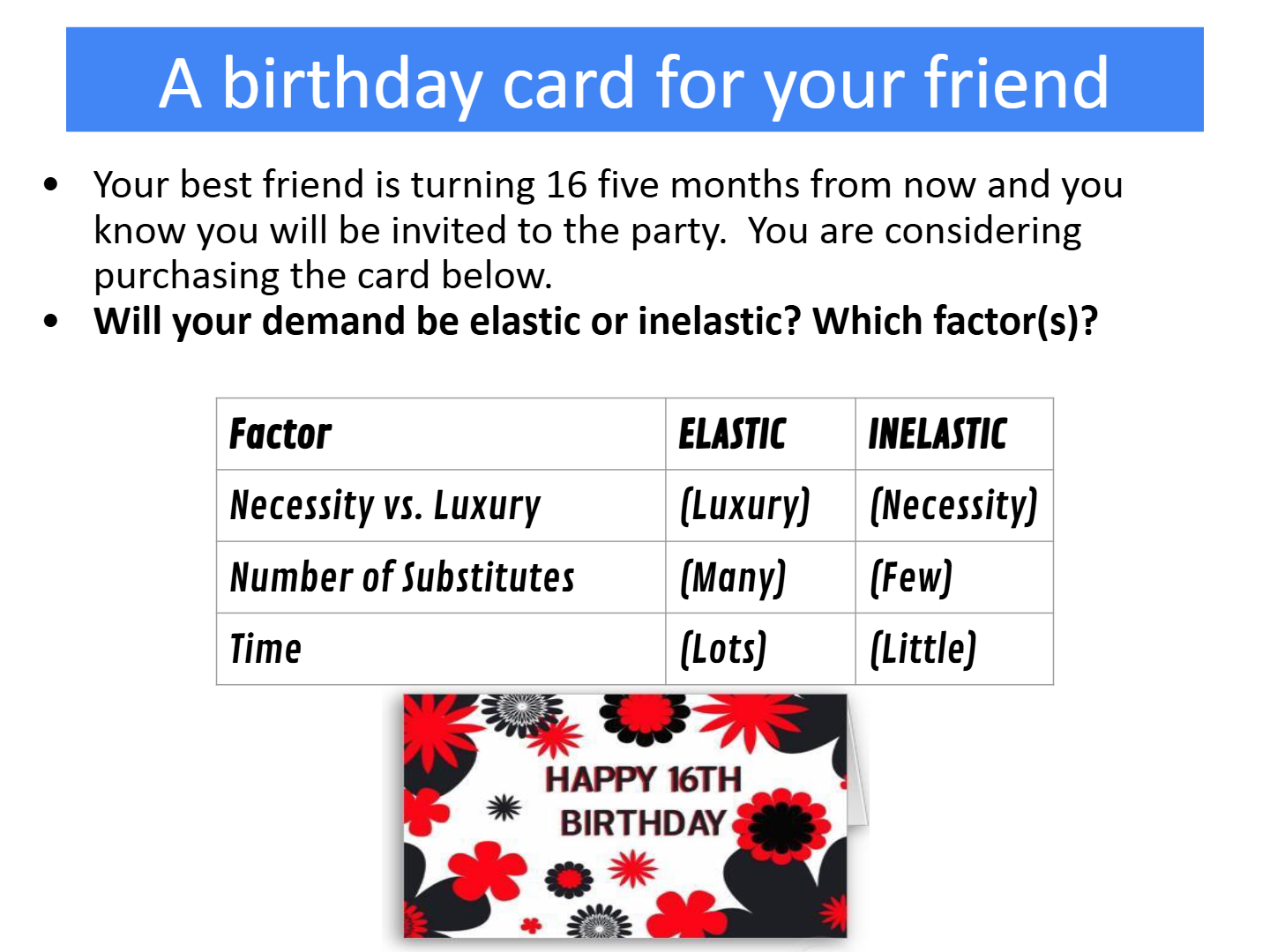
My demand will be inelastic because the card is a necessity for my best friend's birthday.
My demand will be elastic because there are many substitutes for birthday cards.
My demand will be elastic because I can delay the purchase.
My demand will be inelastic because the card is a luxury item.
The demand for your product will be elastic or inelastic depending on which factor(s)?
Availability of substitutes
Color of the product
Brand logo design
Store location only
You are lost in the desert and you really need a glass of water. Will your demand be elastic or inelastic? Which factor(s)?
Your demand will be inelastic because water is a necessity in this situation.
Your demand will be elastic because you have many substitutes.
Your demand will be elastic because price is not important.
Your demand will be inelastic because you can easily find alternatives.
If there are many substitutes for a product, is the demand elastic or inelastic?
Elastic
Inelastic
If there is little time to make a decision, is the demand elastic or inelastic?
Elastic
Inelastic
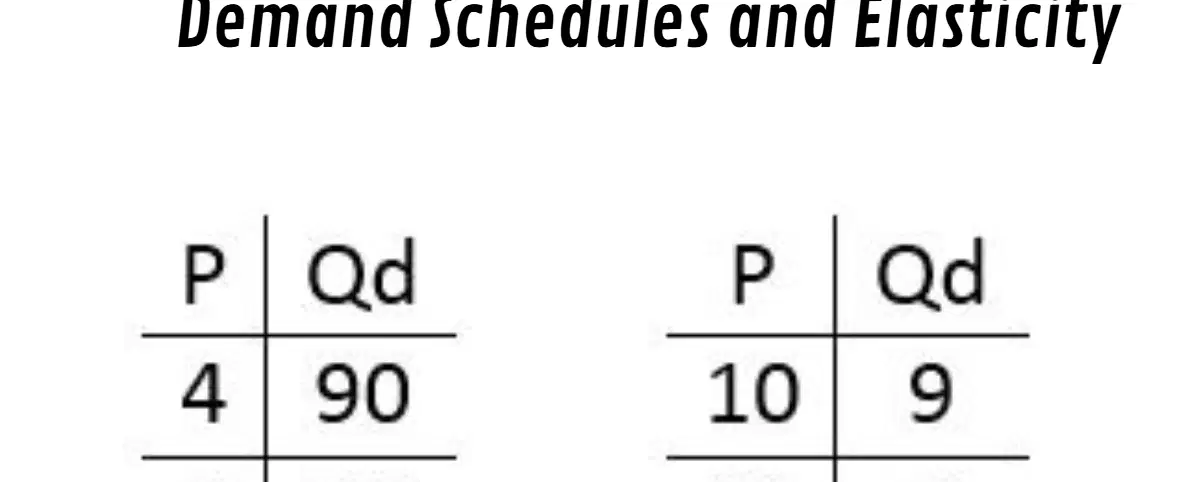
According to the demand schedule, what is the quantity demanded (Qd) when the price (P) is 4?
90
70
110
50
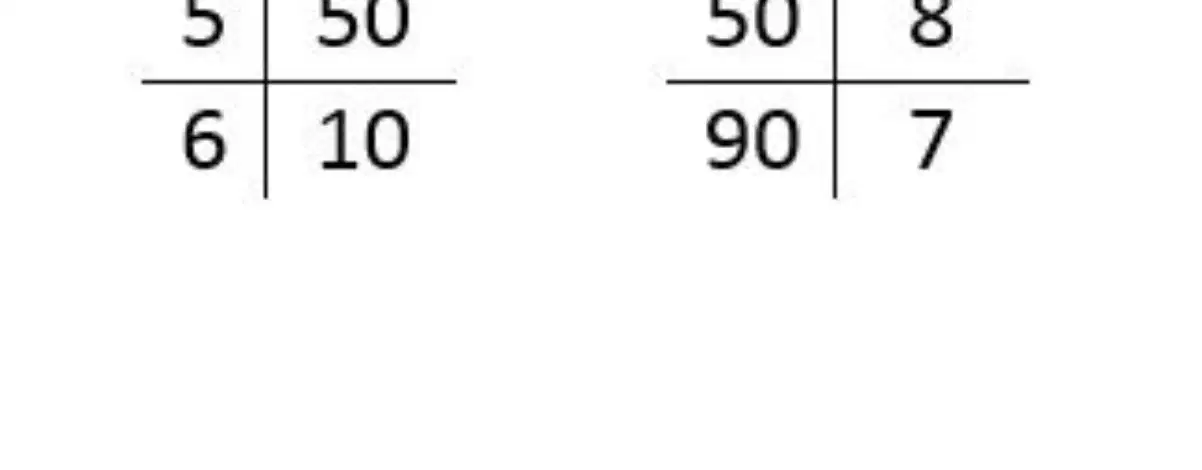
According to the demand schedule, what is the quantity demanded (Qd) when the price (P) is 6?
10
6
4
12
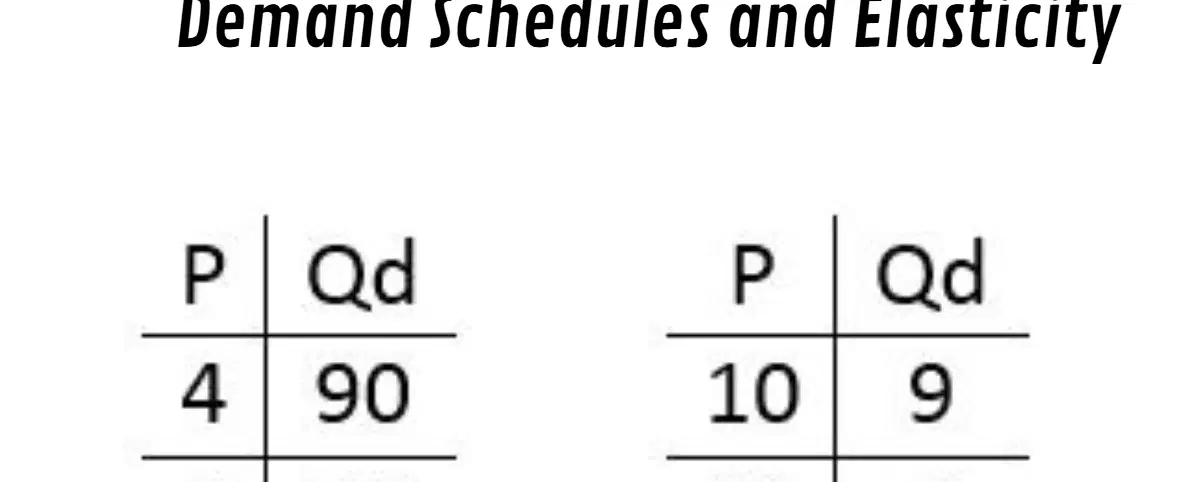
According to the demand schedule, what is the quantity demanded (Qd) when the price (P) is 10?
9
5
12
7
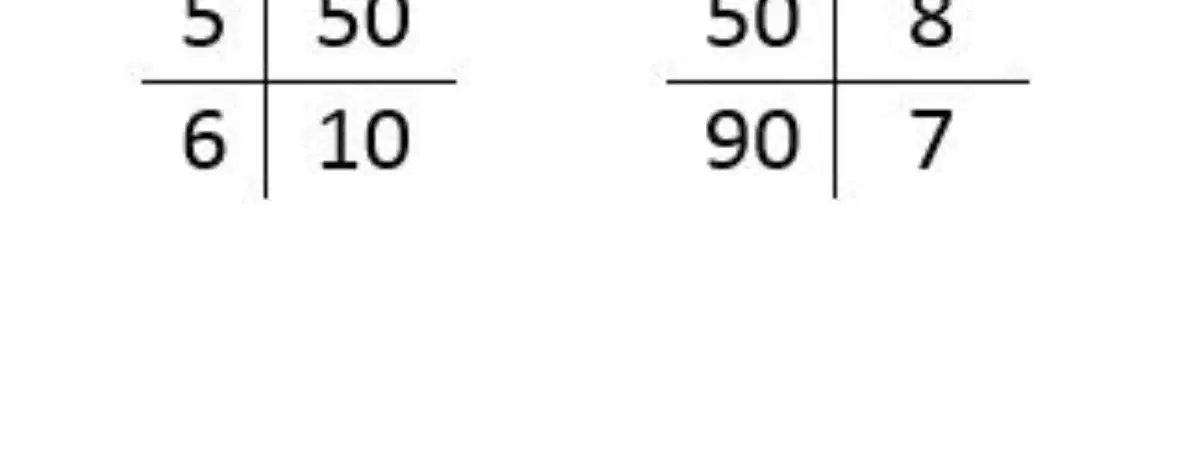
According to the demand schedule, what is the quantity demanded (Qd) when the price (P) is 90?
7
5
9
3
What is the definition of Supply?
The willingness & ability of consumers to buy something.
The willingness & ability of producers to make & sell something.
The amount of money a producer earns.
The total number of goods in a market.
What does the Law of Supply state?
Producers offer less of a good as its price increases.
Producers offer more of a good as its price increases, and less as its price falls.
Consumers buy more as price increases.
Producers offer the same amount regardless of price.
What is Quantity Supplied (Qs)?
The amount of a good a consumer is willing to buy at a specific price.
How much of a good a producer is willing and able to sell at a specific price.
The total number of goods in a market.
The price of a good in the market.
Fill in the blank: According to the Law of Supply, if price (P) increases, then quantity supplied (Qs) _________.
increases
decreases
remains constant
becomes zero
Fill in the blank: According to the Law of Supply, if price (P) decreases, then quantity supplied (Qs) _________.
decreases
increases
remains constant
becomes zero
What is a supply schedule?
A chart that lists how much of a good a supplier would offer at various prices
A list of customers who buy a product
A schedule of delivery times
A list of expenses for a business
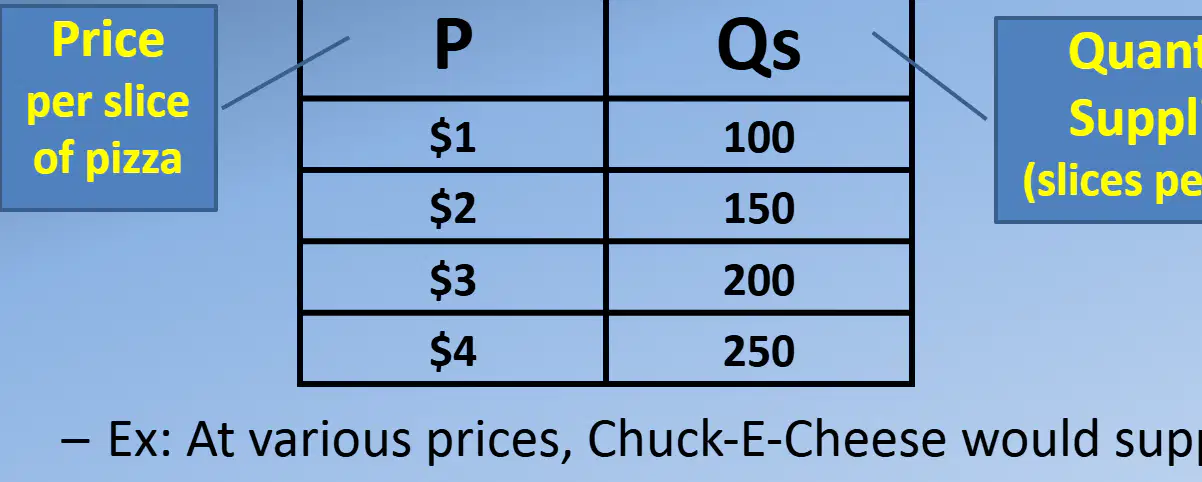
According to the supply schedule, if the price per slice of pizza is $1, the quantity supplied is ____ slices per day.
100
50
200
300
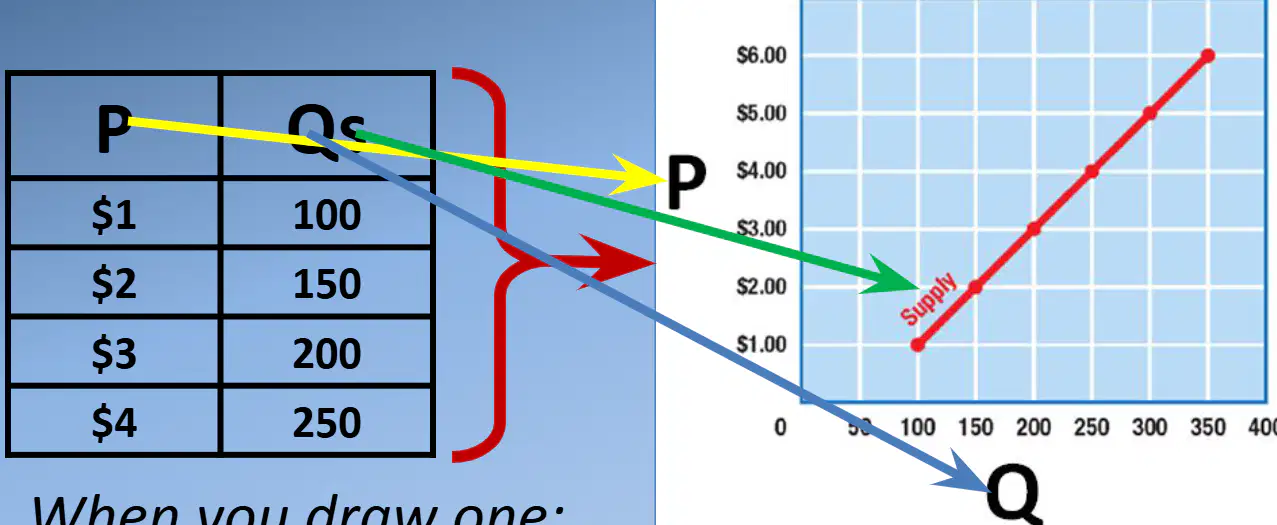
What is the quantity supplied (Qs) when the price (P) is $2?
150
100
200
250
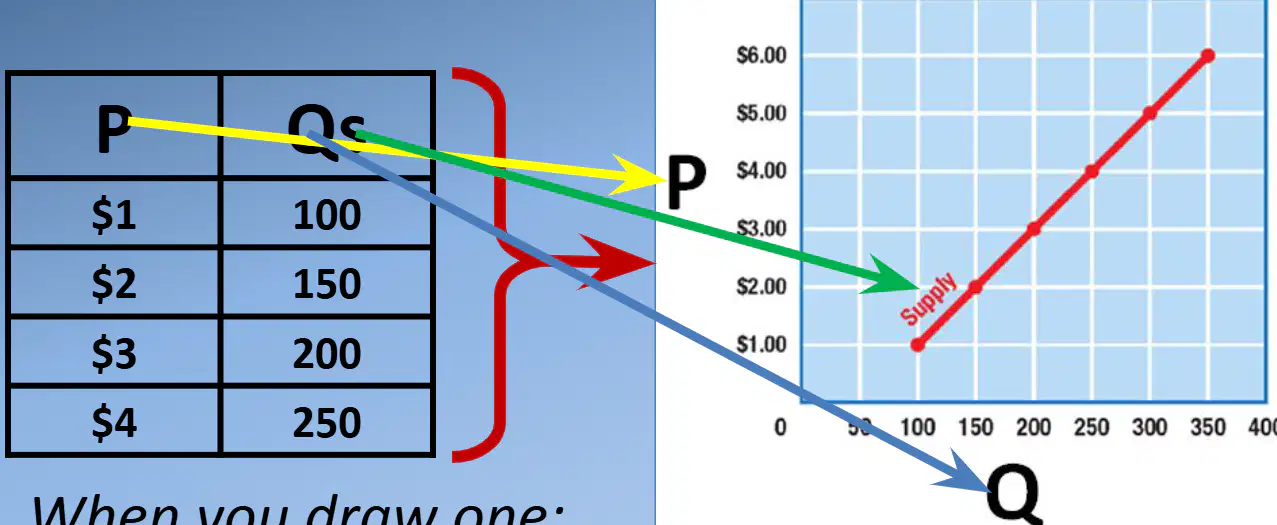
What is the price (P) when the quantity supplied (Qs) is 200?
$3
$5
$1
$7
When you graph the data in a supply schedule, what do you get?
Demand Curve
Supply Curve
Production Possibility Curve
Indifference Curve
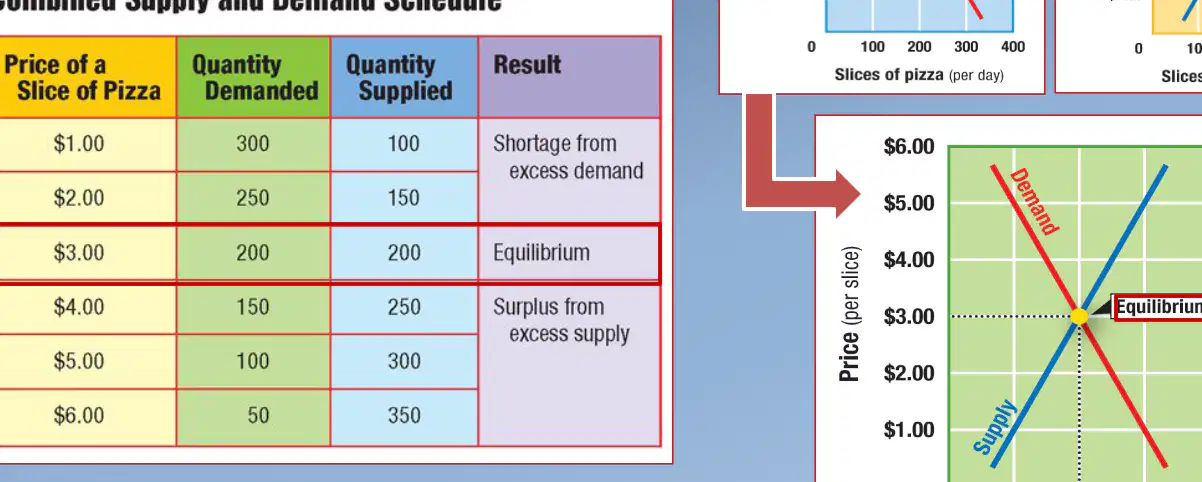
At equilibrium, what are the quantity demanded and quantity supplied for slices of pizza per day?
200 slices per day for both quantity demanded and quantity supplied
150 slices per day for both quantity demanded and quantity supplied
250 slices per day for both quantity demanded and quantity supplied
100 slices per day for both quantity demanded and quantity supplied
According to the slide 'The Benefits of Equilibrium', what does it mean when the market is at equilibrium?
A) Quantity demanded is greater than quantity supplied
B) Quantity supplied is greater than quantity demanded
C) Quantity demanded equals quantity supplied
D) There is no demand
Fill in the blank: At equilibrium, sellers’ inventories are perfectly stocked to exactly match the amount that buyers want to ________.
purchase
sell
store
produce
At equilibrium, there are wasted resources because sellers have too much inventory.
True
False
Which of the following is NOT a benefit of equilibrium according to the slide?
A) No wasted resources
B) Everyone has enough, and no one has too much
C) Prices are unpredictable
D) Perfect matching of supply and demand
What is the term for the situation when buyers and sellers don’t find equilibrium (EQ) at first in the market?
Disequilibrium
Monopoly
Inflation
Perfect Competition
When prices are set too high or too low, there will be disequilibrium in the market.
True
False
How many kinds of disequilibrium are there?
2
3
4
5

In the context of the graph, what is the term used to describe the situation where the quantity demanded is more than the quantity supplied at a given price?
Shortage
Surplus
Equilibrium
Price floor
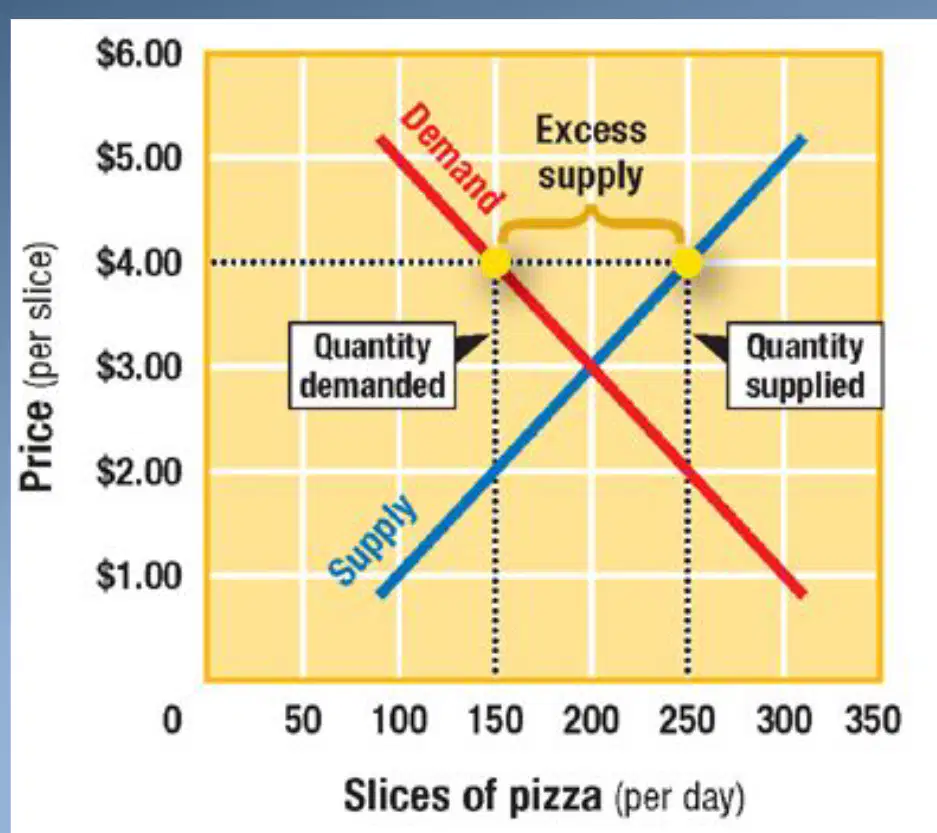
Refer to the diagram showing the supply and demand for pizza slices. What happens when the price is set too high (above equilibrium)?
There is a shortage
There is a surplus
Quantity demanded equals quantity supplied
Price decreases to equilibrium
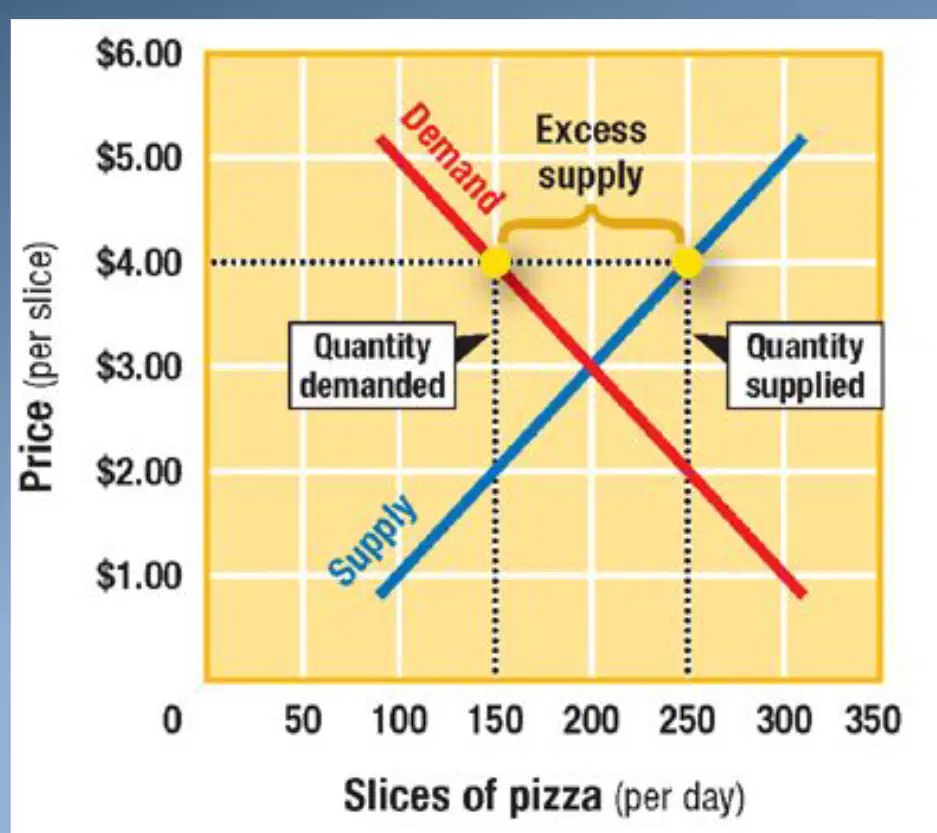
According to the diagram, what is the term used when quantity supplied is more than the quantity demanded at a given price?
Shortage
Surplus
Equilibrium
Deficit
In a shortage, stores run out of product and ______ prices to make more money.
raise
lower
ignore
freeze
In a surplus, stores ______ prices to help sell their extra inventory. (Fill in the blank)
drop
raise
ignore
double
In both a shortage and a surplus, prices eventually move toward what?
Maximum price
Minimum price
Equilibrium (EQ)
None of the above

Starbucks decided to start selling pumpkin spice lattes again. Because of this, the (a) and the (b) .

The people in a town love donuts. They have a Krispy Kreme already, but they just built a Dunkin' Donuts. Because of this, the (a) and the (b) .
Match each label to the correct part of the graph.
Equilibrium
Demand
Price
Quantity
Supply
Label the Supply line, the Demand line and equilibrium.
Supply
Demand
Equilibrium
Label the curve correctly
Price
Quantity
Demand

