
 Worksheets
Leonin & Perotin Assignment
Total questions: 20
Worksheet time: 10mins
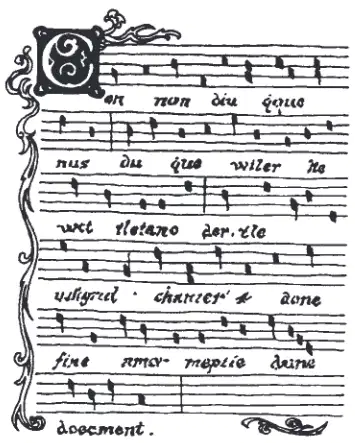
What is polyphony in music?
The combination of two or more simultaneous melodic lines
Singing a single melody with no accompaniment
Playing only percussion instruments
Writing lyrics without music
Why did the development of polyphony require more precise notation of music?
Because there were many melodies happening at once
Because instruments were invented
Because music became faster
Because lyrics were no longer important
Who is the earliest known composer of polyphonic music?
Leonin
Perotin
Bach
Mozart
What is organum?
A style of polyphony created by adding a second melody to Gregorian chant
A type of musical instrument
A type of dance
A single-line melody
Where was the center of study and composition for early polyphonic music?
The cathedral of Notre Dame in Paris
The Vatican in Rome
Westminster Abbey in London
The Parthenon in Athens
What interval did the second melody in organum usually run parallel to the chant at?
A fourth, either above or below
A fifth, above only
An octave, below only
A third, above only
Who was Leonin’s successor in composing polyphonic music?
Perotin
Bach
Mozart
Handel
How many parts did Perotin write his polyphonic music in?
Three and four parts
One part
Two parts only
Five and six parts
What is a motet?
A piece of polyphonic music with new words for additional voices
A type of dance
A single-line chant
A musical instrument
What could the theme of a motet be?
Either sacred or secular
Only sacred
Only secular
Only instrumental
Why did composers begin writing new words for the additional voices in motets?
To add complexity and meaning to the music
To make the music shorter
To remove religious themes
To make it easier to sing
How did the development of polyphony change the way music was performed in monasteries?
Priests and monks could sing two or more lines of melody at one time
Only one person could sing at a time
Music was no longer allowed
Only instruments were used
What is the difference between monophony and polyphony?
Monophony is a single melody, polyphony is multiple simultaneous melodies
Monophony uses instruments, polyphony does not
Monophony is faster, polyphony is slower
Monophony is only for secular music
What was the most important form of early polyphonic music?
The motet
The canon
The fugue
The sonata
What does the term “sacred” mean in the context of motets?
Religious
Nonreligious
Instrumental
Fast-paced
What does the term “secular” mean in the context of motets?
Nonreligious
Religious
Instrumental
Chant-based
How did the addition of new texts to motets affect the music?
It allowed for more expressive and varied themes
It made the music shorter
It removed the melody
It made the music only instrumental
Why was the development of precise notation important for polyphonic music?
To accurately represent multiple melodies happening at once
To make music easier to memorize
To eliminate the need for lyrics
To make music faster
What is an example of a simple form of polyphony that a class could learn?
A round or a canon
A solo performance
A dance
A monophonic chant
How did the work of Leonin and Perotin influence the development of Western music?
By introducing polyphony and precise notation, they laid the foundation for later musical forms
By inventing new instruments
By focusing only on solo singing
By eliminating religious music

