wayground logo

Free Printable Worksheets

NEW

Font size

S
M
L
XL
Worksheets

Types of designs / Tipos de diseños

Total questions: 20

Worksheet time: 7mins

Name
Class
Date
1.
What is a functional design? / ¿Qué es un diseño funcional?
a)
It fulfills a practical need / Cumple una necesidad práctica
b)
It focuses only on decoration / Solo se enfoca en la decoración
c)
It wastes resources / Desperdicia recursos
d)
It is only artistic / Solo es artístico
2.
A functional design focuses on... / Un diseño funcional se enfoca en...
a)
Utility / Utilidad
b)
Decoration / Decoración
c)
Colors only / Solo colores
d)
Random shapes / Formas aleatorias
3.
What is an aesthetic design? / ¿Qué es un diseño estético?
a)

It has no purpose / No tiene propósito

b)
It ignores beauty / Ignora la belleza
c)
It only saves resources / Solo ahorra recursos
d)

It is visually attractive / Es visualmente atractivo

4.
An aesthetic design focuses on... / Un diseño estético se enfoca en...
a)
Colors, shapes, decoration / Colores, formas, decoración
b)
Only durability / Solo durabilidad
c)
Utility / Utilidad
d)
Random use / Uso aleatorio
5.
An intelligent design combines... / ¿Qué combina un diseño inteligente?
a)

Only strength / Solo resistencia

b)
Only beauty / Solo belleza
c)

Functionality, aesthetics, optimization / Funcionalidad, estética, optimización
d)
Decoration only / Solo decoración
6.
What is NOT part of intelligent design? / ¿Qué NO es parte de un diseño inteligente?
a)
Optimization of resources / Optimización de recursos
b)
Random waste / Desperdicio aleatorio
c)
Functionality / Funcionalidad
d)
Aesthetics / Estética
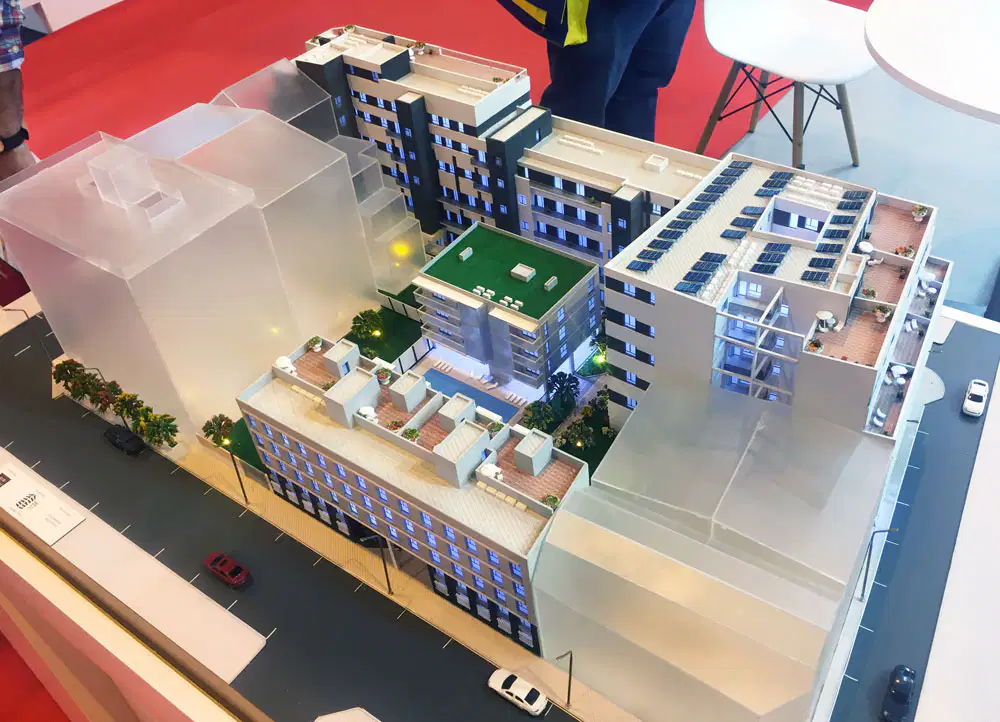
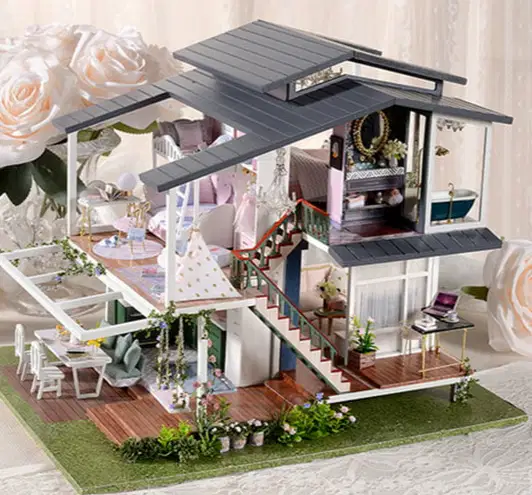
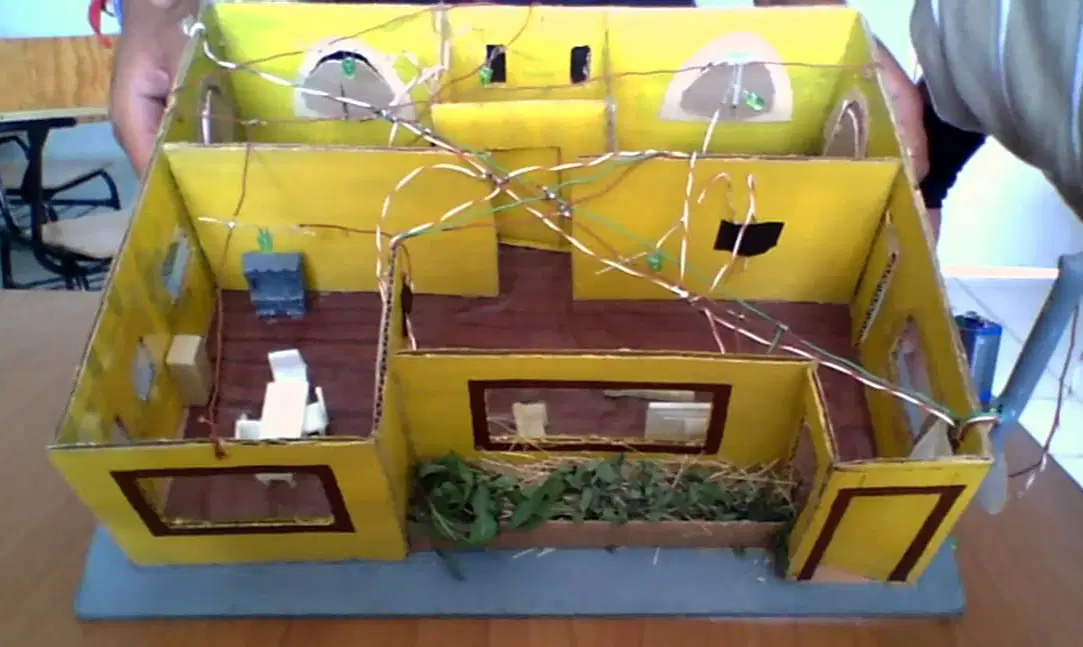
7.

This is a ____ design/ Este es un diseño ...

a)

Smart / Inteligente

b)

Functional / Funcional

c)

Aesthetic / Estético

8.

This is a ____ design/ Este es un diseño ...

a)

Smart / Inteligente

b)

Functional / Funcional

c)

Aesthetic / Estético

9.

This is a ____ design/ Este es un diseño ...

a)

Smart / Inteligente

b)

Functional / Funcional

c)

Aesthetic / Estético

10.
Design Thinking Step 1: / Paso 1 de Design Thinking:
a)
Gather information / Recoger información
b)
Prototype / Prototipar
c)
Validate / Validar
d)
Brainstorm / Lluvia de ideas
11.
Design Thinking Step 2: / Paso 2 de Design Thinking:
a)

Draw randomly / Dibujar al azar

b)
Make it pretty / Hacerlo bonito
c)
Skip steps / Saltar pasos
d)

Identify problem and opportunities / Identificar problema y áreas de oportunidad

12.
Design Thinking Step 3: / Paso 3 de Design Thinking:
a)

Ignore users / Ignorar usuarios

b)
Build prototype / Construir prototipo
c)
Validate / Validar
d)

Brainstorm ideas / Lluvia de ideas

13.
Design Thinking Step 4: / Paso 4 de Design Thinking:
a)
Prototype the idea / Aterrizar y definir la idea
b)
Validate with users / Validar con usuarios
c)
Gather information / Recoger información
d)
Brainstorm / Lluvia de ideas
14.
Design Thinking Step 5: / Paso 5 de Design Thinking:
a)

Do nothing / No hacer nada

b)

Validate with users / Validar con usuarios

c)
Destroy idea / Destruir idea
d)
Skip validation / Saltar validación
15.
What question belongs to Step 1? / ¿Qué pregunta pertenece al Paso 1?
a)

How much does it cost? / ¿Cuánto cuesta?

b)
Is it beautiful? / ¿Es bonito?
c)

What does the user need? / ¿Qué necesita el usuario?

d)
Can I skip this? / ¿Puedo saltar esto?
16.
What question belongs to Step 2? / ¿Qué pregunta pertenece al Paso 2?
a)

Is it shiny? / ¿Brilla?

b)

What is the real challenge? / ¿Cuál es el reto real?

c)
Can I ignore this? / ¿Puedo ignorar esto?
d)
Does it look nice? / ¿Se ve bonito?
17.
What happens in Step 3 (Ideation)? / ¿Qué pasa en el Paso 3 (Ideación)?
a)
Generate many ideas without judging / Generar muchas ideas sin juzgar
b)
Make final design / Hacer diseño final
c)
Destroy ideas / Destruir ideas
d)
Ignore creativity / Ignorar creatividad
18.
What happens in Step 4 (Prototype)? / ¿Qué pasa en el Paso 4 (Prototipo)?
a)
Build model or mockup / Construir modelo o maqueta
b)
Validate with users / Validar con usuarios
c)
Generate ideas / Generar ideas
d)
Gather info / Recoger info
19.
What happens in Step 5 (Validation)? / ¿Qué pasa en el Paso 5 (Validación)?
a)

Destroy model / Destruir modelo

b)
Skip step / Saltar paso
c)

Ask users if it works / Preguntar a usuarios si funciona

d)
Hide prototype / Esconder prototipo
20.
An intelligent design should always be... / Un diseño inteligente siempre debe ser...
a)
Functional, aesthetic and optimized / Funcional, estético y optimizado
b)
Ugly and random / Feo y aleatorio
c)
Only decorative / Solo decorativo
d)
Without purpose / Sin propósito