
 Worksheets
Diferencias entre B y V en español
Total questions: 17
Worksheet time: 17mins

¿Cuál es el nombre de este objeto?
vaca
barco
varco
vela

¿Cuál es el nombre de este objeto?
Bentana
bicicleta
ventana
banco

¿Cómo se escribe?
vino
beso
veso
vaso

¿Cómo se escribe?
boca
Invierno
vaca
banco
¿Cómo se pronuncia la letra B en español?
Como una "v" suave
Como una "b" fuerte, cerrando los labios
Como una "s"
Como una "d"
¿Cómo se pronuncia la letra V en español?
Igual que la letra B
Como una "f"
Como una "v" inglesa
Como una "z"
¿Cuál es la diferencia principal entre la B y la V en la escritura?
Se escriben igual
Son letras diferentes
No existen en español
Siempre van juntas
Elige la opción donde todas las palabras empiezan con B.
burro, barco, banco
vaca, barco, burro
banco, vaca, vaso
burro, vaca, barco
Choose the option where all the words start with V.
vaca, vaso, ventana
barco, vaca, burro
vaso, banco, burro
ventana, banco, burro
Completa la frase con la palabra correcta: "El ____ navega en el mar."
burro
barco
vaca
vaso
Completa la frase con la palabra correcta: "La ____ da leche."
vaca
banco
barco
beso

¿Cómo se escribe?
Vicicleta
bicicleta
banco
visible

¿Cómo se escribe?
El banco está cerrado.
El vanco está cerrado.
El banco está serado.
El banco está vancado.

¿Cómo se escribe the cow is eating grass?
La vaca come pasto.
La baca come pasto.
La vaca come basto.
La baca come basto.

¿Cómo se escribe neighbors?
becinos
vesinos
vecinos
venenos
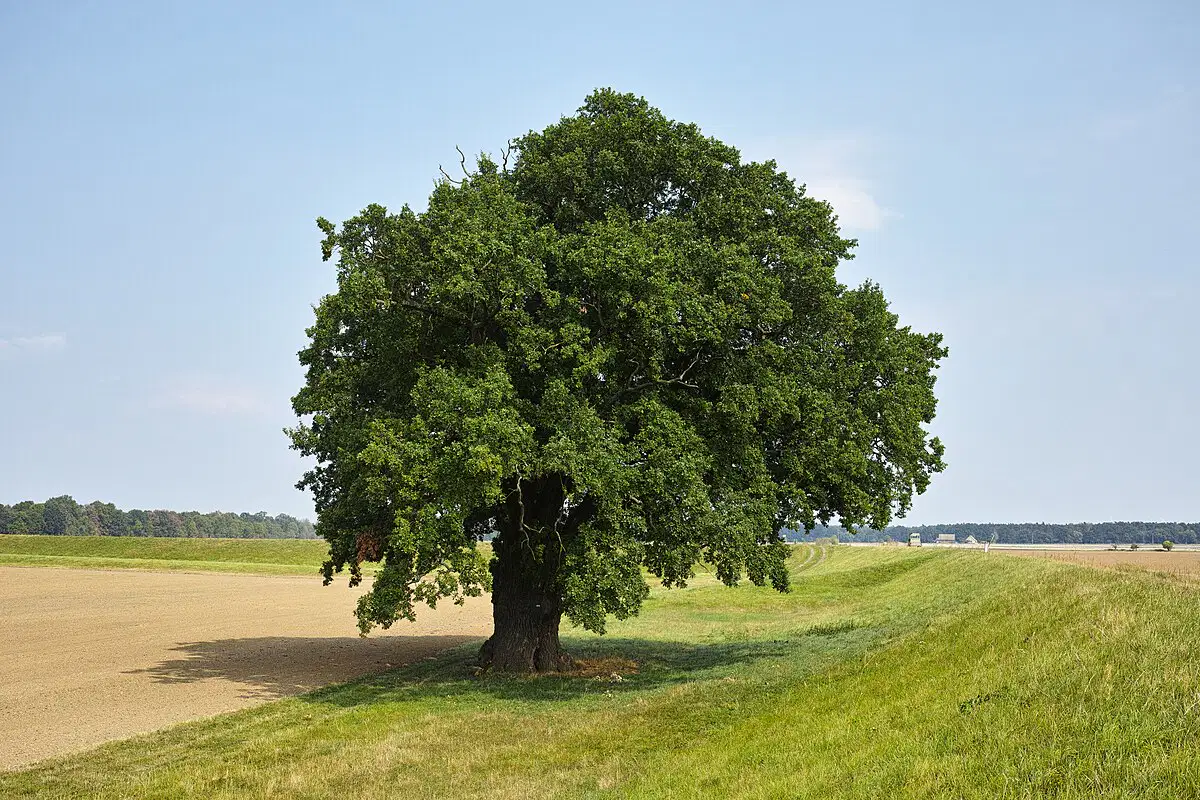
¿Cómo se escribe tree?
albor
arvol
arbol
Alvor
17-20.
Answer the questions below after watching the video
How are the letters 'B' and 'V' pronounced in Spanish?
They always sound exactly the same, like an English 'B'.
They always sound exactly the same, like an English 'V'.
They represent two different sounds, depending on their position in a word.
They are pronounced differently depending on whether it's a 'B' or a 'V'.
What are the phonetic terms for the two different sounds represented by 'B' and 'V' in Spanish?
Hard and Soft
Plosive and Approximant
Voiced and Unvoiced
Fricative and Affricate
Under what circumstances is the strong B/V sound (plosive) used in Spanish?
When 'B' or 'V' appear at the beginning of a word.
When 'B' or 'V' appear after an 'm' or before another consonant.
When 'B' or 'V' appear between two vowels.
Both A and B.
When is the weak B/V sound (approximant) typically used in Spanish?
When 'B' or 'V' are at the beginning of a word.
When 'B' or 'V' are followed by a consonant.
When 'B' or 'V' occur between two vowels in the same word.
When 'B' or 'V' are at the end of a word.

