
NEW
Font size
 Worksheets
Psychology- Chapter 10 Quiz- Emotion & Motivation
Total questions: 10
Worksheet time: 5mins
Which of the following is an example of extrinsic motivation?
Enjoying a hobby for personal satisfaction
Studying to gain knowledge
Working to receive a paycheck
Reading for pleasure
How do tangible rewards like money generally affect intrinsic motivation?
They have no effect on intrinsic motivation.
They tend to increase intrinsic motivation.
They tend to have more negative effects on intrinsic motivation.
They always enhance intrinsic motivation.
What is self-efficacy according to Albert Bandura?
An individual's belief in their own capability to complete a task
The need for social interaction and intimacy
A hierarchy of needs spanning biological to social motives
The level of arousal required for optimal performance
What is a potential consequence of bulimia nervosa?
Improved cardiovascular health
Increased muscle mass
Kidney failure
Enhanced cognitive abilities
What is one of the basic biological mechanisms regulating sexual behavior and motivation?
The amygdala
The hypothalamus
The hippocampus
The frontal lobe
What does the research suggest about the nature of sexual orientation?
It is a choice.
It is a result of upbringing.
It is something we are born with.
It is influenced by peer pressure.
What is an emotion according to the text?
A physiological response only
A subjective state of experience
A cognitive appraisal only
An external stimulus only
What are the components of emotion as described in the text?
Physiological arousal, psychological appraisal, and subjective experiences
Happiness, sadness, and anger
Cognitive dissonance, emotional intelligence, and empathy
Motivation, behavior, and cognition
According to the text, why might different people have different emotional experiences in similar circumstances?
Because they have different levels of intelligence
Due to their unique components of emotion, experiences, backgrounds, and cultures
Because they have different physical health conditions
Due to their varying levels of education
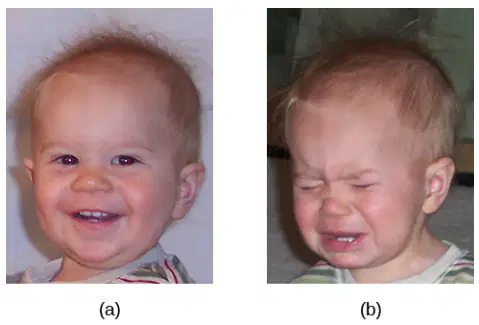
What does the text suggest about facial expressions of emotion?
They are unique to each individual and cannot be recognized by others
They are universal and can be recognized by others
They are only important in certain cultures
They are irrelevant to understanding emotions

