
 Worksheets
Body Systems and Cells
Total questions: 32
Worksheet time: 33mins
What is the main function of the circulatory system?
To break down food
To transport oxygen and nutrients throughout the body
To control movement
To produce hormones
Which organ is primarily responsible for pumping blood in the circulatory system?
Brain
Heart
Lungs
Liver
What is the main function of the respiratory system?
To digest food
To exchange gases (oxygen and carbon dioxide)
To filter blood
To produce energy
What is osmosis?
Movement of water across a semipermeable membrane
Movement of oxygen into the blood
Movement of food through the digestive tract
Movement of muscles
Which of the following is a component of the cell theory?
All living things are made of cells
All cells have a nucleus
Only animals are made of cells
Cells can live forever
Which structure controls what enters and leaves the cell?
Nucleus
Cell membrane
Mitochondria
Ribosome
Which of the following is a characteristic of living things?
They can move
They respond to their environment
They are always multicellular
They do not need energy
Which process involves a cell taking in large particles by engulfing them?
Exocytosis
Endocytosis
Osmosis
Diffusion
Which type of organism is made up of only one cell?
Multicellular organism
Unicellular organism
Plant
Animal
How does the circulatory system interact with the respiratory system?
The circulatory system digests food for the respiratory system
The circulatory system transports oxygen from the lungs to the body
The respiratory system pumps blood for the circulatory system
The respiratory system produces hormones for the circulatory system
What is the main difference between endocytosis and exocytosis?
Endocytosis moves substances out of the cell, exocytosis moves them in
Endocytosis moves substances into the cell, exocytosis moves them out
Both move substances into the cell
Both move substances out of the cell
How does osmosis help maintain balance in living cells?
By moving oxygen into the cell
By moving water to balance concentrations inside and outside the cell
By moving nutrients out of the cell
By producing energy
Which statement best describes the difference between unicellular and multicellular organisms?
Unicellular organisms have many cells; multicellular have one
Unicellular organisms perform all life functions in one cell; multicellular organisms have specialized cells
Both have specialized cells
Multicellular organisms do not need energy
Which of the following best explains the function of the nervous system in relation to the muscular system?
The nervous system digests food for the muscles
The nervous system sends signals to muscles to contract and move
The muscular system controls the brain
The muscular system produces hormones for the nervous system
Which cell structure is responsible for producing energy?
Nucleus
Mitochondria
Ribosome
Cell wall
Why is the cell membrane important for cellular transport?
It produces energy for the cell
It controls what enters and leaves the cell
It stores genetic information
It makes proteins
Which of the following best describes the role of the skeletal system in movement?
It produces hormones for movement
It provides structure and works with muscles to allow movement
It digests food for energy
It controls the nervous system
Which statement best explains why osmosis is important for plant cells?
It helps plants make food
It allows water to enter plant cells, keeping them firm
It helps plants move
It produces oxygen
A student observes that when a plant cell is placed in salt water, it shrinks. Which process is responsible for this observation?
Diffusion of salt into the cell
Osmosis of water out of the cell
Endocytosis of water into the cell
Exocytosis of salt from the cell
A person is running a race. Explain how the circulatory, respiratory, and muscular systems work together to help the person run.
The circulatory system provides energy, the respiratory system digests food, and the muscular system controls breathing
The respiratory system brings in oxygen, the circulatory system delivers it to muscles, and the muscular system uses it for movement
The muscular system brings in oxygen, the circulatory system digests food, and the respiratory system moves the body
The circulatory system controls movement, the muscular system delivers oxygen, and the respiratory system uses energy
A scientist discovers a new organism that is made of only one cell and can survive on its own. What can the scientist conclude about this organism?
It is a multicellular organism
It is a unicellular organism that performs all life functions in one cell
It cannot reproduce
It is not alive
A cell needs to get rid of waste products. Which process will it most likely use?
Endocytosis
Exocytosis
Osmosis
Photosynthesis
A person touches a hot stove and quickly pulls their hand away. Which systems are interacting in this response, and how?
Only the muscular system is involved
The nervous system senses heat and signals the muscular system to move the hand
The circulatory system cools the hand
The respiratory system helps the hand move
A plant cell is placed in a solution with a higher concentration of water than inside the cell. What will happen to the cell, and why?
Water will leave the cell, causing it to shrink
Water will enter the cell, causing it to swell
The cell will divide
The cell will die immediately
A student is asked to explain why muscle cells have more mitochondria than skin cells. Which explanation is best?
Muscle cells need more energy for movement, so they have more mitochondria to produce energy
Skin cells need more energy for protection
Mitochondria are only found in skin cells
Muscle cells do not need energy
A scientist observes that a certain cell can change its shape to engulf food particles. Which process is the cell using, and what does this suggest about the cell?
The cell is using exocytosis, suggesting it is multicellular
The cell is using endocytosis, suggesting it can take in large particles
The cell is using osmosis, suggesting it is a plant cell
The cell is using diffusion, suggesting it is a nerve cell
A student claims that all living things must be made of more than one cell. How would you respond using the cell theory?
The cell theory states that all living things are made of many cells
The cell theory states that all living things are made of cells, but some can be unicellular
The cell theory does not apply to plants
The cell theory only applies to animals
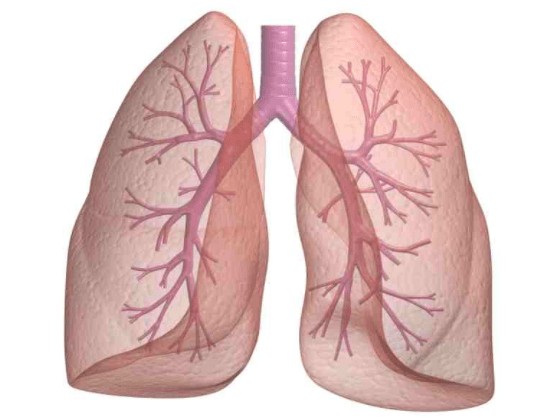

Breaking down food for nutrients involves many body systems. A student made a partial list of the processes that occur.
Which body systems interact most directly in the three listed processes?
Digestive, Integumentary, Muscular
Excretory, Immune, Muscular
Circulatory, Excretory, immune
Circulatory, DIgestive, Endocrine


In what organelle is the genetic material found inside?
cell membrane
chloroplast
nucleus
ribosome

The 3 parts of the Cell Theory are...?
All living things are composed of cells
Cells are the basic units of structure and function in living things
All cells are produced from other cells
All living things are composed of cells
Cells are the basic units of dance and vibes in living things
All cells are destroyed from other aliens
All living things are composed of Jell-O
Cells are the basic units of structure and function in living things
All cells are produced from factories in Canada
All living things are composed of cells
Cells do karate and practice eating whole pies in their free time
All cells are produced from other cells

