
 Worksheets
Cardio Exam 1 physiology and chem
Total questions: 89
Worksheet time: 48mins
which of the following of function groups are less stable
Esters
amides
which of the following agents belong to sub class 1
flecainide, propafenone
lidocaine , mexiletine phenytoin
disopyramide , procainamide, quinidine
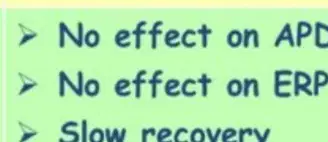
match description to the class of drugs
flecainide, propafenone
lidocaine , mexiletine phenytoin
disopyramide , procainamide, quinidine
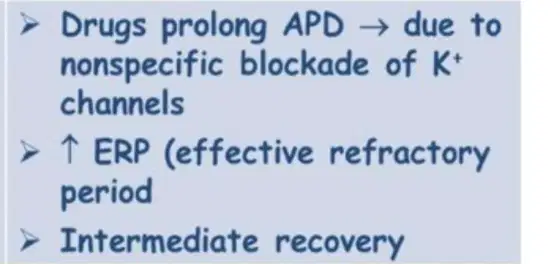
match description to the class of drugs
flecainide, propafenone
lidocaine , mexiletine phenytoin
disopyramide , procainamide, quinidine
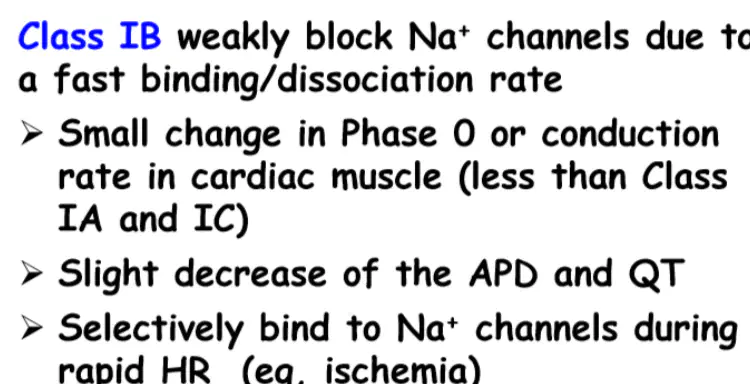
match description to the class of drugs:
flecainide, propafenone
lidocaine , mexiletine, phenytoin
disopyramide , procainamide, quinidine
which of the following drug is not effective for atrial arrhythmias due to very short action potentials ( Na+ channel inactive stage is brief)
mexiletine
lidocaine
phenytoin
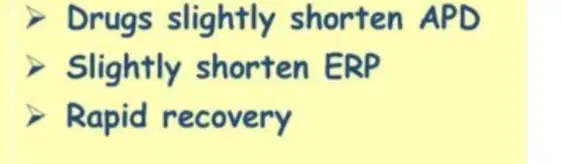
match description to the class of drugs
flecainide, propafenone
lidocaine , mexiletine phenytoin
disopyramide , procainamide, quinidine
which of the following agents belong to sub class 2
flecainide, propafenone
lidocaine , mexiletine ,phenytoin
disopyramide , procainamide, quinidine
which of the following agents belong to sub class 3
flecainide, propafenone
lidocaine , mexiletine ,phenytoin
disopyramide , procainamide, quinidine
class 1 Na+ channel blockers( fast), will decrease the following
slope of Phase 0 in cardiomyocytes(non-nodal cells)
conduction velocity of AP
QRS( conduction in ventricles)
induced abnormal automaticity
class 1 Na+ channel blockers( fast), will actually INCREASE the following
slope of Phase 0 in cardiomyocytes(non-nodal cells)
conduction velocity of AP
QRS( conduction in ventricles)
induced abnormal automaticity
class 1 Na+ channel blockers( fast), can also decrease phase .......diastolic Na currents which increases threshold to action potential leading to decreased automaticity of abnormal pacemaker activity in cardiomyocytes that depends on Na+ channels
3
2
4
class 1 Na+ channel blockers decrease phase........and phase...........currents.
3
2
4
0
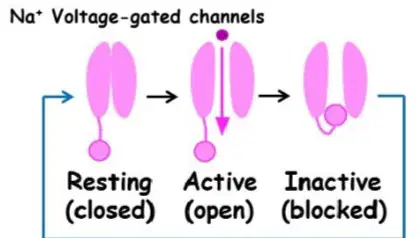
transition between states depends on
Heart rate
membrane potential
both
in Tacycardia most of the channels are in the
active state
inactive state
both
Class 1 drugs decrease Na+ currents which leads to an/a............in the Effective recovery period
( ERP)
decrease
increase
Drugs with a ..........recovery have a greater affect
fast
slow
procanamide, quinidine, and disopyramide have a greater affinity for
open state with intermediate recovery
inactivated state with rapid recovery
open state and a very slow recovery
flecainide and propafenone have a greater affinity for
open state with intermediate recovery
inactivated state with rapid recovery
open state and a very slow recovery
Lidocaine and mexiletine have a greater affinity for
open state with intermediate recovery
inactivated state with rapid recovery
open state and a very slow recovery
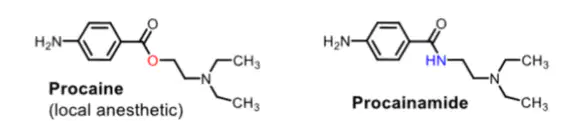
Ester was changed t o amide to
slow metabolism and increase half life for the orally active compound
increase metabolism
make more hydrophilic
make more lipophilic
metabolites P-aminobenzoic acid and N-acetylprocainamide are the metabolites. the acetylated one is
active as antiarrythimics
inactive
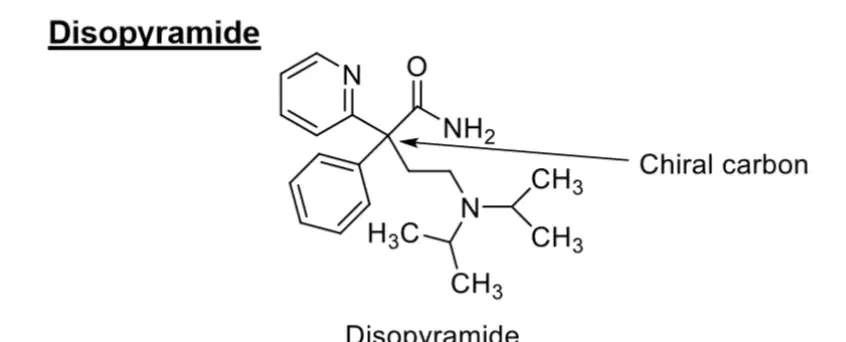
this drug is available as a racemic mixture. the Tertiary amide can be converted into
alcohol
salt to improve water solubility
acetate
ATP
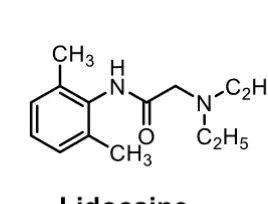
name this drug
procanamide
lidocaine
lidocaine has a rapid onset when administered
IV
orally
lidocaine is a weak with a pKa = 8
acid
base
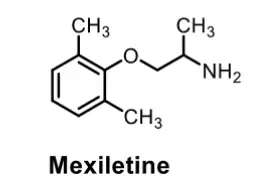
the ether in mexiletine is .......stable than the amide of lidocaine because it is more resistant to hydrolysis. ( 1 chiral center)
less
more
mexiletine undergoes fist pass metabolism
minimal
severe
this drug is primary ...............in the stomach
ionized ( hydrophilic)
unionized(lipophilic)
this drug is primary ...............in the intestines
ionized ( hydrophilic)
unionized(lipophilic)
this drug is administered for V-fib
IV
Orally( 80-90 % bioavaility)
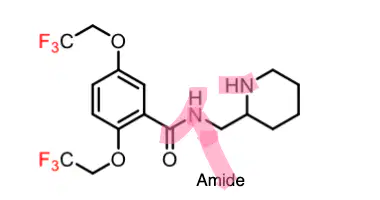
which drug is this?
lidocaine
disopyramide
flecainide
propafenone
flecainide is used to slow down rapid ventricular rates in V-fib. the amide is usually the .......basic moiety of the drug
least
most
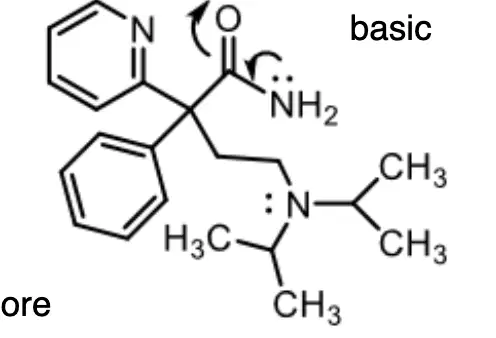
in disopyramine, the tirtiary amine is ......than the aromatich amine
more basic
less basic
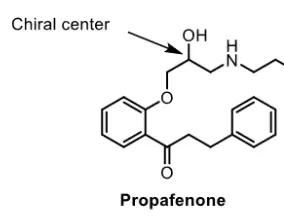
the S-isomer is mainly responsible for
B1- blocking properties
chirality
basicity
the secondary amine group is a weak base, and can easily be converted to
a hydrochloride salt
phosphate salt
in cardiomyocytes class 1 drugs block
Mg++
Na+
Ca++
K+
ADR of disopyramide include
dry mouth
urinary retention
constipation
headache
which of the following Class 1C drugs have extensive and poor metabolizers( genetically determined)
flecainide
Propafenone
which of the folollowing drugs are not associated with Torsades de pointes ( no significant affect on QT )
flecainide and propafenone
dofetilide and ibutilide
procainamide and quinidine
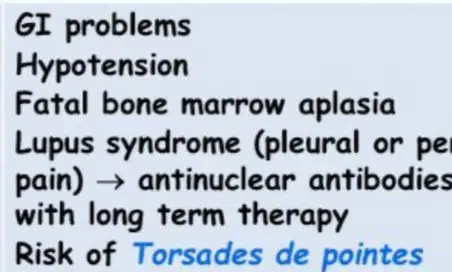
Class 1A: match the ADRs to the drug
quinidine
procainamide
procainamide and quinidine
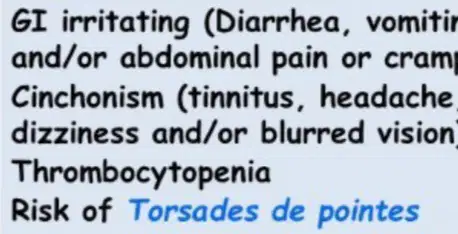
Class 1A: match the ADRs to the drug
quinidine
procainamide
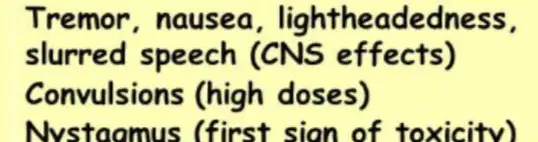
Class 1B: match the ADRs to the drug
mexiletine
lidocaine
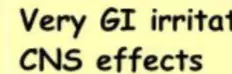
Class 1B: match the ADRs to the drug
mexiletine
lidocaine
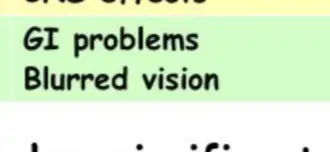
Class 1C: match the ADRs to the drug
profenone
flecainide
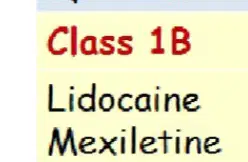
match the drugs to the indication:
atrial and ventricular arrhythmias
local anesthetic and ventricular arrythmias
atrial and ventricular arrhythmias
high risk of proarrythmias in patients with congestive heart failure and coronary artery disease
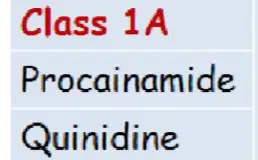
match the drugs to the indication:
atrial and ventricular arrhythmias
local anesthetic and ventricular arrythmias
atrial and ventricular arrhythmias
high risk of proarrythmias in patients with congestive heart failure and coronary artery disease
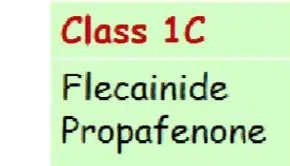
match the drugs to the indication:
atrial and ventricular arrhythmias
local anesthetic and ventricular arrythmias
atrial and ventricular arrhythmias
high risk of proarrythmias in patients with congestive heart failure and coronary artery disease
this drug specifically inhibits slow Na+ channels in pacemaker cells, decreases phase 4 spontaneous depolarization , FDA use for CHF and sinus tachycardia & HF. ADRs include bradycardia, AV block, vision changes, and QT prolongation
flecainide
ivabradine
propafenone
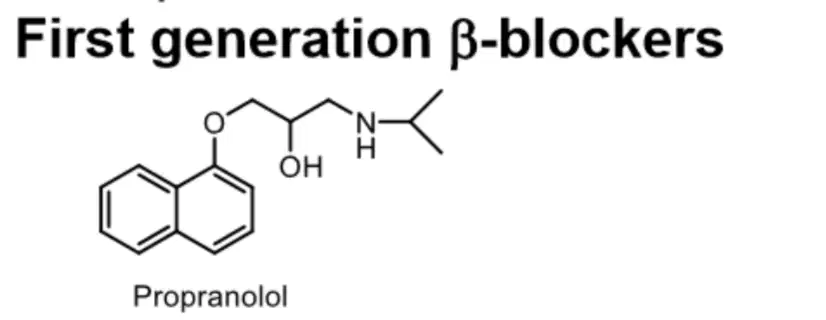
propanolol, timolol, and sotalol are
selective betablockers
nonselective betablockers
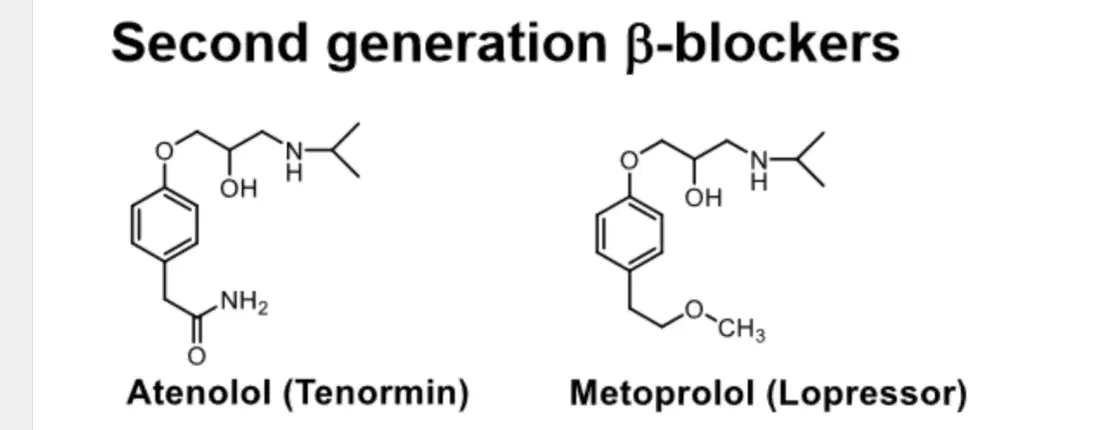
atenolol, esmolol, metoprolol are
selective betablockers( B1>B2)
nonselective betablockers
carvedilol, labetalol are
selective third generation beta blockers( B1>B2)
nonselective third generation beta blocker
betaxolol and nebivolol are
selective third generation beta blockers( B1>B2)
nonselective third generation beta blocker
acebutolol, penbutolol, pindolol are selective beta blockers, but not used clinically for arrythmias due to
Intrinsic sympathomimetic activity(ISA)
bioavalability
interactions with other drugs
selective B-blocker drugs are less likely to produce
vasodilation
broncoconstriction
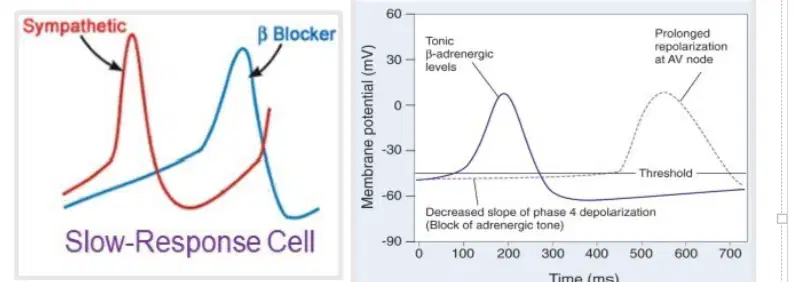
what is the primary affect of b-blockers in pacemaker cells?
all the above
decrease automaticity in SA node, decrease slope of phase 4 & HR,
decrease Na+ and Ca2+ currents
Increase AV conduction time and refractory period
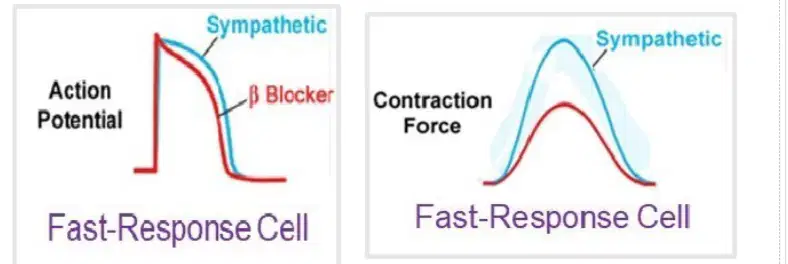
what is the primary affect of b-blockers in cardiomyocytes( fast response cells)?
increase force of contraction
decrease force of contraction ( activity of Ca2+)
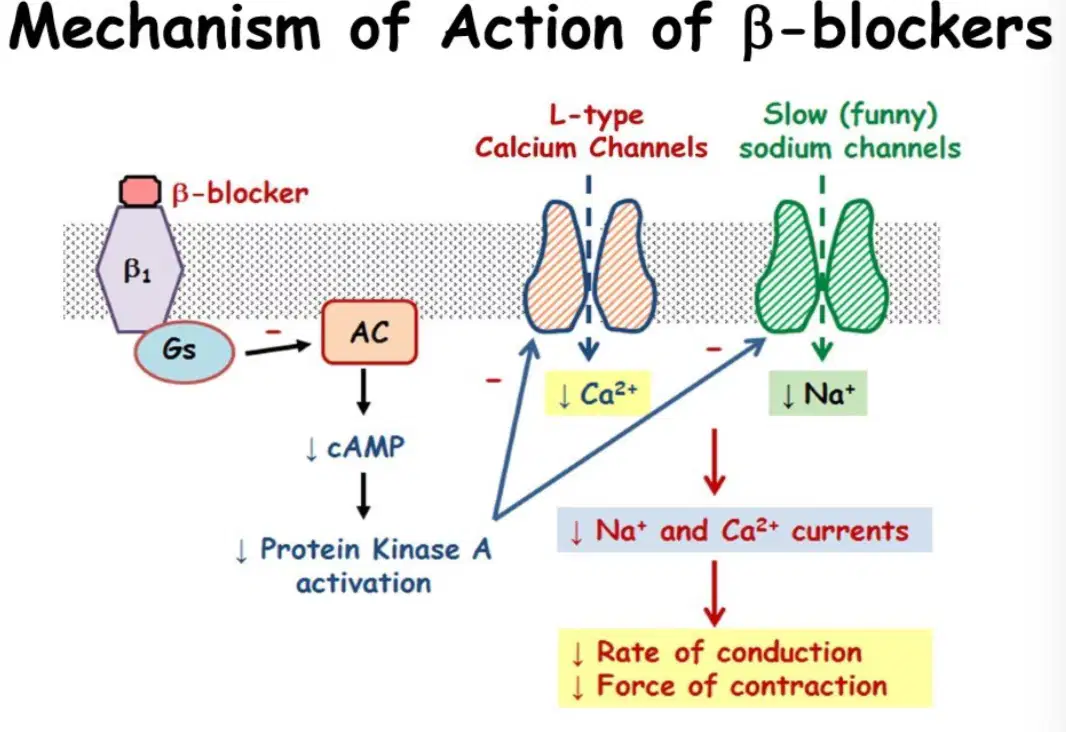
according to the diagram, b-blockers ............cAMP and decrease rate of conduction & force of contraction
increase
decrease
which of the following are severe/rare sideeffects of B-blockers
hypotension, bradycardia
heart block, DAD, EAD , bronchoconstriction
dizziness, fatigue
lethargy
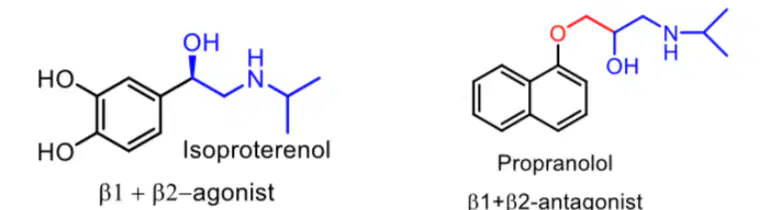
what is the structural difference between beta-Agonists and antagonist ? Beta antagonists have


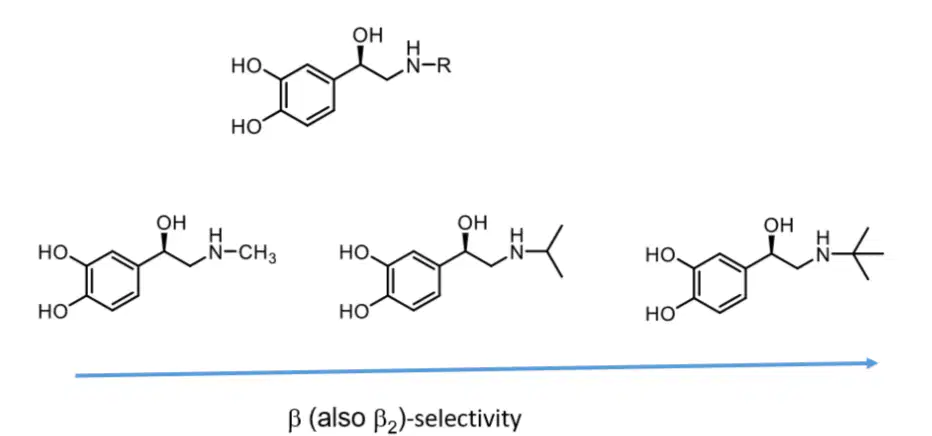
B-selectivity ...........with increasing size of the R-group
increases
decreases
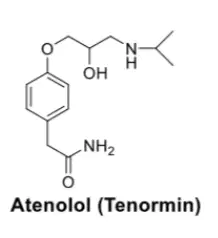
match drug to description
more lipophilic, undergoes exensive hepatic metabolism, lower dose for hepatic impaired
more hydrophilic, no hepatic metabolism, excreted unchanged in urine, low dose for renal impairement
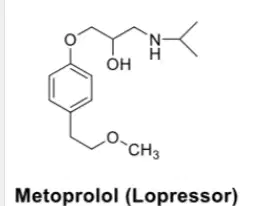
match drug to description
more lipophilic, undergoes exensive hepatic metabolism, lower dose for hepatic impaired
more hydrophilic, no hepatic metabolism, excreted unchanged in urine, low dose for renal impairement
Amiodarone, ibutilde and dofetiled are
Class 1 drugs
class 2 drugs
class 3 drugs
class 4 drugs
What is the MOA of of amiodarone or dofetilde?
block Na+ and Ca+ from entering cell and therefore increasing refractory period
block b1 and b2 receptors
block K+ channels( pahse 3 of action potential) prolonging it and inhibiting repolarization increasing refractory period
what is a disadvantage of amiadorone
it has a matebolite that is potent and they both last in body for long time even after discontinuation
it has many matebolites
it does not have Iodine
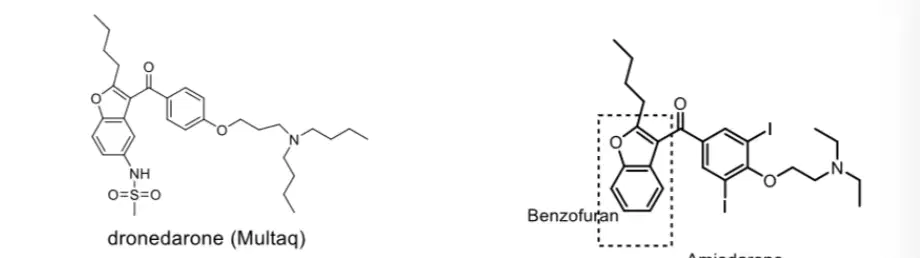
dronedarone is an anologue of amiadarone. the removal of Iodine in dronedarone makes the drug
more hydrophilic
more lipophilic
shortens halflife
decreases toxicitity
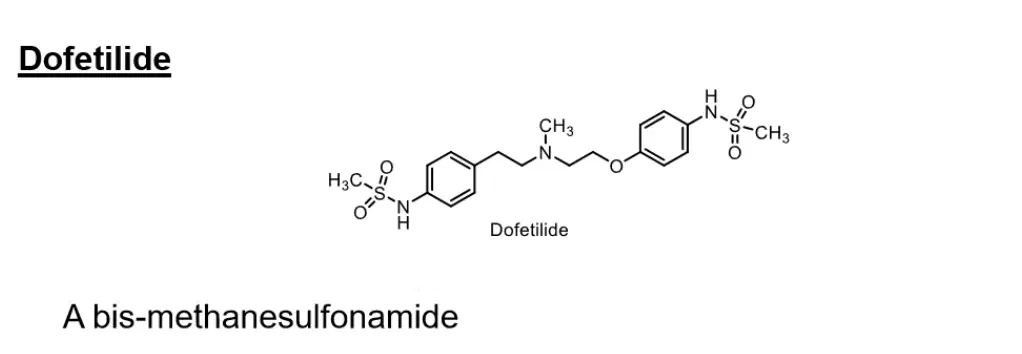
Dofetilide is......... selective compared to amiodarone
less
highly more
Class 3 MOA
block Ca2+ in phase 2
block Na influx in phase 0
block K+ channels from Repolarization in phase3
block K+ rectifier in phase 4
which of the following drugs are Class 3 drugs?
Amiodarone
quinidine
ibutilide
dofetilide
procainamide
which of the following drugs are Class 3 drugs?
ibutilide
mexiletine
dronedarone
flecainide
disopyramide
of the following drugs , they both have a sulfonamide group, which one has a methanesulfonamide
sotalol
ibutilide
dofetilide
Class 3 drugs block
delay rectifier K+ in phase 3
K+ in phase 4( diastolic current or T1 transient K+)
an issue with class 3 drugs is that they may cause
EAD
torsade the point
both
if a patient has a QTC > 440msc we should not give them
quinidine
dofetilide, ibutilide
which of the following class 3 drugs block multiple channels?
quinidine
dofetilide, ibutilide
amiadarone, dronedarone, sotalol
which of the following class 3 drugs have class 1,2,3,4 activity( Na,K,Ca++, and beta blocker activity)?
dronedarone
dofetilide, ibutilide
amiadarone
sotalol
which of the following drugs belong to class 4: blocking activated and inactivated L-type Ca2+ channels in cardiac cells
Diltiazem
dofetilide, ibutilide
amiadarone
verapamil
which of the following class 3 drugs have class 2 and 3 activities ?
dronedarone
dofetilide, ibutilide
amiadarone
sotalol
which of the following class 3 drugs are known to cause Hyperthyroidism due to IOdine hypersensitiyty, Vision problems, blue ray skin pigmentation, torsades, brady cardia etc ( NASTY drug)
dronedarone
dofetilide, ibutilide
amiadarone
sotalol
verapamil and diltiazem have their greatest effect in : increasing threshold and slowing depolarization( decreasing SA rate, AV conduction, slowing reentry arrhythmias involving AV node)
pacemaker cells
myocardium
verapamil and diltiazem block Ca++ in phase 2 plateu, shorten action potential , prevents DAD + EAD in
pacemaker cells( slow response cell)
myocardium( fast response cell)
verapamil and diltiazem may block Ca++ in later phase 4 and in phase 0, this results in a decrease in
HR
SA rate
AV conduction rate
all the above
Diltiazem and verapamil will
improve heart failure
worsen heart failure
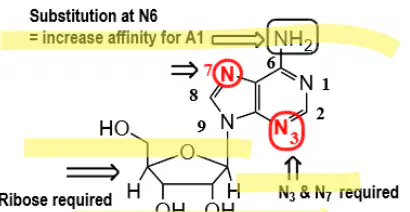
match MOA to drug: Activates Ach-sensitive K+ channels leading to hyper polarization( SA,AV, atrium), decreasing Ca++ current( decreasing cAMP that occur with sympathetic activation)
adenosine
digoxin

match MOA to drug: usually used for arrhythmias: increases vagal tone( indirect action = actiovation of ACh-sensitive K+ channels in atrium( hyperpolorization), shortening APD which decreases Ca++ currents in AV node and increases Effective refractory period
adenosine
digoxin
match MOA to drug: usually used for arrhythmias: increases vagal tone( indirect action = actiovation of ACh-sensitive K+ channels in atrium( hyperpolorization), shortening APD which decreases Ca++ currents in AV node and increases Effective refractory period
adenosine
digoxin
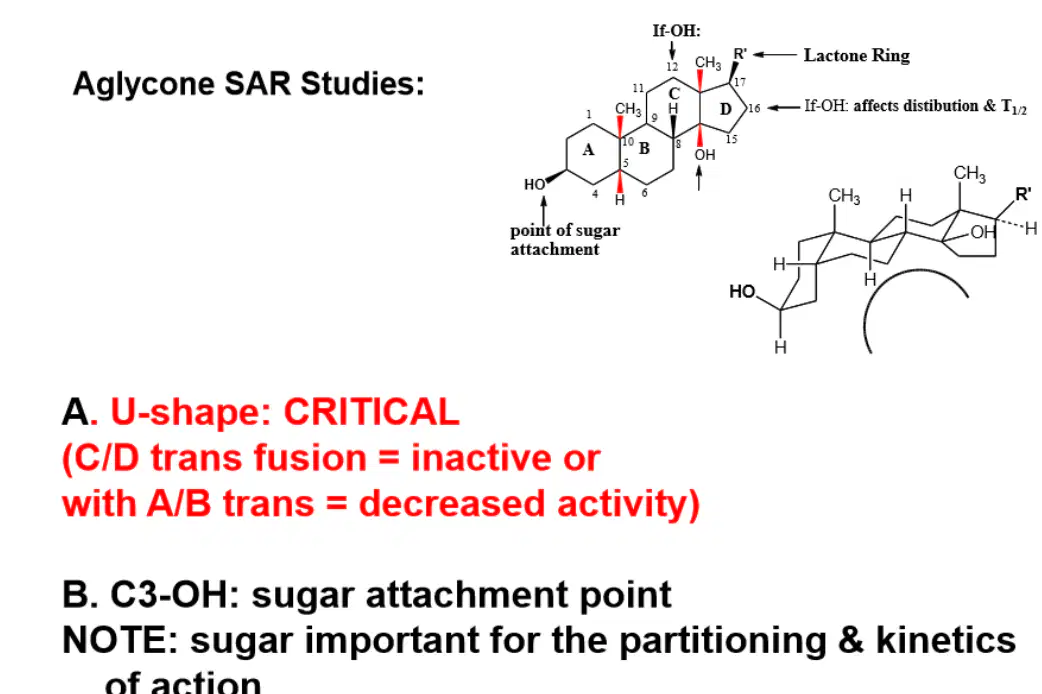
this drug is a glycoside
adenosine
digoxin
common side effects of digoxin include
nausea, anorexia
blurred or yellow vision
DADs, AV block
atrial tachycardia