
 Worksheets
Earth and Space Quiz
Total questions: 85
Worksheet time: 1hrs 19mins
What are living things?
Water and sunlight
Rocks and soil
Plants, animals, and people
Buildings and air
What do nonliving things not do?
All of the above
Grow
Reproduce
Need food
What do surroundings provide for living things?
Vehicles
Clothes
Food, water, air, shelter
Toys
What is one use of water in agriculture?
Cooking
Irrigation
Cleaning
Drinking
What is the water cycle?
The movement of water
The growth of plants
The formation of clouds
The change of seasons
What does a thermometer measure?
Humidity
Wind speed
Air temperature
Rainfall
What should you use on a rainy day?
Hat
Sunscreen
Umbrella
Sunglasses
What do clouds bring?
Sunshine
Wind
Rain
Food
What is the sun?
A planet
A star
A moon
A cloud
What does the moon do?
Grows plants
Makes the wind blow
Causes rain
Shines like the sun
What do stars produce?
Water
Rain
Wind
Light
What is one effect of the sun?
It makes it dark
It causes floods
It provides light
It makes it cold
What do we need to do in sunny weather?
Wear raincoats
Use umbrellas
Drink water
Stay indoors
What happens during evaporation?
Water turns into gas
Water turns into ice
Water falls as rain
Water becomes clouds
What is a barometer used for?
Measuring wind speed
Measuring pressure
Measuring temperature
Measuring rainfall
What should you do during a storm?
Stay indoors
Go outside
Play in the rain
Fly kites
What do we use to measure wind speed?
Thermometer
Barometer
Hygrometer
Anemometer
What do we call the water that falls from clouds?
Precipitation
Evaporation
Collection
Condensation
What is one way to stay safe in hot weather?
Stay in the sun
Drink water
Wear heavy clothes
Run outside
What do we call the patterns of stars?
Tides
Phases
Clouds
Constellations
What do we need to avoid during heavy rain?
Boots
Raincoats
Floodwaters
Umbrellas
What do clouds help to do?
Make it sunny
Block the moon
Regulate temperature
Create wind
What is one effect of the moon on Earth?
It causes rain
It affects tides
It makes it sunny
It creates clouds
What do we use to measure humidity?
Anemometer
Thermometer
Hygrometer
Barometer
What do we call the process of water changing from gas to liquid?
Collection
Precipitation
Condensation
Evaporation
What is one thing we should do during windy weather?
Fly kites
Stay indoors
Secure loose objects
Wear raincoats
What do we call the water that seeps into the ground?
Surface runoff
Precipitation
Groundwater
Rainwater
What is the main source of energy for evaporation?
Wind
Sun's heat
Rain
Clouds
What do we need to do to stay safe during a typhoon?
Play in the rain
Ignore warnings
Prepare emergency kits
Go outside
The solar system is made up of _ planets.
8
9
10
11
What is a solar system?
I'm not sure
A planet that is orbited by a moon
A system where there is a sun and objects that orbit it
A planet that is made up mostly of ice
Why does day and night occur?
I need a recap
Because the Earth rotates on it's axis, meaning that when the part of the Earth that we live on is facing the sun, it is day time and when the part of the earth that we live on faces away from the sun, it is night time.
Because the Earth orbits the sun and therefore the Earth isn't always in the same place.
Because the distance between the Earth and the Sun changes. When it's further away, it's night time and when it's closer, it's day time.
How many phases of the moon are there?
8
10
9
7
Which of these are phases of the moon?
Gibbous
Crescent
Full Moon
New Moon
All of these are phases of the moon
Why is it not the same time as the UK in a different country such as Australia?
Because the moon lights up the Earth, which means that day time occurs at different times for many countries. If a country is facing the moon, it is night time because there is no light.
I'm not too sure
Because the Earth orbits the Sun, which means that day time occurs at different times for many countries. If a country is close to the the sun, it is night time because there is no light.
Because Earth rotates on it's axis, which means that day time occurs at different times for many countries. If a country is facing away from the sun, it is night time because there is no light.
Why does the moon appear to change shape on different days?
The moon doesn't emit (give off) any light at all. As the Moon orbits the Earth, the Sun lights up different parts of it, making it seem as if the Moon is changing shape.
Some days, the moon emits more light than others and therefore it appears to change shape.
When it is day time, the moon emits less light than at night time, when it is dark on Earth.
I need a recap
Planets are...
Spherical
Circular
Triangular
Square
Which best describes how the planets orbit the sun?
Round
Straight
Elliptically
Circular motion
Choose the answer that shows the planets in the correct order from the sun
I'm not sure
Mercury, Venus, Earth, Mars, Jupiter, Saturn, Uranus and Neptune
Mars, Venus, Earth, Mercury, Jupiter, Saturn, Uranus and Neptune
Mercury, Neptune, Venus, Mars, Earth, Jupiter, Saturn and Uranus
Which of the below used to be a planet but is now recognised as a dwarf planet?
Uranus
Pluto
Neptune
Mars
The sun is...
A star
All of these options are correct
Extremely hot
A ball of gas
It occur when their is a suddenly slippage of tectonic plates which bring a tremendous shaking produce by vibration.
Earthquake
Tsunami
Storm surge
Typhoon


The main gases that burn within the sun are
Oxygen and Nitrogen
Hydrogen and Oxygen
Neon and Sulfur
Hydrogen and Helium
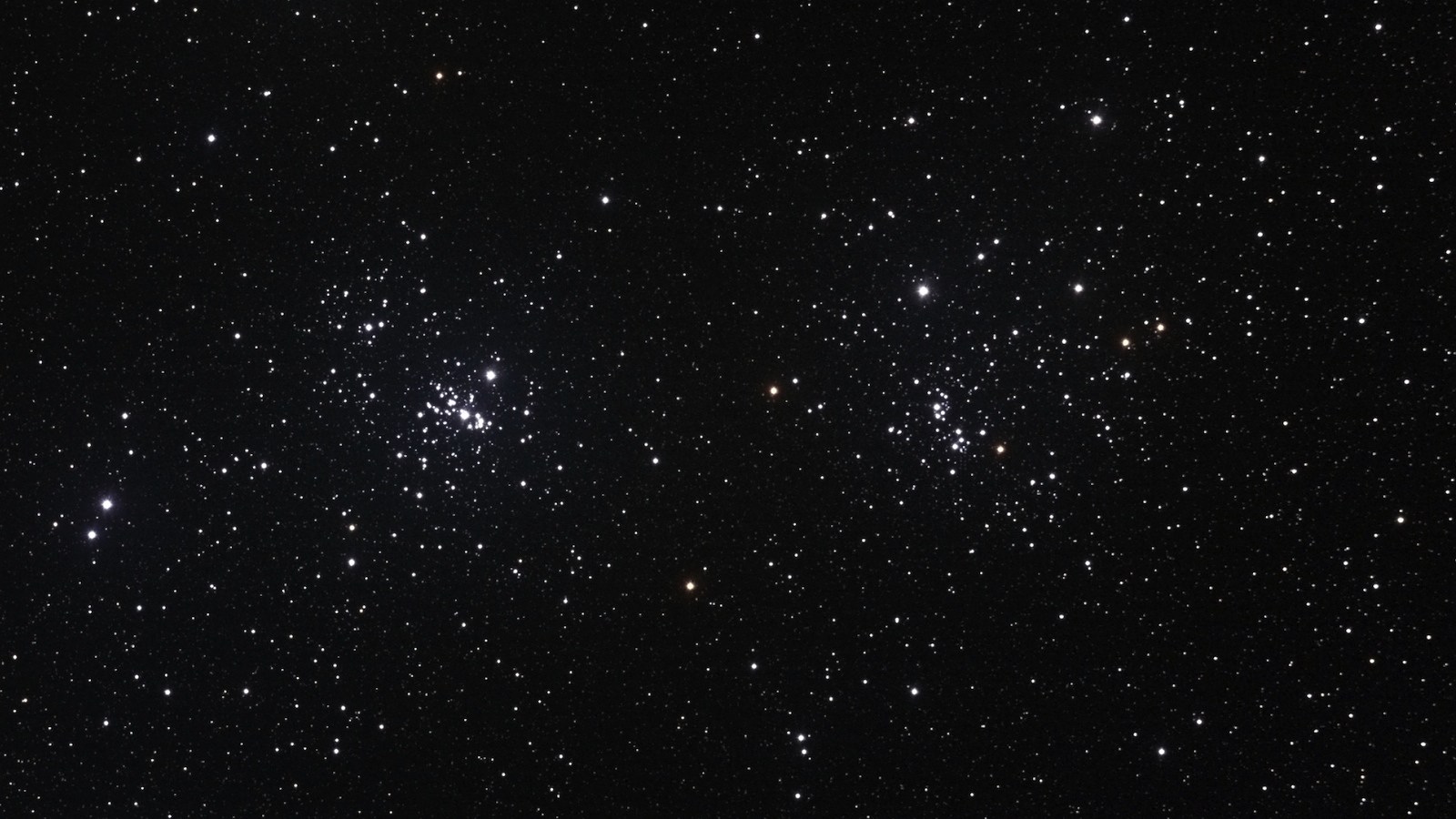

The Sun is the biggest star in the sky.
What are the 3 R's?
Reduce, Reuse, Recycle
Recycle, Reopen, Redo
Reuse, Restart, Recycle
Reduce, Reuse, Radiate

Plants and trees release oxygen into the air.
True
False

The Earth spins around...
The Moon
The Sun
Other planets
Revolve means:
Spin or Turn
Go Around
Which is the correct mnemonic for remembering the order of the planets?
My Very Eager Mother Just Served Us Pizza
My Very Eager Father Just Served Us Nachos
My Very Eager Mother Just Served Us Nachos
My Very Eager Father Just Served Us Pizza
How long does it take the Earth to revolve around the Sun one full time?
24 hours
28 days
180 days
365 days
Which planet is closest to the sun?
Mercury
Earth
Mars
Neptune
Rotate means:
To Spin or Turn
To Go Around
How long does it take the Moon to revolve around Earth one full time?
24 hours
28 days
180 days
365 days

Which moon phase is pictured?
New Moon
Crescent Moon
Full Moon
How long does it take Earth to rotate one full time?
24 hours
28 days
180 days
365 days
The spin of the Earth is what gives us:
Day and Night
The Seasons
How many planets are in our Solar System?
4
8
10
12

Which moon phase is pictured?
New Moon
Crescent Moon
Full Moon
The tilt of Earth as it revolves around the sun is what gives us:
Day and Night
The Seasons
Which is the correct order of the planets?
Sun, Earth, Moon
Mars, Venus, Earth, Mercury, Jupiter, Saturn, Uranus, Neptune
Mercury, Venus, Earth, Mars, Jupiter, Saturn, Uranus, Neptune, Pluto
Mercury, Venus, Earth, Mars, Jupiter, Saturn, Uranus, Neptune
The part of Earth that is facing the sun is in:
Daytime
Nighttime

Which moon phase is pictured?
New Moon
Crescent Moon
Full Moon
Which planet is furthest from the sun?
Mercury
Earth
Mars
Neptune
Name the order of the planets:
What is the correct order of the inner planets starting from the sun?
Mercury, Earth, Mars, Venus
Mercury, Venus, Earth, Mars
Mercury, Venus, Neptune, Earth
Mars, Venus, Earth, Mercury
What is the sun?
A planet
The Death Star
Star
Dwarf planet
What is the sun made of?
Lava
Ice
Rocks
Hot burning gases
What is the order of the outer planets?
Neptune, Jupiter, Saturn, Earth
Jupiter, Saturn, Uranus, Neptune
Jupiter, Uranus, Neptune, Saturn
Jupiter, Saturn, Uranus, Pluto
Life on Earth needs the sun to survive. Why?
True
False
What is another name for heat energy?
Thermal energy
hot
sound energy
Light energy
The sun revolves around the Earth.
True
False
What is the 2nd closest planet to the sun?
Venus
Tatooine
Earth
Mercury
Other than Venus, what happens to the planets the farther away you get from the sun?
They get hotter
They get colder
They get smaller
They become asteroids
Why does the sun look bigger than the other stars in the sky you see at night?
Because it is hotter
Because it is the biggest star in the universe
The sun is farther away
The Earth is closer to the sun than the other stars

This diagram shows that the sun revolves and rotates around the Earth and Moon.
True
False

Which answer best describes this model?
Incorrect order, 10 planets
correct order, all planets have rings, 7 planets
The sun is much larger than the planets
Correct order, 8 planets, some planets have rings

How is this model different than the last model?
planets in a straight line, shows the relative sizes better, doesn't show the full orbit
it's cooler
The sun is smaller than the planets
There is 11 planets

What is a limitation of the solar system model?
Not the actual size of the planets
Not really gas or rocks
Not the real position of the planets
All of the above
What tool does a meteorologist use to measure precipitation?
thermometer
wind vane
holding your hands out like a cup
rain gauge
What tool would you use to figure out the temperature for the day?
rain gauge
thermometer
temperature
stick your hand outside to feel

This tool measures wind direction. What is it?
Wind vane
Weather rooster
thermometer
Chicka Chicka Boom Boom

