
 Worksheets
Cihuyy
Total questions: 43
Worksheet time: 22mins
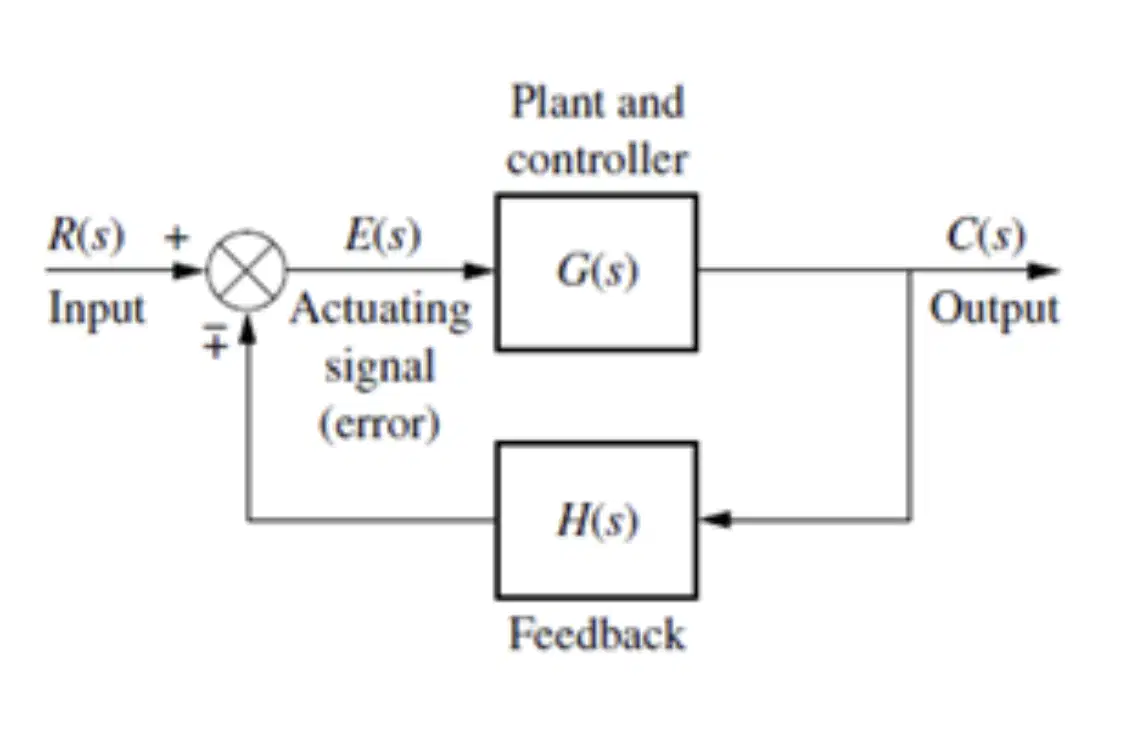
G(s)H(s)?
Open Loop Gain
Feedback Gain
Closed Loop Transfer Function (CLTF)
Open Loop Transfer Function (OLTF)
System Gain
G(s)?
Open Loop Gain
Feedback Gain
Closed Loop Transfer Function (CLTF)
Open Loop Transfer Function (OLTF)
System Gain
H(s)?
Open Loop Gain
Feedback Gain
Closed Loop Transfer Function (CLTF)
Open Loop Transfer Function (OLTF)
System Gain
1+G(s)H(s)G(s)H(s)
Open Loop Gain
Feedback Gain
Closed Loop Transfer Function (CLTF)
Open Loop Transfer Function (OLTF)
System Gain
Match the zeta (ζ) value to its system characteristics!
UNDERDAMPED
ζ=0
0<ζ<1
ζ=1
ζ>1
ζ=−1
Match the zeta (ζ) value to its system characteristics!
Undamped
ζ=0
0<ζ<1
ζ=1
ζ>1
ζ=−1
Match the zeta (ζ) value to its system characteristics!
Critically Damped
ζ=0
0<ζ<1
ζ=1
ζ>1
ζ=−1
Match the zeta (ζ) value to its system characteristics!
Overdamped
ζ=0
0<ζ<1
ζ=1
ζ>1
ζ=−1
G(s) = s2 + 2s - 1
------------------
s2 + 1
Where are the zeros located?
-1 ± √2 j
-1 ± 2j
-1 ± √2
1 ± j
G(s) = s2 + 2s - 1
------------------
s2 + 1
Where are the poles located?
± j
± 1
-1 ± j
1 ± j
G(S) = S
-------------------
s2 + 6s + 8
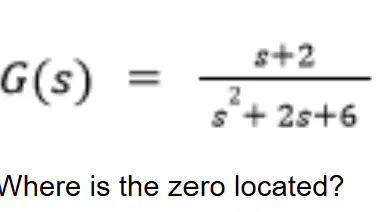
Where is the zero located?
0
-2
2
-8
G(S) = S
-------------------
s2 + 6s + 8
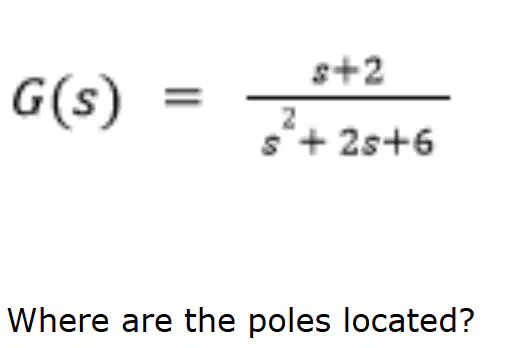
Where are the poles located?
-4
-2
0
-8
-1
1
2
-2
-1 ± 2.24j
1 ± 2.24j
2 ± 1.23j
-1 ± 1.23j
Which one from below is a closed loop system?
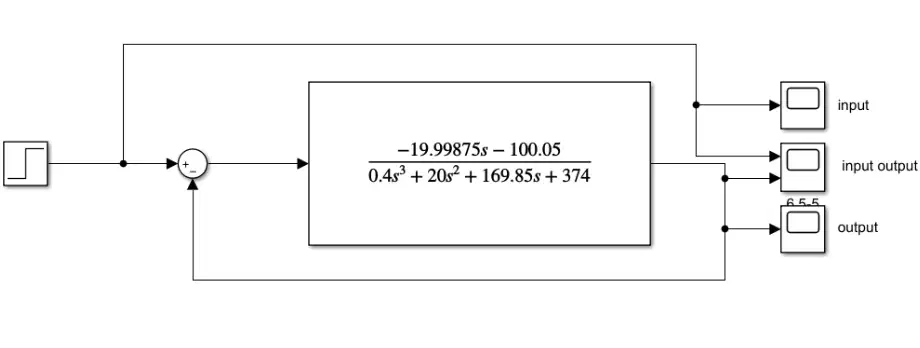
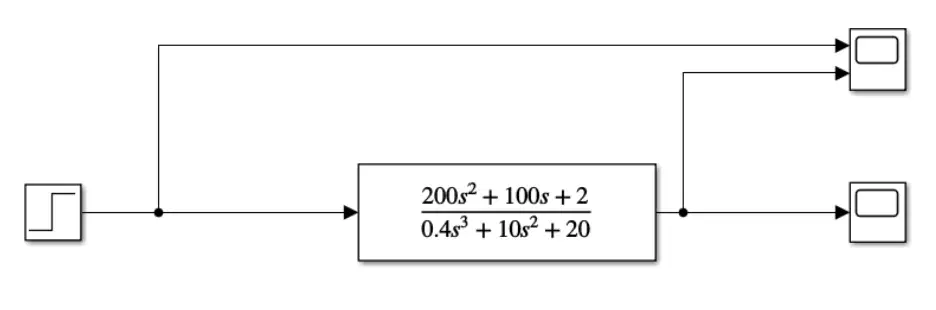
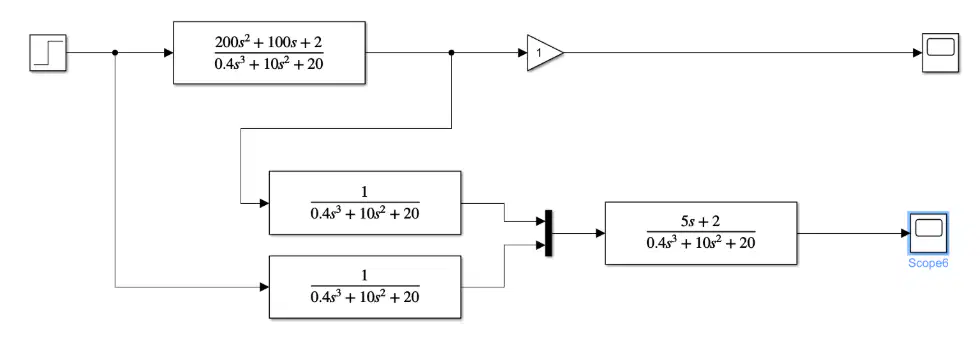
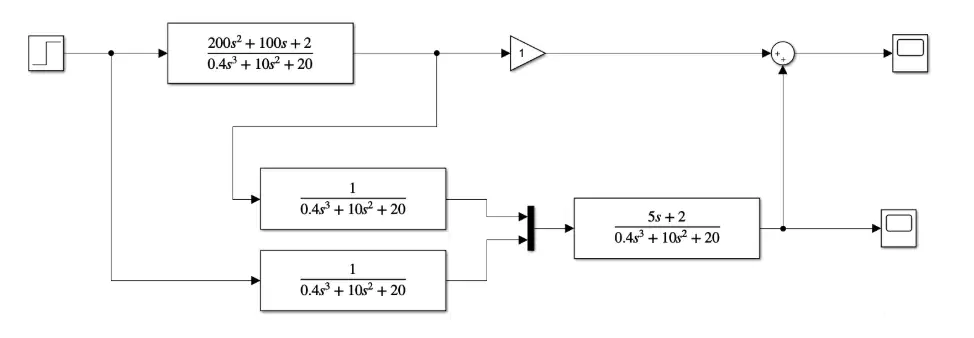
Which one from below is an open loop system?
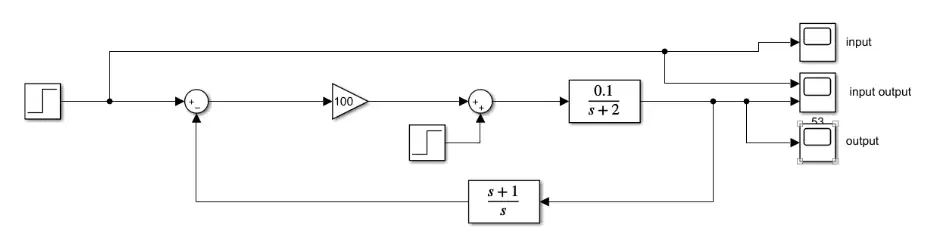
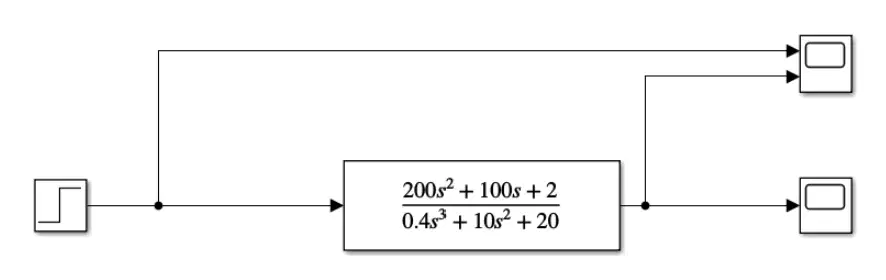
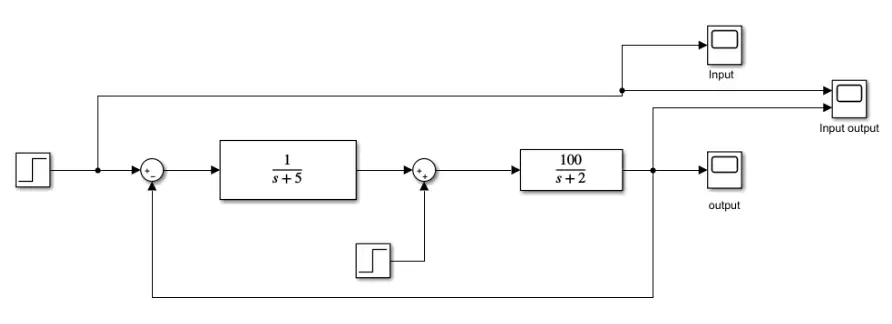
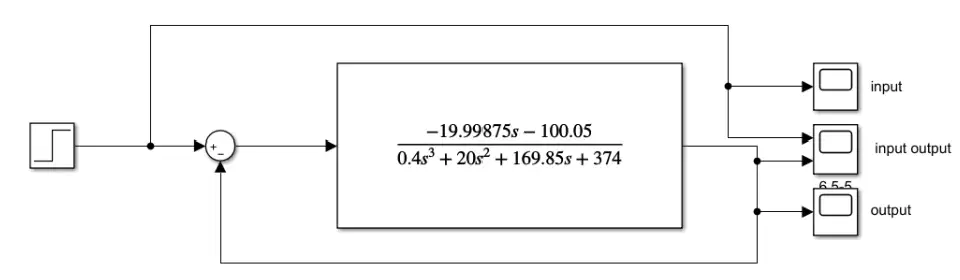
What is the representation for Poles and Zeros in s-plane?
Poles = O Zeros = X
Poles = X Zeros = O
Poles = P Zeros = Z
Poles = A Zeros = B
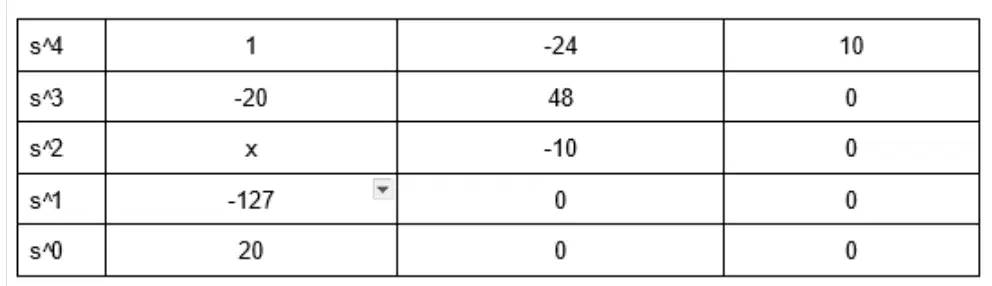
What type of number should be there so there is 2 pole in right half plane?
Negative Number
Integer
Positive Number
Complex Number
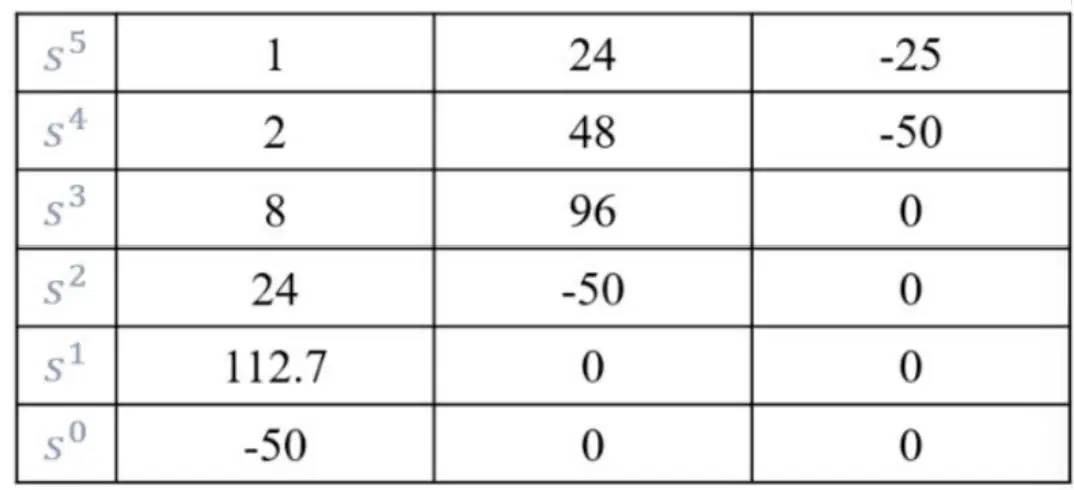
How many pole of the system placed in right half plane?
3
2
1
Cannot be determined
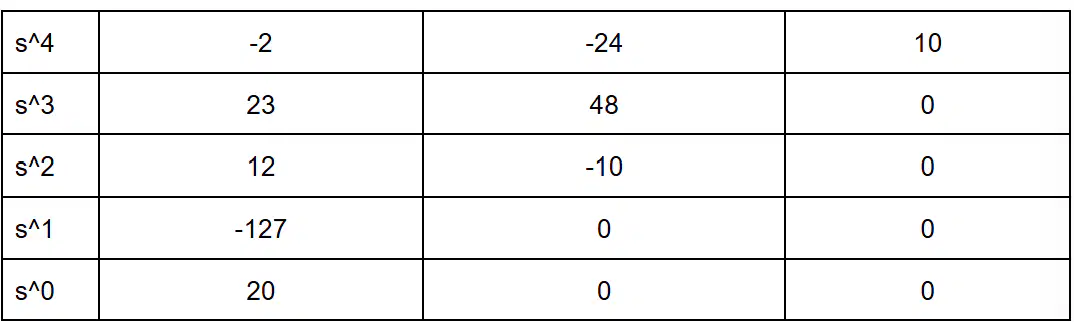
How many pole of the system placed in right half plane?
Cannot be determined
1
2
3
G(s) = 3.9
—-----------------------
s^3 + 5.1s^2 + 3s + x
Calculate maximum value of x so the system stable!
15.3
14.3
13.3
16.3
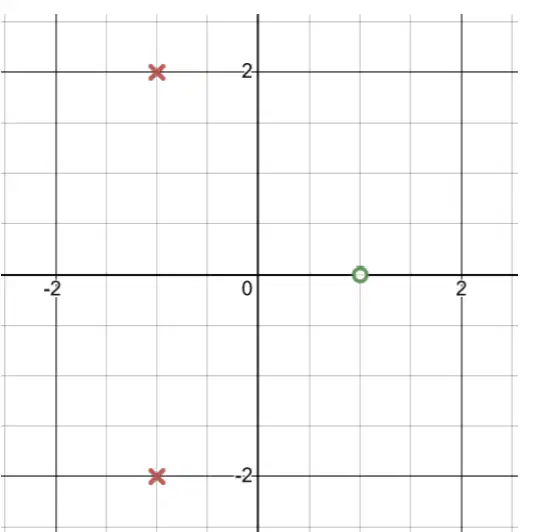
What is the stability characteristic of the system which poles are shown above?
Unstable
Marginally Stable
Stable
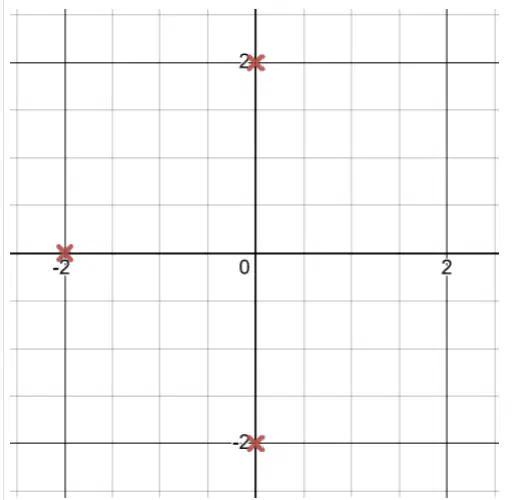
What is the stability characteristic of the system which poles are shown above?
Unstable
Marginally Stable
Stable

Which color shows an overdamped response?
red
blue
green
black
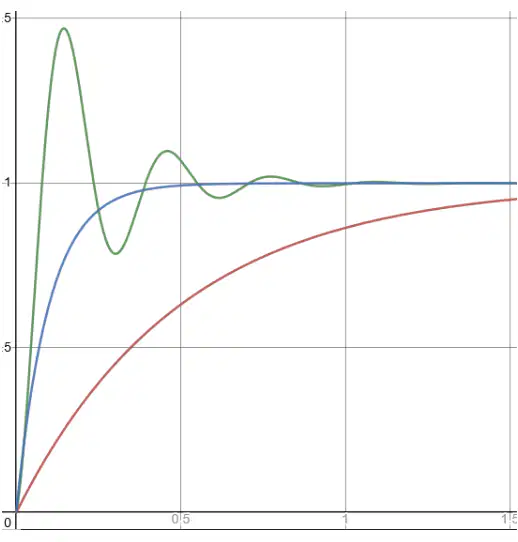
Which color represents a critically damped response?
blue
red
green
black
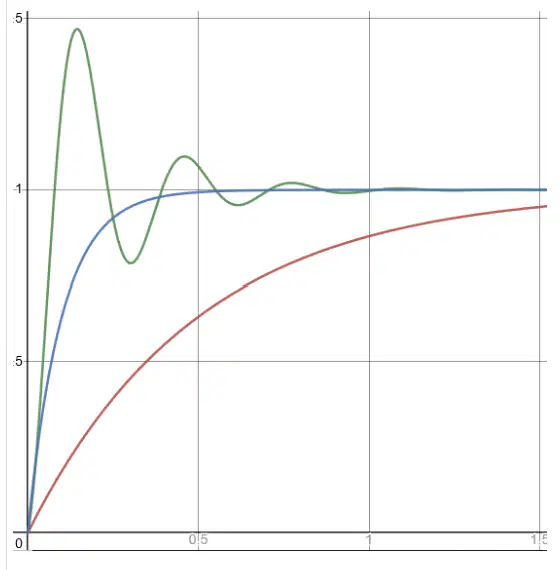
Which color represents an underdamped response?
green
blue
red
black

How is the stability of this system?
Stable
Unstable
Marginally Stable
Marginally Unstable
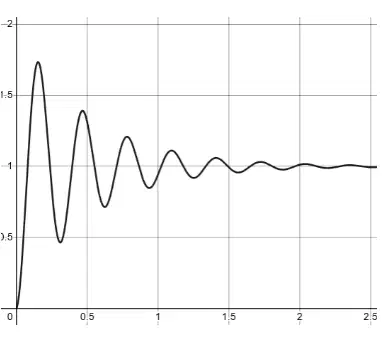
How is the stability of this system?
Stable
Unstable
Marginally Stable
Marginally Unstable

How is the stability of this system?
Stable
Marginally Stable
Unstable
Marginally Unstable
G(s) = s + 9
—------------------------
4s^3 + 2s^2 + 3s
Find Static Error Constant for given function!
(use "."/period as coma if needed)
(a)
G(s) = s + 9
—------------------------
4s^3 + 2s^2 + 3s
Find Steady State Error e(∞)!
(use "."/period as coma if needed)
(a)
G(s) = s + 6
—----------------------
2s^2 + 3s + 2
Find Static Error Constant for given function!
(use "."/period as coma if needed)
(a)
G(s) = s + 6
----------------------
2s^2 + 3s + 2
Find Steady State Error e(∞)!
(use "."/period as coma if needed)
(a)
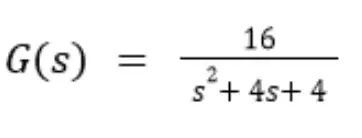
What is the natural frequency of the transfer function above?
(use "."/period as coma if needed)
(a)
What is the damping factor of the transfer function above?
(use "."/period as coma if needed)
(a)
Laplace transform changes the system from time domain to …. domain
(a)
G(S) = S
-------------------
s2 + 6s + 8
The function above is stable.
True
False
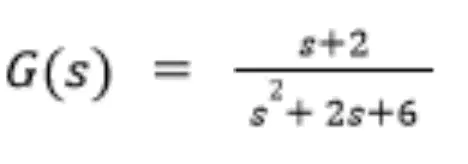
The function above is stable.
True
False
G(s) = S + 2
-----------
s2 - 6s + 10
The function above is stable.
True
False
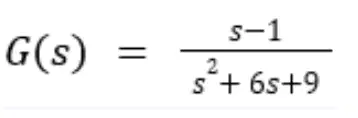
The function above is stable.
True
False
Rise time is taken for response to reach 0.9 of peak value.
True
False
Settling time is time taken for a system response to reach and stays at +-2% of the steady state value.
True
False
You can see system's response characteristic through ζ (zeta) value.
True
False

