
 Worksheets
Michaels - Safety and the Environment Unit Exam 2025
Total questions: 63
Worksheet time: 32mins
What is the term for the body's defense against harmful microorganisms?
Immunity
vector
contagion
endogenous infection
The infection cycle CONTINUES when a pathogen leaves the ________ and moves to another host.
means of entrance
reservoir host
susceptible host
means of transmission
Which of the following situations best illustrates direct transmission of an infectious disease?
Shaking hands with an infected individual
Using a contaminated towel
Eating food left uncovered
Being bitten by a mosquito
Which of the following diseases is commonly transmitted through airborne particles?
Influenza
Hepatitis B
Dengue fever
Cholera
Which of the following best describes a congenital infection?
Acquired after birth
Transmitted through contaminated food
Passed from mother to child during pregnancy
Spread by insect bites
A person who is at risk of developing an infection because their immune system is weakened, such as someone with HIV/AIDS, is referred to as a?
Vector
Susceptible host
Reservoir
Carrier
What is the term for the condition in which harmful microorganisms are either eliminated or kept at a safe level?
sterilization
antisepsis
asepsis
disinfection
Which of the following is an effective way for a medical assistant to prevent the spread of infection in a healthcare setting?
Wearing jewelry while working
Allowing food in patient care areas
Regularly disinfecting surfaces and equipment
Shaking hands with every patient
Which mode of transmission is most commonly associated with the spread of diseases like influenza and measles?
Vector-borne transmission
Waterborne transmission
Airborne transmission
Direct contact transmission
An organism, like a tick, that transmits pathogens from one host to another is known as a (an)
Reservoir
Vector
Antibody
Host
Contaminated water used for drinking is considered a (n) ______ factor in the spread of infectious diseases.
Immunity
Susceptibility
Environmental
Non-communicable
A group of people become ill after sharing a meal at a picnic. What is the most probable route of transmission?
waterborne
foodborne
airborne
vector borne
To prevent the spread of infection, which principles should be followed when maintaining cleanliness in healthcare settings?
sterility
sepsis
asepsis
disinfection
Which of the following is a correct step in aseptic hand washing technique?
drying your hands before turning off the faucet
using your bare hands to close the faucet after washing
scrubbing your hands and forearms thoroughly for the recommended time
touching the inside of the sink while rinsing
Which of the following is the safest practice for disposing of needles after use?
Immediately discard needles in a designated sharps disposal container
Break the needle before disposal
Throw needles in the regular trash
Store used needles in your pocket until disposal
Which color is typically used for the universal biohazard symbol on waste bags and containers?
Purple
Orange-Red
White
Green
Which of the following is covered under OSHA's Universal Precautions guidelines?
Tears
Saliva
Urine
Blood
If an employee is exposed to a bloodborne pathogen at work, what is the appropriate next step?
Ignore the incident and continue working
Report the exposure and follow the employer’s post-exposure protocol
Refuse to participate in any follow-up procedures
Immediately quit the job
Within how many days of employment must an employer provide the HBV vaccine to a healthcare worker?
7
30
10
45
If a workplace hazard arises that is not covered by a specific OSHA regulation, what must the employer rely on to ensure worker safety?
The employer can ignore the hazard until a new standard is created.
The employer must follow the general duty clause to protect employees.
Employees must create their own safety procedures.
The employer should only address hazards that are specifically regulated.
Which part of the "chain of infection" involves germs leaving the body through actions like vomiting or bleeding?
Infectious agent
Portal (means) of exit
Portal (means) of entrance
Susceptible Host
A condition that spreads quickly from person to person is described as ____.
chronic
contagious
hereditary
benign
Which of the following individuals is considered immunocompromised?
a person with seasonal allergies
a person taking immunosuppressive drugs
a person with a broken bone
a person with mild asthma
What is the term for the process of removing dirt and debris from medical instruments, usually involving soap and physical scrubbing?
sanitization
sterilization
disinfection
pasteurization
The process that ensures the elimination of all forms of microbial life, including spores, from medical instruments is called ____.
antisepsis
sterilization
pasteurization
cleaning
Abigail is responsible for cleaning the work surfaces in the examination room at her clinic, including the examining table, sink, and countertop. She also needs to clean her school desk. Which of the following methods should Abigail use?
Disinfection
Purification
Sanitization
Fumigation
Why is it important to avoid storing laboratory samples containing infectious agents in the same refrigerator as food items?
There is a risk of cross-contamination that could lead to accidental exposure or ingestion.
Laboratory samples require a different temperature than food.
Food can neutralize the infectious agents.
Infectious agents lose their potency when refrigerated with food.
Ava is working in a hospital room where potentially infectious materials are present. According to OSHA regulations, which of the following activities is she PROHIBITED from doing in that room?
Talking on a cell phone
Washing your hands
Filling the paper towel rack
Chewing gum and applying cosmetics
A patient becomes nauseous and vomits on the waiting room chair and carpet. What is the most appropriate action to take?
Leave the mess for the janitorial staff to handle at the end of the day.
Wipe up the vomit with paper towels and ignore any remaining residue.
Clean the area immediately, following Universal Precautions to protect against infection.
Open a window to air out the room and wait for someone else to clean it.
Sandra is preparing an exam room for the next patient and notices a sticky, unknown residue on the examination chair's armrest. The rest of the room appears clean and ready. What is the most appropriate action for Sandra to take?
Cover the residue with a clean paper towel and proceed with the patient
Ask the patient to wait outside while she properly cleans and disinfects the area
Ignore the residue since the rest of the room is clean
Wipe the residue with a tissue and throw it in the regular trash
Which of the following is NOT a measure to ensure physical safety in a classroom?
Store cleaning supplies out of children's reach
Use non-slip mats in wet areas
Leave electrical cords across walkways
Check toys for broken parts regularly
Which device is commonly used to _______________ surgical tools before they are used in operations?
sanitize
disinfect
store
sterilize
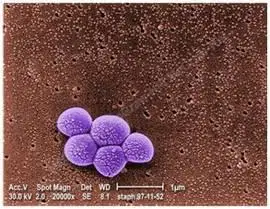



Which type of bacteria require oxygen for their survival and growth?
Anaerobes
Aerobes
Spores
Fungi
Which statement correctly describes the growth requirements of anaerobic bacteria?
They require oxygen for survival
They are only found in environments with high oxygen levels
They multiply in environments lacking oxygen
They cannot survive without oxygen
Which of the following describes an organism that obtains nutrients by living inside another living being, often causing harm, and is commonly found in the digestive tract?
Bacterium
Host
Parasite
Mold
Michael visits a clinic with a suspected bacterial infection. The doctor decides to culture a specimen from Michael and then test which antibiotics the bacterium is susceptible to. Which of the following procedures is the doctor performing?
Culture and sensitivity (C&S)
KOH mount
Acid-fast stain
Wet mount
Which of the following is NOT considered a component of proper workplace ergonomics?
Adjust your chair to support your lower back
Keep your wrists straight while typing
Place your keyboard at a comfortable height
Position your monitor at eye level, less than 6 inches from your eyes
Henry is studying diseases that affect the immune system. He learns about a virus that infects and gradually destroys components of the immune system, resulting in AIDS. Which of the following is this virus?
SARS
HIV
MRSA
CMV
Which type of bacteria appear purple under a microscope after performing a Gram stain?
Gram negative
Gram positive
Anaerobic
Aerobic
What is the most effective way to reduce the risk of transmitting infections among patients in a hospital?
Sharing personal items with patients
Proper and regular hand hygiene
Reusing disposable medical equipment
Eating in patient care areas
Why is it important for healthcare workers to wear gloves and masks when coming into contact with blood or body fluids?
To follow hospital dress code
To reduce the risk of infection transmission
To save time on cleaning
To make patients feel comfortable
Jackson is at work and touches a doorknob that was previously handled by someone with the flu. Which of the following best describes the mode of disease transmission in this situation?
Shaking hands with an infected person
Inhaling droplets from a sneeze
Touching a contaminated doorknob
Receiving a blood transfusion
Which of the following is the best method to prevent the spread of infection in a healthcare setting?
Wearing jewelry while working
Using the same gloves for multiple patients
Frequent and proper hand washing
Avoiding cleaning surfaces regularly
What is the primary purpose of using personal protective equipment (PPE) in a medical office?
To keep uniforms clean
To protect healthcare workers and patients from exposure to infectious agents
To make staff look professional
To avoid washing hands

