
 Worksheets
Key trades and safety L1
Total questions: 43
Worksheet time: 22mins
Fill in the blank: The main tradespeople you are likely to come across on site include (a) .
Fill in the blank: The main tradespeople you are likely to come across on site include (a) .
Fill in the blank: The main tradespeople you are likely to come across on site include (a) .
Fill in the blank: The main tradespeople you are likely to come across on site include (a) .
Fill in the blank: The main tradespeople you are likely to come across on site include (a) .
Fill in the blank: Plumbers are responsible for installing the hot and cold water systems, central heating systems, sanitation and drainage systems within a (a) property.
Name two types of appliances or fixtures that plumbers may work with, as mentioned in the passage.
(a)
What is the main responsibility of an electrician in a domestic property?
(a)
Electricians are responsible for installing the wiring for the lighting and (a) supply in a domestic property.
Carpenters are responsible for installing all the (a) fixtures within a domestic property.
Carpenters can also be known as (a) .
What are bricklayers responsible for installing?
(a)
Some of the tasks included in a bricklayer's work are:
Laying bricks and building walls
Painting houses
Installing electrical wiring
Designing building blueprints
What are plasterers responsible for carrying out within the property?
(a)
Name two tasks that plasterers may perform as part of their job.
(a)
What is a real hazard on a construction site and within a customer’s property?
(a)
One way to avoid an electric shock when using electrical equipment is to:
Wear rubber-soled shoes
Use wet hands
Stand on a metal surface
Touch exposed wires
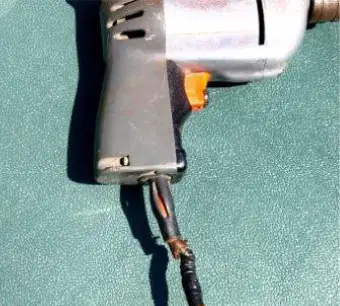
Regular inspections of electrical equipment are important because:
they help identify potential hazards and prevent accidents.
they increase the cost of maintenance.
they reduce the efficiency of the equipment.
they are required only for new equipment.
To avoid burns, what is required when performing hot work such as welding and soldering?
(a)
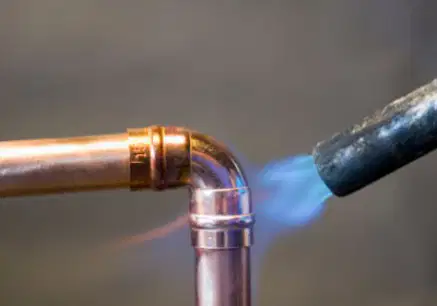
What type of hazard is being demonstrated in this image?
(a)
What is a common hazard in working life that can affect the hands, arms, and body?
(a)
Many cuts and abrasions to the hands, arms, and body can be avoided by the correct use of (a) .
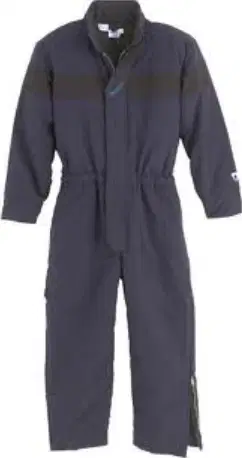
What does the image show that can help avoid cuts and abrasions in working life?
(a)
What can seriously affect the operative’s lungs when grinding, using powder, or creating sawdust?
(a)
Working at heights is always a (a) ; even if falling a short distance from the ground, a person can be seriously injured.
Good training in the use of access equipment is essential for all tradespeople because:
it ensures safety and reduces the risk of accidents.
it makes the equipment look new.
it increases the cost of the project.
it eliminates the need for supervision.
Lifting and carrying items on site poses a real hazard especially to your (a)
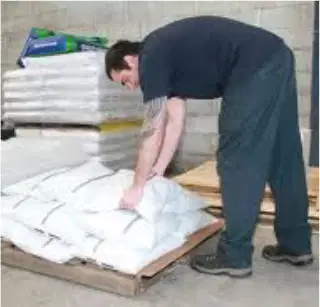
What is the person doing that could pose a hazard?
(a)
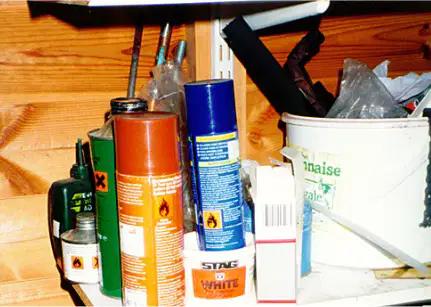
What are solvents commonly used for on site?
(a)
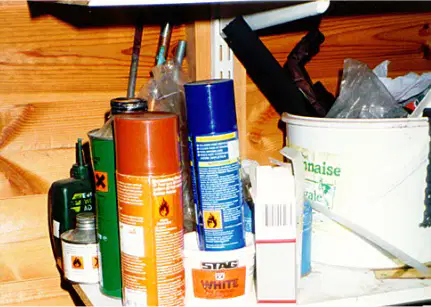
What is essential when using solvents on site?
(a)
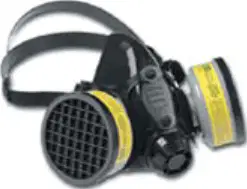
Why must chemicals that create vapours be used in well-ventilated areas and in accordance with the manufacturer's recommendations?
(a)
What is asbestos?
(a)
Why is asbestos considered a significant hazard, particularly when working in older properties?
(a)
If asbestos is suspected to have been found on site, what must you do?
(a)
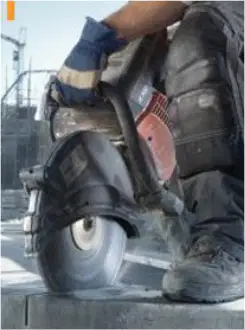
What is a hazard created by many of the power tools commonly used on site?
(a)
Power tools should be used only for short periods and with (a) .
Noise can be a hazard, especially when using (a) .
What can permanently damage your hearing and leave your ears 'ringing' when you have finished work?
(a)

What is shown in the image below and how does it help reduce the risk of injury from noise hazards?
(a)
What are two possible causes of extreme temperatures in the workplace?
(a)
Hazards: Extreme Temperatures Prior to work starting, the correct PPE will need to be chosen, including for adverse weather conditions. This may also include the use of (a) .
Fill in the blank: One way to avoid slips, trips, and falls on site is by (a) after you.
Fill in the blank: Storing items (a) can help avoid slips, trips, and falls.

