
 Worksheets
MAMMAL MANIA
Total questions: 15
Worksheet time: 28mins

Aestivation is
the place where animals live
to rest during hot and dry conditions
unusual or strange
moist
Animals that eat only meat are called
gestation
herbivores
omnivores
carnivores
What type of mammal is the kangaroo?
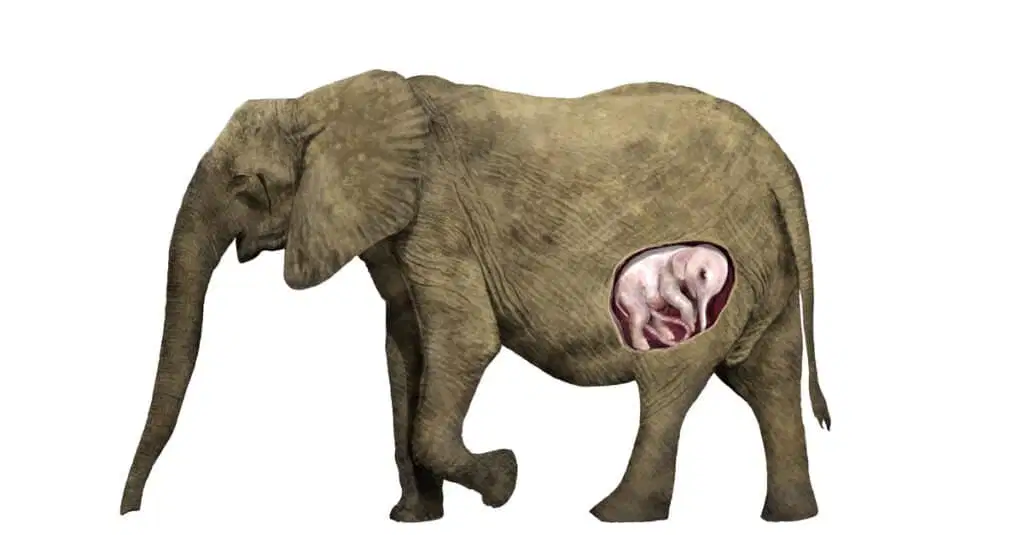
The amount of time a mammal spends developing inside its mother is known as (a)
Most mammals have jaws and teeth. Rodents and rabbits have front teeth that grow constantly. They must chew hard things like tree bark to keep their teeth from becoming too long.
Some rodents, such as chipmunks, eat only plants. They are herbivores. Others, such as rats, eat meat and plants. They are omnivores.
What is a characteristic of rodents and rabbits mentioned in the passage?
They have front teeth that grow constantly.
They have no teeth.
They have teeth that never grow.
They have sharp canine teeth.
Which of the following best describes the diet of chipmunks according to the passage?
Herbivores
Carnivores
Omnivores
Insectivores
How do rodents and rabbits prevent their teeth from becoming too long?
By chewing hard things like tree bark.
By eating only plants.
By eating meat and plants.
By not using their teeth.

Carnivores are (a) The hunt and catch (b)

Being warm-blooded means that a mammal's body stays the same temperature at all times. In order to do this, a mammal must eat lots of food. It also has hair, fur, or a layer of fat to keep it warm. Sometimes it has more than one of these. A polar bear has both thick fur and fat because it is always cold where it lives.
A polar bear has both thick fur and (a) because it is always cold where it lives.
What are two features that help a polar bear stay warm in its cold environment?
Thick fur and fat
Thin fur and no fat
Scales and feathers
Only fat
Having a backbone is known as ________.
vertebrate
insulate
invertebrate
rodents

Male and female mammals must mate in order to have offspring. Most mammal babies grow inside their mothers. The mothers give birth to live young. The young are born helpless, so they need a parent's care. They must drink their mothers' milk. It may take weeks or years before they can take care of themselves.
What do male and female mammals need to do in order to have offspring?
Mate
Live together
Build a nest
Hunt together
Where do most mammal babies grow before they are born?
Inside their mothers
In a nest
In the ground
In water
Mammal babies are born helpless and need to drink their mothers' (a) .
Why do mammal babies need a parent's care after birth?
They are born helpless
They need to learn to hunt
They need to build a nest
They need to migrate
Analyze the dependency of mammal babies on their mothers and explain why it might take weeks or years for them to be independent.
Mammal babies are born helpless and require time to develop skills and strength.
Mammal babies are born with all necessary skills but need to grow in size.
Mammal babies are independent from birth but stay for protection.
Mammal babies need to learn to fly before they can be independent.

Animals, like a kangaroo, give live birth to very underdeveloped babies. The babies then complete their development in the mothers pouch are called
marsupials
monotremes
placentals
reptiles
(a) is the species name for humans, apes, and monkeys.
Australia and a few nearby islands are home to the strangest mammals of all. They are called monotremes. What makes them so strange? They lay eggs! The platypus lays its eggs in a nest. After ten days the babies hatch. The mother lies on her back to feed the babies milk that oozes from a gland on the surface of her belly. Her milk flows for about two months.

What is unique about monotremes compared to other mammals?
They lay eggs
They have wings
They can fly
They live underwater
Where does the platypus lay its eggs?
In a nest
In water
On trees
In burrows
How long does it take for platypus eggs to hatch?
10 days
5 days
20 days
30 days
The platypus feeds its babies milk that oozes from a gland on the surface of its (a) .
For how many months does the platypus's milk flow to feed the babies?
About two months
About one month
About three months
About four months

Monkeys live in the rainforests, where it is always hot and humid. Chinchillas live in the mountains. Whales live in saltwater. Some sea cows live in freshwater. You can find mammals almost everywhere!
Some mammals live in areas where there are significant changes between seasons. These animals must endure the summer heat. They must also survive the bitter cold of winter. Many animals spend the winter hibernating.
Where do monkeys typically live according to the passage?
Rainforests
Mountains
Saltwater
Freshwater
What is a common characteristic of the habitats where chinchillas live?
Hot and humid
Mountainous
Saltwater
Freshwater
What do many mammals do during the winter according to the passage?
Hibernate
Migrate
Stay active
Change color
Which is the prey? Which is the predator?

