
 Worksheets
Insurance Coverage Quiz
Total questions: 10
Worksheet time: 5mins

A client states they have "Liability Only" coverage as required by Arizona. If they cause an accident, which of the following would their policy pay for?
A rental car for the other driver and repairs for the policyholder's vehicle.
Only the injuries sustained by the other party, up to $50,000 per person.
Repairs to their own vehicle and medical bills for their passengers.
Damage to the other driver's vehicle and injuries to the other driver.

What is the best way to respond when a customer asks for "Full Coverage"?
Explain that "Full Coverage" is not a real insurance term and ask them to specify each coverage they want.
Ask them what coverages and limits they had on their previous policy and quote them for the exact same thing.
Immediately quote them for Liability, Comprehensive, and Collision, as this is the most common meaning of the term.
Confirm you will include Liability and physical damage, and then advise them about all other available optional coverages.
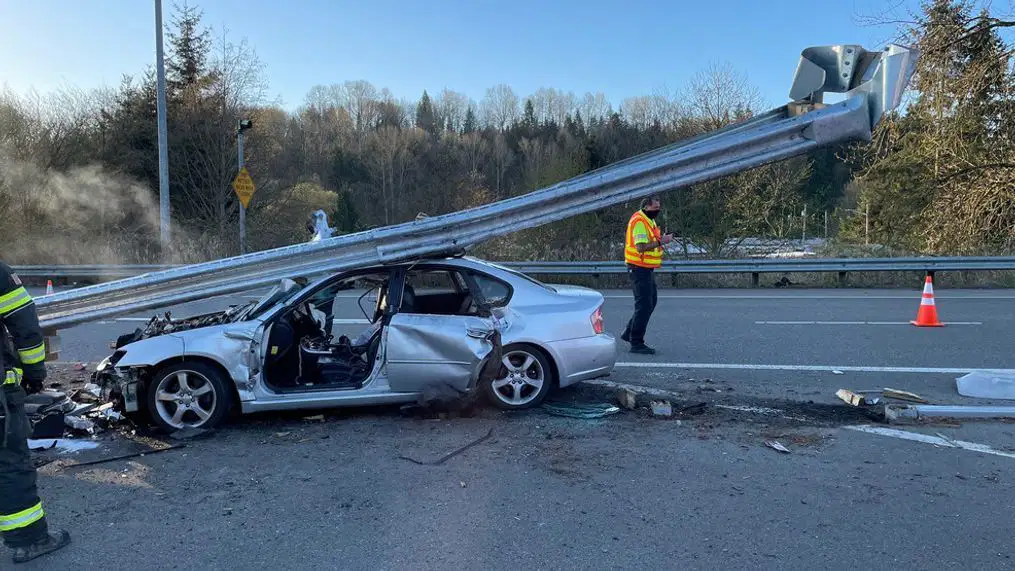
A driver swerves to avoid an animal and hits a guardrail. Which coverage on their auto policy would pay for the repairs to their own car?
Uninsured Motorist Property Damage
Collision
Comprehensive
Property Damage Liability

If a vehicle is stolen and never recovered, which coverage would reimburse the owner for the Actual Cash Value of the car, minus their deductible?
Property Damage Liability
Collision
Comprehensive
Custom Parts and Equipment

You are injured in an accident that was not your fault. The other driver has insurance, but their Bodily Injury limits are too low to cover all of your medical bills. What coverage on your own policy is designed to pay the remaining amount?
Bodily Injury Liability
Uninsured Motorist Bodily Injury
Underinsured Motorist Bodily Injury
Medical Payments
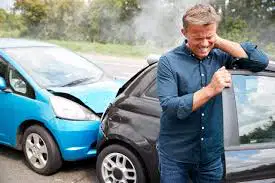
A policyholder and their passenger are both injured in an accident, regardless of who was at fault. Which coverage would help pay for their medical expenses up to the policy limit?
Collision
Bodily Injury Liability
Uninsured Motorist Bodily Injury
Medical Payments
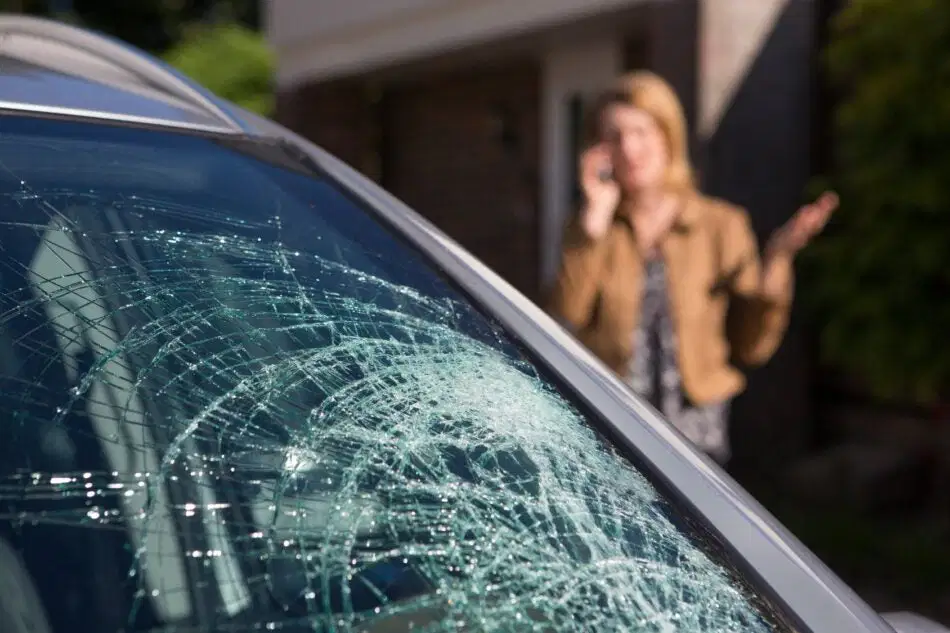
What is the primary purpose of adding specific Glass or Full Glass coverage to a policy that already has Comprehensive?
To increase the total cash value coverage for the vehicle's windows.
To cover the deductible, typically making the out-of-pocket cost for glass repair $0.
To allow glass claims to be paid under Collision coverage.
To provide coverage if glass is broken due to vandalism, which Comprehensive excludes.

A policyholder's car is in the shop for a week for repairs after a covered collision. Which coverage would help pay for a vehicle they use in the meantime?
Rental Car Reimbursement
Collision Coverage
Property Damage Liability
Emergency Roadside Assistance
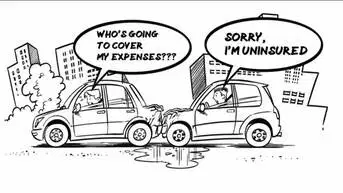
Uninsured Motorist Property Damage (UMPD) has a significant exclusion. This coverage would NOT apply if...
the at-fault driver is identified but does not have active insurance.
the damage to the vehicle is less than the policyholder's deductible.
the policyholder also carries Collision coverage on their vehicle.
the policyholder's car is damaged in a hit-and-run incident.

What is the key difference between Bodily Injury Liability and Medical Payments coverage?
Bodily Injury pays for your own injuries, while Medical Payments pays for others' injuries.
Bodily Injury has a per-person limit, whereas Medical Payments has a per-accident limit.
Bodily Injury is required by the state, while Medical Payments is illegal in Arizona.
Bodily Injury is fault-based and pays for others, while Medical Payments is no-fault and pays for you and your passengers.

