
 Worksheets
Robot Sensors Quiz
Total questions: 34
Worksheet time: 17mins
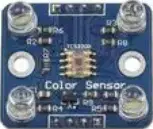
Which sensor is used to detect the presence of colors in its environment?
Color Sensor
Gas Sensor
Rain Sensor
Flow Sensor
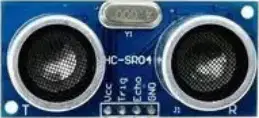
What is the main function of an Ultrasonic Sensor in robotics?
To measure distance using sound waves
To detect temperature
To sense humidity
To measure air pressure
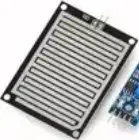
Which sensor would you use to detect the presence of rain?
Rain Sensor
Light Sensor
Proximity Sensor
Alcohol Sensor
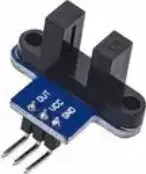
A robot needs to measure the speed of a rotating wheel. Which sensor is most suitable for this task?
Opto Speed Sensor
Humidity Sensor
Soil Sensor
IR Receiver
If a robot is designed to monitor a patient’s heartbeat, which sensor should it use?
Heartbeat Sensor
Gas Sensor
Flow Sensor
Hall Effect Sensor
Which sensor is best for detecting the presence of a magnetic field?
Hall Effect Sensor
PIR Motion Sensor
Pulse Oximeter
Sound Sensor
A robot is required to sense motion in a room. Which sensor should be used for this purpose?
PIR Motion Sensor
Alcohol Sensor
Load Sensor
Soil Sensor
Which sensor would be most appropriate for measuring the amount of oxygen in a person’s blood?
Pulse Oximeter
Proximity Sensor
IR Receiver
Tilt Sensor
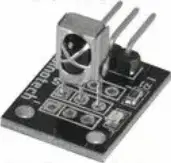
If a robot needs to detect sound levels in its environment, which sensor should it use?
Sound Sensor
Light Sensor
Gas Sensor
Flow Sensor
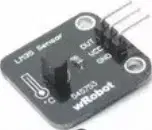
Which sensor is used to measure the temperature in a robot’s environment?
Temp. Sensor
Rain Sensor
Proximity Sensor
Alcohol Sensor
What is the main function of the sensing element in a sensor?
To store energy
To directly interact with the environment and detect changes
To transmit signals over long distances
To provide power to the sensor
Which of the following could be a material used as a sensing element in a sensor?
Physical, chemical, or biological material
Only metals
Only plastics
Only gases
Which of the following is NOT an example of a stimulus that a sensing element might respond to?
Temperature
Pressure
Light
Sound waves only
Explain why it is important for the sensing element to interact directly with the environment.
It allows the sensor to detect changes and respond to stimuli.
It helps the sensor to store data.
It increases the size of the sensor.
It reduces the cost of the sensor.
A scientist wants to design a sensor to detect changes in temperature in a laboratory. Which type of material should be used for the sensing element, and why?
A physical material, because it can respond to temperature changes.
A chemical material, because it is always cheaper.
A biological material, because it is always more accurate.
Any material, because all materials respond the same way.
Which part of the robot is responsible for detecting touch?
Tactile sensors
Cameras
Speakers
Bumpers
What is the function of the cameras on the robot?
To see and capture images
To detect sound
To move the arms
To provide power
Which joints allow the robot to move its legs?
Hip, knee, and ankle joints
Shoulder and elbow joints
Wrist and finger joints
Head and neck joints
If a robot needs to pick up an object, which part would it most likely use?
Prehensile hands
Bumpers
Sonars
Chest button
Explain how the combination of microphones and cameras can help the robot interact with its environment.
Microphones allow the robot to hear sounds and voices, while cameras let it see and recognize objects or people. Together, these sensors help the robot understand and respond to its surroundings.
Microphones and cameras are only used for decoration.
Microphones help the robot move, and cameras help it charge its battery.
Microphones and cameras are used only for internal diagnostics.
Which of the following sensors is located on the head of the robot?
F/T sensor
Cameras
Tactile system
Angular encoders
What is the function of the tactile system in the robot as shown in the diagram?
To detect sound
To sense touch at the fingertips and palm
To measure force and torque
To record images
Which joints of the robot are equipped with angular encoders according to the diagram?
Only the arms
Only the legs
All joints
Only the head
If a robot needs to balance itself while walking, which sensor from the diagram would be most important for this task?
Microphones
Inertial sensor
Tactile system
Cameras
How might the F/T sensors in the robot's arms and legs help it interact with its environment?
By allowing the robot to see objects
By enabling the robot to measure force and torque during movement
By helping the robot to hear sounds
By recording the temperature of objects
What is the hip width of the humanoid robot as shown in the diagram?
205 mm
351 mm
88 mm
150 mm
Which part of the humanoid robot has a length of 351 mm according to the diagram?
Hip Width
Upper Link
Foot
Head
How many joints are labeled in one leg of the humanoid robot in the diagram?
3
4
6
2
If you were to design a similar robot, why might it be important to know the exact measurements of the hip width, upper link, lower link, and foot?
To ensure the robot fits through doors
To maintain balance and proper movement
To make the robot look more human-like
To reduce the cost of materials
Which part of the robot is responsible for movement across the ground?
Claws
Wheels
Brain
Collar
What is the function of the "microphone" as labeled on the robot diagram?
To help the robot see
To help the robot hear sounds
To help the robot move
To help the robot lift objects
If a student wanted to program the robot, which labeled part would they most likely use?
Programming Unit
Claws
Treads
Collar
Which of the following is NOT a part of the robot's arm assembly according to the diagram?
Wrists
Claws
Chest Buttons
Arms
Based on the diagram, how would you describe the location of the "brain" in relation to the "legs"?
The brain is below the legs
The brain is above the legs
The brain is inside the legs
The brain is next to the legs

