

wayground logo

Free Printable Worksheets

Font size

S
M
L
XL
Worksheets

CIA 1 Academic Vocab Review

Total questions: 18

Worksheet time: 9mins

Name
Class
Date
1.

What is the main purpose of a narrative?

a)
To share an opinion about a topic
b)
To give directions to a reader
c)
To tell a story with characters and events
d)
To list facts about a topic
2.

Which element of plot comes immediately after the exposition?
a)
Falling action
b)
Climax
c)
Resolution
d)
Rising action
3.
How might a character show growth throughout a story? A character might show growth by...
a)
by changing their actions and thoughts based on story events.
b)
by staying exactly the same from beginning to end.
c)
by defeating the villain in a story.
4.

How is theme often revealed in a story?

a)
Through the author's name on the cover
b)
Through the number of pages in the book
c)
Through a character's journey and what they learn
d)
Through the point of view of the story
5.

What occurs during a story's exposition?

a)
Introduce characters, setting, and background information
b)
A character must make an important decision.
c)
The main character resolves the story's main conflict.
d)
The story is resolved through the character's actions.
6.
During rising action, what should be happening to engage readers?
a)
The story ends suddenly.
b)
Nothing important occurs.
c)
Tension and conflict build toward the climax.
d)
All problems are solved immediately.
7.

What makes the climax the most important part of the plot?

a)
It's where the main conflict reaches its peak.
b)
It's always the longest section of a narrative.
c)
It introduces new characters.
d)
It happens at the very beginning.
8.

How does falling action contribute to a story's plot?

a)
It helps wrap up loose ends after the climax.
b)
It introduces the main problem.
c)
It creates new conflicts for characters.
d)
It has no purpose in the story.
9.

What is the main purpose of a narrative's resolution?

a)
It provides closure and show how conflicts are settled.
b)
It creates more problems.
c)
It causes the character to start a new adventure.
d)
It introduces the setting.
10.

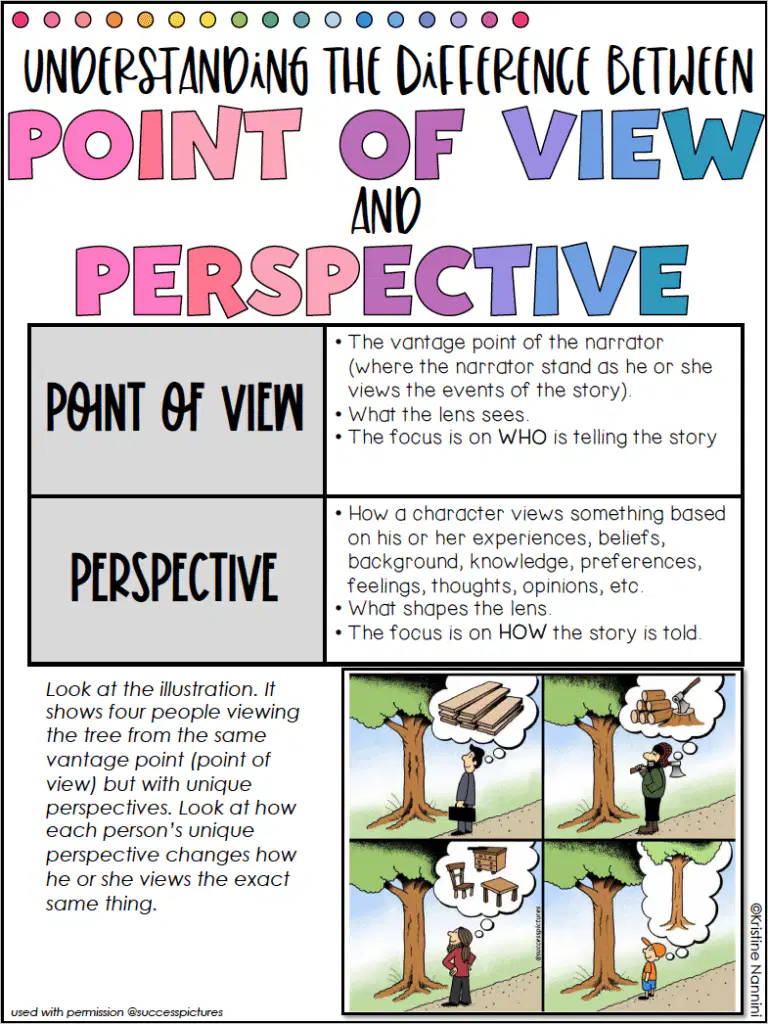
How does a narrator's perspective influence a story?

a)

It shapes what information readers receive and how the reader understands events.
b)
It has no impact on the reader's experience.
c)
It only affects the story's length.
d)
It helps solve the story's conflict.
11.

What is the key difference between perspective and point of view?

a)
Perspective is who is telling a story; point of view is how someone sees things.
b)
They mean exactly the same thing.
c)
Point of view only matters in poetry.
d)
Perspective is how someone sees things; point of view is who is telling the story.
12.

What advantage does first person point of view give readers?

a)
The reader doesn't need to pay attention to details.
b)
The reader gets direct access to one character's thoughts and feelings.
c)
The reader knows everything about all characters.
d)
The reader can predict the ending easily.
13.

How does third person point of view affect a reader's understanding of the story?

a)
It makes the story confusing.
b)
It allows readers to see multiple characters' actions and sometimes thoughts.
c)
It limits readers to one character's thoughts only.
d)
It only focuses on the setting.
14.

When analyzing cause and effect in a story, what should readers focus on?

a)
What point of view the story is told in
b)
What the main character's traits are
c)
How one event leads to another and shapes the plot
d)
How the problem is eventually solved
15.

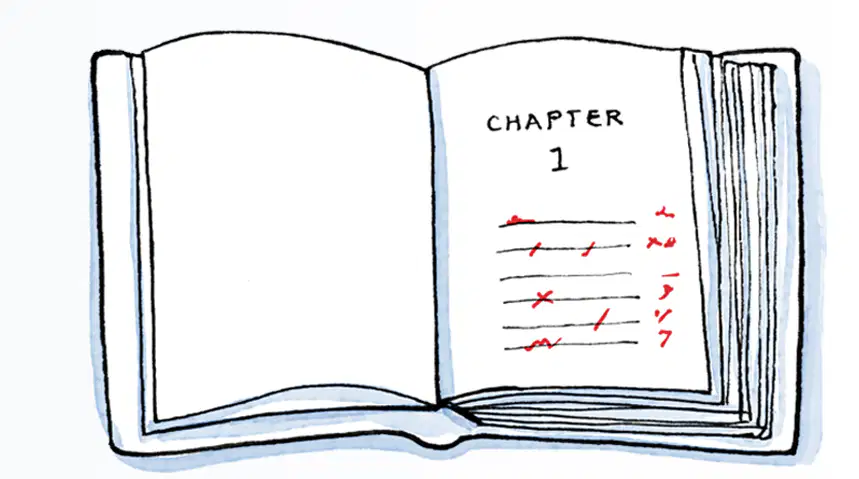
How do images in a text enhance the reader's understanding?
a)
They only show what characters look like.
b)
They are just decorations with no meaning.
c)
They replace the need to read.
d)
They support and enhance the written words.
16.

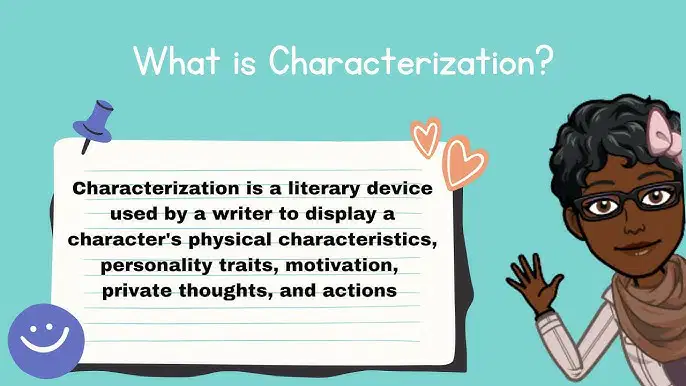
What is the function of a chapter title?
a)
To confuse the reader
b)
To give readers a hint about what will happen in that section
c)
To make the narrative longer
d)
To show off the author's creativity
17.

How does characterization help readers connect with a story?
a)
It focuses only on physical appearance.
b)
It only describes what characters wear.
c)
It tells readers the character's age.
d)
It makes characters seem real and relatable through their actions and words.
18.

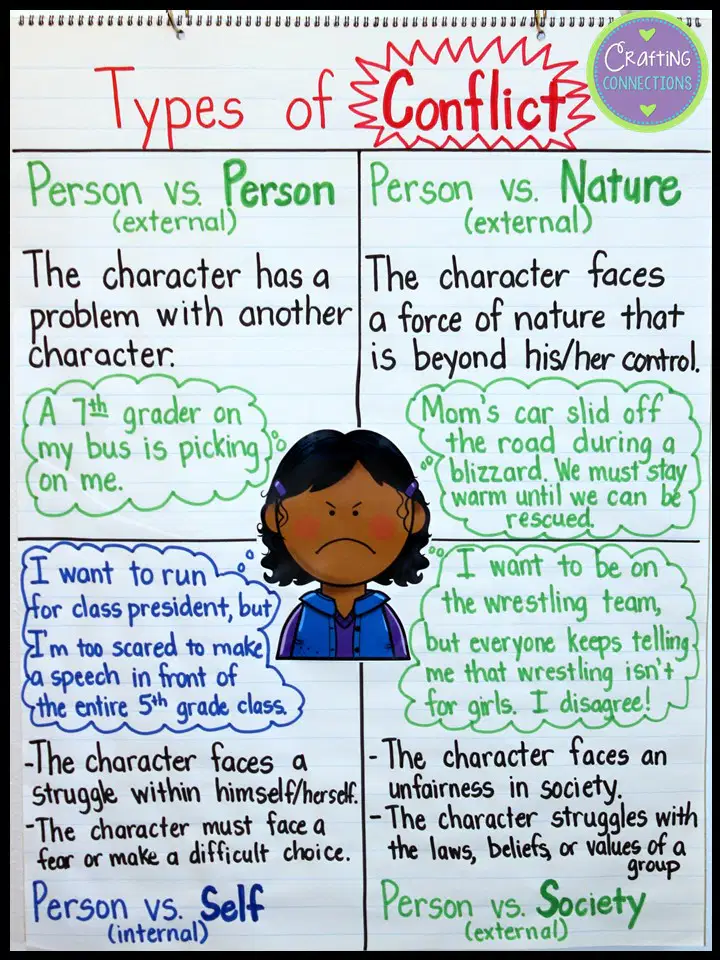
What role does conflict play in developing a story's theme?

a)
Conflict prevents theme from developing.
b)
Through facing conflict, characters learn lessons that reveal the theme.
c)
Conflict has nothing to do with theme.
d)
Conflict only makes stories longer.