
NEW
Font size
 Worksheets
Music and Arts 8 Reviewer
Total questions: 30
Worksheet time: 15mins
This refers to “ordinary people of a community or culture.”
FOLK
MUSIC
ARTS
CULTURE
A Chinese folk song that celebrates the Jasmine flower.
Mo Li Hua
Paadharo Mhare Dhes
Sakura
Arirang
This refers to Japanese folk songs.
SHAMISEN
HANAMI
MIN'YO
SHAKUHACHI
A Japanese folk song that celebrates the beauty of spring.
Mo Li Hua
Paadharo Mhare Dhes
Sakura
Arirang
What scale inspired the traditional folk music of East Asia?
DIATONIC SCALE
C MAJOR SCALE
PENTATONIC SCALE
MINOR SCALE
A Korean folk song that translates to "rolling hills."
Mo Li Hua
Paadharo Mhare Dhes
Sakura
Arirang
This is a traditional Japanese picnic held under blooming trees.
SAKURA
KOTO
SHAKUHACHI
HANAMI
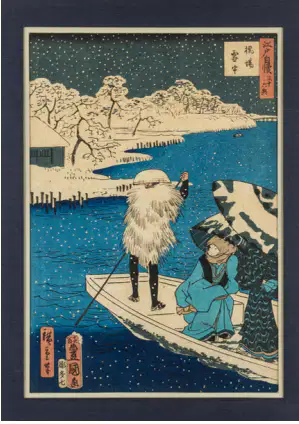
This compiles small Japanese paintings in a book like format.
FAN
SCREEN
SCROLL
ALBUM
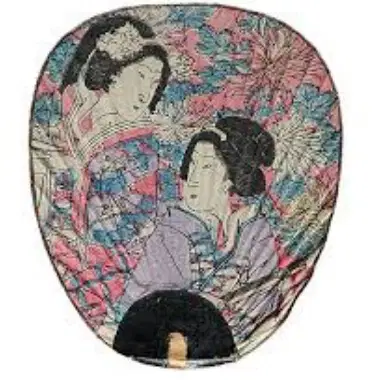
This is a small Japanese oval painting that is supported by strips of bamboo as its backing.
FAN
ALBUM
SCREEN
SCROLL
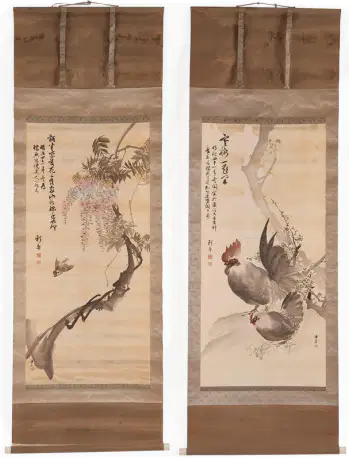
This type of Japanese painting is often the preferred format for landscape artists.
FAN
ALBUM
SCREEN
SCROLL

This is a type where the art works are painted on the sliding walls or partitions of houses.
FAN
ALBUM
SCREEN
SCROLL
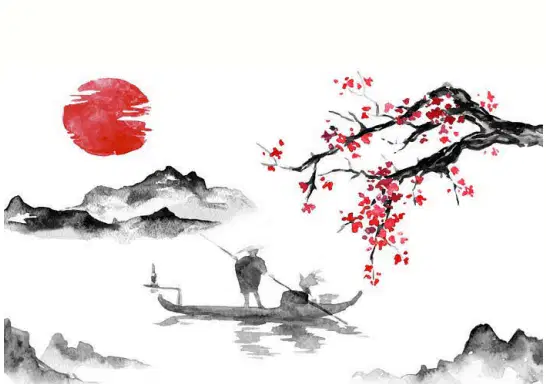
This is known as Japanese ink wash painting.
SUMI-E
YAMATO-E
NISE-E
EMAKIMONO
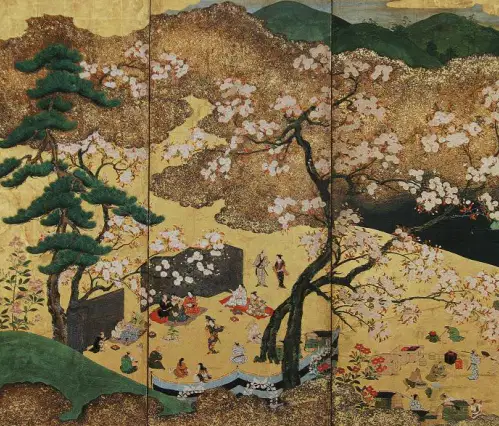
This Japanese painting is characterized by vibrant colors, intricate details, and a bird’s eye perspective.
SUMI-E
YAMATO-E
NISE-E
EMAKIMONO
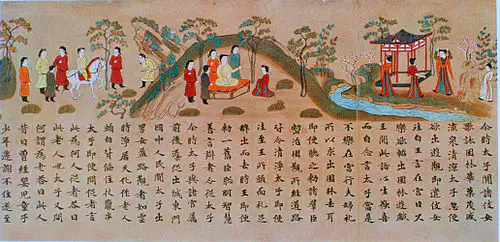
This Japanese illustrated handscroll combines text and pictures to tell a narrative.
SUMI-E
YAMATO-E
NISE-E
EMAKIMONO
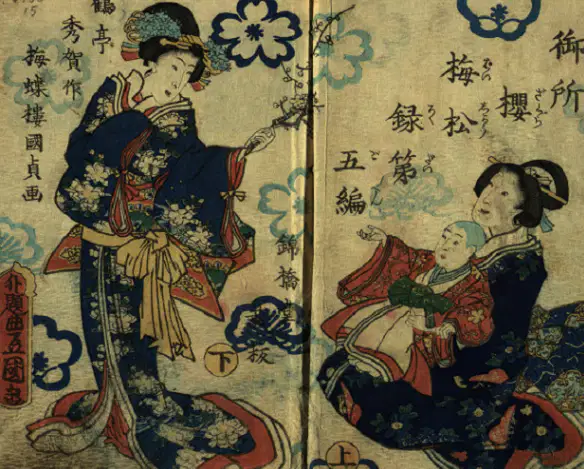
This is a style of Japanese portrait painting that focuses on capturing the likeness and personality of the subject.
SUMI-E
YAMATO-E
NISE-E
EMAKIMONO
This woodblock print is a global icon that combines traditional Japanese art with European perspective and symbolizes both the immense power of nature and human vulnerability.
THE KOI FISH
THE LOTUS FLOWER
THE GREAT WAVE
THE DRAGON
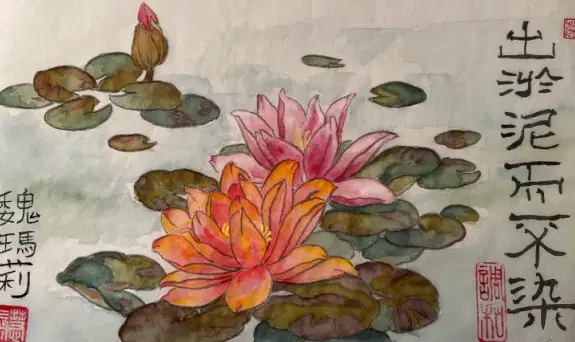
This Chinese painting means “meticulous“ and shows human figures or animals rendered in details.
GONG-BI
SHUI-MO
MINHWA
CONFUCIANISM
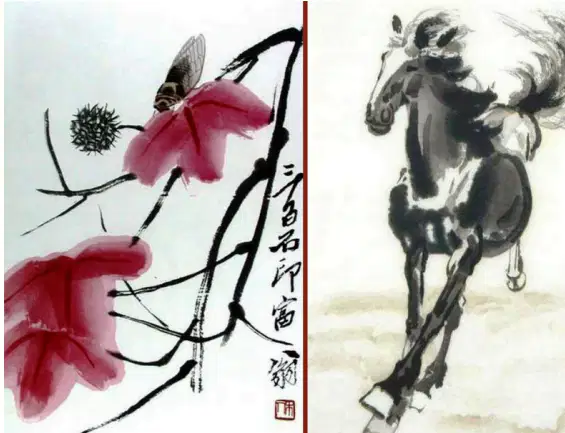
The traditional subjects of these Chinese ink and wash paintings were the bamboo, orchid, plum blossom, and the Chrysanthemum, or the Four Noble Ones which represents the four seasons.
GONG-BI
SHUI-MO
MINHWA
CONFUCIANISM
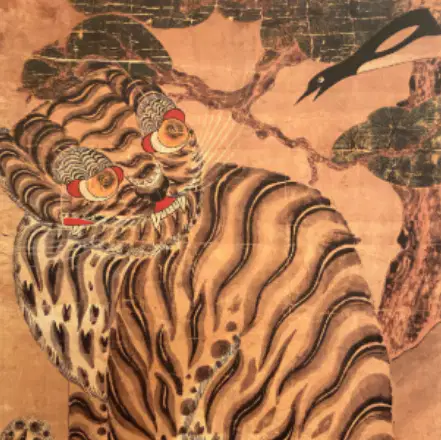
These are vibrant and decorative Korean paintings that were created by anonymous artisans who sold them to common people as good luck charms to protect the owner and their household.
GONG-BI
SHUI-MO
MINHWA
CONFUCIANISM
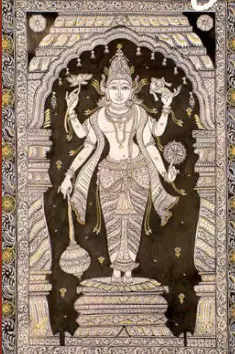
This indian term means “ a semblance of sculpture .”
CITRABHASA
TANJORE
MYSORE
MUGHAL
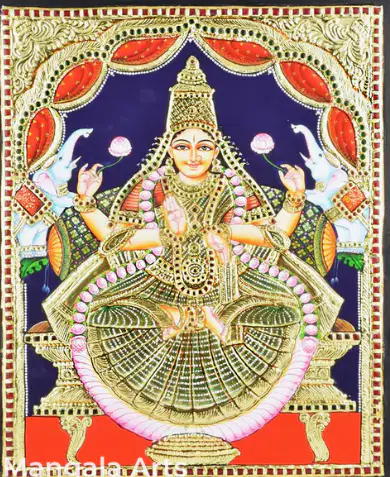
This Indian painting is done on paper pasted on wooden planks and show bright and vibrantly painted Hindu gods and goddesses.
CITRABHASA
TANJORE
MYSORE
MUGHAL
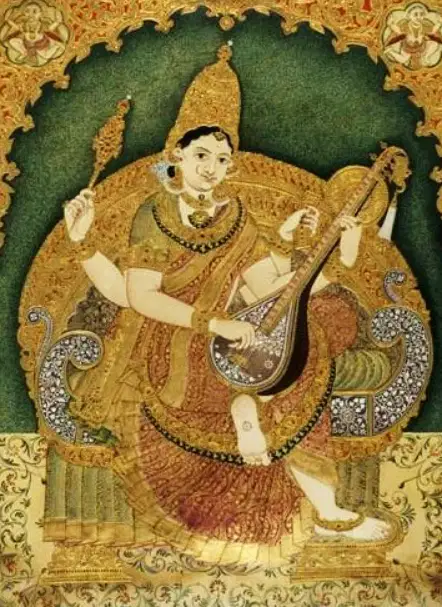
These Indian paintings are known for their intricate details, vibrant colors, and use of gold leaf and precious stones.
CITRABHASA
TANJORE
MYSORE
MUGHAL
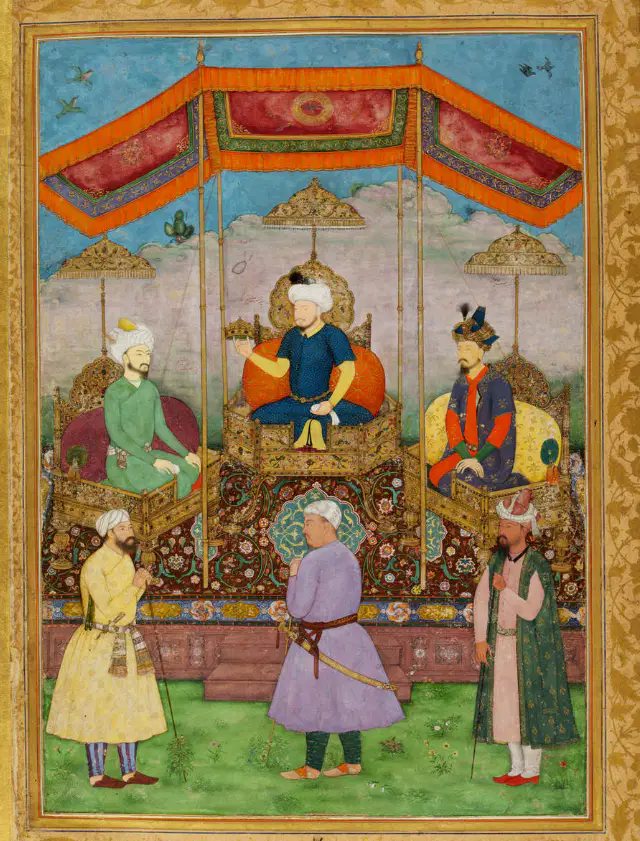
Despite the Islamic prohibition on depicting living beings, many rulers patronized these art forms such as illuminated manuscripts and miniatures.
CITRABHASA
TANJORE
MYSORE
MUGHAL
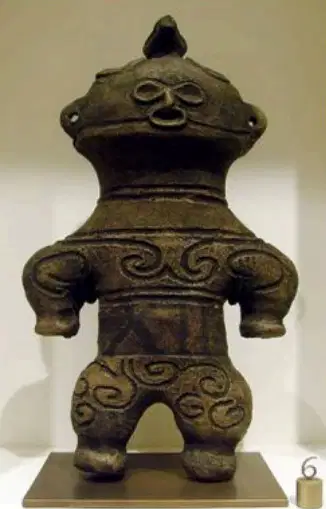
These Japanese sculptures are small humanoid or animal figurines that were made during the Jomon period.
DOGU
JIZO
KWANNON
NIO
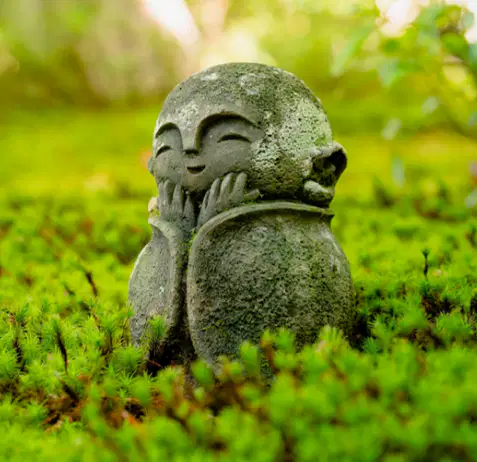
These small Japanese sculptures have gentle, adorable features that look like monks. This refers to a Buddhist deity, serving as a protector of children, especially the unborn child.
DOGU
JIZO
KWANNON
NIO
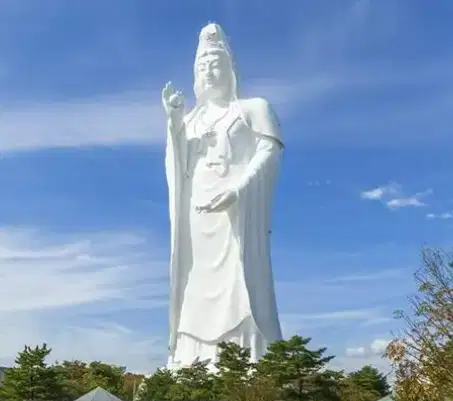
This is the Buddhist goddess of Mercy and is said to help those who pray to her and assist those in trouble.
DOGU
JIZO
KWANNON
NIO
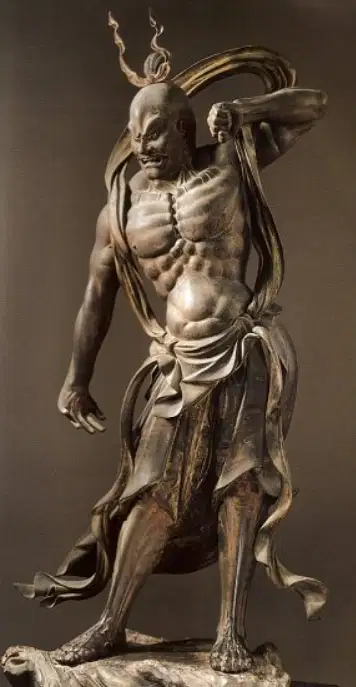
They are a pair of statues that guard the entrance of Buddhist temples. They represent the deity Shukongoshin, and have intimidating and muscular figures.
DOGU
JIZO
KWANNON
NIO
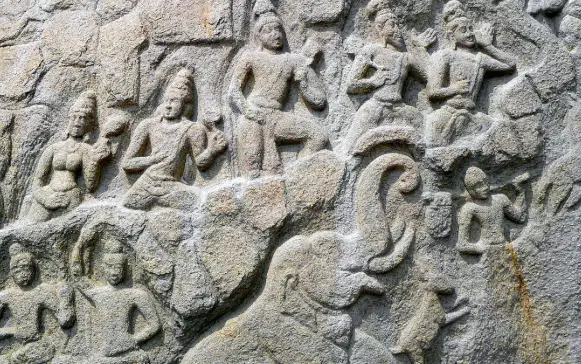
This is a common type of sculptural form, which are shallow carvings on the rocks of the caves and temple walls.
BAS RELIEF
RAMAYANA
IDEALIZED FORMS
STATUES
This is commonly used as subject for Indian sculptures. Many wall carvings showcased events from their literary epics and other folk tales.
BAS RELIEF
RAMAYANA
IDEALIZED FORMS
STATUES
This is used to symbolize purity, spiritual enlightenment, and rebirth in traditional Asian textile art.
DRAGONS
LOTUS
CRANES
CHERRY BLOSSOMS

