
Font size
 Worksheets
frank science
Total questions: 210
Worksheet time: 3hrs 40mins
What is the process where food goes through your body?
Circulatory System
Digestive System
Brain System
the cardiovascular system
What are the parts of the Digestive System
Lungs, Heart, Ribs, and Mouth
Mouth, Esophagus, Stomach, Small Intestine, Large Intestine, and the Rectum
The Brain, Heart, Lungs, Liver, Small Intestine
Blood, White Blood Cell, Red Blood Cells, Heart, Blood Vessels, and the Lungs
True or False: The Small Intestine is smaller than the Large Intestine
Tue
False
What is the propose of the mouth?
Begins to break down food into smaller pieces and the saliva in the mouth starts the process of chemical digestion
Transport tube that carries chewed food to the stomach.
Continues the process of mechanical digestion and secrets gastric juices that continue the process of chemical digestion started in the mouth
The organ where water from the food is absorbed into the bloodstream
What is the propose of the Esophagus
Begins to break down food into smaller pieces and the saliva in the mouth starts the process of chemical digestion
Transport tube that carries chewed food to the stomach.
Continues the process of mechanical digestion and secrets gastric juices that continue the process of chemical digestion started in the mouth
The organ where water from the food is absorbed into the bloodstream
What is the propose of the stomach
Begins to break down food into smaller pieces and the saliva in the mouth starts the process of chemical digestion
Transport tube that carries chewed food to the stomach.
Continues the process of mechanical digestion and secrets gastric juices that continue the process of chemical digestion started in the mouth
The organ where water from the food is absorbed into the bloodstream
What is propose of the Small Intestine
Begins to break down food into smaller pieces and the saliva in the mouth starts the process of chemical digestion
Transport tube that carries chewed food to the stomach.
Continues the process of mechanical digestion and secrets gastric juices that continue the process of chemical digestion started in the mouth
The organ where water from the food is absorbed into the bloodstream
What is the propose of the Large Intestine
Begins to break down food into smaller pieces and the saliva in the mouth starts the process of chemical digestion
The organ where water from the food is absorbed into the bloodstream; prepares the remaining undigested food for the elimination from the body
The organ where water from the food is absorbed into the bloodstream
Continues the process of mechanical digestion and secrets gastric juices that continue the process of chemical digestion started in the mouth
How long is the Mouth
11cm
11in
11mm
11m
How long is the Esophagus
25cm
25in
25mm
25m
How long is the Stomach
22cm
22in
22mm
22m
How long is the Small Intestine
690in
690cm
690mm
690m
How long is the Large Intestine
152cm
152in
152mm
152m
How long is the Rectum
14cm
14in
14mm
14m
True or False: Secondary Organs touch the food
True
False
What is the main function of the digestive system?
Produce hormones
Pump blood
Break down food
Deliver oxygen
Where does digestion begin?
Stomach
Mouth
Small intestine
Large intestine
What is the function of the small intestine?
Absorb water
Store waste
Absorb nutrients
Break down food mechanically
Which organ produces bile?
Stomach
Pancreas
Liver
Gallbladder
What does bile do?
Emulsifies fats
Breaks down proteins
Absorbs glucose
Lubricates food
Which enzyme breaks down carbohydrates in the mouth?
Pepsin
Lipase
Amylase
Bile
What structure connects the mouth to the stomach?
Trachea
Intestine
Esophagus
Larynx
What is chyme?
A digestive enzyme
A type of bacteria
A mass of food mixed with saliva
A semi-liquid food mixture in the stomach
Which structure increases surface area for absorption in the small intestine?
Villi
Rectum
Bolus
Bile
What is the process of muscular contraction that moves food called?
Respiration
Secretion
Peristalsis
Circulation
Which organ stores bile?
Liver
Pancreas
Gallbladder
Kidney
Which system works with the digestive system to transport nutrients?
Nervous system
Circulatory system
Respiratory system
Skeletal system
What part of the digestive tract removes water from undigested food?
Small intestine
Large intestine
Rectum
Pancreas
What is the function of the pancreas in digestion?
Produce bile
Store glucose
Produce digestive enzymes
Absorb nutrients
What is mechanical digestion?
Chemical breakdown by enzymes
Movement of food by muscle
Physical breakdown of food
Absorption of nutrients
What organ temporarily stores food and begins protein digestion?
Small intestine
Esophagus
Liver
Stomach
What is the term for food mixed with saliva and ready to be swallowed?
Chyme
Bolus
Enzyme
Villi
How does the digestive system support the muscular system?
Transports oxygen
Provides energy from nutrients
Sends nerve signals
Stores waste
Which of the following helps maintain digestive system health?
Skipping meals
High-fat diet
Eating balanced meals
Eating fast food regularly
What happens if the digestive system fails to absorb nutrients?
Stronger immune system
Weight gain
Nutrient deficiency
Faster metabolism
How does the nervous system help digestion?
By filtering toxins
By releasing bile
By controlling muscle movements
By absorbing nutrients
Which body system eliminates solid waste from the digestive process?
Urinary
Digestive
Endocrine
Circulatory
What system works with digestion to regulate water balance?
Skeletal
Respiratory
Excretory/Urinary
Endocrine
What is the importance of understanding the digestive system?
To memorize organ names
To eat more
To promote good health and nutrition
To learn about animals
Why is it important to understand how the digestive system works?
To identify what causes heart disease
To explain how the body absorbs and uses nutrients
To improve muscular strength
To measure blood pressure


An isotope is the same element with a different number of...?
Protons
Neutrons
Electrons


Enzymes are an example of
Lipids
Carbohydrate
Protein
Nucleic Acid
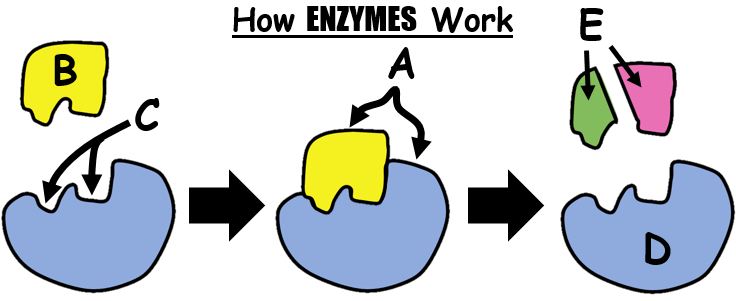

In the diagram, what is letter D...
active site
enzyme
substrate
products
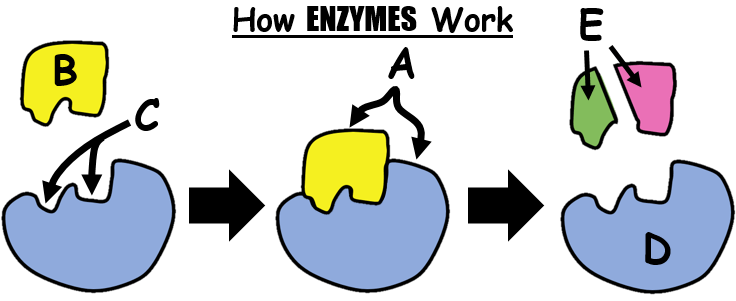
In the diagram, what is letter B...
active site
enzyme
substrate
products
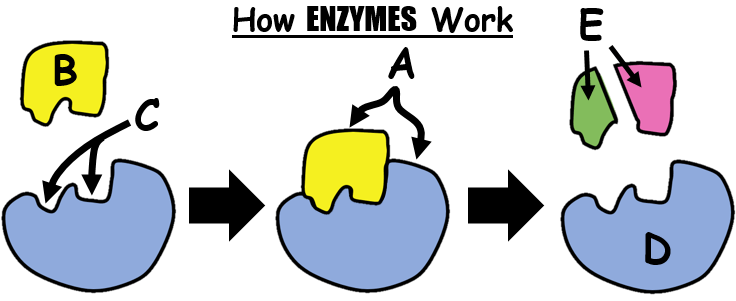
In the diagram, what is letter C...
active site
enzymes
substrate
products
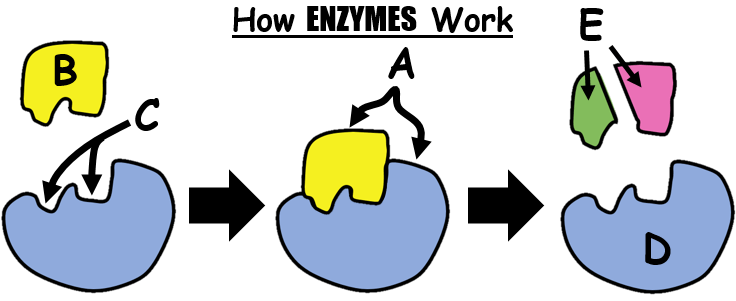
In the diagram, what is letter E...
active site
enzyme
substrate
products
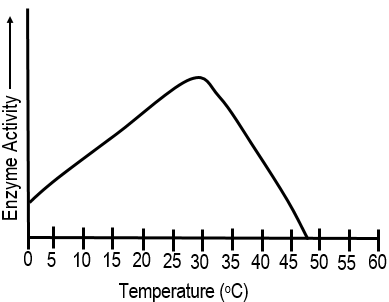
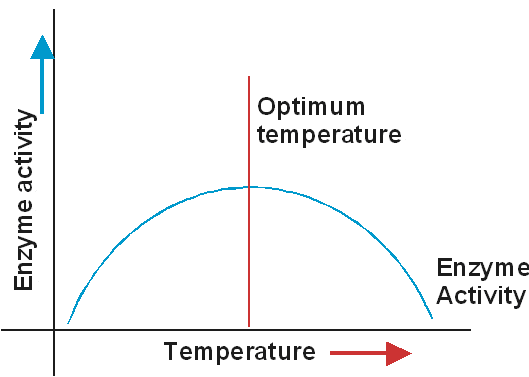
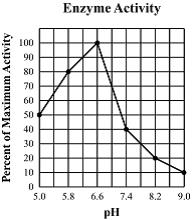
Th pH scale ranges from . . .
1 - 7
7- 14
1 -14
1 - 15
1 - 7 on the pH scale is called . . .
Basic
Acid
Neutral
Enzyme
7 on the pH scale is called . . .
Enzyme
Basic
Acid
Neutral
7 - 14 on the pH scale is called . . .
Basic
Neutral
Enzyme
Acid
What is a biological catalyst?
Substrate
Enzyme
Enzyme-Substrate Complex
Active Site
Why is shape important?
Shape determines temperature
Function determines speed
Shape determines function
Function determines pH level
What is the process by which the body takes in and utilize food?
Protein
Vitamins
Nutrition
Water
The energy needed by athletes is derived from two major classes of food
Fat and oil, protein
Vitamin and carbohydrates
Carbohydrates and fat and oil
Protein and vitamin
Pathogens are microorganism that can cause
Infection
Diseases
Sickness
All of the above
The class of food that provides resistance to disease is
Water
Protein
Carbohydrates
Vitamins
Fruits are source of
Fat and oil
Vitamins
Carbohydrates
Proteins
Pathogens are also known as
Fungi
Diseases
Infection
Microbes
The organism responsible for malaria is
Plasmodium
Protozoa
Bacterium
Fungus
There are (a) major classes of food nutrients
The two major groups of diseases are
(a)
Which of the following is not an example of family trait
Shape of nose
Intelligence
Albinism
Colour of tongue
Which of these nutrients cannot be digested?
Fat
Carbohydrates
Protein
Fibre
Which of the following is a fruit?
Beets
Carrot
Potato
Apple
Which food group provides the body with energy?
Vitamins
Carbohydrates
Fats
Proteins
Which nutrient is important for building and repairing body tissues?
Vitamins
Carbohydrates
Fiber
Protein
Which vitamin is important for healthy vision?
Vitamin C
Vitamin B
Vitamin A
Vitamin D
Which mineral is important for strong bones and teeth?
Vitamin C
Iron
Calcium
Magnesium
Which eating habit is considered healthy?
Eating excessive amounts of sugar
Skipping meals
Eating only junk food
Consuming a balanced diet
Which food group should be consumed in the smallest amount?
Dairy products
Carbohydrates
Proteins
Fats and oils
Which nutrient is important for carrying oxygen in the blood?
calcium
fiber
iron
vitamin C
Which vitamin is important for a healthy immune system?
Vitamin D
Vitamin B12
Vitamin A
Vitamin C
Which eating habit is considered unhealthy?
Eating fruits and vegetables daily
Eating a balanced diet
Eating home-cooked meals
Eating fast food regularly
Which food label information should be checked for the amount of salt in a product?
Protein
Sodium
Calories
Fat
Which food group should be consumed in the largest amount?
meat and poultry
fruits and vegetables
grains
dairy products
Which of the following is a vegetable?
Apple
Broccoli
Banana
Orange
Which nutrient is important for digestion?
Protein
Fiber
Carbohydrates
Vitamins
Which food group is important for muscle growth?
Fruits and vegetables
Grains
Proteins
Dairy products
Which nutrient is most effective at keeping the body hydrated?
Fats
Proteins
Water
Minerals
Which food group is a good source of dietary fiber?
Meat and poultry
Fruits and vegetables
Dairy products
Fats and oils
Which of the following is not a healthy eating habit?
Eating a variety of foods
Drinking plenty of water
Limiting intake of fats and sugar
Eating large meals late at night
The science or study of food and the ways in which the body uses food
Nutrition
Food
Water
Healthy Eating
Which type of food is your favorite?
Berries
Cheesy Food
Spicy Food
Breakfast foods
Which of the following is not a source of protein?
Beans
Eggs
Chicken
Apple

What is a calorie?
How we measure the energy in a food
Unhealthy Food
How much water we drink
A sport
calorie
the rate at which the body uses energy
a unit of measurement for energy provided by food
a relatively low-calorie food that provides vitamins, minerals, and other healthful substances
a condition in which the body takes in too much of some nutrient or too many calories
a condition in which the body takes in too few nutrients for health and growth
metabolism
the rate at which the body uses energy
a unit of measurement for energy provided by food
a relatively low-calorie food that provides vitamins, minerals, and other healthful substances
a condition in which the body takes in too much of some nutrient or too many calories
a condition in which the body takes in too few nutrients for health and growth

A calorie is the _____ needed to raise the temperature of a kilogram of water one degree _______
fire, fairenheit
vitamin,higher
heat, Celsius
food, lower

A kilocalorie (kcal) is the same as:
a gram of fat
kilojoule
a food calorie
the calories found in a head of lettuce

Calorie is a measure of
Energy
Weight
Distance
Volume
Conversion Factor 1 cal = ____J
10
1000
1
4.186
4186
Nutritionists know that a gram of protein contains ____ Calories, a gram of fat has _____ Calories, and a gram of
carbohydrate has _____ Calories.
4 / 9 / 4
9 / 4 / 9
5 / 8 / 6
5 / 8 / 6
Which of the following is only found in a plant cell?
cell membrane
vacuole
nucleus
chloroplast
Which of the following is not a function of the cell membrane?
keep cytoplasm and organelles inside of the cell
keep viruses and bacteria out of cell
regulate transport of material across the membrane
manufacture ATP
Which of the following organelles produces protein?
smooth ER
rough ER
mitochondria
nucleolus
What is mitochondria's nickname?
"package & transport"
"garbage truck"
"brain of cell"
"powerhouse of cell"
What does the nucleus contain?
cytoplasm
ATP
RNA
DNA
Which organelle is known as the "garbage truck" of the cell?
lysosome
chloroplast
vacuole
Golgi apparatus
What is cytoplasm?
"jelly-like goo" organelles float in
cell membrane
"brain of cell"
Golgi apparatus
Which of the following does the nucleus do?
produce ATP
keep good things in and bead things out of the cell
mitosis & meiosis
produce proteins
What is the energy source made by mitochondria?
RNA
DNA
ABC
ATP
What is the vacuole mostly composed of in plants?
protein
lipids
cytoplasm
water
Where in the cell would you find the nucleolus?
attached to the rough ER
in the nucleus
floating in the cytoplasm
attached to the smooth ER
What do the rough ER and ribosomes produce?
protein
lipids
ATP
water
Which of the following contains RNA?
nucleus
nucleolus
smooth ER
rough ER
Which of the following surrounds all cells?
DNA
endoplasmic reticulum
cell wall
cell membrane
After being made, where would you find ribosomes?
attached to the rough ER
attached to the smooth ER
in the lysososme
in the chloroplast
What does smooth ER produce?
protein
minerals
water
lipids
Where are ribosomes made?
nucleolus
nucleus
Golgi apparatus
chloroplast
What is the basic unit of life?
atom
DNA
RNA
cell
Which organelle combines lipids & proteins and transports them out of the cell?
Golgi apparatus
vacuole
lysosome
mitochondria
6.- What are the three main parts of a seed?
A) food store, seed coat, roots
B) embryo, food store, roots
C) embryo, food store, seed coat
9.- What is germination?
A) the growth of roots of a young plant.
B) the growth of new leaves of a young plant
C) the overall growth of a seed into a young plant.
D) growth of seeds into leaf and roots
A mature seed consists of :
embryo
endosperm
testa
ovule
pollen grain
Embryo of a seed consists of :
cotyledon
hilum
radicle
plumule
testa
What is the function of micropyle?
Protects the seed
Stores the food for germination
Grows and develops into roots
Allows air and water to enter the seed

Which of the following describes process no.2?
First leaves grow and carry out photosynthesis
Plumule becomes stem and leaves
Radicle becomes root
Seed coat is broken
Which of the following describes process no.3?
First leaves grow and carry out photosynthesis
Plumule becomes stem and leaves
Radicle becomes root
Seed coat is broken
Which of the following describes process no.1?
First leaves grow and carry out photosynthesis
Plumule becomes stem and leaves
Radicle becomes root
Seed coat is broken

Which part is labelled A?
Seed coat
Embryo
Cotyledon
Seedbryo

What is the part labelled C called?
Seed coat
Seed garment
Plant coat
Embryo coat
The breaking up of white light into its component .
Based on the statement given, name the process that takes place in the white light.
Dispersion
Reflection
Refraction
Scattering
How many components of white light?
5
6
7
8

Why is red light is at the top whileviolet at the bottom of the spectrum?
Violet light has the medium speed so it is refracted the least.
Violet light has the highest speed so it is refracted the least
Red light has the slowest speed so it is refracted the least
Red light has the highest speed so it is refracted the least.
A transparent object that bends light into rainbow colors.
prism
mirror
convex lens
concave lens
Violet light is refracted the most by a glass prism as the light travels the ................ through the glass prism.
slowest
fastest
The substance in the sky which is involved in the formation of rainbow
Air particle
Dust
Raindrop
soot
Light is able to pass through __________________ materials
transparent
shiny
dull
opaque

1) Refraction happens when light______
bends as it enters a new medium
bounces back when it hits a surface
by a substance
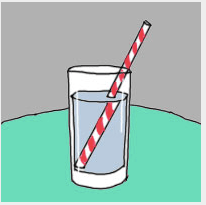
Why does the straw appear to be bent?
light is reflected
light is absorbed
light is turned
light is refracted
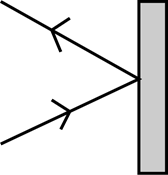
In the illustration, the light ray striking the object is-
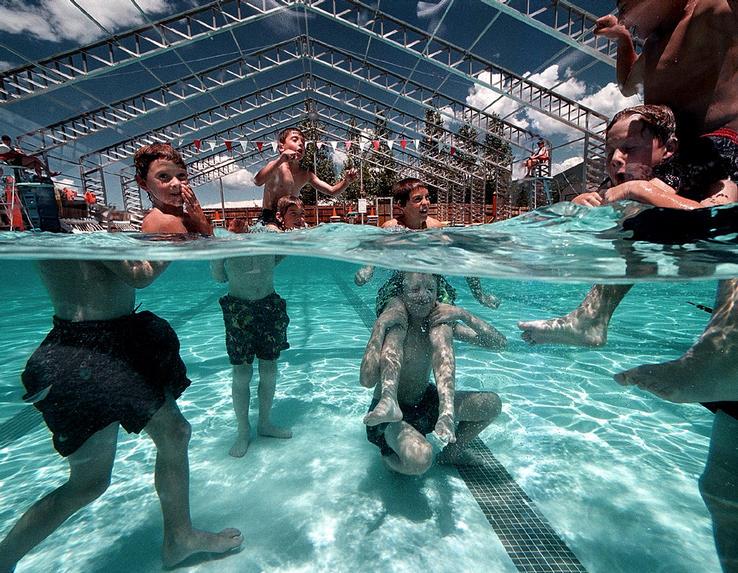

What is happening in this picture?
Reflection
Refraction

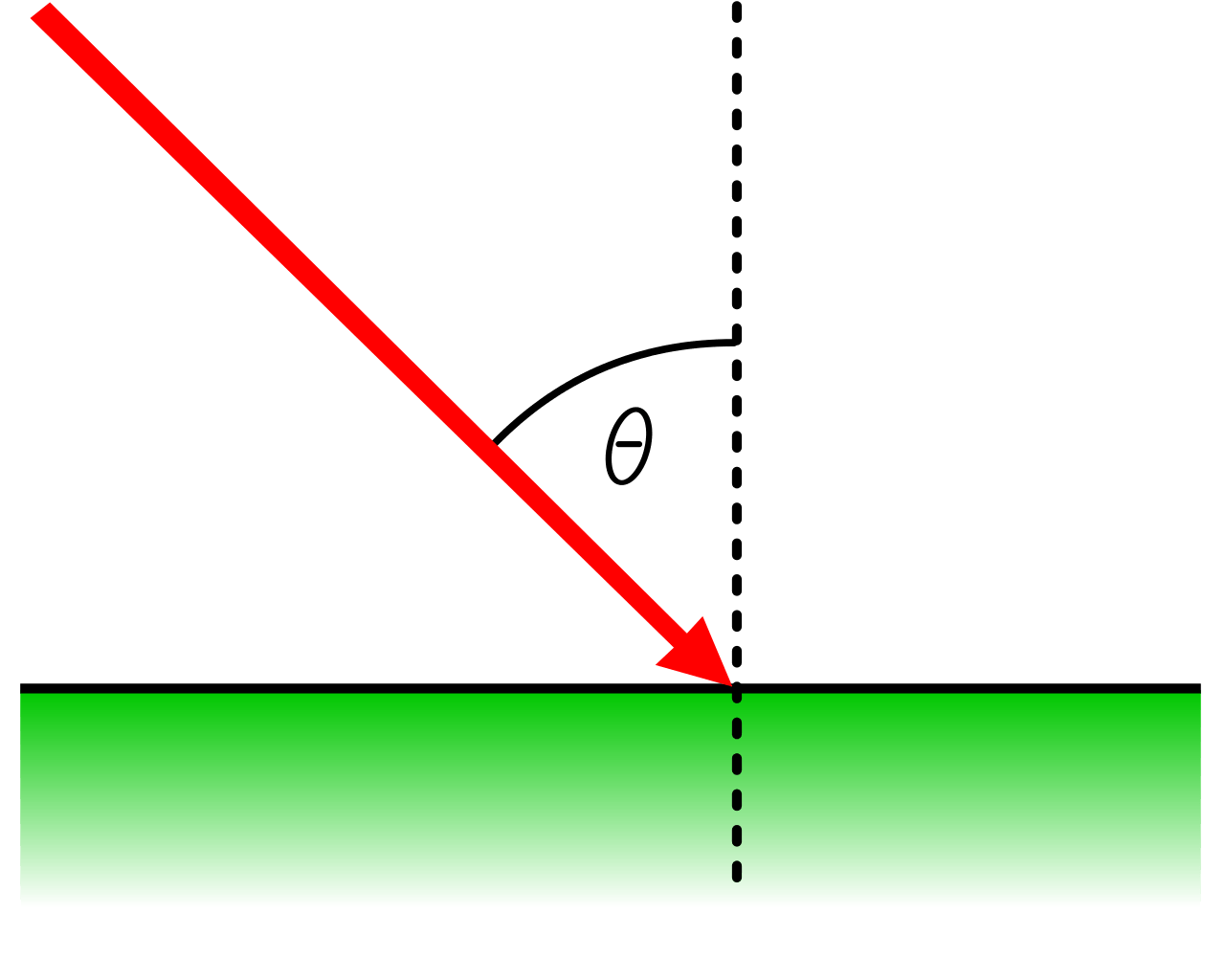
Which of the following object applied the concept of reflection?
Periscope
Telescope
Magnifying glass
Microscope


This is an example of a __________ color scheme painting.
Warm
Cool
Analogous
Neutral

This is an example of ______________________.
Color Triad
Analogous Colors
Complementary Colors
Secondary Colors

This is an example of a _____________ color scheme painting.
Cool
Monochromatic
Warm
Analogous

RED + BLUE =
what color do they make?


BLUE + YELLOW =
what color do they make?


YELLOW + RED =
what color do they make?


The color wheel shows the relationships between which group of colors?
Elementary, Secondary, Tertiary
Primary, Intermediate, Fixed
Primary, Secondary, Tertiary
Primary , Whole, Fixed