
Font size
 Worksheets
Cardiovascular System
Total questions: 20
Worksheet time: 10mins
The circulatory system consists of which of the following?
Heart and lungs
Heart and blood vessels (arteries, veins, capillaries)
Brain and spinal cord
Kidneys and liver
What is the main function of the heart in the circulatory system?
Serving as a transportation system to transfer oxygen, fuel, nutrients, waste products, immune cells.
To filter toxins from the blood and produce urine.
To control voluntary movements of the body.
To produce hormones that regulate metabolism.
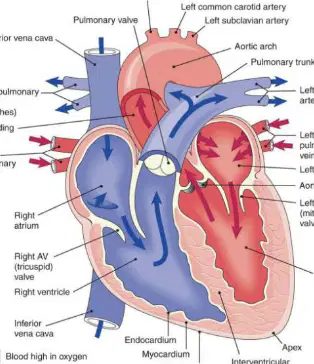
Blood that is high in oxygen is shown in which color in the diagram?
Red
Blue
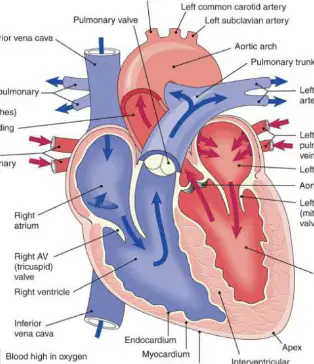
Match the following heart parts to their correct function or description:
Receives blood low in oxygen from the body
Right atrium
Pumps blood high in oxygen to the body
Left ventricle
Controls blood flow from the heart to the lungs
Pulmonary valve
What is the average amount of blood in the body of an adult human?
1-2 liters
3-4 liters
5-6 liters
7-8 liters
Plasma, the liquid portion of the blood in its anticoagulated state, accounts for what percentage of the blood volume?
10-20%
30-40%
55-65%
80-90%
Red blood cells, also known as RBCs or erythrocytes, are produced in the ________ and live approximately ________ days.
bone marrow, 120
liver, 60
spleen, 30
kidney, 200
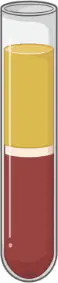
According to the diagram, what is the main component of plasma?
Water
Proteins
Nutrients
Electrolytes
Which component of blood is responsible for its reddish color?
Platelets
White blood cells
Hemoglobin in red blood cells
Plasma
What are platelets also known as?
Thrombocytes
Leukocytes
Erythrocytes
Plasma cells
Platelets aid in the process of ________, the formation of blood clots that occurs when a blood vessel is damaged.
coagulation
digestion
respiration
excretion
What is the last step of hemostasis, the process by which the flow of blood ends?
Coagulation
Vasodilation
Phagocytosis
Osmosis
Which type of white blood cell is the most common and defends the body against infectious diseases?
Lymphocytes
Neutrophils
Monocytes
Basophils
Which type of white blood cell provides a boost to immune defense and helps respond to viruses?
Neutrophils
Lymphocytes
Eosinophils
Basophils
Fill in the blank: The most common white blood cells are ________, which defend the body against infectious diseases.
Neutrophils
Eosinophils
Basophils
Lymphocytes
Which type of white blood cell is the largest in normal blood and provides support in cell-mediated immunity?
Monocytes
Eosinophils
Basophils
Lymphocytes
Which white blood cell functions in allergic or inflammatory responses?
Monocytes
Eosinophils
Basophils
Neutrophils
Which white blood cell is the least numerous and contains histamine to aid in allergic states?
Monocytes
Eosinophils
Basophils
Lymphocytes
Fill in the blank: White blood cells are also known as _________.
leukocytes
erythrocytes
thrombocytes
plasma
Eosinophils are the largest cells in normal blood.
True
False

