
 Worksheets
Chapter 4.1/4.2: Introduction to Ancient Greece – Assessment Rev
Total questions: 47
Worksheet time: 23mins

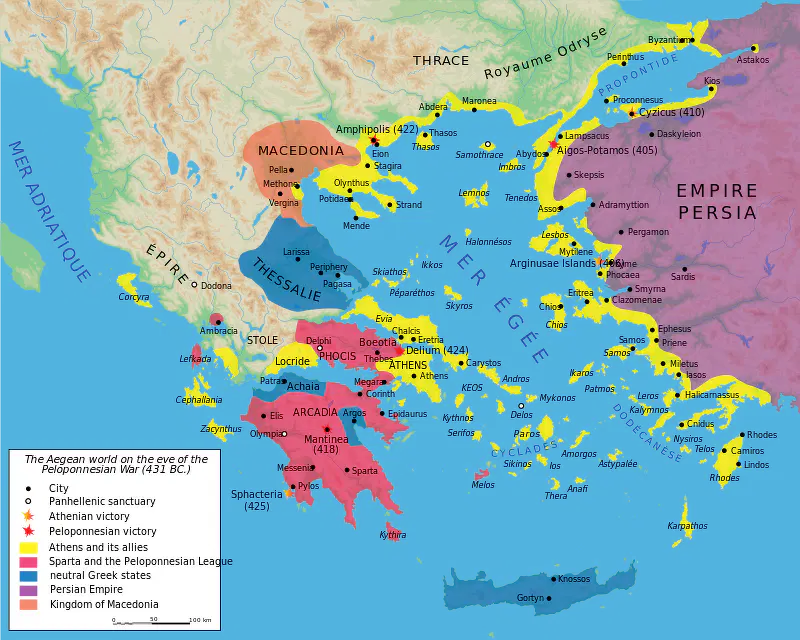
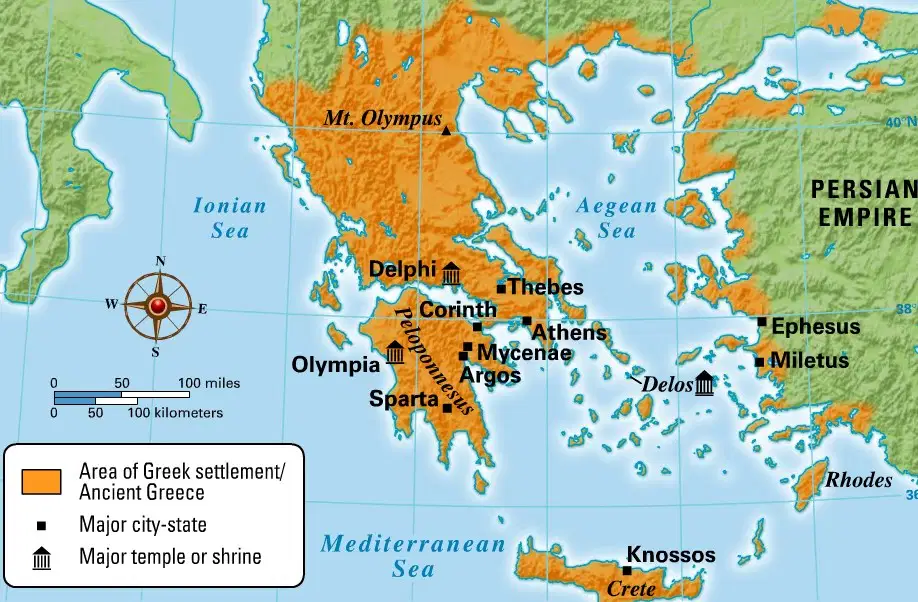
Location A on the Map is....
The Mediterranean Sea
The Red Sea
The Aegean Sea
The Adriatic Sea
Location B on the Map is....
Athens
Sparta
Thessaly
Macedonia
Location E on the Map is....
Mount Delphi
Mount Everest
Mount Hera
Mount Olympus
Location D on the Map is....
Miletus
Rhodes
Athens
Megara
Location C on the Map is....
Crete
Cyclops
Long Island
Corfu
Which Sea does Location F on the map represent?
The Ionian Sea
The Mediterranean Sea
The Black Sea
The Caspian Sea
What is a myth?
A detailed written report of real events that happened exactly as described, often recorded by historians and used to study the past.
A story told only to entertain children, featuring magical creatures, talking animals, and events that never try to explain real-world questions.
A complex essay meant to solve scientific problems and provide accurate explanations about the universe.
A story that explains the world, human behavior, or important life events
Which of the following does not explain why the Ancient Greeks wrote myths?
To entertain people with exciting stories
To help people remember history and culture
To teach lessons about life and how to behave
To make predictions about the weather and future events
Which of the following is NOT a Greek god or goddess?

.Zeus – king of the gods, ruler of the sky

Poseidon – god of the sea, earthquakes, and horses

Thor – god of thunder

Athena – goddess of wisdom and war strategy
Which of the following is NOT a Greek god or goddess?

Demeter – goddess of agriculture and fertility

Apollo – god of the sun, music, poetry, and prophecy

Hera – queen of the gods, goddess of marriage

Freya – goddess of love and war
Which of the following is NOT a Greek god or goddess?
Hades – god of the underworld
Dionysus – god of wine, theater, and celebration
Ares – god of war
Odin – god of wisdom and war
Aphrodite – goddess of love and beauty
Which of the following is NOT a Greek god or goddess?
Ishtar – goddess of love and war
Hephaestus – god of fire, metalworking, and crafts
Hermes – messenger god, guide of travelers and souls
Apollo – god of the sun, music, poetry, and prophecy
Athena – goddess of wisdom and war strategy
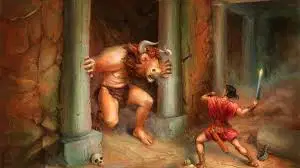
Why did Theseus decide to go to Crete to face the Minotaur?
He wanted to explore Crete for trade opportunities and gain wealth for Athens.
He was determined to end the cruel tribute of seven youths and seven maidens every three years, prove his bravery, and protect his fellow Athenians from being sacrificed to the Minotaur.
He was seeking fame and glory, hoping the gods would grant him immortality if he succeeded.
He went to retrieve treasure hidden in the labyrinth by King Minos that was rumored to bring great power.
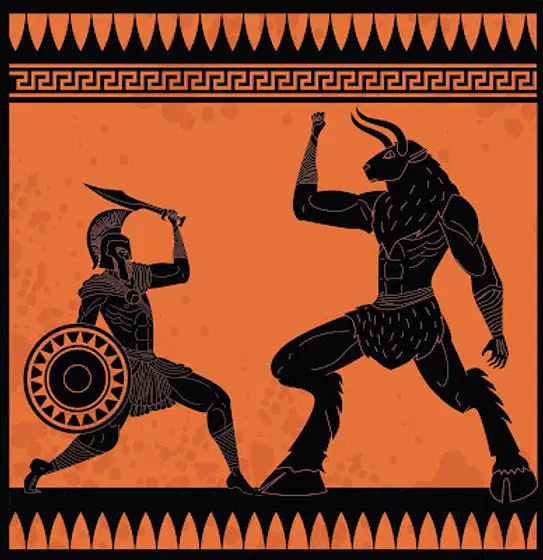
How did Princess Ariadne help Theseus succeed in the labyrinth, and why did she do it?
She instructed him to challenge the Minotaur in open combat outside the labyrinth, hoping to distract her father from other political threats
She provided a magical potion to make him invisible because she wanted to overthrow her father and take the throne herself.
She gave him a map of Crete to find the labyrinth and claim treasure for himself, motivated by her desire for adventure.
She secretly sent a sword and a ball of thread so he could navigate the labyrinth safely and defeat the Minotaur, because she believed he could end the senseless sacrifice and save both the Athenians and Cretans.
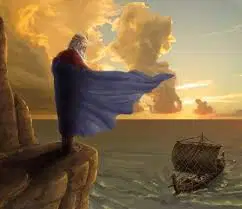
What were the consequences of Theseus forgetting to change the ship’s sail to white when returning to Athens?
His crew became lost at sea, and the Athenians feared a new attack from King Minos.
Poseidon punished Theseus by sinking the ship and causing a storm that destroyed Athens’ harbor.
King Aegeus, believing Theseus had died, threw himself into the sea, which was then named the Aegean Sea, leaving Theseus to return home to Athens with grief and take on the responsibilities of kingship
Theseus was cursed by Athena, and the people of Athens refused to recognize him as their hero or future king.
Which of the following is NOT a theme of geography?
How ideas, goods, and people move
The study of physical and human characteristics of a place
The life story of a famous historical figure
How people adapt to and modify their environment
Which of the following best describes “location” in geography?
It focuses on the movement of goods, ideas, and people between places.
It studies the cultural traditions, myths, and stories of a place.
It explains how people adapt to the environment and use natural resources.
It tells where a place is on Earth, using absolute coordinates like latitude and longitude or by describing what is nearby (relative location).
Where is Greece located?
In Central Africa, near the Nile River and east of the Sahara Desert
In South America, along the Amazon River basin
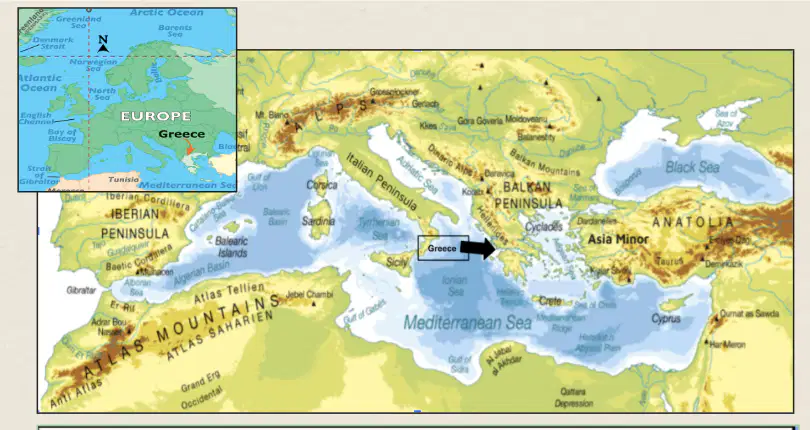
. In Southeastern Europe on the Balkan Peninsula, near the eastern Mediterranean Sea and west of Asia Minor
In Northern Europe, near the Arctic Ocean and east of Scandinavia
Which of the following best describes the physical characteristics of ancient Greece?
A desert region with very little rainfall, sandy soil, almost no islands, extreme hot temperatures in summer and freezing winters, and few natural resources except occasional oases.
A tropical region with dense forests, heavy rainfall year-round, fertile soil covering nearly all the land, and warm, humid temperatures supporting crops like rice and sugarcane.
A mostly flat peninsula with fertile plains covering most of the land, wide rivers for irrigation, few islands, and a climate of mild summers and cold, wet winters, allowing most crops to grow easily.
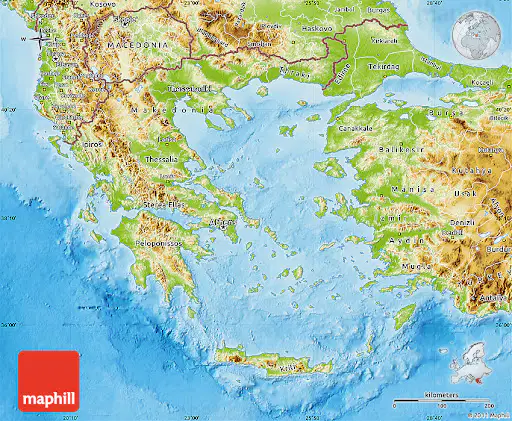
A mountainous peninsula with over 1,000 islands, only 20% of the land farmable, surrounded by the Mediterranean, Aegean, and Ionian Seas, with earthquakes, volcanic activity, and a climate of hot, dry summers and mild winters.
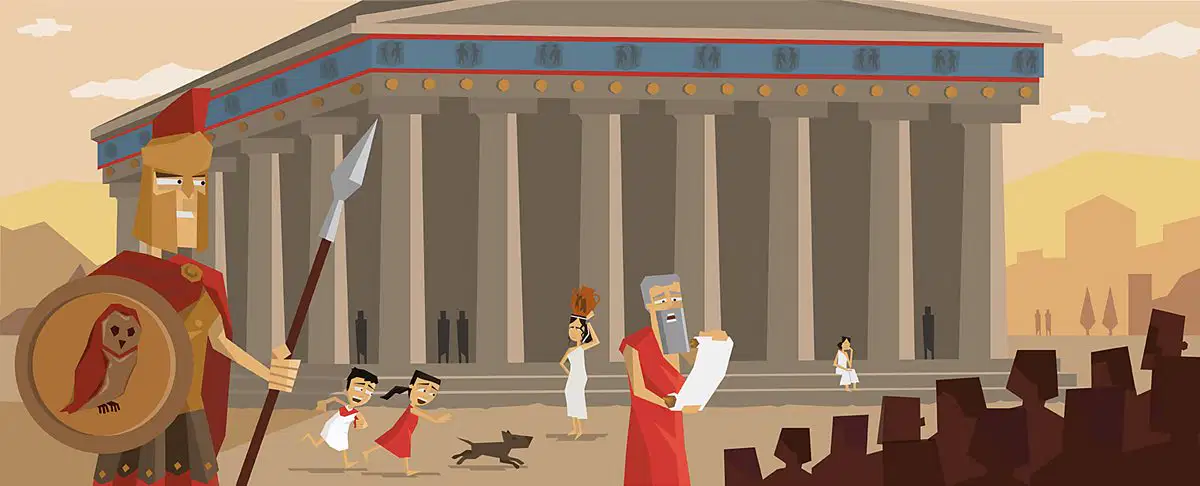
Which of the following is NOT true about the human characteristics of ancient Greece?
They invented democracy, valued education with some of the greatest thinkers in history, traveled and traded, established colonies, and created art, music, and the Olympics.
They built temples and housing, made statues, and participated in cultural activities like music and athletic competitions.
Most Greeks lived in large, unified empires ruled by a single king, shared one central government, and rarely interacted with other city-states
Ancient Greeks spoke the Greek language, practiced a polytheistic religion, created myths, and built independent city-states due to the geography.
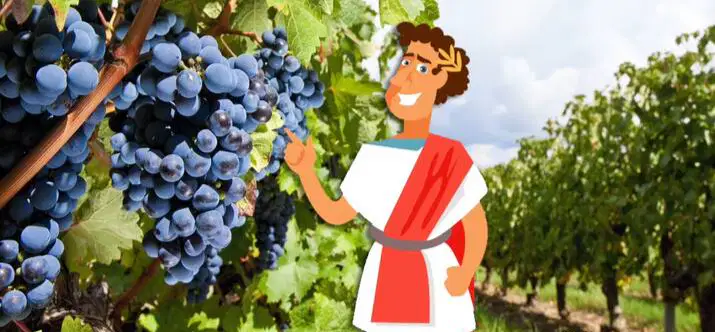
How did the ancient Greeks depend on their environment for food, trade, and daily life?
They survived mainly by living in deserts and plains, growing crops that did not need water, and never engaging in trade or fishing.
They relied on importing all their food from neighboring empires, avoided using olive oil, and did not use the sea for travel or trade because it was considered dangerous.
They depended mostly on hunting large forests of wild animals, traded only overland routes, and used rivers for irrigation and navigation instead of the sea.
They relied on fertile valleys and plains to grow crops like barley, wheat, grapes, and olives, raised goats for milk and meat, used olive oil for cooking and trade, and depended on the sea for food, travel, and trade opportunities

How did the ancient Greeks modify and adapt to their environment to meet their needs?
They built stepped fields on hills for farming, used irrigation to increase crops, constructed cities on hills (acropolises) for protection, used local stone for buildings, and designed temples and roads to fit naturally with mountains, coastlines, and harbors
They built flat cities in valleys without considering protection, ignored local materials, and relied entirely on imported construction supplies, while avoiding natural harbors for trade.
They cleared all forests for farmland, built roads straight through mountains without adapting to the terrain, and never considered defensive advantages in city placement or harbor use.
They lived only in caves, avoided building cities or temples, and refused to modify the land in any way, relying entirely on natural shelters and wild resources.
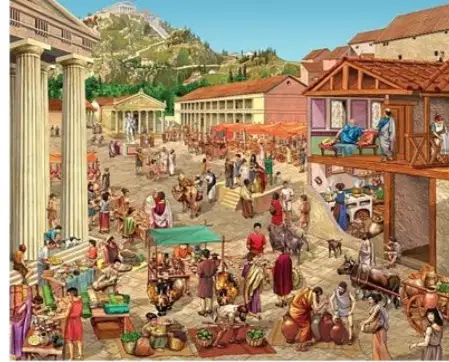
How did the ancient Greeks demonstrate movement of people, goods, and ideas?
They moved goods and people exclusively using wagons on paved roads across mountains, never traveled by sea, and avoided sharing cultural or philosophical knowledge with other city-states.
They only traveled for religious ceremonies and avoided trade or colonization, relying entirely on local resources, while philosophers and teachers only stayed in one city without spreading ideas.
They traveled by foot, animals, and ships, traded goods like olive oil and pottery, set up colonies, and shared knowledge through philosophers and public discussions
They primarily stayed within their own city-states, rarely traded with others, avoided building ships, and did not establish colonies or share knowledge beyond their immediate families.
How did ancient Greeks organize and understand different regions?
All city-states were ruled by the same king, shared the exact same laws, never traded with each other, and had no unique cultures or traditions in any city.
Each city-state had its own government and rules, cities traded goods and shared ideas , and people thought some areas were special for culture or activities like trade or military .
Regions were completely controlled by the gods, and people never made laws, traded goods, or created any special customs based on where they lived.
Greeks only thought about natural features like mountains, rivers, and seas, ignored who lived there, and never cared about trade, culture, or city leaders.
A Greek city-state. A city-state included the city and the land surrounding the polis (city-state).
Polis
Hoplite
Trireme
Acropolis
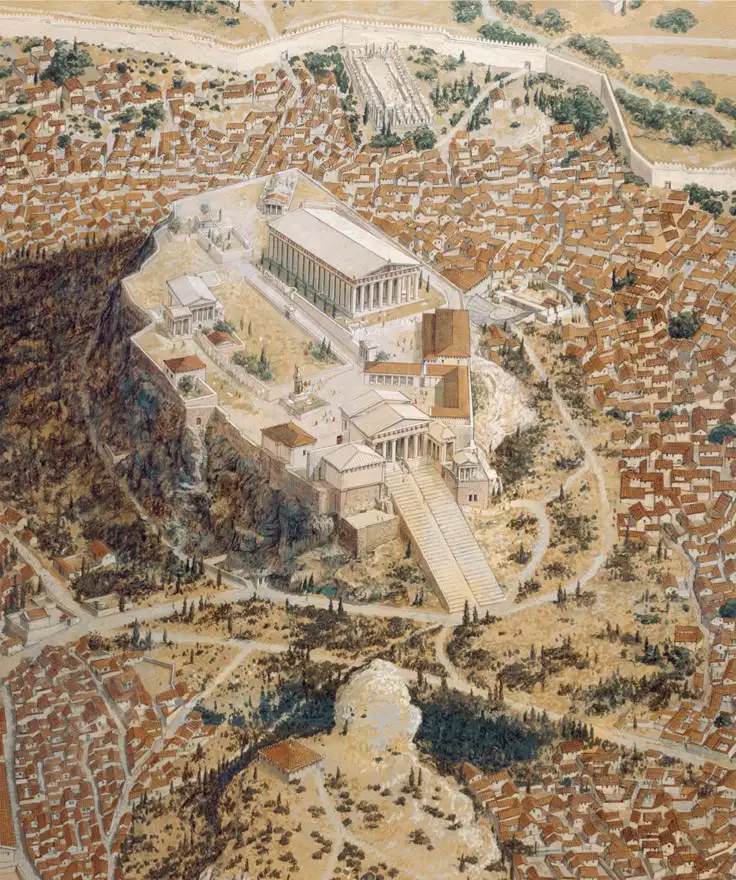
This means “high city”. This was the second tier of the polis (city-state). All the temples dedicated to the god/goddesses were located here
Agora
Acropolis
Palace
Shine

The largest and most powerful Greek city-state. They focused on the arts, education, and participation in government. They also invented democracy!
Athens
Sparta
Thebes
Corinth
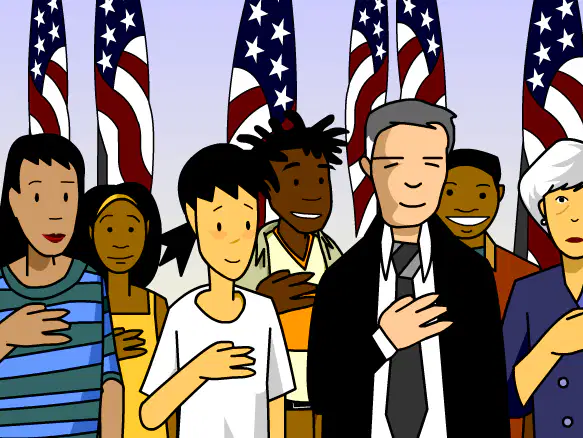
Free people of the community
who have rights and responsibilities are called:
residents
citizens
soldiers
merchants
The lawmaking body in a government:
Judiciary
Council of Elders
Executive
Legislature
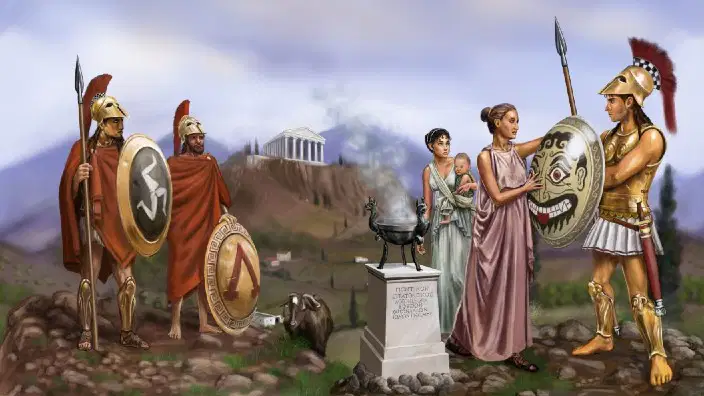
It was an ancient Greek City-state known for its warrior society. Their culture was centered on loyalty to the state (an oligarchy) and military service.
Rhodes
Thebes
Athens
Sparta
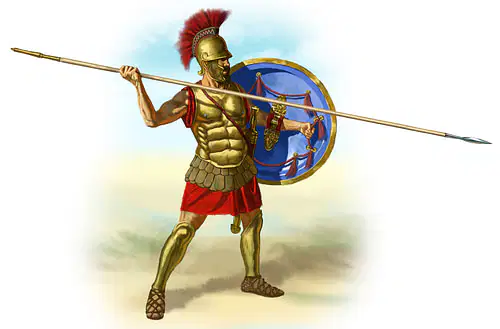
A heavily armed Greek foot soldier
Hoplite
Cavalry
Archer
Trireme
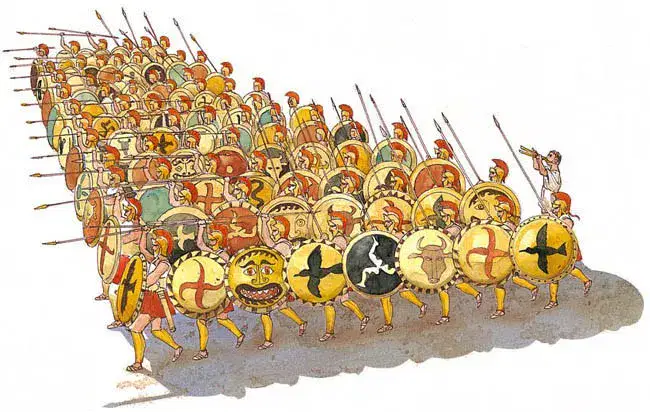
A tightly squared military formation with spears facing outward and locked shields for protection.
Skirmish
Phalanx
Legion
Trireme

An oar powered warship built for speed and ramming other ships.
Hoplon
Longship
Trireme
River barge
A form of government in which, the power to make decisions is in the hands of one person, usually called a king or a queen.
Monarchy
Oligarchy
Tyranny
Democracy
A form of government where the power to make decisions is in the hands of the people, who are called citizens.
Monarchy
Oligarchy
Tyranny
Democracy
A form of government in which power to make decisions is in the hands of a few wealthy men, usually called oligarchs or kings.
Monarchy
Oligarchy
Tyranny
Democracy
In some Greek city-states, rulers took power by force. While a few helped the people, most were cruel and harsh, and the people eventually rebelled to remove them. What type of government does this describe?
Monarchy
Oligarchy
Tyranny
Democracy
In ancient Greece, this type of government gave one person total power to make laws, set taxes, act as a judge, lead religious ceremonies, command the army, and decide punishments. It also became hereditary. What is it called?
Monarchy
Oligarchy
Tyranny
Democracy
Which type of government was ruled by a few rich men who shared power, made laws to help the wealthy, raised taxes on the poor, used the army to stay in power, and often spent time hunting, racing chariots, and partying?
Monarchy
Oligarchy
Tyranny
Democracy
A form of government where one person takes control by force, illegally, and holds all the power to make decisions.
Monarchy
Tyranny
Democracy
Oligarchy
Over time, poor people grew angry at the rulers, and new leaders—usually army generals—used soldiers to remove them from power. By 650 B.C.E., only Sparta still had a stable government ruled by two leaders who shared power. What type of government is this?
Monarchy
Oligarchy
Tyranny
Democracy
The early form of democracy in Ancient Greece lasted until 322 B.C.E. Why did it eventually decline?
Tyrants ruled peacefully without opposition
Democracy was outlawed by the gods
Citizens voted too often and got bored
Internal conflicts, military defeats, and the rise of powerful Greek kingdoms
Some Greek city-states turned to men who promised to overthrow kings or oligarchs and make life better for the people. These men took power with violence. Which type of government does this describe?
Monarchy
Oligarchy
Tyranny
Democracy
At first, Greek kings were chosen by the people. Over time, kings demanded that their power be passed on to their children, usually the oldest son. Which type of government does this describe?
Monarchy
Oligarchy
Tyranny
Democracy
Around 500 B.C.E., the people of Athens tried ruling themselves. In this type of government, citizens could propose laws, vote on laws, and serve on juries. What type of government is this?
Monarchy
Oligarchy
Tyranny
Democracy
Some rulers promised more rights, lowered taxes, and used their army to protect the people. What type of government did these rulers lead?
Monarchy
Oligarchy
Tyranny
Democracy
Which of the following is NOT a reason why some Greeks did not like democracy?
Some rich citizens thought the poor were too “dumb” to make decisions
One citizen could convince friends to vote “yes” only for his own ideas
People could bribe citizens to vote for a bad law
Democracy Everyone automatically agreed with all laws

