
 Worksheets
Migration and Cultural Regions of Early North America
Total questions: 21
Worksheet time: 11mins
Why did the first people migrate from Asia to the Americas?
In search of food
To locate fertile farmland
To flee from hostile tribes
How do scientists think people migrated from Asia to the Americas during the last Ice Age?
They sailed across a narrow strait.
They traveled south from Canada.
They traveled across a land bridge.
Which of these best explains why different cultural regions formed in North America?
Groups chose where they lived based on their special skills.
Groups needed to distinguish themselves from other groups.
Groups adapted to the environments in which they settled.
Which of these was most important to the survival of the majority of Indigenous people in the North America?
Land and home ownership
Trade to meet their daily needs
Ability to use natural resources
Which of these enabled most Indigenous people to settle in permanent villages?
Trading
Hunting
Farming
How do historians learn how Indigenous people lived long ago in North America?
They read their journals.
They study their artifacts.
They live in their shelters.
Which of these characterizes an Indigenous cultural region?
People migrated together.
People have the same leader.
People share a similar language.
Which of these was most important in determining the way of life of an Indigenous group in North America?
Food sources
Language skills
Land ownership
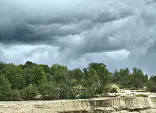
Which of these was a strong influence on the kind of homes created by each Indigenous group?
wealth
climate
religion
Which of these was an important resource of the Northwest Coast people?
Great Lakes
Pacific Ocean
Gulf of Mexico
Indigenous people of which region lived in a very arid (dry) climate?
California
Great Basin
Eastern Woodlands
How was it possible for the mesa people to grow corn in the desert?
They used rain barrels.
They dug irrigation ditches.
They traded their crops for water.
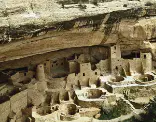
Indigenous people who lived on the Plains wore clothing made from animal hides. Which of these was an important activity in this region?
fishing
mining
hunting
How did the Indigenous groups in the Southeast live?
They lived in wooden longhouses in the forest.
They lived in adobe villages on top of flat mesas.
They lived in towns clustered around large earthen mounds.
What is one way Indigenous people adapted the environment to meet their needs?
Arctic people raised livestock.
Southwest people made many things with corn.
Eastern Woodlands people burned trees to plant corn.
Plains people built stone houses.
Which cultural region is described by the following information? • dense grasses • treeless grasslands • large bison herds
Plateau
Great Plains
Eastern Woodlands
Southwest
What was an important resource for Indigenous people of the Eastern Woodlands?
Deserts
Forests or trees
Mountains
Prairies
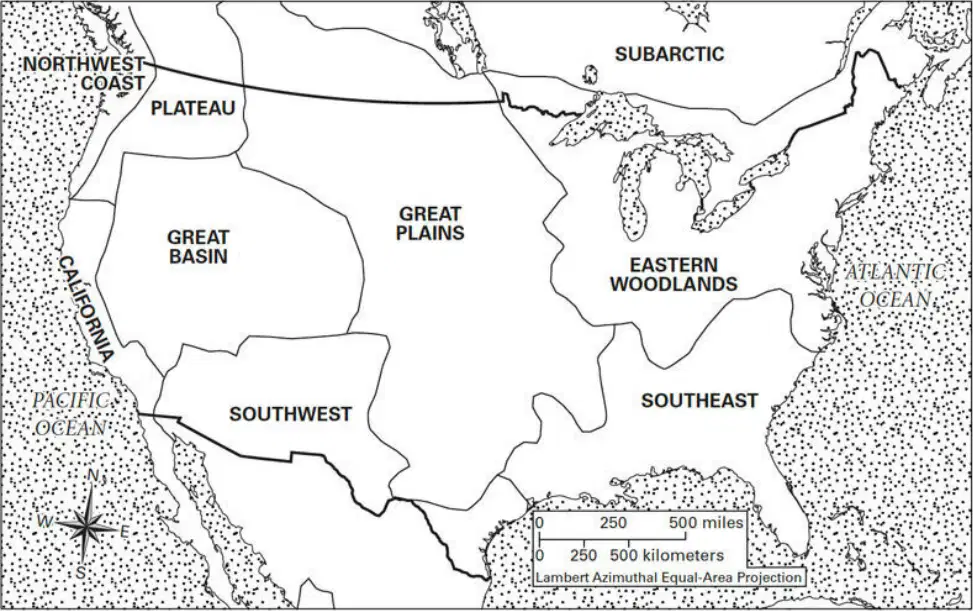
Select one cultural region from the options where the information is true.
The Great Plains: Scarcity of trees for building shelters, so people used bison hides for tipis.
The Southeast: Lack of water sources, so people relied on hunting whales.
The Subarctic: Hot and dry climate, so people built adobe houses.
The Plateau: Abundance of rainforests, so people built igloos.
How did the Indigenous people of the Southwest cultural region adapt to harsh weather conditions?
By building large cities near the ocean
By digging irrigation ditches to carry water from streams to fields
By moving to colder regions
By relying only on rainfall for their crops
Which of the following best demonstrates adaptability in the context of the Southwest cultural region?
Ignoring the weather conditions
Using the little rainwater by creating irrigation systems
Planting only desert plants
Waiting for more rain to fall naturally
Why is it important to explain how an artifact shows adaptation to its cultural region?
It helps demonstrate understanding of how Indigenous groups used resources to survive in their environments.
It allows students to use more complex vocabulary.
It is required to get a score of 0.
It is not necessary for the assignment.

