
 Worksheets
IM Lifecycle - Group A
Total questions: 10
Worksheet time: 8mins
Fill in the blank: The information lifecycle ensures that data is managed, used effectively, and kept _______ throughout its life.
secure
obsolete
public
temporary
Which of the following is an example of the information lifecycle?
A hospital collects patient data, stores it, retrieves it for treatment, archives old records, and safely deletes outdated files.
A student writes an essay and submits it to a teacher.
A chef prepares a meal in a restaurant.
A car is manufactured and sold to a customer.
Which stage of the Information Lifecycle involves saving data securely?
Storage
Destruction
Creation
Disposal
What does 'Information' mean in the context of the DIKW Pyramid?
Just numbers or words without meaning
Data with added context (who, when, where)
Wisdom from experience
None of the above
What question does 'Wisdom (The Action)' answer in the Data Value Chain?
How should we handle this common issue?
Why should we change our process?
What is the password reset rate?
How do we collect data?
Fill in the blank: ________ refers to data centers owned and managed by the organization.
On-Premise
Cloud-Based
Colocation
Hybrid
Fill in the blank: ________ is a mix of both cloud and on-premise infrastructure.
Hybrid
Public
Private
Community
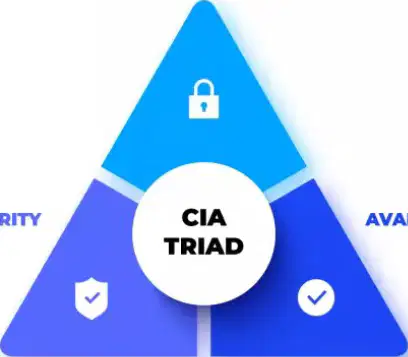
What is the core security principle that involves preventing unauthorized access to data?
Confidentiality
Integrity
Availability
Authentication
What is the scope of Backup?
Often includes system files, application data, and databases.
Only includes user documents and photos.
Is limited to temporary files only.
Covers only internet browsing history.
What is the scope of Archiving?
Specific, non-operational data that must be kept but is rarely accessed.
All operational data that is frequently used.
Temporary files that are deleted daily.
Any data that is actively modified by users.

