
 Worksheets
5 Minute Lesson Planner
Total questions: 36
Worksheet time: 18mins
Select the four different types of foundation you have learnt about at Level 1.
Strip, raft, pad, pile
Beam, slab, arch, dome
Column, truss, girder, lintel
Wall, roof, floor, ceiling
The main materials used in foundations are:
Concrete, steel, and masonry
Wood, plastic, and glass
Aluminium, copper, and rubber
Paper, fabric, and foam
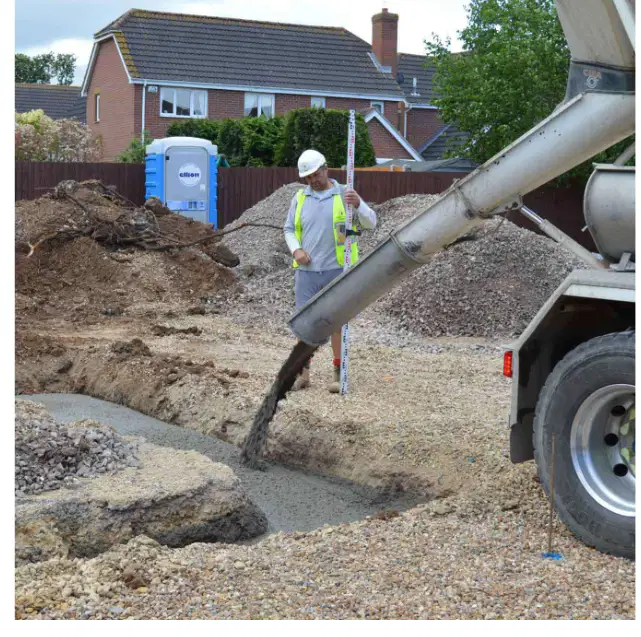
If a strip foundation for a house was 20 metres long, 1.2 metres deep and 600mm wide, how much concrete would you require to construct this foundation?
14.4 m³
12.0 m³
10.8 m³
9.6 m³
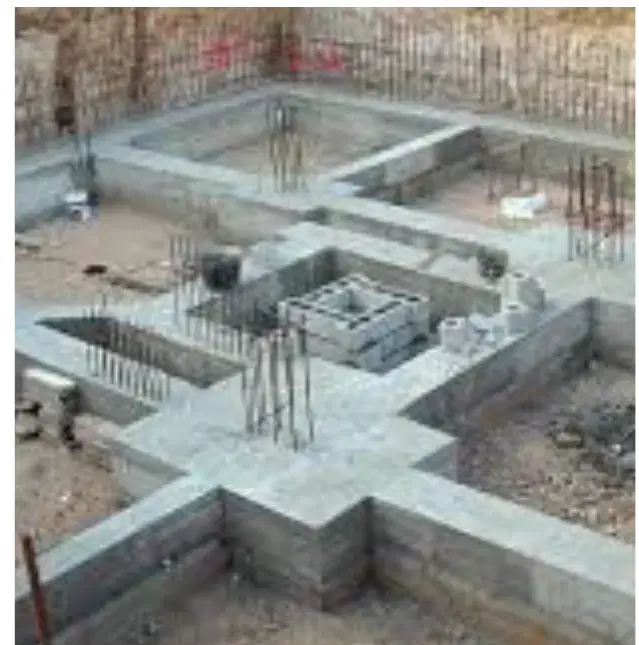
What is the foundation in construction?
The decorative part of a building
The load-bearing part of a structure, transferring the weight of the building to the ground
The roof of a building
The windows of a building
Fill in the blank: The foundation provides ________, preventing excessive settling or movement of the structure over time.
stability
flexibility
colour
ventilation
Fill in the blank: One reason we have them is to distribute building loads evenly to the ground to avoid ________ settlement.
unequal
rapid
shallow
temporary
Fill in the blank: Having them ensures the building can withstand environmental factors, such as soil conditions, weather, and natural ________.
movements
colours
lights
textures
Fill in the blank: They provide a stable base to prevent structural ________.
failure
growth
colour
expansion
What does the substructure refer to?
The substructure refers to everything below ground.
The substructure refers to the roof of a building.
The substructure refers to the interior decoration.
The substructure refers to the electrical wiring.
Which of the following is NOT a part of the substructure?
Foundations
Footings
Walls
Cellars
The substructure is responsible for supporting and distributing ________.
loads
colours
sounds
lights
The substructure resists environmental forces.
True
False
What does the superstructure involve?
The superstructure involves everything above ground level.
The superstructure involves only the foundation.
The superstructure involves underground utilities.
The superstructure involves only the roof.
Which of the following is a function of the superstructure?
Supporting and distributing loads
Resisting environmental forces
Fulfilling architectural requirements
Foundations
The materials used in the superstructure include ________, concrete, and timber.
Steel
Plastic
Glass
Rubber
True or False: The superstructure includes walls, columns, floors, and roofs.
True
False
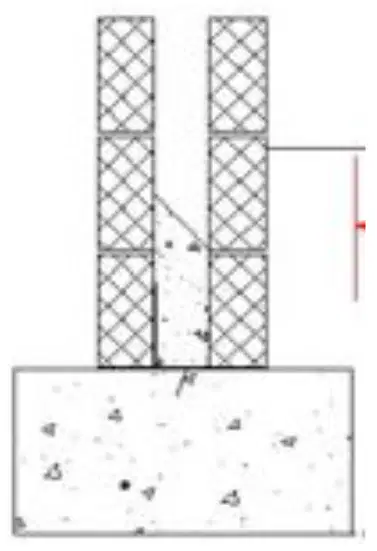
What is a strip foundation?
A) A continuous strip of concrete that spreads loads across the area.
B) A pile of stones used for decoration.
C) A wooden beam placed under walls.
D) A type of roof structure.
For what type of structures are strip foundations commonly used?
Skyscrapers
Small and low structures (extensions, medium-sized homes)
Bridges
Dams
Strip foundations are used for ______ and stable soils.
firm
loose
wet
expansive
How is a strip foundation set out for load transfer?
By the centre of the wall to the centre of the strip
By the edge of the wall to the edge of the strip
By the corner of the building
By the roof alignment

What is the main purpose of a raft foundation?
To spread weight over a large area
To provide ventilation
To increase building height
To reduce construction cost
Raft foundations are typically used in which type of soil?
Rocky soil
Soft soil
Sandy soil
Clay soil
Fill in the blank: Raft foundations are made of thick, strong concrete that is ________ with steel bars to prevent it from breaking or sinking.
reinforced
decorated
painted
covered
Which of the following is NOT a use for raft foundations?
Lightly loaded structures on soft ground
Structures where differential settlements are unlikely
Heavier structures
Structures on rocky ground
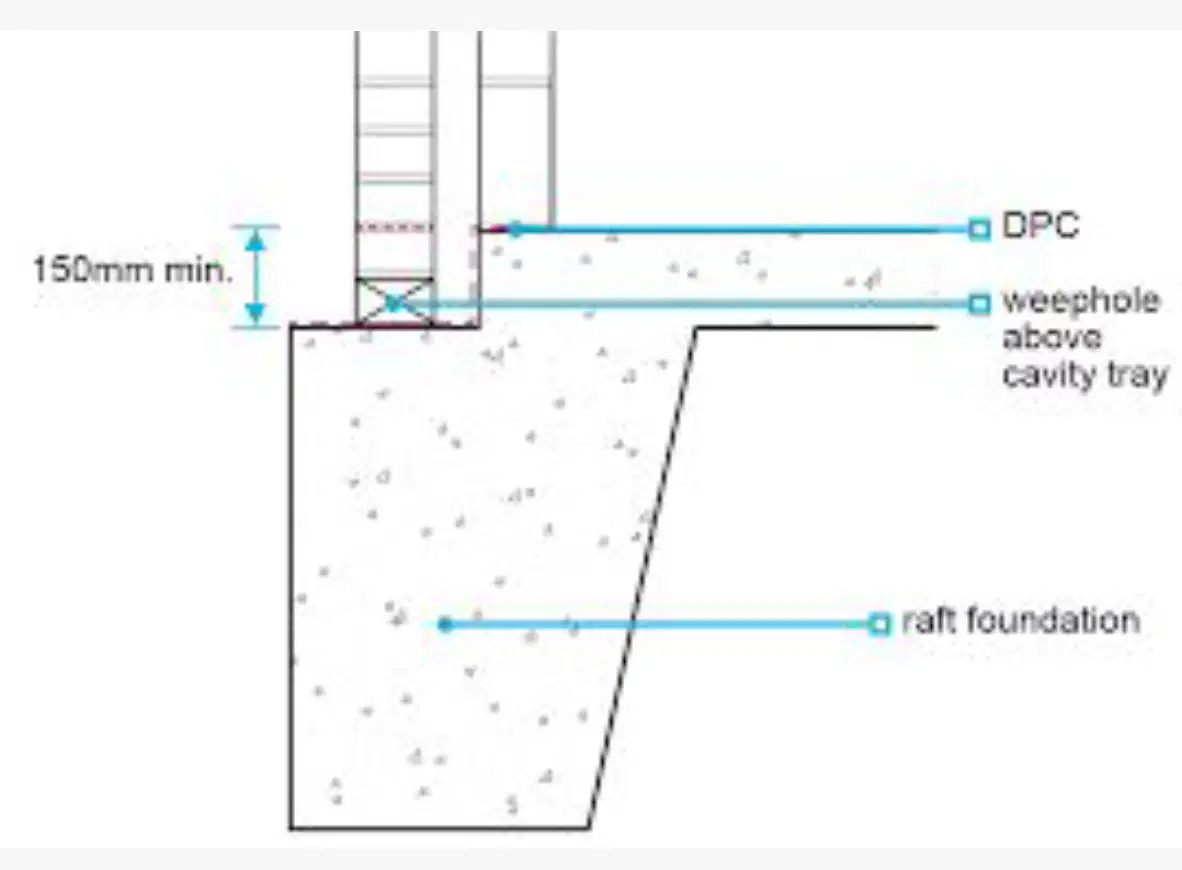
In the diagram, what is the minimum height above ground level for the DPC (Damp Proof Course)?
150 mm
50 mm
300 mm
500 mm
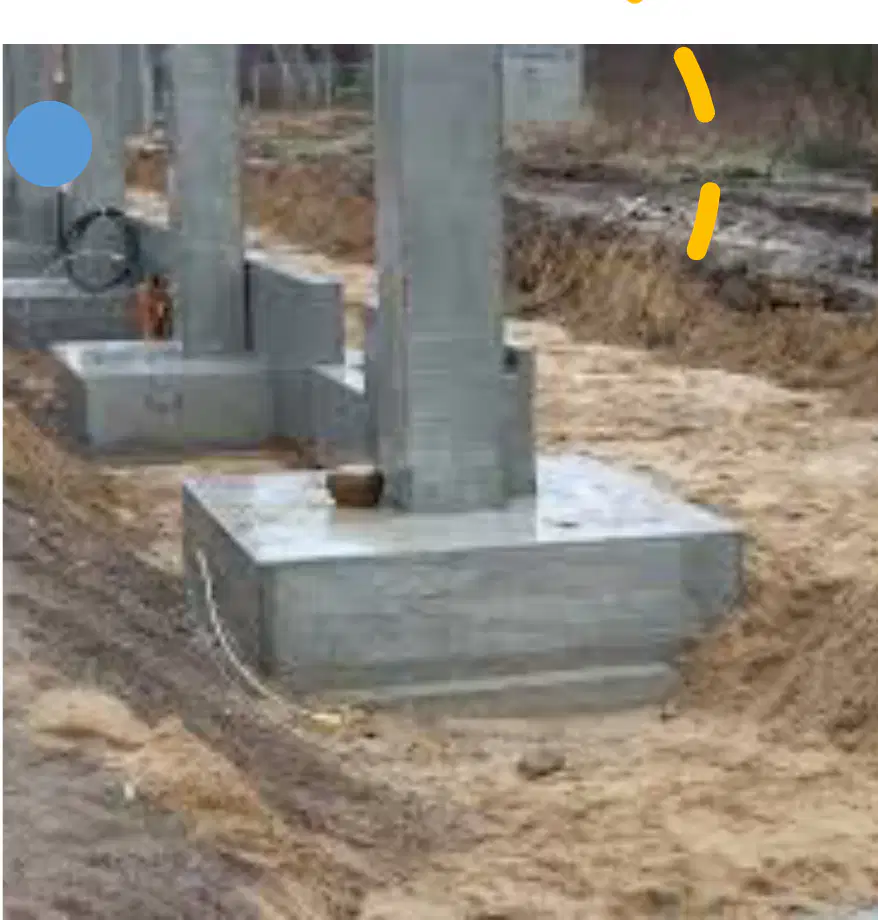
Which type of foundation uses square or rectangular footings for individual columns or isolated load points?
Pad Foundation
Strip Foundation
Raft Foundation
Pile Foundation
Pad foundations can be ______ shape.
any
circular
triangular
hexagonal
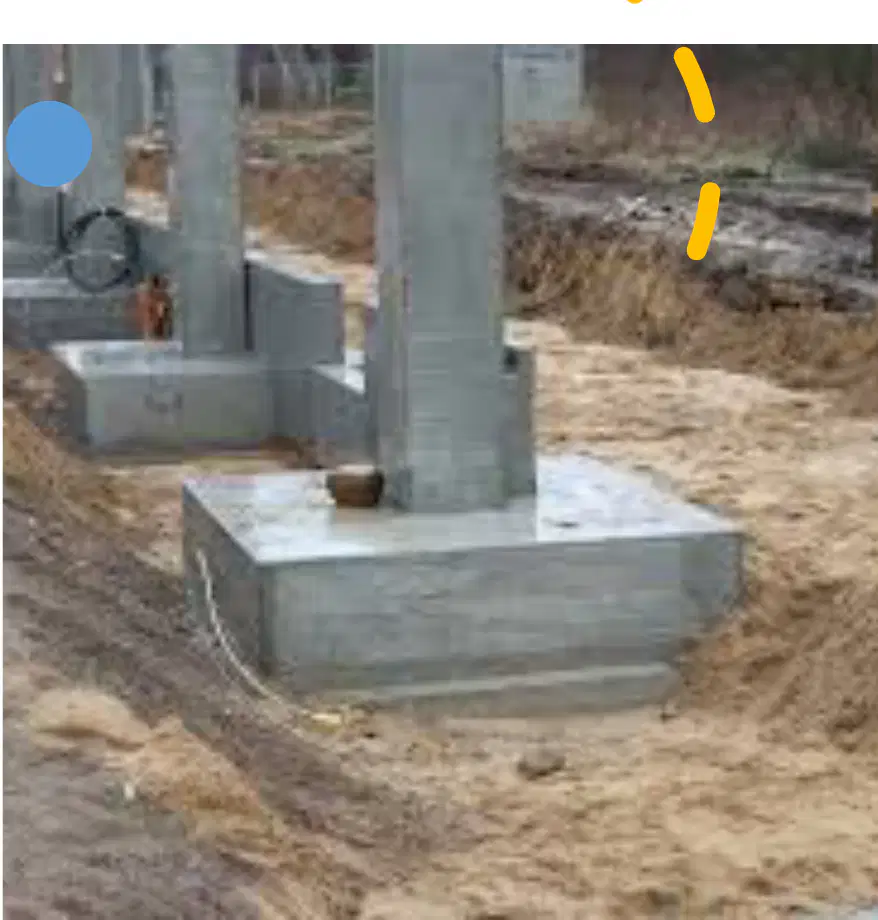
Pad foundations are used in which types of structures?
Residential houses
Purpose-built structures such as commercial or industrial units
Bridges
Dams
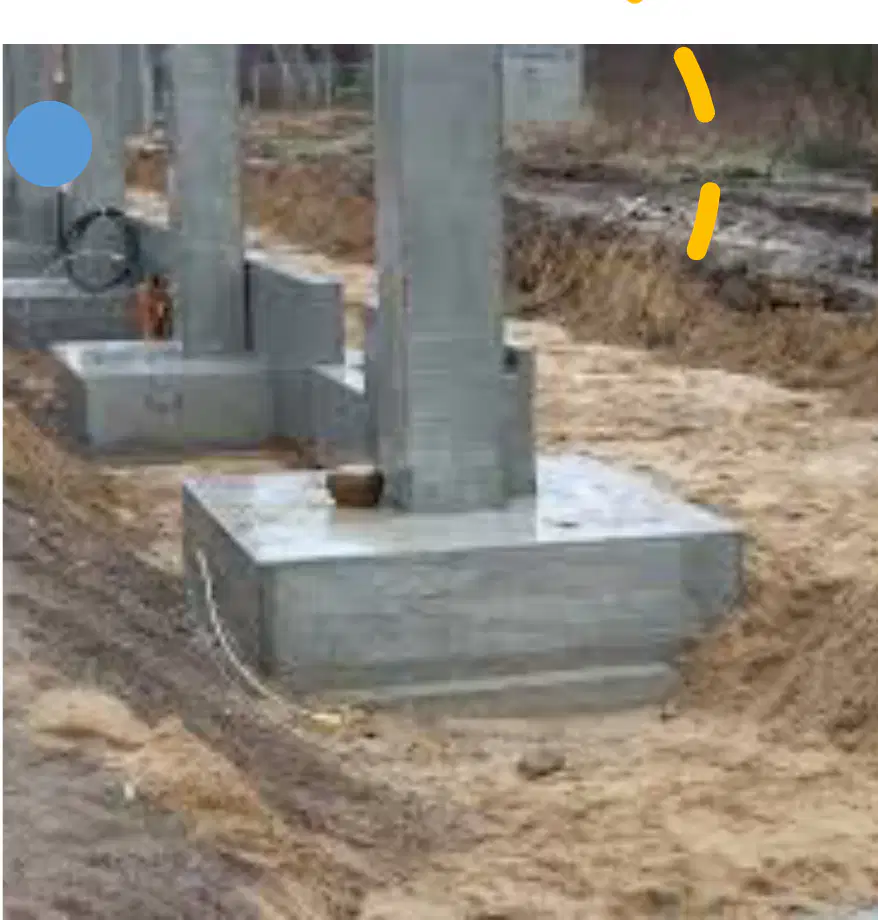
Pad foundations are susceptible to damage from which of the following?
Water leakage
Earth movements (earthquake-landslide)
Fire
Wind
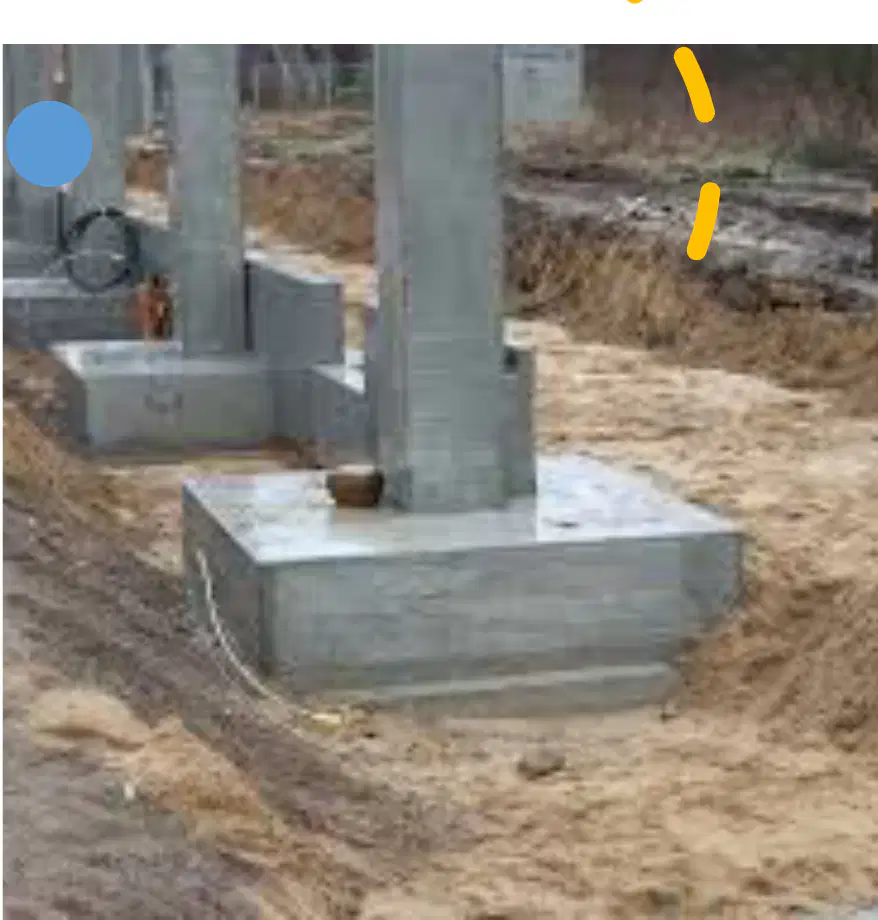
Pad foundations are cost-effective.
True
False
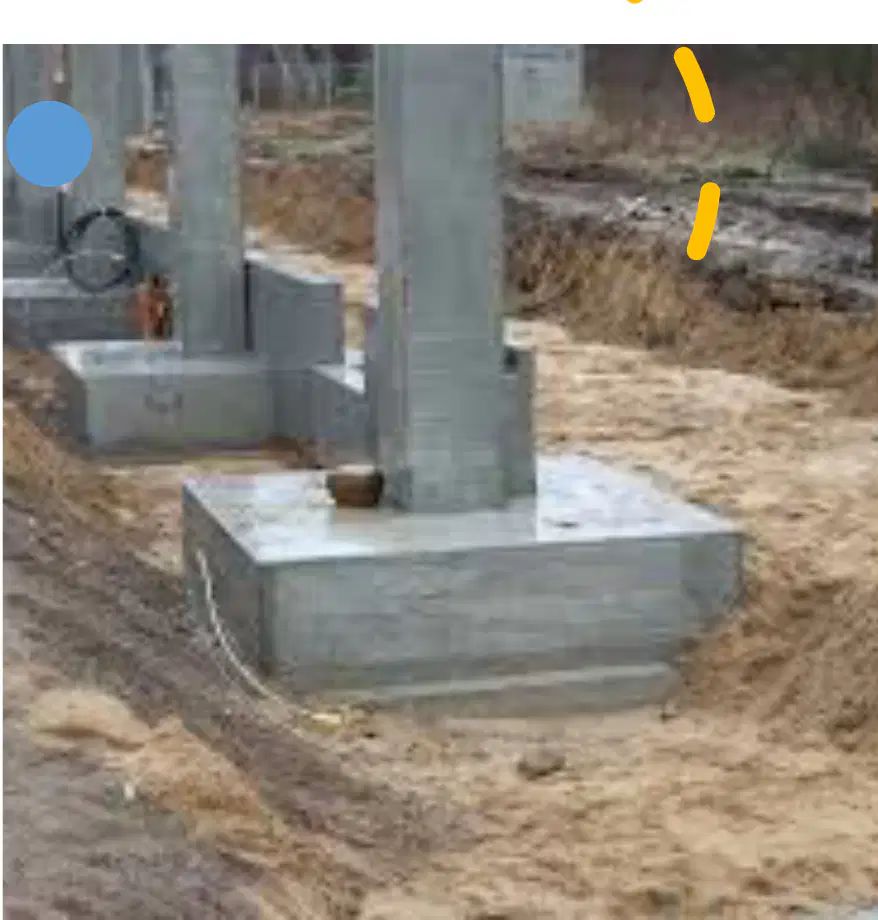
Pad foundations are used if the ground is ______ and has good load-bearing capacity.
stable
wet
loose
uneven
What is the primary function of a pile foundation?
To decorate buildings
To transfer the weight of a building to deeper, more compact soil or rock
To provide insulation
To increase the height of a building
Fill in the blank: Pile foundations provide a stable base for a building when the top layer of soil is too ______ to support the building's weight.
weak
dry
fertile
rocky
What materials are pile foundations typically made of?
Wood or plastic
Steel or reinforced concrete
Glass or rubber
Aluminium or copper
Fill in the blank: The pile transfers the load to the deeper soil through end bearing or ______ friction.
skin
core
tip
base
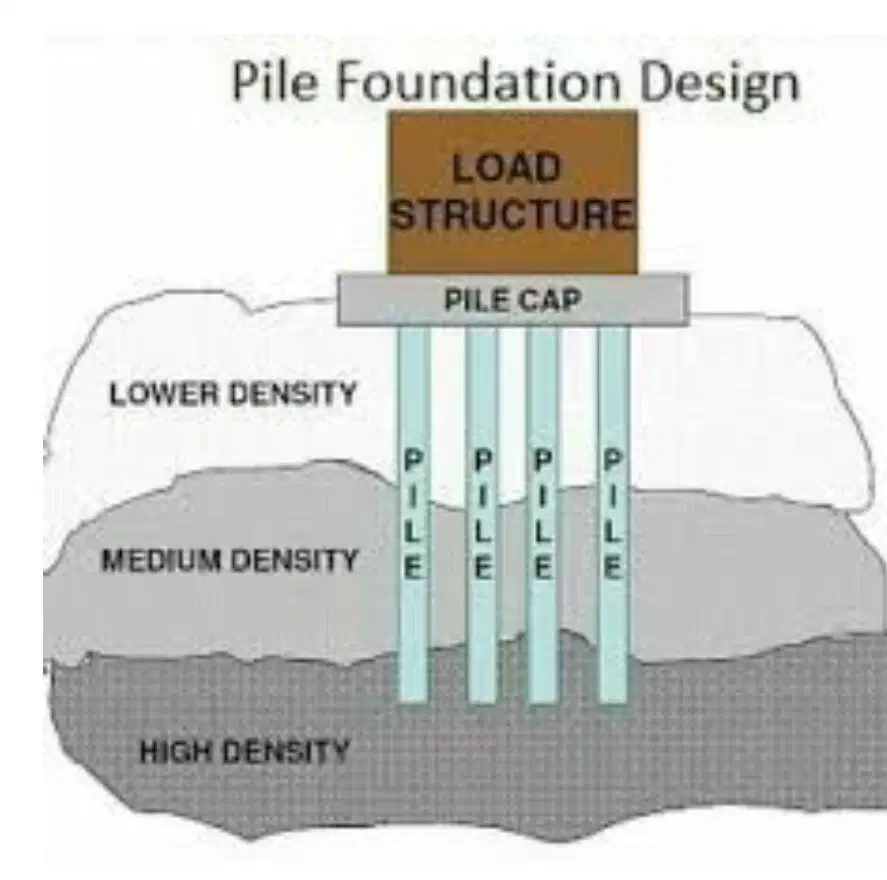
Refer to the diagram labelled 'Pile Foundation Design.' To which layer does the pile reach in order to transfer the load most effectively?
Lower density
Medium density
High density
Surface layer

