
 Worksheets
Module 1: Emergency Response
Total questions: 20
Worksheet time: 10mins
You have a first aid kit and are about to give care to a co-worker who is unresponsive and not breathing. After calling 9-1-1 and getting equipment, what should you do before giving care, if possible?
Put on a gown.
Put on eye protection.
Put on a mask.
Put on latex-free disposable gloves.
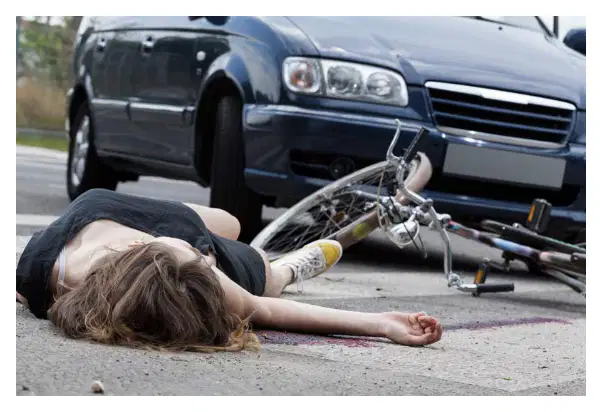
What do you see in this photo that might indicate an emergency situation? (Select 2 answers.)
The person is awake and alert.
The person appears unresponsive and is laying on the ground.
The person is staggering in the street.
The person is bleeding.
The risk of infection when giving first aid care is low. Using what reduces your risk even further? (Select 3 answers.)
Latex-free disposable gloves
Watch
Face shield
Pocket mask
Sunglasses
Identify the signs that indicate an emergency exists in the video you just watched. (Select 3 answers.)
Paula stated that she had bad body odor.
Paula moaned, grimaced, and rubbed her
Paula made a thud when she collapsed to the ground
Paula complained about her workout
Paula appeared unresponsive on the ground
What is your risk of catching a disease when giving first aid care?
High Risk
Medium Risk
Low Risk
No Risk
How long should you wash your hands when using soap and water?
At least 10 seconds
At least 5 seconds
At least 15seconds
At least 20 seconds
What are some things to keep in mind about wearing gloves when giving first aid care? Select 2 answers.
Wearing gloves increases your risk for transmitting an infection.
Wash your hands after taking off your gloves.
Avoid touching other surfaces.
You don’t need to wear gloves when caring for a child.
You hear a scream and some loud noises coming from a few feet away in the crowded school playground. As you walk quickly across the playground, you tell yourself to do what first?
Give care.
Call 9-1-1.
Check the scene for safety.
Check the person.
A person who is responsive and breathing but not fully awake should be placed in a recovery position for which of the following reasons?
To lower their risk for choking and aspiration
To lower their risk for headache
To lower their risk for heart attack
To lower their risk for life-threatening bleeding
You are working a shift at the local farmer’s market when you recognize that a 10-year-old shopping with their parent is choking. You check the scene for safety and approach the child. What do you need to do at this point?
Obtain consent from the child because they are older than 8 years.
Nothing; consent is implied because the person is a minor.
Obtain consent from the parent (who is present) because the person is a minor.
Obtain consent from your boss because of workplace liability issues.
You are working in a senior center when you hear a thud and someone yells out that a man has collapsed. The scene is safe, but the man appears unresponsive. What should you do next?
Interview bystanders using SAM (Signs and symptoms, Allergies, Medications and medical problems).
Complete a focused check of the person by checking from head to toe.
Assume the person is not responsive and give care by starting CPR.
Check for responsiveness by using the shout-tap-shout sequence while checking for breathing, life-threatening bleeding and other life-threatening conditions.
Your co-worker fell off of a tall ladder and hit their head quite hard. You can see they have a large lump and they are bleeding a lot. You suspect a potentially life-threatening injury. You tell them you are trained in first aid and want to help them. They tell you, no; that they are fine and it is no big deal. What should you do?
Insist on helping them and give care.
Call 9-1-1 or tell someone to do so.
Leave them alone since they insist they are OK.
Offer them something to eat and drink.
You have obtained consent and are checking a responsive person. You know you need to interview them first using SAM. What does SAM stand for? (Select 3 answers.)
Meningitis
Medications and medical conditions
Signs and symptoms
Abdominal pain
Allergies
During your interview of the person using SAM, they told you that they have a lot of pain in their left arm and that it is throbbing. What should you do next?
Do a head-to-toe check.
Do a focused check of their left arm.
Wait for EMS to arrive to check the person.
Assume they broke their arm.
Why is it important for you, the first aid responder, to ask questions using SAM and do a focused check of the responsive person? (Select 3 answers.)
It can help you to determine what care they may need.
As time passes, the person may be less able to say things.
You may be able to gather information that others may not be able to gather later.
It will allow you to test whether or not the person can answer simple questions.
When you ask someone to call 9-1-1 for you in an emergency situation, what communication techniques/instructions should you use? (Select 2 answers.)
Look directly at one person.
Say, "You, call 9-1-1."
Yell directions to call 9-1-1 to someone in the crowd.
Say, "Don't come back until EMS arrives."
What should Joe do once he has determined that the scene is safe?
Call 9-1-1, get equipment and begin care immediately.
Call 9-1-1 and complete a shout, tap, shout.
Ask Nick questions and tell someone to get an AED.
Form an initial impression, obtain consent to care and use PPE.
When interviewing the person to find out more information, it is important to ask specific questions. The mnemonic SAM should be used to help you remember to ask those questions. Which of the following are topics covered by SAM? Select 3 answers.
Medications and medical conditions
Age
Signs and symptoms
Allergies
Social Security Number
For Kamehameha Schools, who do you call first during an emergency while on campus?
Parents
Friends
911
Security
What is the correct sequence in an emergency scenario?
CHECK-CARE-CALL
CALL-CHECK-CARE
CHECK-CALL-CARE
CALL-CARE-CHECK
CARE-CALL-CHECK

