
 Worksheets
Quarterly 1 review (15)
Total questions: 15
Worksheet time: 1hrs 15mins
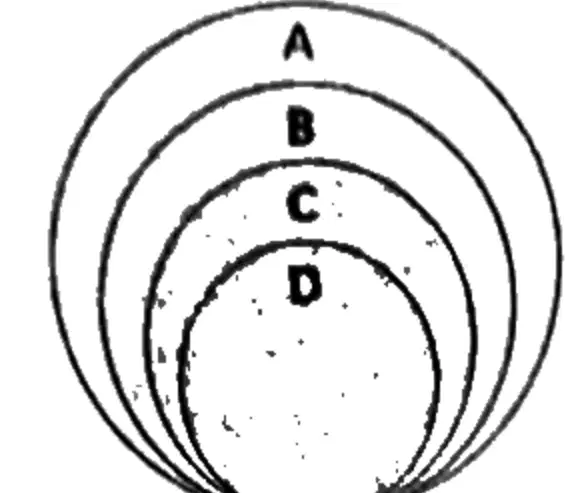
If the circle labeled "C" represents a solar system, which of the following could the circle labeled "D" represent?
a star
a galaxy
a universe
a constellation
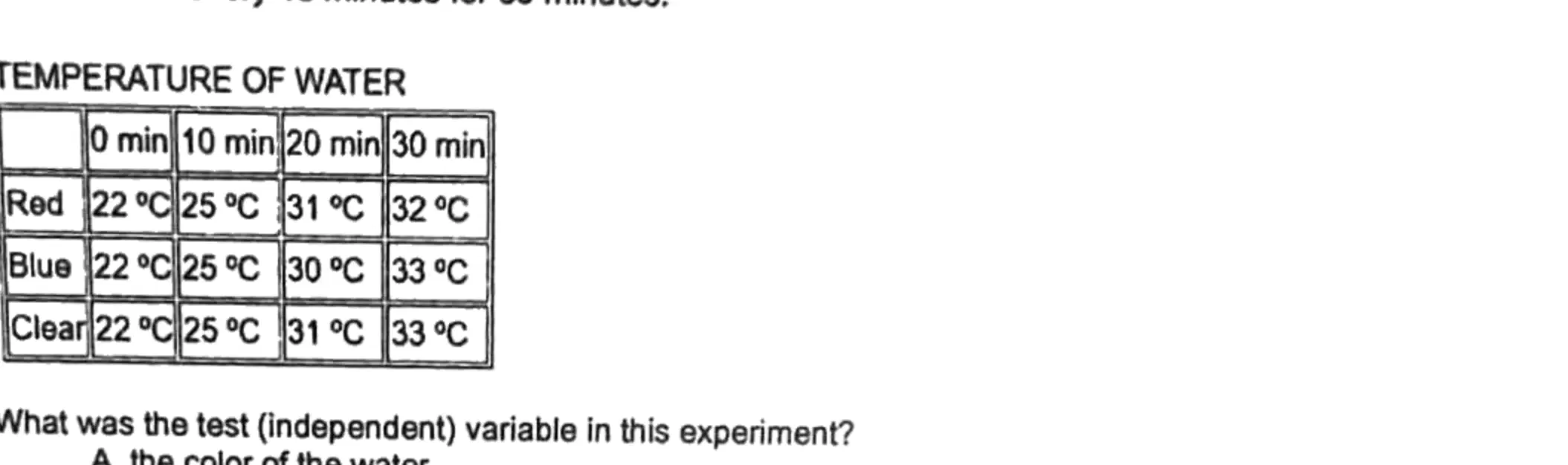
A student wanted to see if the color of water affects the rate at which the water changes temperature. The student added 50 milliliters (ml) of water to each of three beakers. Five drops of food coloring were added to the water in each beaker. The beakers were then placed on a window ledge in direct sunlight. The temperature of the water in each beaker was recorded every 10 minutes for 30 minutes.
the color of the water
the temperature of the water
the amount of water in each beaker
the amount of time each beaker was exposed to sunlight
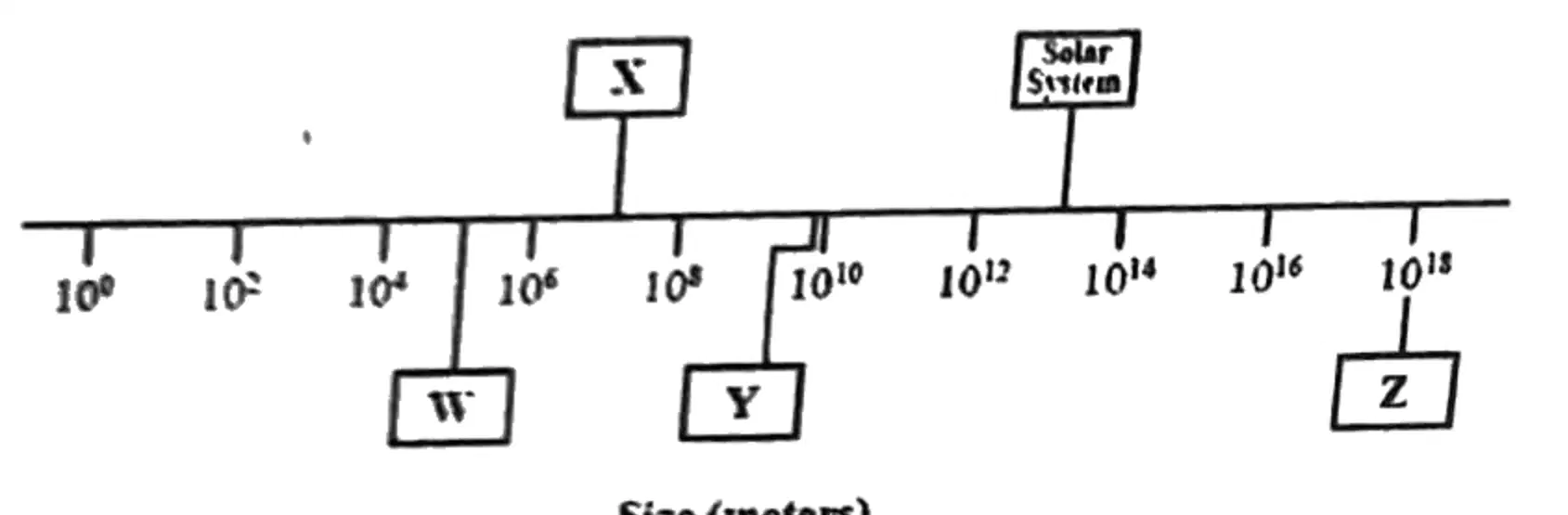
The points labeled on the chart below represent the approximate size of Earth, the Milky Way, the Moon, and the Sun. The approximate size of the solar system is also shown. Which point on the chart best represents the approximate size of Earth?
w
x
z
Y
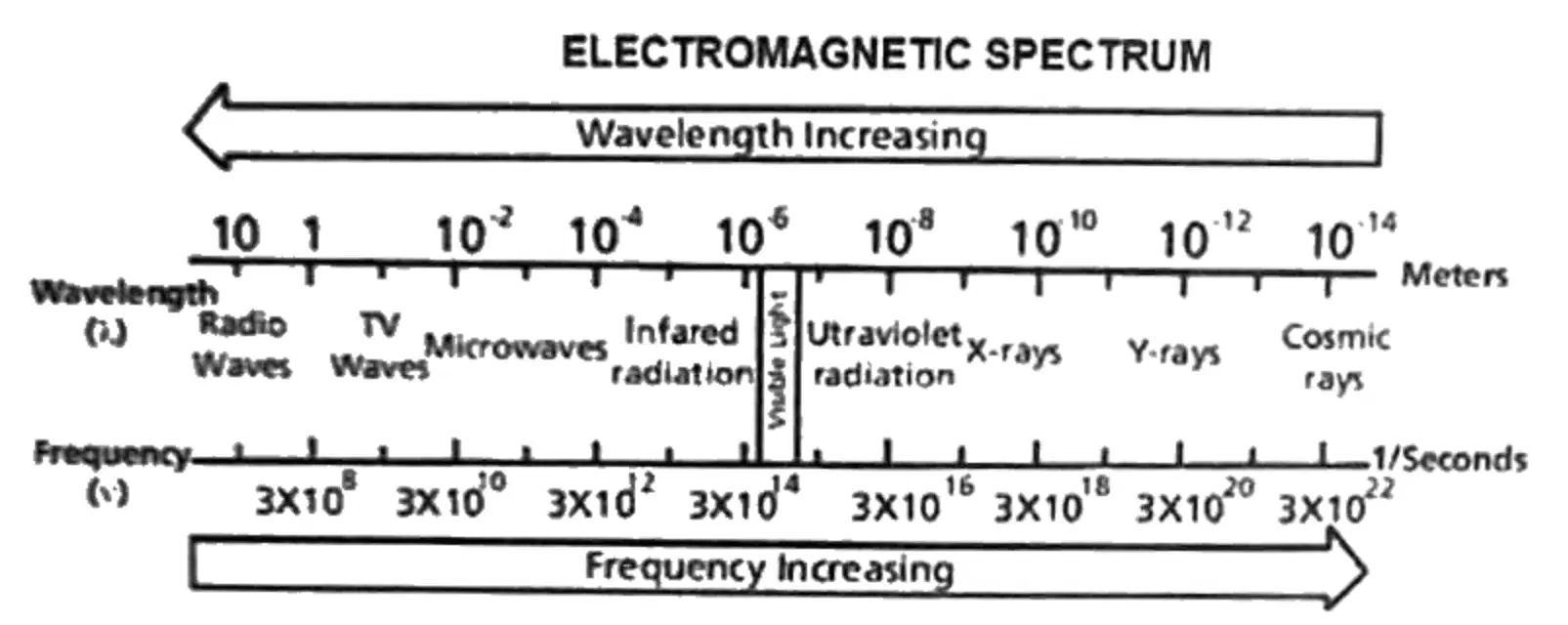
Which of these correctly shows types of radiation increasing in energy?
x-rays, ultraviolet radiation, microwaves, radio waves
microwaves, radio waves, x-rays, ultraviolet radiation
radio waves, microwaves, x-rays, ultraviolet radiation
radio waves, microwaves, ultraviolet radiation, x-rays
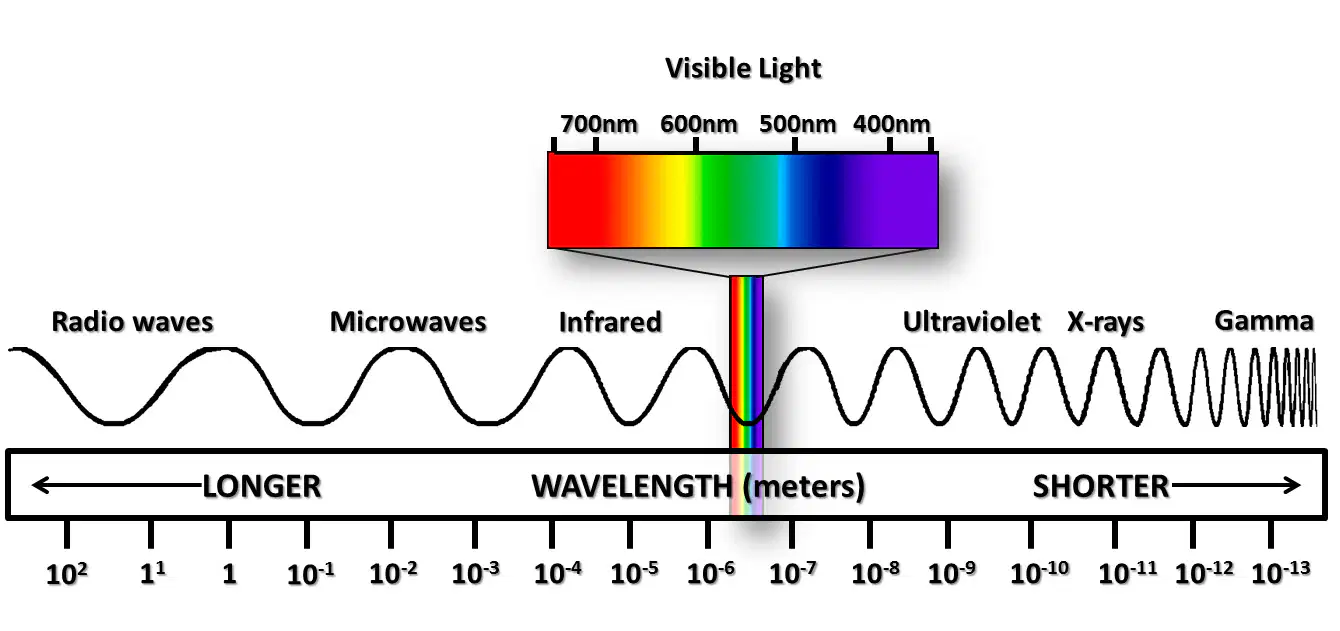
Which statement accurately compares a radio wave and an infrared wave?
A. A radio wave has a longer wavelength and a lower frequency than an infrared wave.
B. A radio wave has a longer wavelength and a higher frequency than an infrared wave.
C. A radio wave has a shorter wavelength and a lower frequency than an infrared wave.
D. A radio wave has a shorter wavelength and a higher frequency than an infrared wave.
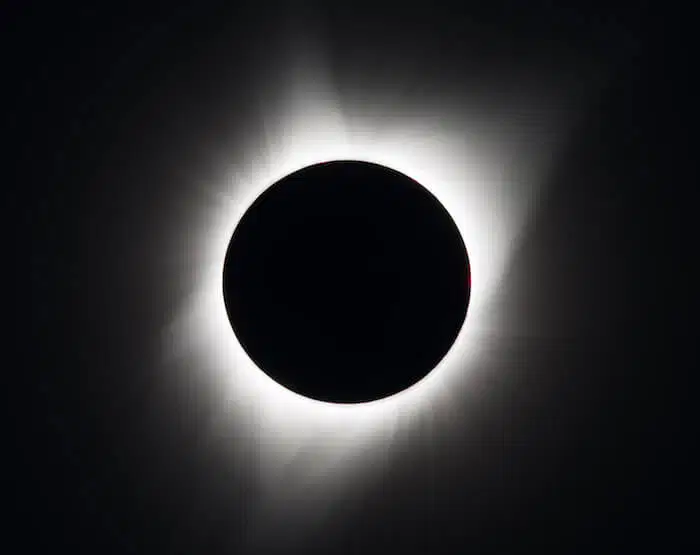
Which feature of the Sun can be viewed during a total solar eclipse?
core
corona
sunspot
convection zone

Which of the following is correct about Main Sequence stars?
The cooler a Main Sequence star is, the brighter it is.
The hotter a Main Sequence star it, the lower the absolute brightness is.
Red Main Sequence stars have a higher temperature than blue Main Sequence stars.
Blue Main Sequence stars have a higher absolute brightness than Red Main Sequence stars.
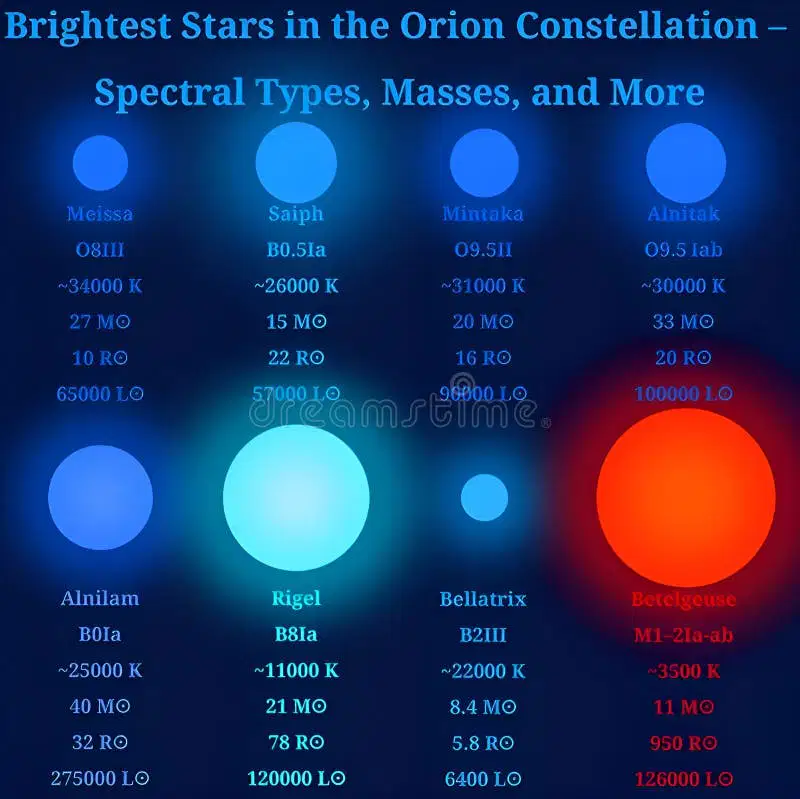
A star from each of the following groups is found in the table below: Blue Giant, Main Sequence, Red Supergiant, and White Dwarf.
Which star is the blue giant?
BELLATRIX -Temperature 22,000celsius / Brightness - 9,211 / Radius (size) 5.75
BETELGEUSE - Temperature 3, 500 / Brightness - 60,000 / Radius (size) 764
SIRIUS - Temperature 25,000 / Brightness - 0.026 / Radius (size) 0.008
Sun
Sirius B
Bellatrix
Betelgeuse
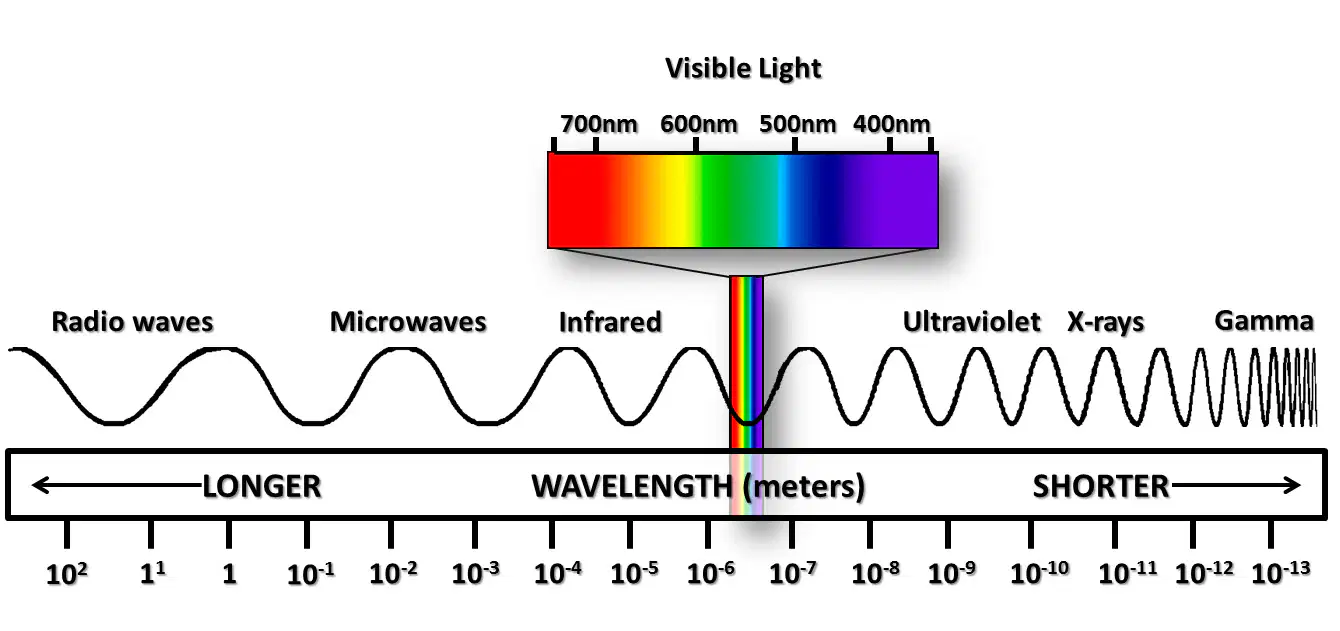
Which of the following best describes the relationship between the temperature and color of Main Sequence stars?
There is no relationship between temperature and color in Main Sequence stars.
Hotter Main Sequence stars appear bluer than cooler ones.
Cooler Main Sequence stars appear bluer than hotter ones.
Hotter Main Sequence stars appear redder than cooler ones.
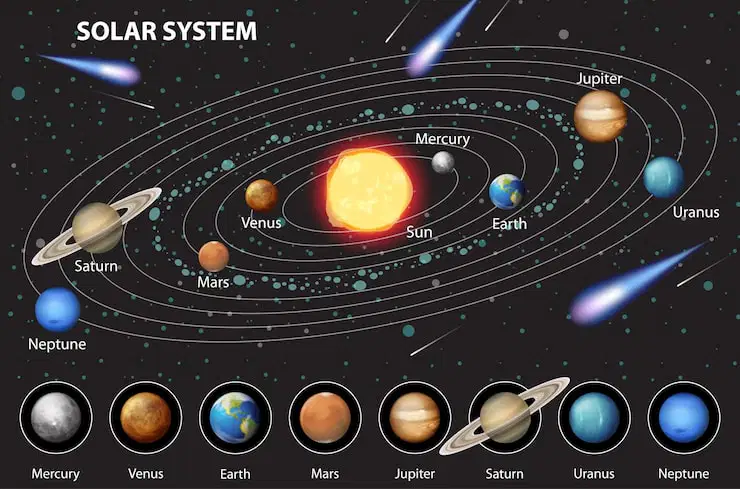
Which of the following objects is largest in size?
Sun
Earth
Milky Way
Solar System
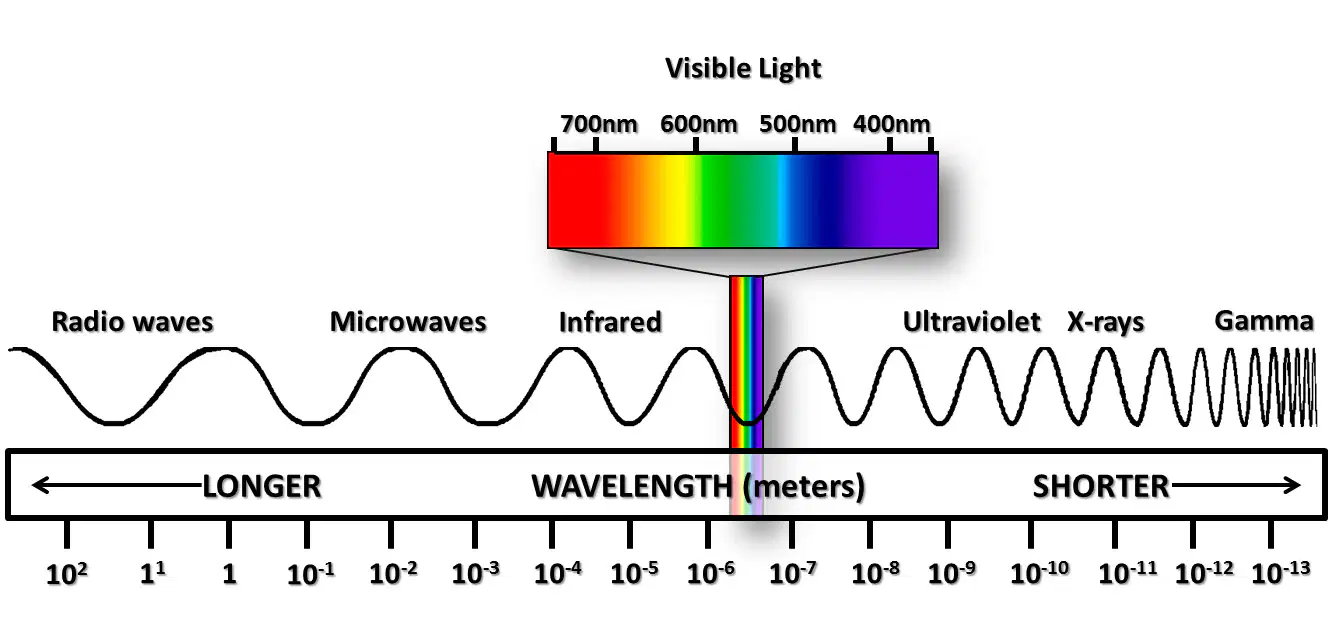
Which type of electromagnetic wave has the shortest wavelength?
Radio waves
X-rays
Infrared waves
Ultraviolet waves

Which of the following stars is most likely to have the highest surface temperature?
White Dwarf
Blue Giant
Main Sequence (Red)
Red Supergiant

Which type of electromagnetic wave has the longest wavelength?
Radio waves
X-rays
Infrared waves
Ultraviolet waves
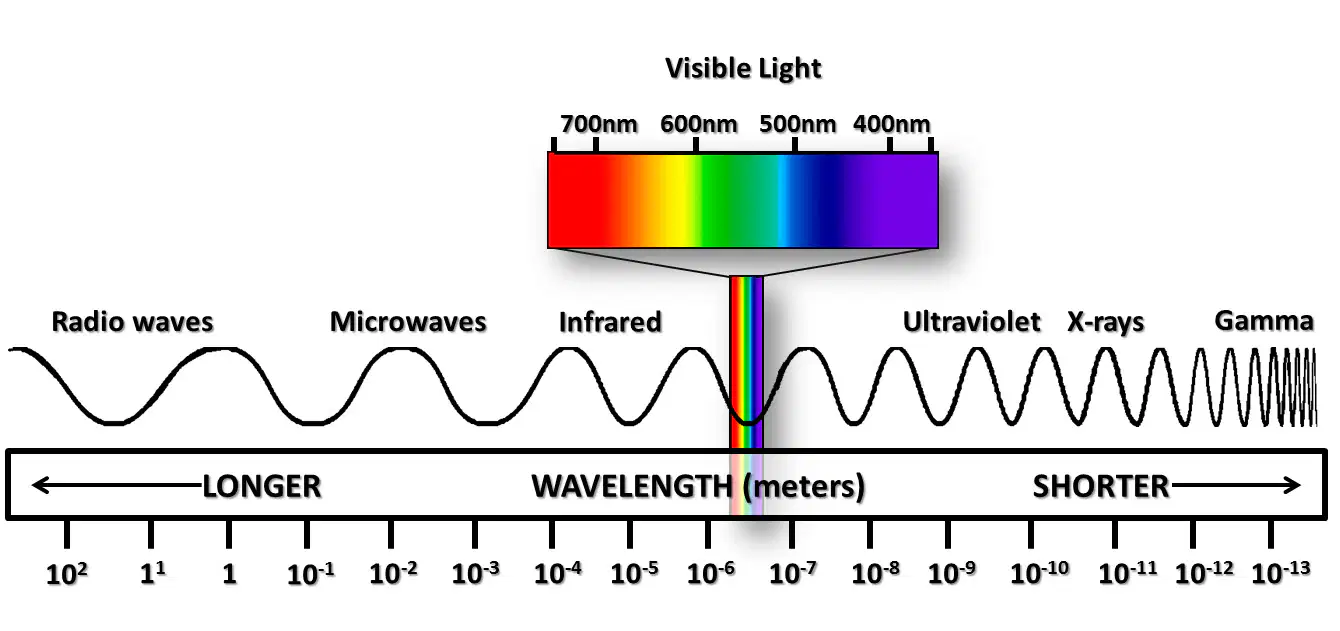
Which of the following best describes the relationship between wavelength and energy in the electromagnetic spectrum?
As wavelength increases, energy increases.
As wavelength decreases, energy increases.
Wavelength and energy are not related.
As wavelength decreases, energy decreases.
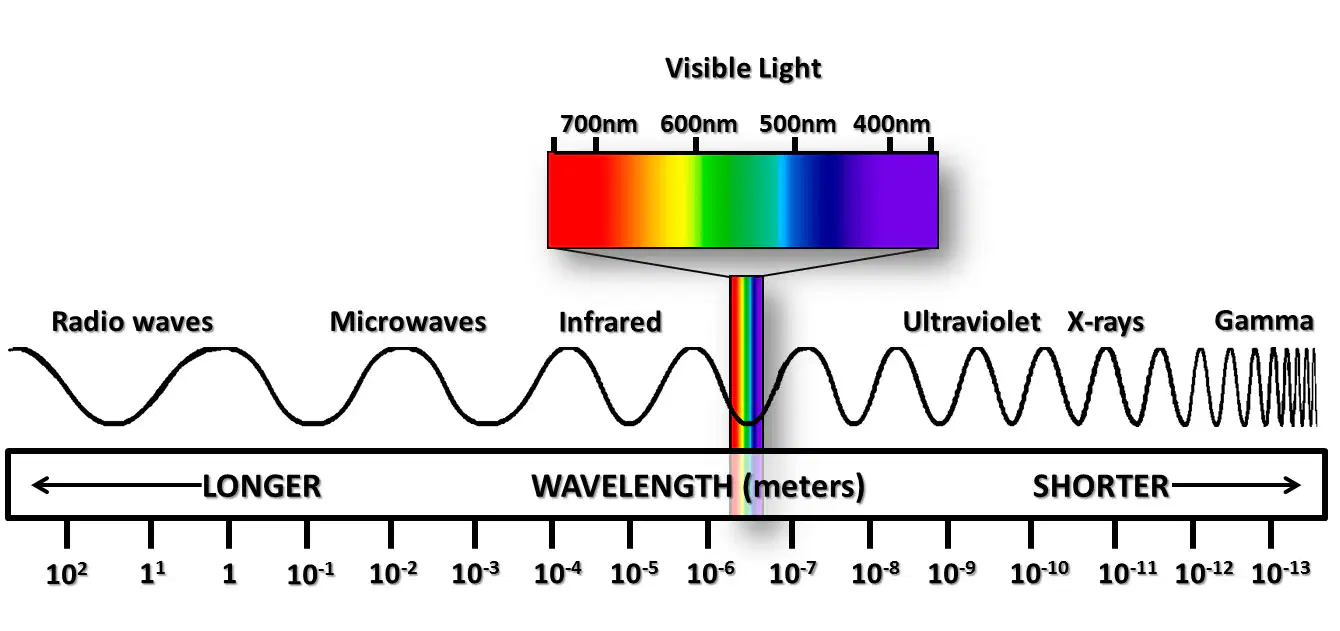
Which type of electromagnetic radiation has the highest frequency?
Gamma rays
Infrared waves
Radio waves
Microwaves

