
 Worksheets
Transport of Services Across the Country
Total questions: 37
Worksheet time: 19mins
Services such as gas, electricity, water, and telecommunications are transported to homes and businesses via a network of ________ and cables.
pipes
roads
tunnels
tracks
Services are transported across the country via a network of underground or overground pipes and cables that carry gas, electricity, water and telecommunications to both homes and businesses.
Gas
Electricity
Food
Water
Services are transported across the country via a network of underground or overground pipes and cables that carry gas, electricity, water and telecommunications to both homes and businesses.
True
False
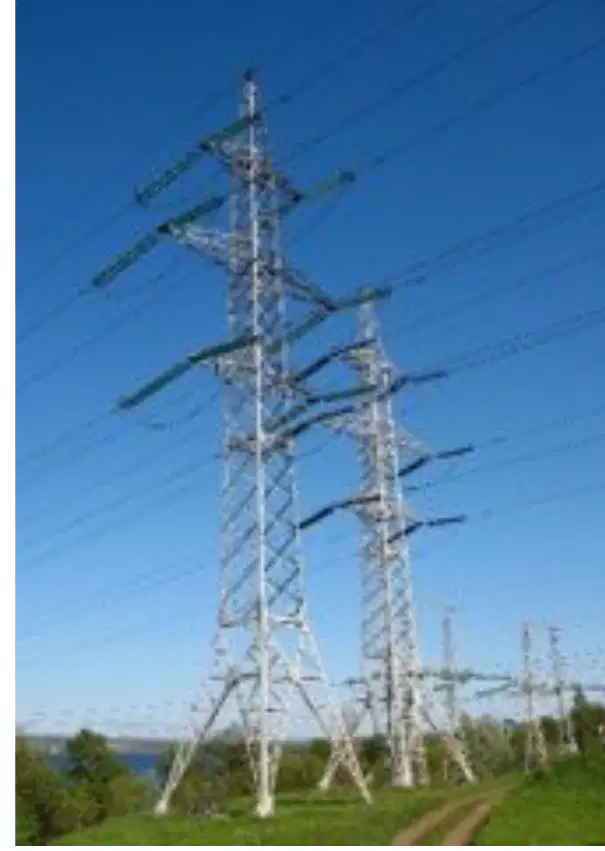
What is shown in the image?
Wind turbines
Pylons
Solar panels
Water towers
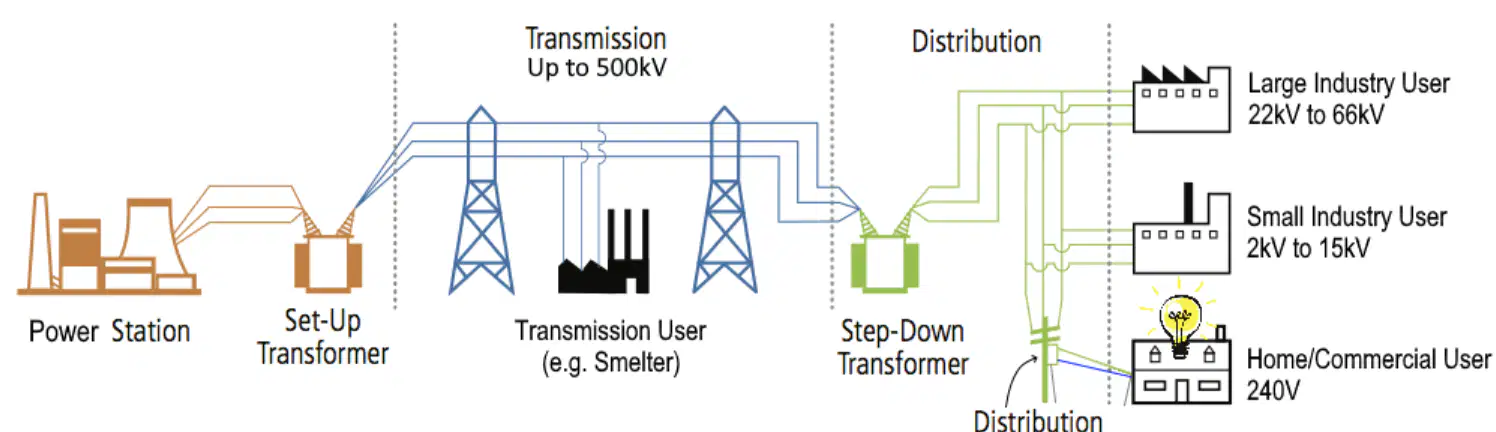
What is the correct sequence of steps in the transmission and distribution of electricity from the power station to a home/commercial user?
Power Station → Set-Up Transformer → Transmission → Step-Down Transformer → Distribution Transformer → Home/Commercial User
Power Station → Step-Down Transformer → Set-Up Transformer → Transmission → Distribution Transformer → Home/Commercial User
Power Station → Transmission → Set-Up Transformer → Step-Down Transformer → Distribution Transformer → Home/Commercial User
Power Station → Set-Up Transformer → Step-Down Transformer → Transmission → Distribution Transformer → Home/Commercial User
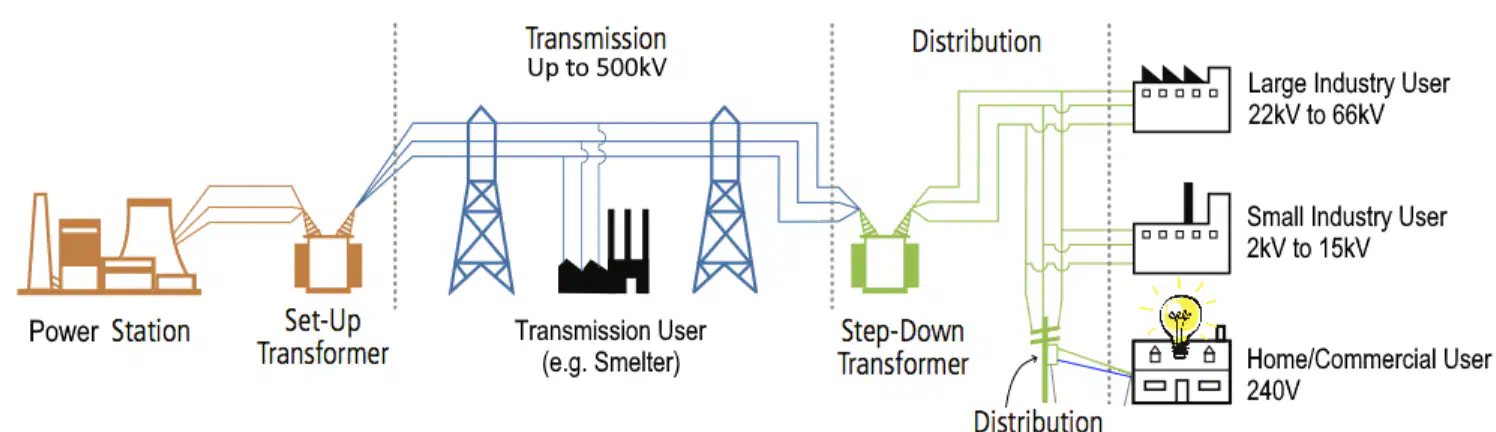
According to the diagram, what is the voltage supplied to a home/commercial user?
240V
110V
415V
12V
Pylons carry high voltage electricity from power stations to local substations before the voltage is stepped down for domestic use.
True
False
Fill in the blank: Pylons often carry electricity at voltages exceeding ______ volts from power stations to local substations.
765,000
10,000
50,000
120,000
Electricity and phone cables usually cross the country on which of the following?
Underground pipes
Overground poles
Underwater tunnels
None of the above
Water and gas are usually piped _________?
underground
overhead
through the air
on rooftops
True or False: Electricity and phone cables are usually piped underground.
True
False

Refer to the diagram showing SMS transmission via GSM phone/modem. Which of the following devices can receive an SMS from the SMS centre?
Pager
PDA
Laptop with SMS gateway
All of the above

In the mobile communication diagram, what is the role of the Mobile Switching Centre?
The Mobile Switching Centre routes the call from the caller to the receiver through the base stations and cells.
The Mobile Switching Centre charges the mobile phones in the network.
The Mobile Switching Centre manufactures mobile handsets for the network.
The Mobile Switching Centre provides internet services directly to users.

In the SMS transmission diagram, a Tablet/PC with SMS gateway can receive SMS messages from the SMS centre.
True
False

Which device initiates the call in the mobile communication diagram?
Receiver
Caller
Mobile Switching Centre
Base Station
Dams are designed to regulate the flow of water and to form reservoirs for domestic and commercial use, as well as to generate ________.
hydroelectricity
wind energy
solar power
geothermal energy
Temporary catchment areas are included in new developments' planning to prevent flooding caused by run-off. These areas hold back water to allow a slower release into _________.
main water courses
storm drains
sewage treatment plants
irrigation ditches
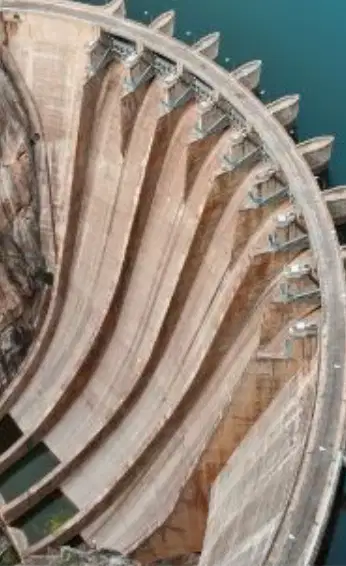
What is the main structure shown in the image?
Bridge
Dam
Tunnel
Skyscraper
Which function of dams is described as creating reservoirs for drinking water, irrigation, and industrial use?
Flood Control
Water Storage
Recreation
Environmental Management
Dams help manage water flow and reduce the risk of flooding downstream. What is this function called?
Hydroelectric Power
Recreation
Flood Control
Water Storage
Many dams generate electricity by harnessing the energy of flowing water. This process is known as ________.
Hydroelectric Power
Geothermal Energy
Solar Power
Wind Energy
Reservoirs provide opportunities for boating, fishing, and other recreational activities.
True
False
Dams can help maintain ecosystems by regulating water flow and quality. What is this function called?
Environmental Management
Water Storage
Flood Control
Hydroelectric Power
According to the diagram and text, what is the main purpose of dredging rivers and building levees, bunds, and weirs?
To increase the speed of water flow
To regulate water flow and reduce the risk of erosion and flooding
To deposit more silt in the riverbed
To lower the river level
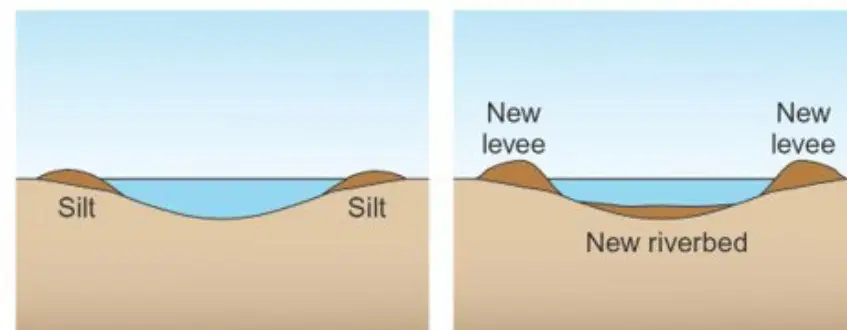
Fill in the blank: During floods, water is slowed at banks and ______ are deposited.
silts
rocks
leaves
branches
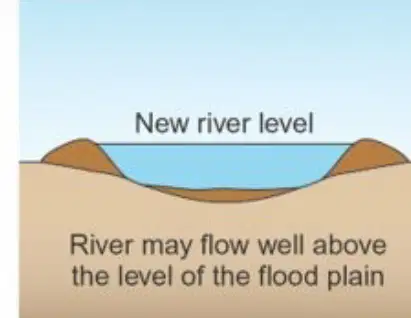
With each flood, the levees and the riverbed are built up, causing the river to flow well above the level of the flood plain.
True
False

What are flood plains? Fill in the blank: Flood plains are natural low-lying areas that naturally flood when ______ burst their banks after heavy rainfall.
rivers
mountains
forests
roads

Why are houses built on flood plains at an increased risk of flooding?
Because they are at an increased risk of flooding should the levees break.
Because flood plains are always dry and safe.
Because houses on flood plains are built higher than usual.
Because flood plains have less rainfall than other areas.

Flood plains are areas that are unlikely to flood even after heavy rainfall.
True
False

What is a weir?
A weir is a barrier built across a river or stream to alter its flow characteristics and manage water levels.
A weir is a type of fish found in freshwater rivers.
A weir is a device used to measure air pressure in the atmosphere.
A weir is a machine used for harvesting crops.
What is a bund?
A bund is an embankment or wall, usually made of earth, built to control or direct the flow of water.
A bund is a type of traditional Indian garment worn during festivals.
A bund is a tool used for measuring temperature in scientific experiments.
A bund is a species of bird found in tropical rainforests.

What is a levee?
A levee is a natural or artificial wall that blocks water from going where it is not wanted, often used to prevent flooding.
A levee is a type of bridge used to cross rivers.
A levee is a machine used to pump water from wells.
A levee is a type of dam that generates electricity.
What is a floodgate?
A floodgate is a gate designed to control water flow in flood barriers, levees, or dams.
A floodgate is a device used to measure air pressure in weather stations.
A floodgate is a tool for digging trenches in construction sites.
A floodgate is a type of bridge used for crossing rivers.
What is a barrier in the context of water management?
A barrier is a structure built to stop or control the flow of water, often to prevent flooding or protect land.
A barrier is a type of water purification device used in treatment plants.
A barrier is a measurement tool for water quality.
A barrier is a natural water source such as a river or lake.

What is a weir? Fill in the blank: A weir is a small dam designed to regulate the flow of water to help prevent _______.
erosion
flooding of crops
water pollution
fish migration

What is the main purpose of a weir?
To generate electricity
To regulate the flow of water and help prevent erosion
To provide drinking water
To create fish habitats
Fill in the blank: A ______ is a wall built of stone or soil formed into an embankment that holds back water.
bund
canal
dam
levee

