
 Worksheets
Science 2.5 Q2
Total questions: 15
Worksheet time: 8mins
What is the focus of the lesson according to the learning competency?
Understanding chemical reactions in cells
Describing the levels of biological organization from cell to biosphere
Learning about animal behavior
Studying the water cycle
Which of the following is a key objective of learning about the organization of life?
To describe the organization of life into complex hierarchical levels.
To memorize the names of all living organisms.
To learn only about plant life.
To focus only on the chemical composition of cells.
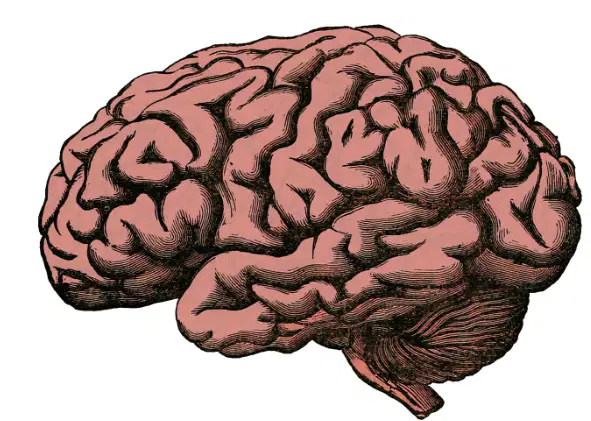
Which of the following is an example of an organ?
The brain
Blood
Skin cell
Oxygen
Why is the brain considered an organ?
It is made up of only one type of tissue
It is a system of tissues grouped together to perform a common function
It is the largest part of the body
It is not made of tissues

Which of the following is NOT a basic life process performed by an organism?
Taking in food
Getting rid of waste
Responding to the environment
Rusting
What is a population in biological terms?
A group of organisms of the same species living in a particular area.
A group of different species living together.
A single organism living alone.
A group of plants and animals in a forest.
Which of the following statements is true about populations in an area?
Different populations can live in the same area.
Only one population can live in an area at a time.
Populations cannot share the same habitat.
Populations always compete and cannot coexist.
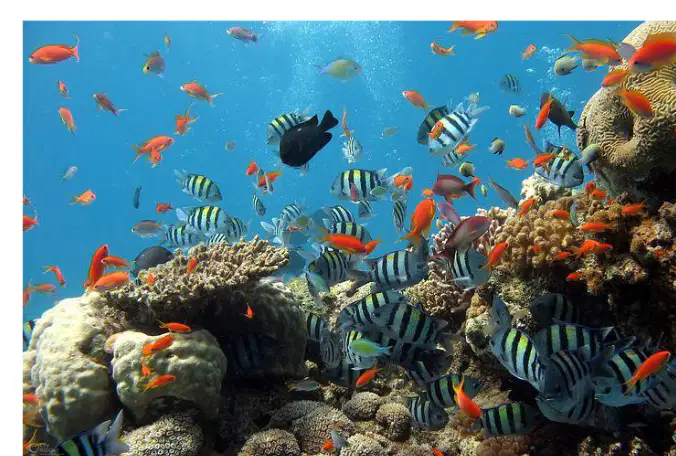
A coral reef is an example of which of the following?
A single population
A community
An individual organism
A non-living environment
What is formed when nonliving components like rocks, water, air, and soil are combined with living things?
Habitat
Population
Ecosystem
Community
What are nonliving components of an ecosystem called?
Biotic factors
Abiotic factors
Producers
Consumers
The difference between abiotic and biotic factors in an ecosystem is:
Abiotic factors are living, biotic factors are nonliving.
Abiotic factors are nonliving, biotic factors are living.
Both abiotic and biotic factors are living.
Both abiotic and biotic factors are nonliving.
Why is metabolism important for living organisms?
It helps them to see better.
It allows them to break down and build up components needed for life.
It helps them to move faster.
It allows them to grow taller.
Which of the following is the fundamental unit of living organisms?
Organ
Tissue
Cell
Organ system
What is a group of similar cells that work together to carry out a specific function called?
Organ
Tissue
Organ system
Organism
Which statement best describes an organ?
A group of similar cells that work together
A system of tissues grouped together to perform a common function
The fundamental unit of living organisms
A higher level of organization that consists of different organs

