
 Worksheets
Colonial South Carolina Economic Devt and the Stono Rebellion
Total questions: 15
Worksheet time: 8mins
Enslaved Africans' economic contribution primarily:
Was insignificant to colonial prosperity
Formed the primary labor force
Was limited to minor agricultural tasks
Occurred only in urban settings
The rebellion revealed fundamental tensions between:
Native Americans and colonists
Enslaved people and colonial power structures
Different European settler groups
Urban and rural populations
How did the Stono Rebellion reflect the broader tensions of slavery in colonial South Carolina?
It demonstrated complete contentment with the existing social system
It showed the desperate desire for freedom among enslaved Africans
It proved that slavery was a harmonious institution
It indicated no significant conflict between enslaved people and slave owners

How did the plantation economy impact the social division of South Carolina's colonial population?
It created equal economic opportunities for all residents
It established a rigid social class based on land and slave ownership
It promoted widespread small-scale farming
It encouraged rapid urban development
Which population suffered most from the colonial economic plantation system?
European colonists
Native Americans
Enslaved Africans
Free mixed-race individuals
The Stono Rebellion's immediate consequence was:
Complete social transformation
Increased legal protections for enslaved people
Stricter control and punishment mechanisms
Immediate abolition of slavery
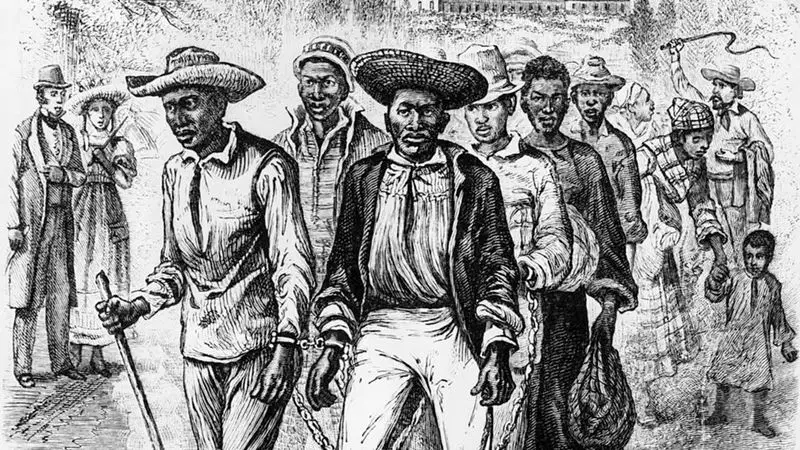
The Stono Rebellion primarily demonstrated:
Peaceful negotiation between enslaved people and colonists
The complete stability of the colonial labor system
Enslaved Africans' resistance to systemic oppression
Successful integration of different racial groups
How did rice cultivation impact the colony's demographic composition?
It had no significant demographic effect
It increased European immigration
It led to massive importation of enslaved Africans
It reduced overall population growth
The Stono Rebellion represented:
A) A minor, inconsequential event
B) A significant act of resistance
C) A peaceful negotiation
D) A successful revolution
Economic development in South Carolina most significantly:
Promoted social mobility
Created a highly divided society based on land ownership
Eliminated racial distinctions
Encouraged small-scale entrepreneurship
The economic system's long-term impact on social relationships was:
Complete racial integration
Development of a racial division based on wealth and colour
Elimination of economic disparities
Immediate social equality
How did the Stono Rebellion impact colonial legislation?
It had no significant legal consequences
It immediately abolished slavery
It led to more restrictive slave codes
It created equal rights for enslaved people
Which economic factor most significantly influenced South Carolina's colonial development?
Fur trading
Timber production
Rice and indigo cultivation
Maritime commerce
The plantation economy's labor system primarily:
Relied on voluntary workers
Depended on enslaved African labor
Used primarily European indentured servants
Employed local Native American populations
What was the primary motivation behind the Stono Rebellion of 1739?
To negotiate better working conditions with plantation owners
To seek immediate freedom and escape slavery through armed revolt
To protest British colonial taxation policies
To establish a new independent settlement in South Carolina

