
 Worksheets
Midterm Exam- A SPRING 2026
Total questions: 28
Worksheet time: 14mins
Name
Class
Date
1.
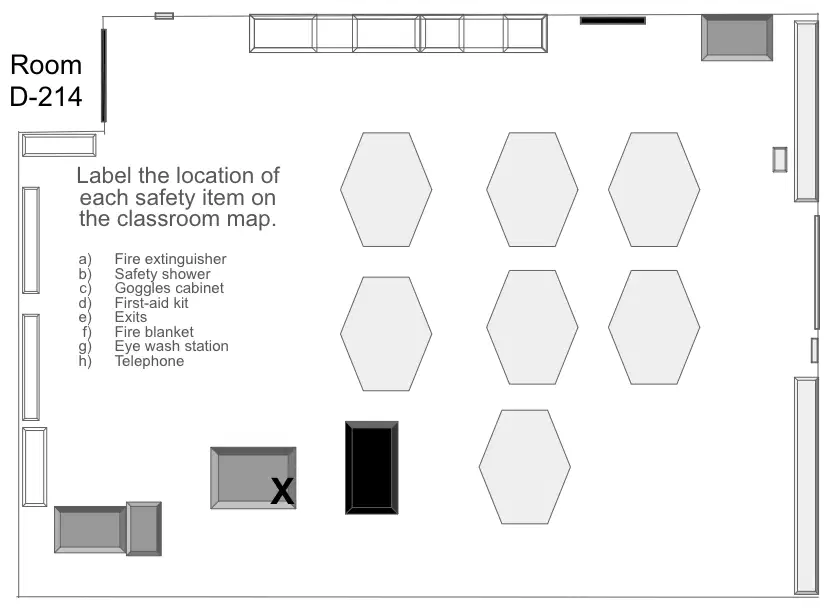
What is located at the location marked with an "X"?
a)
Fire extinguisher
b)
Safety shower
c)
Emergency gas switch
d)
Fire blanket
2.
Which of the following shows measurement conversions done correctly?
a)
b)
3.
Indicate the number of significant figures in the following number: 78300
a)
four sig figs
b)
three sig figs
c)
two sig figs
d)
one sig fig
4.
Round the following calculator answer to the correct number of sig figs: 50.2 * 53=2660.6 (HINT:count the sig figs in the problem first...)
a)
2660. to four sigfigs
b)
2660 to three sigfigs
c)
2700 to two sigfigs
d)
3000 to one sigfig
5.
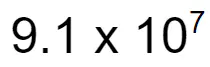
What is the correct standard notation for the following number:
a)
910
b)
910000
c)
91000000
6.
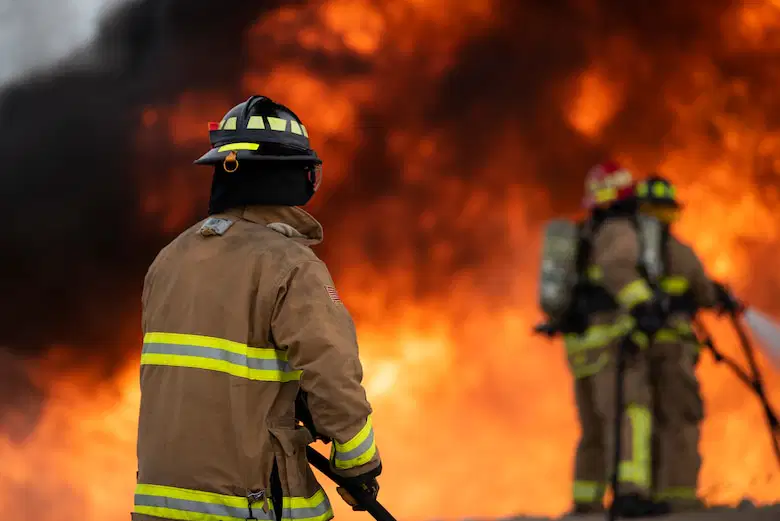
How will the heat transfer in this example?
a)
From the lower temperature of the men to the higher temperature of the fire
b)
From the higher temperature of the fire to the lower temperature of the men
7.
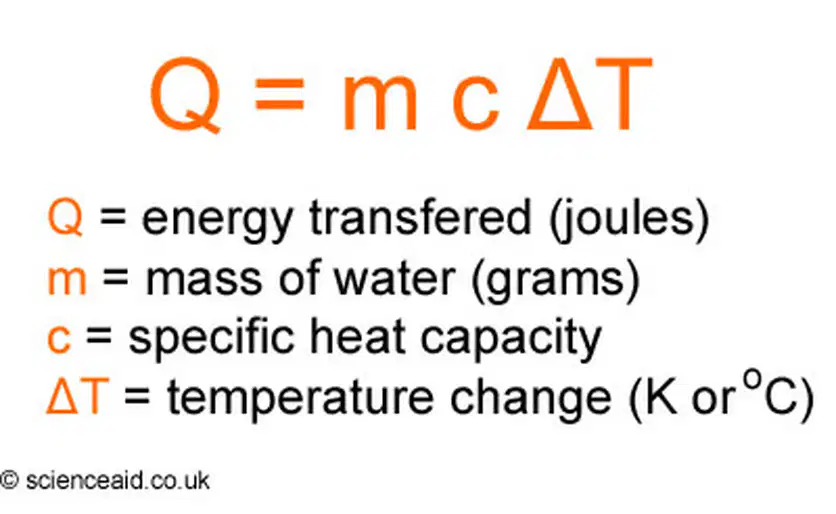
A 700.0 gram cube of lead is heated from 15.0 °C to 80.0°C. How much energy was required to heat the lead? The specific heat (c) of lead is 0.129 J/g°C
a)
7630 J
b)
6591 J
c)
5870 J
d)
4,567J
8.
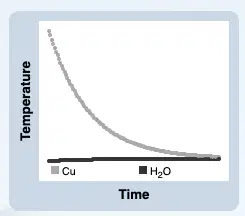
Use the following graph from the calorimetry experiment to answer the following question:
a)
The cold water increased more in temperature than the metal
b)
The metal increased more in temperature than the cold water
c)
The metal decreased more in temperature than the cold water
d)
The metal and cold water experienced the same amount of change
9.

Which state of matter correctly matches the model shown:
a)
Solid
b)
Liquid
c)
Gas
10.
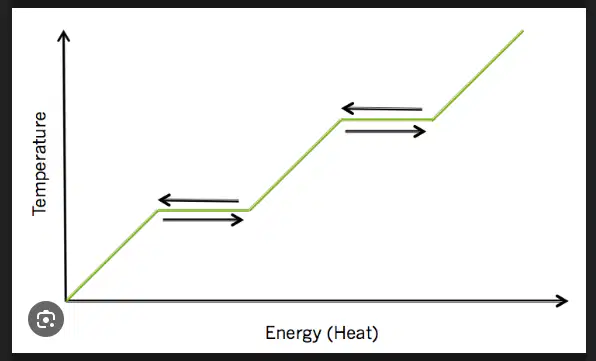
When reading a phase change diagram that shows temperature and energy a flat line with a slope of zero indicates .....
a)
a liquid
b)
a phase change
c)
an increase in temperature
d)
an increase in pressure
11.
What does it mean to say that two variables are directly proportional?
a)
Neither one affects the other
b)
When one increases, the other decreases
c)
Both their values increase together
d)
When one decreases, the other increases
12.
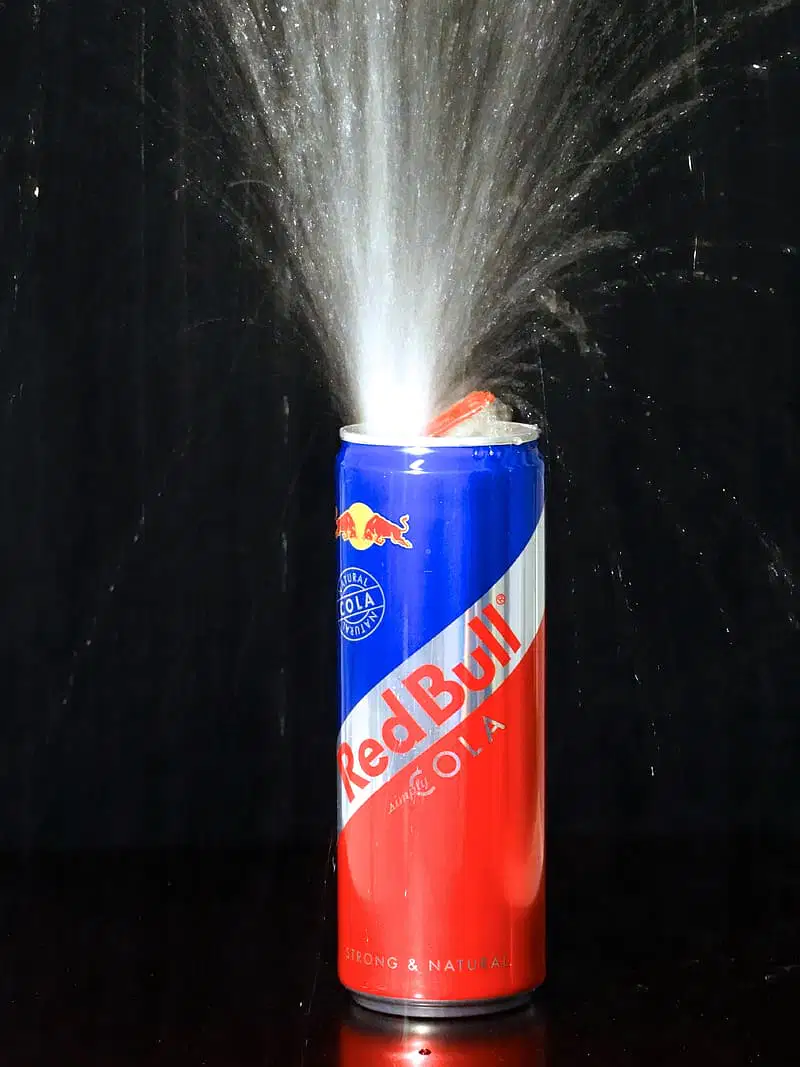
Which of the following correctly describes Gay-Lussac's Gas Law?
a)
Pressure of a gas is directly proportional to its Kelvin temperature with a constant volume and number of particles
b)
Volume of a gas is directly proportional to its Kelvin temperature with a constant pressure and number of particles
c)
Pressure and volume of a gas are inversely proportional to each other with constant temperature and number of particles
d)
Number of particles in directly proportional to its volume with a constant temperature and pressure
13.
Which of the following best explains why doubling the temperature of a gas in a closed vessel doubles the pressure?
a)
Increasing the temperature increases the size of the gas molecules, which then can put more pressure on the vessel walls.
b)
Increasing the temperature decreases the volume, causing molecules to strike the vessel walls more frequently.
c)
Increasing the temperature causes gas molecules to collide more often and with enough force to displace electrons.
d)
Increasing the temperature causes gas molecules to move more rapidly, striking the vessel walls more frequently and with greater force.
14.
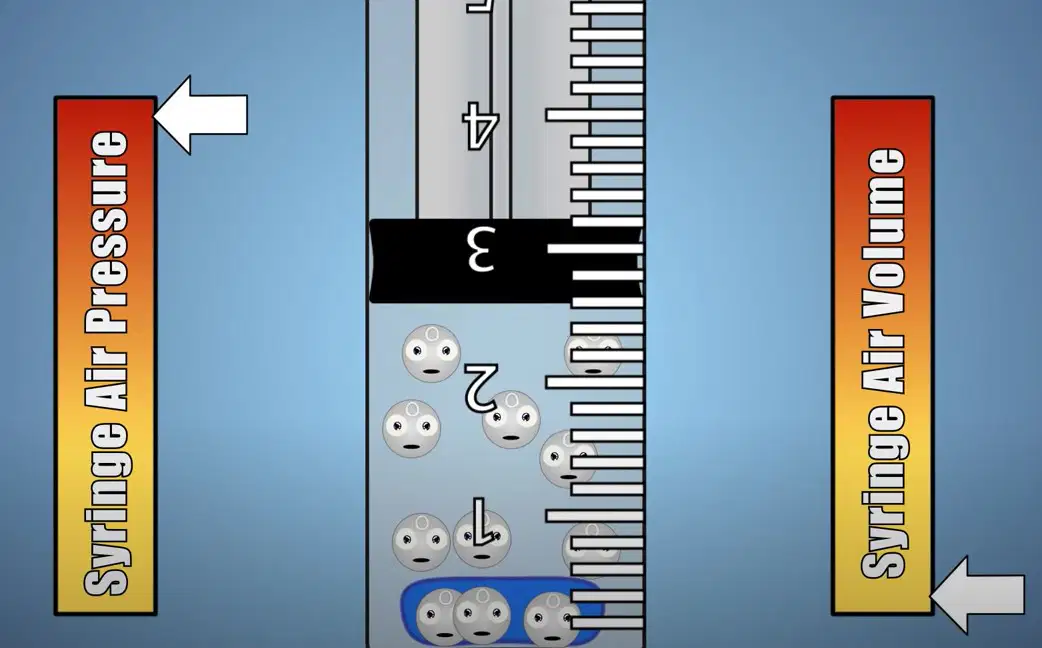
Based on the Sci guy's demonstrations, what law was shown with the following example of a syringe and a balloon?
a)
Boyles
b)
Charles
c)
Gay Lussacs
15.
Use Dalton's Law of Partial Pressures to solve the following problem. The partial pressures of gases A, B, and C in a mixture are 0.15 atmospheres, 0.35 atmospheres, and 5.2 atmospheres, respectively. What is the total pressure of the gas mixture?
a)
5.7 atm
b)
4.2 atm
c)
3.2 atm
d)
3.0 atm
16.
Use the Combined Gas Law to solve the following problem. A gas has a volume of 5.4 liters at a temperature of 415 K and a pressure of 760 mm Hg. What will be the volume when the temperature is changed to 356 K and the pressure is changed to 380 mm Hg? (Formula: P1V1/T1=P2V2/T2)
a)
8.2 L
b)
9.3 L
c)
10.5 L
d)
12.7 L
17.

This famous scientist used the cathode ray tube experiment to support his idea that the atom has negative electrons floating in a "plum-pudding" model.
a)
Democritus
b)
Dalton
c)
Thomson
d)
Rutherford
18.
Which of the following subatomic particles is the one that is equal to the atomic number?
a)
Protons
b)
Neutrons
c)
Electrons
19.
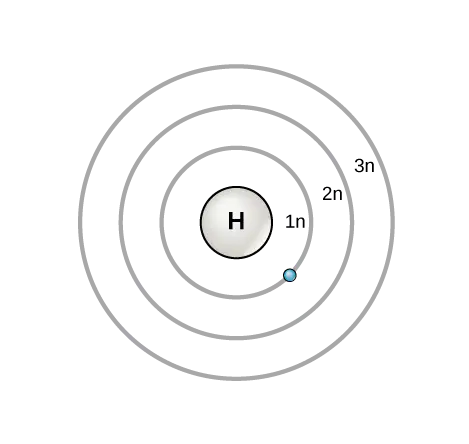
What does a Bohr model show about atomic structure?
a)
The atom has a dense nucleus and a lot of empty space
b)
The atom has electrons that have determined energy levels
c)
The atom has negative electrons in a positive mass
d)
The atom is indivisible
20.
Which shows a correct Lewis Dot structure for the element Bromine?
a)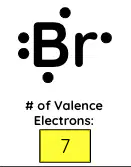
b)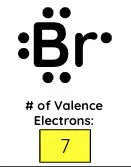
c)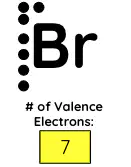
d)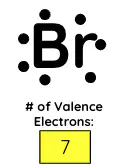
21.
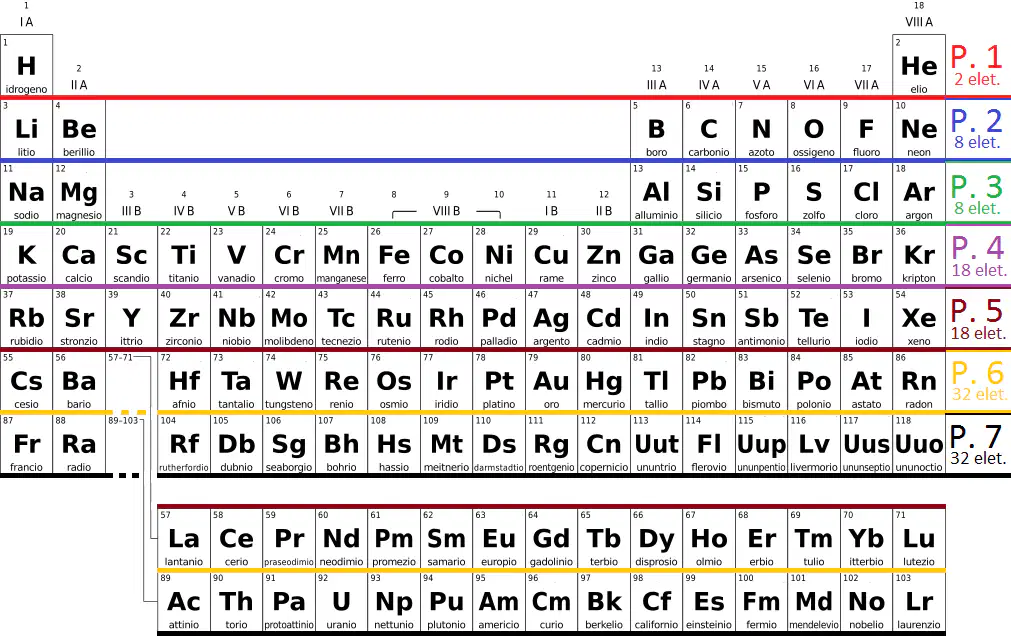
What does the a period in the periodic table tell us about the elements in that row?
a)
The number of valence electrons
b)
The number of energy levels
c)
Elements that have similar properties
d)
The oxidation numbers of the elements
22.
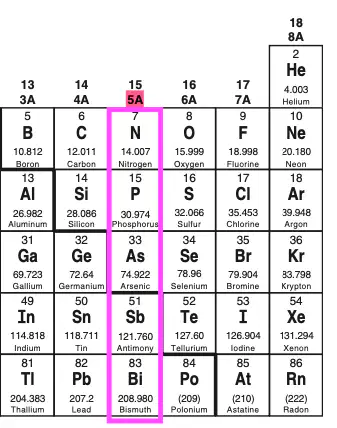
What does the group number "5A" tell us about the elements in that group?
a)
The number of energy levels
b)
The number of protons
c)
The number of valence electrons
d)
The atomic number
23.
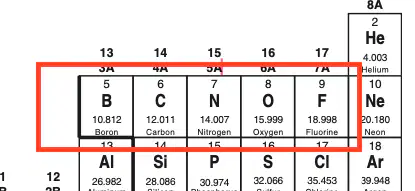
Which of the following elements has less ionization energy and electronegativity than the other elements in the boxed in section? ?
a)
Boron
b)
Carbon
c)
Oxygen
d)
Fluorine
24.
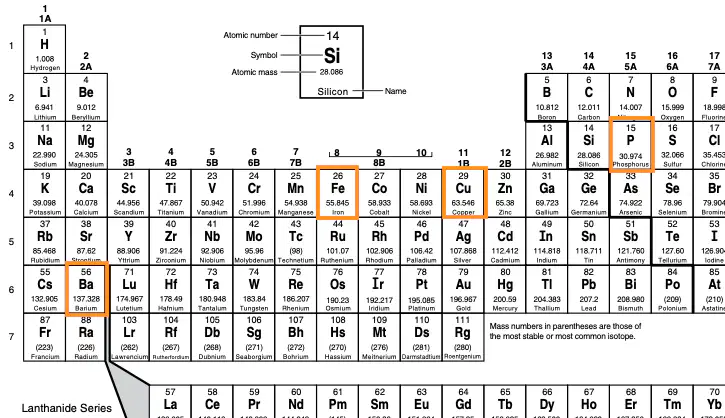
Use the following part of the periodic table. Which correctly lists the elements in order of increasing electronegativity (from least to greatest)?
a)
1 Barium 2 Iron 3 Phosphorus 4 Copper
b)
1 Iron 2 Phosphorus 3 Copper 4 Barium
c)
1 Barium 2 Iron 3 Copper 4 Phosphorus
d)
1 Phosphorus 2 Copper 3 Iron 4 Barium
25.
How do we calculate the average atomic mass of three different isotopes of an element?
a)
Add the three masses and divide by 3 then multiply by 100
b)
Divide the atomic mass on the periodic table by 3 then multiply by the percent abundance
c)
Multiply each atomic mass of the isotopes by their percent abundance written as a decimal then add
d)
Subtract each atomic mass of the isotope from the average atomic mass on the periodic table
26.
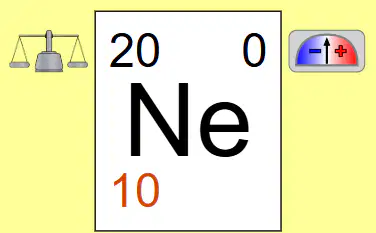
Based on the information in the isotope notation, how many neutrons does this isotope of Neon contain?
a)
10 neutrons
b)
11 neutrons
c)
12 neutrons
d)
Cannot tell with this information
27.
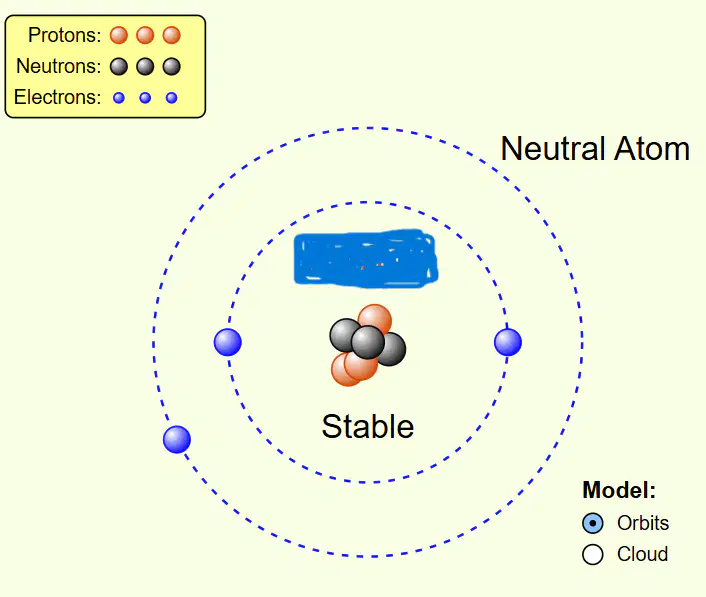
The following Bohr model is an isotope of which element?
a)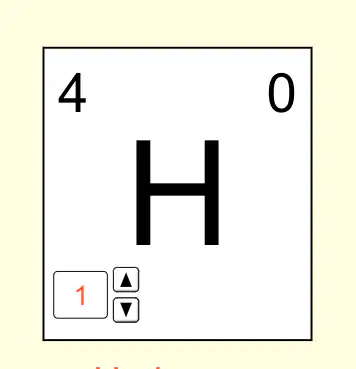
Hydrogen
Hydrogen
b)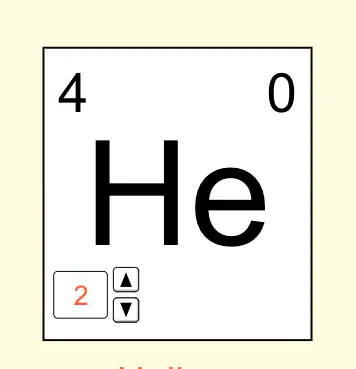
Helium
Helium
c)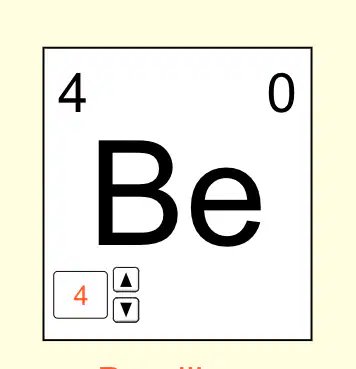
Berylium
Berylium
d)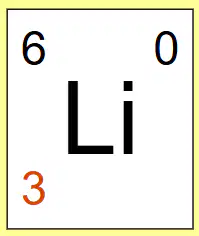
28.
What is the average atomic mass of Neon, given that it has Ne-20 with a mass of 19.992 amu (90.51%), Ne-21 with a mass of 20.993 amu (0.27%), Ne-22 with a mass of 21.991 amu (9.22%). (Round to the hundredths place)
a)
19.20 amu
b)
20.18 amu
c)
35.26 amu
d)
45.21 amu
100 %

