
 Worksheets
SS1 Government mid-term test
Total questions: 23
Worksheet time: 13mins
A type of government with unlimited power passed down from parent to child with a leader called king, queen, emperor or emir
Absolute Monarchy
Constitutional Monarchy
Dictatorship
Democracy
What type of government is ruled by force?
Theocracy
Democarcy
Dictatorship
Constitutional Monarchy
All governments have legislative power. This is the power to____.
make laws
carry out laws (enforce laws)
interpret laws (decide what the laws mean and if they have been broken)
In which form of government do citizens have freedoms of religion and speech, and the right to criticize the government?
democracy
theocracy
absolute monarchy
How many tiers of government are there in Nigeria's federal system?
A) 2
B) 3
C) 4
D) 5
This plan provides the rules for government.
constitution
confederacy
Preamble
politics
Which branch of government enforces laws?
Legislative
Executive
Judicial
Federal
What is the definition of government?
An organization that enforces laws and policies
A group of people who share a common culture
A system of economic exchange
A type of social gathering
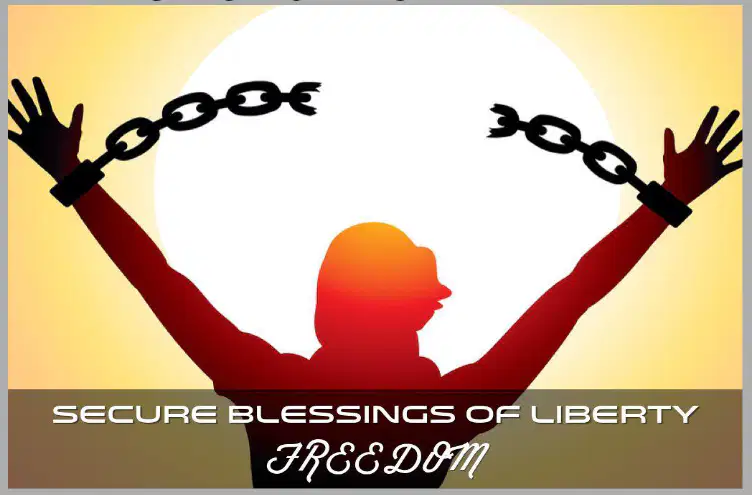
What is one of the purposes of government as depicted in the image?
To maintain order
To secure the blessings of liberty
To provide public services
To enforce laws
What is the primary role of the government as described in the text?
To create and enforce public policies
To manage economic resources
To provide healthcare services
To control educational institutions
When did Nigeria return to civilian rule after the period of military dictatorship under Sani Abacha?
1995
1998
1999
2001
During which years did Nigeria experience the Second Republic?
1975-1979
1979-1983
1983-1985
1985-1993
When did the Nigerian Civil War start and end?
1967-1970
1960-1963
1975-1978
1980-1983
One of the following is not a state in Nigeria __________________.
Sokoto
Ikeja
Benue
One of the following is not a state in Nigeria __________________.
Sokoto
Ikeja
Benue
One of the following is not a state in Nigeria __________________.
Sokoto
Ikeja
Benue

