
 Worksheets
2.02 Muscular System Review
Total questions: 94
Worksheet time: 47mins
Skeletal muscles are found on ________.
bones
skin
hair
nails
Cardiac muscles are found only in the ________.
heart
lungs
liver
kidneys
Smooth muscles are found in ________ and blood vessels.
internal organs
bones
skin
cartilage
Sphincter muscles are special circular muscles that open and close to allow ________ of substances.
passage
digestion
absorption
secretion
Which type of muscle contracts when you actively think about using them?
Voluntary Muscles
Involuntary Muscles
Challenge: Identify the type of muscles that may be both voluntary and involuntary.
Skeletal muscles
Smooth muscles
Cardiac muscles
Diaphragm muscles
What is the term for movement away from the midline?
Abduction
Adduction
Flexion
Extension
What is the term for movement toward the midline?
Adduction
Abduction
Extension
Flexion
What is the act of increasing the angle between two bones, straightening motion called?
Extension
Flexion
Rotation
Abduction
What is the act of decreasing the angle between two bones, bending motion called?
Flexion
Extension
Rotation
Abduction
What is the movement called when there is a rotation of the hand and forearm so that the palm faces downward?
Pronation
Supination
Flexion
Extension
What is the movement called when the palm is facing up or when walking the weight is on the outside of the foot?
Supination
Pronation
Flexion
Extension
What is the function of an agonist muscle?
Produces movement in the opposite direction of prime mover
Contracts the muscle to cause movement
Relaxes the muscle
Stabilizes the joint
Fill in the blank: An antagonist muscle produces movement in the ______ direction of the prime mover.
opposite
same
forward
downward
In the provided diagram, which muscle is labeled as the agonist?
The muscle on the front of the upper arm (biceps) is labeled as the agonist.
The muscle on the back of the upper arm (triceps) is labeled as the agonist.
The muscle on the front of the thigh (quadriceps) is labeled as the agonist.
The muscle on the back of the lower leg (gastrocnemius) is labeled as the agonist.
What is the term for the wasting away of muscle usually due to not being used?
Atrophy
Hypertrophy
Dystrophy
Myopathy
What is the definition of Hypertrophy?
Growth and development of muscle
Loss of muscle mass
Decrease in bone density
Reduction in joint flexibility
Increase in fat tissue
What is Muscle Fatigue?
Inability to generate force, muscle exhaustion
Sudden increase in muscle strength
Complete relaxation of all muscles
Rapid muscle growth
Which diagram shows an atrophied muscle?
Left
Right
What is a tendon? Fill in the blank: A tendon is a ________ that extends off a muscle or muscle group and allows a muscle to attach and connect to bone.
fibrous tissue
cartilage
nerve fiber
blood vessel
Challenge: What is the name of this tendon? Which muscle is it connecting to the calcaneous bone of the heel?
Achilles tendon; Gastrocnemius muscle
Patellar tendon; Quadriceps muscle
Plantar fascia; Soleus muscle
Flexor retinaculum; Tibialis posterior muscle
Is the deltoid muscle located on the anterior, posterior, or both sides of the body?
Anterior
Posterior
Both
The muscle located on the front of the upper arm is called ________.
biceps brachii
triceps brachii
deltoid
latissimus dorsi
What is the function of the Orbicular oris muscle?
Closes the eyelids
Encircles the mouth
Chewing muscle of the jaw
Moves eyebrows up and wrinkles the forehead
Which muscle closes the eyelids?
Orbicular oris
Orbicular oculi
Masseter
Frontalis
The Masseter is the ________ muscle of the jaw.
chewing
breathing
hearing
smiling
Which muscle moves the eyebrows up and wrinkles the forehead?
Orbicular oris
Orbicular oculi
Masseter
Frontalis
Which muscle is responsible for chewing and covers the temporal bone?
Zygomaticus major
Sternocleidomastoid
Temporalis
Masseter
Which muscle is known as the smiling muscle?
Temporalis
Zygomaticus major
Sternocleidomastoid
Trapezius
Which muscle rotates the head and flexes the neck?
Temporalis
Zygomaticus major
Sternocleidomastoid
Masseter
Which muscle is located on each side of the waist and contracts to flex your trunk to the side?
External Oblique
Internal Oblique
Latissimus Dorsi
Rectus Abdominus
Which muscle assists with twisting the trunk and respiration and is located below the external obliques on each side of the waist?
External Oblique
Internal Oblique
Latissimus Dorsi
Rectus Abdominus
Which muscle is the largest in the upper body, located in the lower back, and works opposite of the rectus abdominus to stabilize the core and extend the waist?
External Oblique
Internal Oblique
Latissimus Dorsi
Rectus Abdominus
What is the function of the Rectus Abdominus muscle?
They help flex your waist/abdomen.
They help extend your knee.
They help rotate your shoulder.
They help dorsiflex your foot.
Which muscle separates the thoracic and abdominal cavities and contracts when you inhale?
Diaphragm
Biceps
Quadriceps
Trapezius
Which muscle assists the lungs by raising the ribcage?
External intercostals
Rectus abdominis
Biceps brachii
Gastrocnemius
Which muscle assists with arm movements and motion, such as horizontal shoulder flexion when doing a push-up?
Trapezius
Deltoid
Pectoralis Major
Biceps
Which muscle supports the arm and scapula stabilization and helps to adduct the shoulder?
Deltoid
Trapezius
Pectoralis Major
Latissimus Dorsi
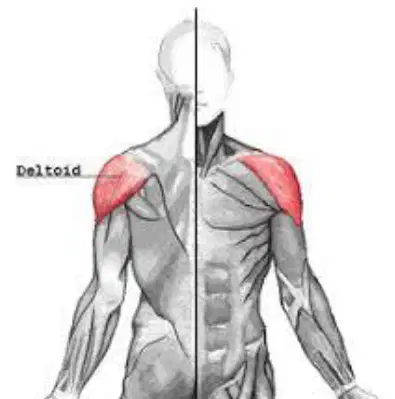
Which muscle helps lift (abduct) the upper arm?
Pectoralis Major
Trapezius
Deltoid
Biceps
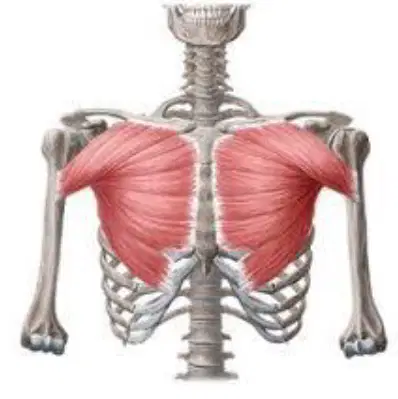
The ________ muscle assists with arm movements and motion, such as horizontal shoulder flexion when doing a push-up.
Pectoralis Major
Biceps Femoris
Rectus Abdominis
Gastrocnemius
The ________ muscle helps lift (abduct) the upper arm.
Deltoid
Biceps brachii
Trapezius
Pectoralis major
Which muscle is located in the anterior upper arm and flexes the elbow toward the forearm?
Biceps brachi
Triceps brachi
Brachioradialis
Which muscle is located in the posterior upper arm and extends the elbow?
Biceps brachi
Triceps brachi
Brachioradialis
Which muscle is located in the anterior lower arm and flexes the wrist toward the forearm?
Biceps brachi
Triceps brachi
Brachioradialis
What is the longest muscle in the human body that runs from the hip, across the thigh to the medial knee, and is responsible for crossing your legs (hip adduction)?
Sartorius
Rectus femoris
Gracilis
Biceps femoris
Which muscle is located on the anterior (front) side of the tibia, dorsiflexes the ankle, and when contracted allows the toes to come up towards the shin?
Tibialis Anterior
Gastrocnemius
Soleus
Peroneus Longus
What is the name of the long thin muscle on the femur that is part of the quads and helps with knee extension and hip flexion?
Rectus Femoris
Biceps Femoris
Vastus Lateralis
Adductor Longus
Which major muscle group on the anterior femur crosses 2 joints, enabling both hip flexion and knee extension?
Quadriceps
Hamstrings
Gastrocnemius
Adductors
Which muscle is located on the outer side of the thigh and helps to extend the knee and abduct the hip?
Vastus lateralis
Rectus femoris
Biceps femoris
Adductor longus
Which muscle is the medial hamstring that helps to adduct the hip and moves the thigh closer to the body's mid-line when contracted?
Vastus medialis
Biceps femoris
Rectus femoris
Gastrocnemius
Which major middle hamstring muscle is on the posterior femur, crosses two joints, and enables both knee flexion and hip extension?
Biceps femoris
Rectus femoris
Vastus lateralis
Adductor longus
Which muscle is located in the buttocks and helps with several hip movements, especially hip extension?
Gastrocnemius
Soleus
Gluteus maximus
Quadriceps
Which muscle is commonly referred to as the calf muscle and works with the soleus to plantarflex the ankle when you raise up on your toes?
Gluteus maximus
Gastrocnemius
Soleus
Hamstring
Which muscle lies just below the gastrocnemius?
Gluteus maximus
Soleus
Quadriceps
Tibialis anterior
What does the muscular system connect to in order to generate movement?
The skeletal system
The digestive system
The respiratory system
The circulatory system
Which of the following is a function of the muscular system?
Producing hormones
Maintaining proper posture and trunk/core stability
Filtering blood
Storing calcium
Muscle movement helps the body to generate ________.
body heat
electricity
sound waves
magnetism
Smooth muscle aids the ________ system to help churn and push food along the digestive tract.
digestive
respiratory
nervous
circulatory
The cardiac muscle of the heart contracts to allow the heart to ________ blood throughout the body.
pump
filter
digest
absorb
Which of the following is NOT a symptom of fibromyalgia?
Muscle pain
Fatigue
High blood pressure
Sleep disorders
Fill in the blank: Fibromyalgia mostly affects _______.
women
men
children
elderly
Which of the following may trigger fibromyalgia?
Trauma
Surgery
Infection
All of the above
True or False: There is a cure for fibromyalgia.
True
False
Fill in the blank: The treatment for fibromyalgia focuses on treating the _______.
symptoms
cause
infection
injury
What is a hernia?
A type of muscle spasm
Intestinal organ pushes through an opening in the muscle lining
A broken bone
Swelling of the lymph nodes
Where do many hernias occur?
Chest
Abdomen or groin area
Arm
Leg
Most hernias are not life threatening but may need ________ repair.
surgical
chemical
magnetic
thermal
Which of the following is a symptom of a hernia?
Fever
Bulge or lump in the affected area that disappears when lying down
Headache
Rash
A hernia is always life threatening.
True
False
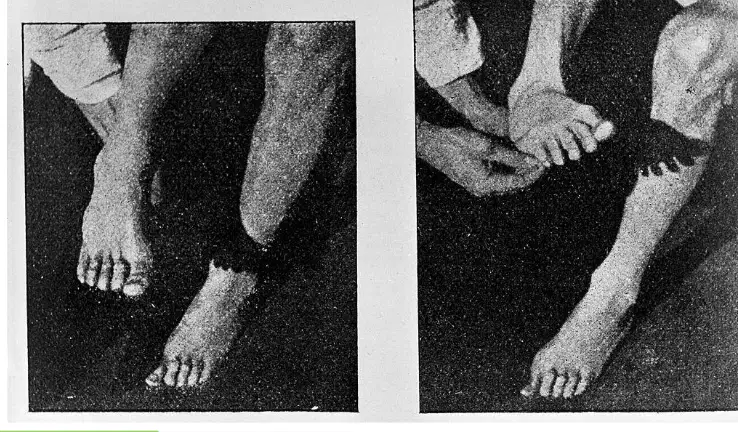
What is a muscle spasm?
A slow voluntary contraction of a muscle
A sudden involuntary contraction of a muscle
A permanent shortening of a muscle
A muscle that does not contract
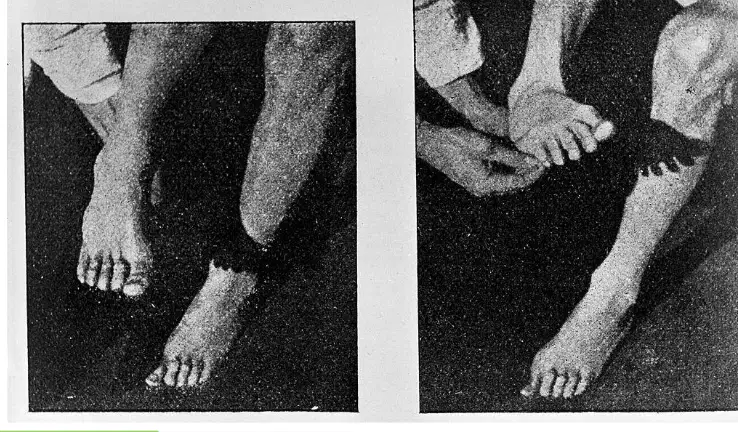
Which of the following may cause muscle spasms?
Overuse of the muscle
Dehydration
Electrolyte imbalance
All of the above
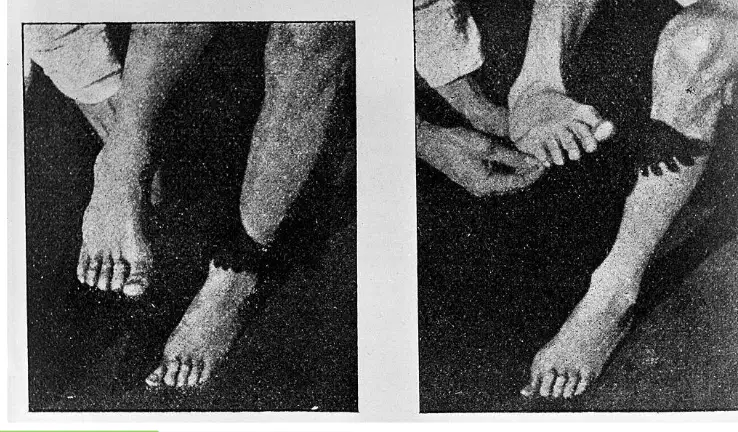
What is a common symptom of muscle spasms?
Pain
Fever
Rash
Cough
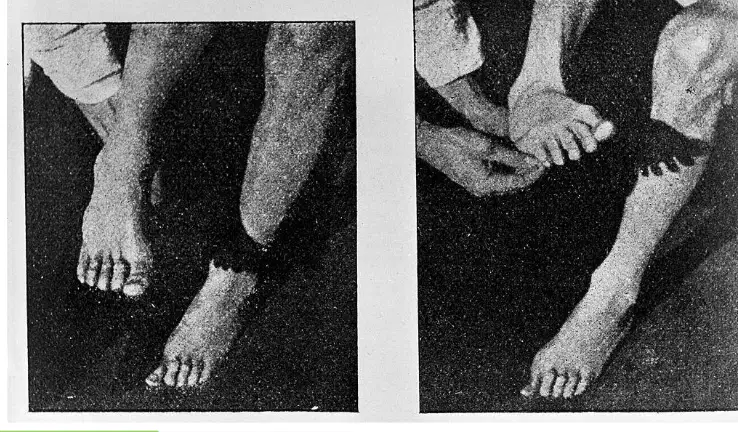
List two treatments for muscle spasms mentioned in the passage.
Stretching and massaging the muscle, applying ice, rehydrating.
Taking antibiotics and bed rest.
Applying heat and avoiding fluids.
Using painkillers and immobilizing the muscle.
What is Muscular Dystrophy?
A group of diseases that cause progressive weakness and loss of muscle mass
A type of bone disease
A skin disorder
A digestive problem
Which group is mostly affected by Muscular Dystrophy?
Girls
Boys
Elderly
Infants
Fill in the blank: Symptoms of Muscular Dystrophy include frequent falls, difficulty rising from a sitting position, muscle pain and ________.
stiffness
rash
blurred vision
hair loss
Is there a cure for Muscular Dystrophy?
True
False
Look at the diagram. Which muscle shows the effects of Muscular Dystrophy?
Normal Muscle
Atrophied Muscle
What is a muscle strain?
Tear to the muscle fibers or tendon
Inflammation of the joint
Fracture of the bone
Infection of the skin
Which of the following is NOT a symptom of muscle strain?
Swelling
Bruising
Pain
Fever
Fill in the blank: The treatment for muscle strain includes _______.
RICE
CPR
Antibiotics
Chemotherapy
Nonsteroidal anti-inflammatory drugs (NSAIDS) such as _______ are used to treat muscle strain.
Ibuprofen
Paracetamol
Amoxicillin
Cetirizine
What is Tendonitis?
Inflammation of the tendons
Inflammation of the muscles
Inflammation of the bones
Inflammation of the skin
What is the most common cause of Tendonitis?
Infection
Overuse or overload of tendon
Poor diet
Lack of exercise
Which area is most commonly affected by Tendonitis?
Knee
Shoulder
Wrist
Hip
Fill in the blank: Symptoms of Tendonitis include dull aching pain that may worsen at ______ in the affected area.
night
morning
noon
after exercise
Which of the following is NOT a recommended treatment for Tendonitis?
Rest
Ice
NSAIDS
Vigorous exercise
What is tetanus commonly known as?
Lockjaw
Stiff neck
Muscle fever
Bone ache
Tetanus can interfere with _________
breathing
digestion
hearing
vision
What causes tetanus?
Virus
Clostridium bacteria
Fungi
Parasite
How can the bacteria that cause tetanus enter the body?
Through the air
Through a deep cut
By eating contaminated food
By drinking water
What is a common symptom of tetanus?
Headache
Painful tightening of the muscles all over the body
Rash
Fever
The treatment for tetanus mainly involves ________ the complications.
managing
ignoring
causing
worsening
How can tetanus be prevented?
Regular exercise
Tetanus vaccine with booster shot every 10 years
Drinking clean water
Taking antibiotics daily

