Wayground logo

Free Printable Worksheets

Font size

S
M
L
XL
Worksheets

Unit 3 Test: Road to the Revolution

Total questions: 31

Worksheet time: 24mins

Name
Class
Date
1.
The Battles of Lexington & Concord are also known as what?
a)
Too Late to Apologize
b)
Shot Heard Round the World
c)
The Last Epic Battle
d)
The First Epic Battle
2.
What document ended the French & Indian War?
a)
The Treaty of Paris of 1763
b)
The Treaty of London of 1763
c)
The Treaty of Boston of 1763
d)
The Treaty of Madrid of 1763
3.

After French & Indian War, Great Britain needed more ​ (a)   so they passed many new (b)   .

Choose from the below words
effigies
taxes
fines
rebellions
revenue
land
4.
This was fought between the French, Spanish, & Native Americans & the British, 13 Colonies, & Native Americans.
a)
The Boston Tea Party
b)
The American Revolution
c)
The Boston Massacre
d)
The French & Indian War
5.

Match the following:

a)

This document prohibited colonists from settling past the Appalachian Mts.

1.

Proclamation of 1763

b)

Dec 16, 1773 Sons of Liberty, boarded a cargo ship & threw 342 chests of tea overboard in protest

2.

Boston Tea Party

c)

This document explained why the colonists deserved to free themselves from British rule.

3.

Declaration of Independence

d)

This event occurred on March 5, 1770; 5 unarmed colonists were shot by British soldiers

4.

Boston Massacre

6.
The Continental Army needed cannons so the Green Mountain Boys executed a sneak attack & took this fort
a)
Battle of Bunker Hill
b)
Capture of Fort Ticonderoga
c)
Battle of Lexington & Concord
d)
French & Indian War
7.
Which of the following describes the colonists' reaction to the British taxes?
a)
They were upset because they were all too high
b)
They were willing to pay to help pay Britain's debts
c)
They were upset at first but then agreed to pay
d)
They were upset "no taxation without representation"
8.

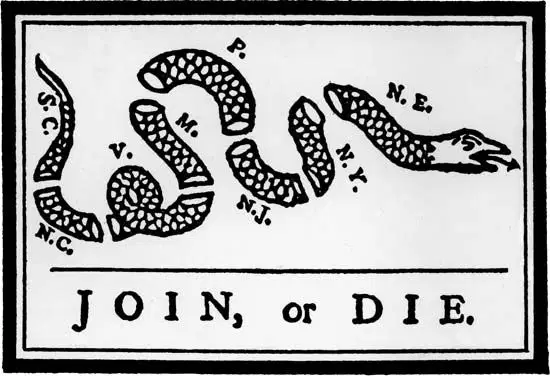
​ (a)   was created by ​ (b)   to unite the colonies, however, it was not passed.

Choose from the below words
Benjamin Franklin
Declaration of Independence
Thomas Jefferson
US Constitution
George Washington
The Albany Plan of Union
9.
Which of the following was NOT one of the Midnight Riders?
a)
Paul Revere
b)
William Dawes
c)
Samuel Prescott
d)
Thomas Paine
10.
Who won the French & Indian War?
a)
The French
b)
The British
c)
The Spanish
d)

It was a tie

11.
The main purpose of the Declaration of Independence was to
a)
force Britain to pay back all the colonies for high taxes
b)
explain why colonists deserved freedom Britain
c)
explain why colonists deserved to settle past Appalachian Mt
d)
allow elections of colonial representatives to Parliament
12.
Which act caused the Boston Tea Party?
a)
Stamp Act
b)
Sugar Act
c)
Tea Act
d)
Quartering Act
13.
What land did both the British & the French claim that started a war?
a)
Ohio River Valley
b)
Mississippi River Valley
c)
Perdido River Valley
d)
Quebec River Valley
14.

King George III reacted to the Boston Tea Party by passing the Intolerable Acts that included (a)  

Choose from the below words
Tea Act & Quebec Act
Coercive Acts & Quebec Act
Sugar Act & Tea Act
Coercive Acts & Sugar Act
15.
What future president fought in the French & Indian War & built Fort Necessity?
a)
Thomas Jefferson
b)
John Adams
c)
James Madison
d)
George Washington
16.
What was the name of the 1st battle of the American Revolution?
a)
Battle of Bunker Hill
b)
Battle of Ticonderoga
c)
Battle of Yorktown
d)
Battles of Lexington & Concord
17.
Why were the Redcoats going to Lexington & Concord?
a)
to seize weapons & burn effigies
b)
to collect taxes & keep the peace
c)
to seize weapons & capture Rebel leaders
d)
to burn effigies & capture Rebel leaders
18.
This was a British victory & was fought for control of valuable sea port in Boston.
a)
Battle of Ticonderoga
b)
Battle of Lexington & Concord
c)
Battle of Bunker Hill
d)
Battle of Yorktown
19.
Which of these is NOT a nickname for British soldiers?
a)
Redcoats
b)
Redjackets
c)
Bloody Backs
d)
Lobster Backs
20.
Who would have said this? "What a waste of perfectly good tea?"
a)
Patriot
b)
Loyalist
21.
Who would have had effigies of themselves burned?
a)
Patriot
b)
Loyalist
22.
Who would have said this? "No taxation without representation"
a)
Patriot
b)
Loyalist
23.
Who would have said this? "I think we should just follow the laws & pay our taxes!"
a)
A Patriot
b)
A Loyalist
24.
Who would have spied for the king?
a)
A Patriot
b)
A Loyalist
25.
Who would have said this? "Give me liberty or give me death!"
a)
A Patriot
b)
A Loyalist
26.
Who risked their lives for freedom?
a)
A Patriot
b)
A Loyalist
27.
Who would have protested with boycotts?
a)
A Patriot
b)
A Loyalist
28.
Question Image

Who am I?

a)

I was once Captain of the Connecticut Militia, but later I sold military secrets to the British & became a traitor.

1.

Benedict Arnold

b)

I led the Green Mountain Boys during the capture of Ticonderoga.

2.

Ethan Allen

c)

The 2nd Continental Congress choose me to be the leader of the Continental Army.

3.

George Washington

d)

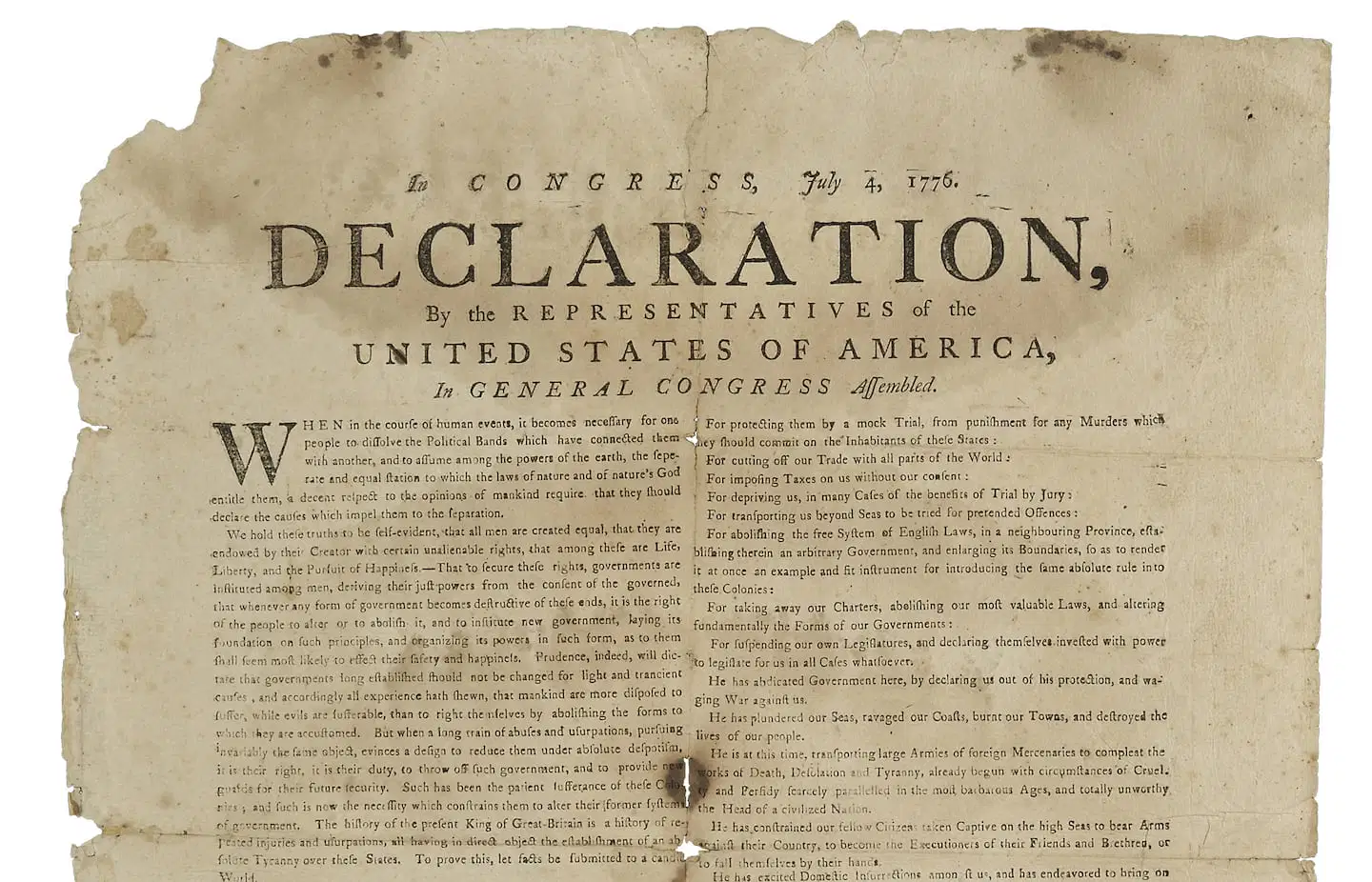
I was the main author of the Declaration of Independence.

4.

Thomas Jefferson

e)

5.

Benjamin Franklin

29.

Put the parts of the Declaration of Independence in order from first to last:

a)

Preamble

b)

Declaration of Natural Rights

c)

List of Grievances (complaints)

d)

Resolution of Independence by the United States

1)
2)
3)
4)
30.

Match the following

a)

lowered tax on imported molasses & sugar & allowed officers to seize goods from accused smugglers w/o going to court

1.

Sugar Act

b)

taxed almost ALL printed materials like newspapers, wills & even playing cards

2.

Stamp Act

c)

colonists had to provide British soldiers w/any needed accommodations, housing, & even food

3.

Quartering Act

d)

gave British East India Company nearly total control of market for tea, also removed some taxes on tea

4.

Tea Act

31.

Match the following

a)

Parliament had right to tax & make decisions for British colonies “in all cases”

1.

Declaratory Act

b)

taxed imported goods like glass, tea, & paper

2.

Townshend Acts

c)

Created a govt for Canada & extended its territory south to Ohio River

3.

Quebec Act

d)

forced colonies to let British soldiers live among colonists, banned town meetings in Mass. & closed Boston Harbor

4.

Coercive Acts