
 Worksheets
Midterm Review
Total questions: 63
Worksheet time: 37mins
Which of the following is NOT one of the four standard cup measurements in a set of measuring cups?
1 cup
1/2 cup
1/3 cup
2/3 cup
Which of the following is a standard spoon measurement in a set of measuring spoons?
1 tablespoon
2 tablespoons
1/4 cup
1/8 cup
How should brown sugar be measured for a recipe?
Sift it before measuring
Pack it firmly into the cup
Measure it loosely
Pour it into the cup
Why is it important to use the correct measuring equipment for dry and liquid ingredients?
It makes the recipe look better
It ensures accurate measurements and recipe success
It saves time
It uses fewer utensils
When measuring salt for a recipe, what is the best method?
Use a liquid measuring cup
Use a measuring spoon and level off
Pack it into a cup
Estimate by hand
What two measuring cups should you use if you need 3/4 cup?
1/2 cup and 1/4 cup
1/3 cup and 1/2 cup
1/4 cup and 1/4 cup
1 cup and 1/2 cup
If you need half of an egg, how would you measure this?
Use only the egg yolk
Beat the egg and use half of the mixture
Use only the egg white
Use two eggs
If a recipe says “make a well”, what does this mean?
Mix all ingredients together
Create a hole in the dry ingredients to add wet ingredients
Bake the mixture immediately
Add sugar to the mixture
Why is it important to measure ingredients accurately in baking?
To save time
To ensure the recipe turns out correctly
To use fewer dishes
To make the food look colorful
What is the purpose of “cutting in” fat into flour in baking?
To make the dough rise
To create a flaky texture
To add sweetness
To make the dough sticky


1 cup flour
Which piece(s) of kitchen equipment listed below is(are) used to measure dry ingredients?
Choose ALL that apply
measuring spoons
liquid measuring cup
dry measuring cups
All of these are correct
When looking at a recipe, the capital T stands for
teaspoon
1/4 teaspoon
1/2 teaspoon
Tablespoon
How do you measure solid butter?
With a Tablespoon
You need to melt it first then use a liquid measuring cup
Look at the markings on the wrapper
Butter is always measuring in sticks EX: 1 stick, 2 sticks etc.
How do you measure brown sugar
Scoop into dry measuring cup and pack down
Lightly scoop into measuring cup and level with a flat edge
Scoop into liquid measuring cup and pat down
You don't need to measure it just estimate
If I need to measure a small amount of baking powder for my cookie recipe, which piece of measuring equipment should I use?
dry measuring cups
measuring spoons
liquid measuring cup
None of these are correct
Flour should always be packed when measuring.
True
False
What would you use to measure 1 cup of oil?
Dry measuring cup
A ladle
Liquid measuring cup
Measuring spoons
A process of determining the specific amount of an ingredient
Deglaze
Measure
Score
Skim
What are the rules for measuring liquids?
Use a liquid measuring cup
Set the measuring cup on a flat, level surface.
Be at eye level when reading the amount on the cup.
All of the above
What ingredient(s) would measuring spoons measure?
Salt
Vanilla
Neither of these
Both of these
Using a ______________ in a liquid measuring cup helps remov sticky ingredients such as honey and molasses.
Shortening
Butter
Non-stick spray
Nothing
Peanut Butter is considered to be a
Solid ingredient
Dry ingredient
Liquid ingredient
None of the above
What is the correct way to measure peanut butter?
Measure directly into the mixing bowl.
Pack it into a dry measuring cup and level it off.
Use a liquid measuring cup.
Estimate by the spoonful.
Measuring and organizing your ingredients before starting a recipe contributes to a successful baking experience.
True
False
Brown Sugar, Cooked Rice, Shortening, and Peanut Butter need to be ______ before leveling off
Poured
Sifted
Packed
Scooped
What tool do you use to measure small amounts of both liquid and dry ingredients
Dry Measuring Cups
Ounces
Measuring Spoon
Liquid Measuring cups
You can use measuring spoons to measure
dry ingredients
wet ingredients
both wet and dry ingredients
neither dry nor wet ingredients
What is the name of the ingredient that we "pack" down into the dry measuring cup?
Sugar
Flour
Honey
Brown Sugar
A standard set of dry/solid measuring cups is made of what 4 cup sizes?
1 cup
1/2 cup
1/3 cup
1/4 cup
3/4 cup
How much is a stick of butter?
1 cup
1/2 cup
2 cups
1/4 cup
Which are used to measure small amounts of ingredients, usually less than 1/4 cup?
Dry measuring cups
Liquid measuring cups
Measuring spoons
Scales
When measuring _______ you should fluff it up and spoon it into a dry measuring cup.
sugar
brown sugar
flour
baking soda
Other ingredients measured using a dry measuring cup can include...
Peanut Butter
Oil
Chicken Broth
Potatoes
Which of the following is an accurate method of measuring dry ingredients such as flour?
Shake the cup level
Spoon flour into cup and use a straight edge
Scooping up flour with a measuring cup
Pour flour into measuring cup over the bowl
Which measuring utensil would you use to measure 1 1/4 cups of flour?
Dry/solid measuring cups
Measuring spoons
Liquid measuring cup
Which is larger a teaspoon or a tablespoon?
teaspoon
tablespoon
How many cups is one stick of butter?
1/4
1
1/2
2
Liquids should always be measured at eye level.
True
False
Mark's pancake batter turned out too wet and runny. What might be the cause of his too liquidy batter?
Mark probably did not read his recipe correctly and used the wrong size mixing bowl
Mark most likely did not measure his liquid ingredients correctly by bending down to check the measurement resulting in too much liquid.
Mark probably was too careful when measuring, so he took too much time and was not able to get all of the dry ingredients.
Which measuring utensil would you use to measure 2 tablespoons of vegetable oil?
Dry/solid measuring cups
Measuring spoons
Liquid measuring cup
What do you use to measure dry ingredients?
liquid measuring cup
fork
bowl
dry measuring cup
What abbreviation is commonly used for teaspoon in recipes?
ts
tbl
tsp
l
What are the 3 steps to measuring oats
Sift, Scoop, Pour
Scoop, Level, Pour
Pour, Check Eye Level, Poor off excess
Scoop, Chuck, Crush
How should you measure 1 cup of flour
Dip the measuring cup in the flour and then level
Lightly spoon flour in the cup and then level
Scoop the flour and shake the cup lightly until its level
Just scoop until its full.
When measuring liquids, it is important to:
use a rubber scraper to get everything out of the measuring cup
use the stir, scoop and level technique
hold the measuring cup up to eye level to see the lines properly
place the measuring cup on the counter and bend down until the lines are at eye level
When measuring ________ you must firmly pack it down in the dry measuring cup.
sugar
brown sugar
flour
baking soda
What is half of 1 tablespoon (in a measurable amount/using tools that are available)
1/2 tablespoon
1 1/2 teaspoons
1/2 teaspoons
3/4 teaspooon
If I need to measure a small amount of baking powder for my cookie recipe, which piece of measuring equipment should I use?
measuring spoons
measuring cups
kitchen scale
liquid measuring jug
Name, Ingredient Amount, Directions, Yield, Temperature, Visual Direction, Time, Equipment
Kitchen Rules
How to Read
Measuring Utensils
Parts of Recipe


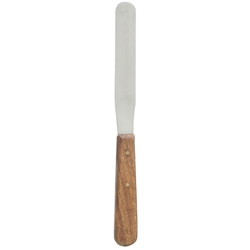
This is often used to level food items such as flour and sugar.
rubber scraper
turner
straight edge spatula